

Handheld marine radios matter most when the day gets messy, the wind picks up, or your main helm gear is out of reach. You want something that feels easy in a wet hand, reads clearly in glare, and gives you a reliable line of communication without turning into a chore. This roundup focuses on practical fit, from floating basics for casual trips to more capable units for longer runs and heavier use.
You’ll also see where each pick makes sense in real boating life, whether that means kayaking, fishing, dock work, or backup carry on a larger vessel. The goal is simple, help you match the radio to the way you actually spend time on the water.
The Shortlist At A Glance
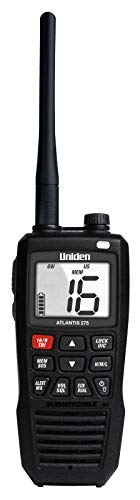
Uniden Atlantis 275 Handheld Two-Way VHF Marine Radio
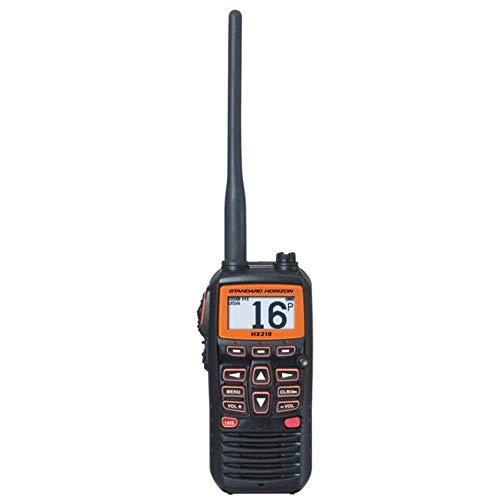
Standard Horizon HX210 6W Floating Handheld Marine VHF Transceiver
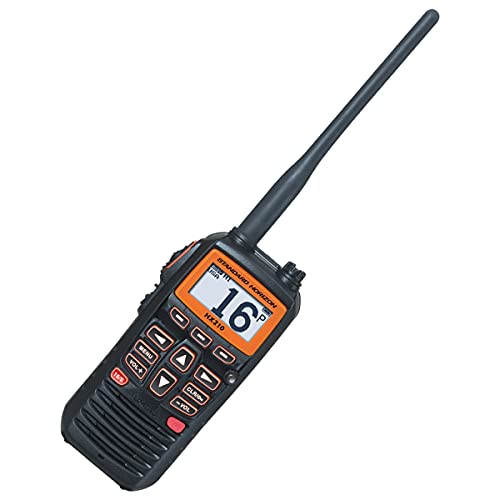
Standard Horizon HX210 6W Floating Handheld Marine VHF Transceiver
Two Way Radios, Marine Application

Retevis RM01 3W Marine Radio VHF IP67 Floating

Retevis RM01P 3.5W Marine Radio VHF IP67 Floating

Icom M94D 21 USA VHF Marine Transceiver with DSC & AIS Receiver

ICOM IC-M73 01 Handheld VHF Marine Radio
More Details On Our Top Picks
Uniden’s Atlantis 275 feels like the kind of radio you keep aboard because it covers a lot of everyday water use without making itself complicated. A floating, IPX8-rated body gives you a useful margin for wet decks and accidental drops over the side, and the dual-color screen should be easier to read in changing light than a plain dim display.
The 6-watt output, NOAA weather alerts, and access to USA, international, and Canadian marine channels make it a flexible pick for boaters who cross waters or split time between inland lakes and coastal runs. The trade-off is that this is a more full-featured handheld than a minimalist backup, so casual dock users may find it a bit more radio than they need.
What We Like
- Floating design adds peace of mind around docks, kayaks, and uneven decks.
- IPX8 submersible rating points to stronger water protection for wet conditions.
- 6-watt transmit power suits longer reaches than lower-output pocket radios.
- Channel access across U.S., international, and Canadian bands helps with mixed cruising plans.
- NOAA weather alerts support quicker awareness during changing water conditions.
Things To Consider
- The broader feature set can feel more involved than a plain emergency spare.
- A dual-color screen helps visibility, though glare can still be a factor in harsh sun.
- Keeping the seals and charge area clean matters more on a radio meant for regular wet use.
Feature Snapshot
Who It Suits Best
You’ll get the most from this radio on a boat that sees regular weekend use, mixed waters, or backup duty where a clearer display and broader channel support matter.
Where A Sibling Pick Shines
Standard Horizon HX210 6W Floating Handheld Marine VHF Transceiver is the cleaner fit for you when you want a simpler, more stripped-down handheld without the extra screen focus.
This HX210 package makes sense for boaters who want a straightforward handheld and a tidy box of essentials. You get the radio, antenna, rapid charger cradle, and documentation, so the setup feels less piecemeal than buying accessories one at a time.
The floating design suits wet dock work and kayak use, while the 6-watt class keeps it in the same practical lane as the Uniden Atlantis 275. The main caveat is that the listing here centers more on the bundle than on flashy extras, which is fine for most straightforward setups but less compelling for someone chasing deeper feature lists.
Highlights
- Radio, antenna, and charger cradle come together in one package.
- Floating design fits routine use around water and small craft.
- 6-watt output gives it enough muscle for common marine communication needs.
- Three-year waterproof coverage is a useful confidence point on the listing.
- Clear, no-frills setup works well for straightforward onboard carry.
Room For Improvement
- The feature list is lean compared with more advanced handhelds later in this roundup.
- You may find the bundle more appealing than the radio itself, depending on what gear you already own.
- Like most handhelds, the charging cradle and contacts will stay happier with regular cleaning.
At A Glance
Who Should Grab It
You fit this one well if you want a simple floating handheld with the key pieces already in the box for boats, kayaks, or general dock use.
Another Choice May Suit
Uniden Atlantis 275 Handheld Two-Way VHF Marine Radio is the better fit for you if you want a more visibly featured screen and wider channel coverage.
This version of the HX210 keeps the conversation focused on the radio itself, which helps if you already have your own charging setup or simply want a spare handheld. A floating body and 6-watt output put it in the same work-ready class as the other Standard Horizon option, but without the bundle framing.
That makes it a cleaner backup for frequent boat use, especially on inland water where you want a dependable handheld without chasing extras. The honest read is that this pick benefits someone who values the core radio more than packaging, because the listing is about function, not accessories.
Upsides
- Floating design helps the radio stay usable in wet boat settings.
- 6-watt class output is well suited to everyday marine communication.
- Simple, core-focused listing keeps the decision process straightforward.
- Works well as a backup unit or a second handheld on board.
Points To Note
- You are paying for the radio itself rather than a fuller accessory bundle.
- A spare handheld still needs a sensible charging and storage routine to stay ready.
- There’s less of a feature story here than on the Icom and Uniden picks later on.
Core Details
Built With In Mind
You’ll like this one most as a straightforward spare radio for boaters who want a floating handheld with no bundle clutter.
Look Elsewhere When
Retevis RM01P 3.5W Marine Radio VHF IP67 Floating is the better fit for casual travel and paddling, especially when USB-C charging matters more than raw output.
This listing is sparse, so the sensible way to read it is as a broad marine radio option rather than a deeply documented model page. For boat owners who just need a simple backup path in the category, that can still be useful, especially alongside a more fully described unit like the Uniden or Icom picks.
The trade-off is obvious, you do not get much spec detail to lean on here, which makes fit harder to judge. That usually nudges this toward general-purpose shoppers who already know the brand and want a plain marine two-way radio without a long feature checklist.
Positives
- Broad marine application keeps it flexible for general use.
- Could suit basic onboard backup needs without much setup fuss.
- Simple positioning makes it easy to keep in reserve on a vessel.
Minor Gripes
- The listing does not give much detail, so comparison shopping takes more effort.
- You may want a more fully described model if you care about display, power, or channel coverage.
Detail Sheet
Whose Shelf It Belongs On
You fit this pick best only when you already trust the listing and want a plain marine radio for basic onboard use.
Skip It When
Standard Horizon HX210 6W Floating Handheld Marine VHF Transceiver is the smarter route for you if you want clearer, better-documented specs before you choose.
The RM01 is built around portable, water-friendly use, and that shows in the IP67 floating design, the dual-color display, and the fact that it ships with five AAA batteries. For kayak days, lake trips, and casual paddle outings, that kind of ready-to-go setup can feel easier than managing a more elaborate handheld.
It also brings NOAA weather alerts, 88 channels across U.S., Canada, and international use, plus tri-watch, which scans or watches three channels in sequence for convenience on the water. The trade-off is power, since 3 watts sits below the 6-watt Standard Horizon and Uniden options, so this one leans more toward short-range, portable use than long-distant talking.
Reasons To Buy
- Floating IP67 build fits paddling and small-craft use nicely.
- Five AAA batteries make it straightforward to get going.
- Dual-color screen helps the display stand out in changing light.
- Tri-watch adds convenience for monitoring multiple channels.
- Channel coverage across U.S., Canada, and international waters broadens flexibility.
Areas To Watch
- 3-watt output is modest beside the 6-watt picks in this roundup.
- AAA battery management can become a regular upkeep task.
- The portable focus is great for casual trips, but less compelling for larger boats.
Feature Rundown
Right Fit For
You’ll appreciate this most for kayaking, small-boat outings, and travel where portability matters more than maximum output.
Where A Sibling Pick Shines
Uniden Atlantis 275 Handheld Two-Way VHF Marine Radio is the stronger choice for you if you want a more powerful handheld with broader channel support and a larger screen.
The RM01P feels tuned for day trips and casual water time, with USB-C charging, floating IP67 construction, and a stated 15-hour battery figure that fits longer outings without making the unit bulky. Compared with the RM01, this version trims the battery hassle by moving away from AAA cells, which is a nice practical change for travel and fishing use.
You also get NOAA weather alerts, global channel coverage, vibration drainage, and three-watch monitoring, so it stays useful beyond simple talk-and-listen duty. The catch is that 3.5 watts is still a moderate output level, so boaters on bigger water may prefer the stronger 6-watt models later in the list.
Best Bits
- USB-C charging is easier to live with during travel and frequent use.
- 15-hour battery figure supports longer outings with less fuss.
- Floating IP67 construction suits water sports and fishing trips.
- Global channel coverage adds flexibility for broader travel plans.
- Vibration drainage and three-watch mode make it feel thoughtful for wet use.
Softer Spots
- 3.5 watts leaves some headroom below the stronger handhelds in this lineup.
- Battery-life claims depend heavily on how you use the radio in real conditions.
- Regular USB-C charging works best when you keep the port area clean and dry.
Details At A Glance
Made For
You’ll get the most out of this radio on fishing trips, lake days, and travel-heavy outings where USB-C convenience matters.
Swap It Out When
Standard Horizon HX210 6W Floating Handheld Marine VHF Transceiver is the better match for you if you want more transmit power and a less travel-focused feel.
Advanced boaters will notice the M94D for what it adds, not just for what it transmits. DSC, or Digital Selective Calling, supports automated distress and calling functions, while AIS, the Automatic Identification System, helps you receive vessel identity and position information, which is a serious step up from basic handheld communication.
That feature set makes this radio feel more like a navigation companion than a spare handheld, especially on coastal runs or in busier traffic. The trade-off is easy to see, because more capability usually means more learning, and the M94D makes the most sense for boaters who will actually use those extra tools.
Bright Spots
- DSC support adds useful calling and distress capability for serious marine use.
- AIS receiver information helps you stay more aware of nearby vessel traffic.
- The feature set goes well beyond basic talk-only handhelds.
- Well suited to coastal boaters who want a more capable backup radio.
Worth Noting
- The extra functions bring more setup and learning than simpler handhelds.
- You may pay for capability you do not need on smaller lakes or casual outings.
- Advanced electronics tend to reward careful storage and regular contact cleaning.
Core Details
Who Will Love This
You fit this radio best if you boat in busier waters and want a handheld with communication tools beyond the basics.
Reach For A Different Pick When
Uniden Atlantis 275 Handheld Two-Way VHF Marine Radio is the better match for you if you want a simpler handheld with a clearer everyday focus.
The IC-M73 sits in the category as a serious workhorse, the kind of handheld that suits demanding onboard use without asking for much attention. With 6 watts on tap, it lands in the stronger-output group alongside the Uniden Atlantis 275 and both Standard Horizon HX210 entries, which makes it a sensible fit for boaters who want a sturdier long-haul companion.
Its appeal is more about dependable service than showy extras, and that is exactly why seasoned boat owners often like radios in this lane. The flip side is plain enough, you are not buying a feature parade, so someone who wants advanced navigation aids should look to the Icom M94D instead.
Best Bits
- 6-watt output places it among the stronger handheld options here.
- Works well for heavier onboard use and routine marine backup duty.
- Simple focus on core radio performance keeps operation straightforward.
- Good fit for boaters who value a proven-feeling handheld shape and role.
Small Caveats
- It leans more toward core function than feature extras.
- You may want a more modern feature set if you need AIS or DSC tools.
- As with any marine handheld, periodic battery and contact care helps keep it ready.
Feature Card
The Right Fit
You’ll value this most as a dependable handheld for frequent marine use where strong output matters more than a long feature list.
A Better Fit Elsewhere
Icom M94D 21 USA VHF Marine Transceiver with DSC & AIS Receiver is the smarter choice for you if advanced traffic and calling tools matter on your routes.
How To Choose The Right Handheld Marine Radios
Power, Range, And Real Use
Output power matters, but not as a bragging right. A 3 to 3.5 watt handheld can work well for kayaks, small lakes, and close-range marina use, while 6-watt units make more sense for longer runs, busier waterways, or a primary backup aboard a larger boat.
You also want to think about how often you’ll depend on the radio. A casual dock carry can live with lighter output, but daily boating usually rewards the stronger class because voice traffic stays clearer when conditions are less forgiving.
Water Protection And Float Behavior
Water rating tells you how much wet handling the radio can tolerate, and floating bodies add another layer of practical comfort. IP67 and IPX8 designs are both aimed at hard use around water, though the exact rating helps you judge how much protection the shell offers against immersion versus splashes.
That matters in real life because dropped gear happens, especially on small craft and slippery decks. Floating radios are often easier to recover fast, which can save you from a stressful scramble.
Display, Channels, And Alerts
A readable screen becomes important in bright sun, spray, or low light. Dual-color displays and simpler button layouts can make quick checks easier, especially when you’re managing lines, gear, or a moving boat at the same time.
Channel coverage also deserves attention. U.S.-only boats can stay simple, but travelers, charter crews, and cross-border cruisers benefit from wider channel support, while NOAA weather alerts help you keep one eye on changing conditions without carrying another device.
Battery Style And Charging Setup
Battery choice changes the way you live with the radio. AAA-powered models can be convenient for travel or backup use, while USB-C or charging cradles usually feel easier for regular ownership because topping up is less fussy.
Longer battery figures matter most on full-day fishing trips, overnight anchorages, and boating weekends that stretch longer than planned. The practical question is simple, do you want a radio that’s always ready in a dock cradle, or one that stays flexible with replaceable cells.
Things Worth Knowing First
Hidden Buying Traps
One common mistake is paying for features you will not use. A handheld with DSC or AIS sounds impressive, but casual lake use rarely needs those functions, so a simpler radio can be the smarter match.
Another miss is overlooking the charger or battery setup. A radio that looks right on the page can become annoying fast if the power routine does not fit your boat, travel bag, or storage habits.
The Upgrade Payoff
Higher-tier handhelds usually cost more because of stronger water protection, better displays, more capable radios, and extra tools like DSC or AIS. Those additions take more engineering and usually show up in the way the radio handles real water conditions and crowded channels.
Spending up makes sense for frequent boaters, coastal routes, and anyone who treats a handheld as a serious backup. For casual outings, a simpler model often brings the better balance of cost, ease, and day-to-day convenience.
Closing Remarks
The right handheld marine radio should feel calm in your hand and useful in the moments that matter, not like another gadget demanding attention. Strong output, a clear display, solid water protection, and a charging setup that fits your routine matter more than a long feature sheet. For small craft and casual trips, the lighter Retevis models do plenty. For more serious boating, the Uniden, Standard Horizon, and Icom picks bring the steadier sense of backup you want.