
You want roof-mounted camping gear that fits your vehicle, your storage space, and the way you actually travel. Some of these picks lean toward fast setup and compact trail use, while others make more sense for family weekends, longer overland routes, or mixed weather. The spread here also covers one cargo carrier bag, because not every roof solution starts with a tent. You can use this roundup to narrow the field before a cramped garage or a long drive makes the decision for you.
Quick Look At The Shortlist
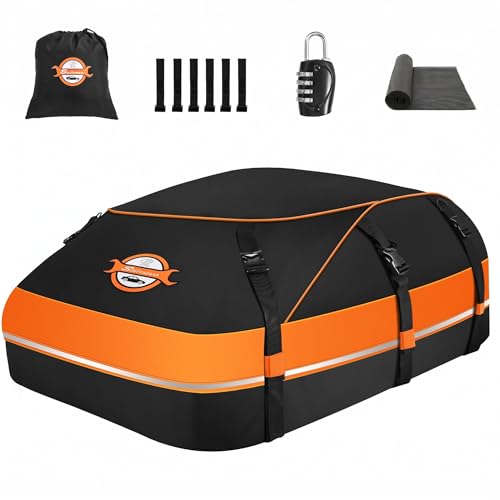
Sailnovo Aerodynamic Rooftop Cargo Carrier Bag 20 Cubic Feet
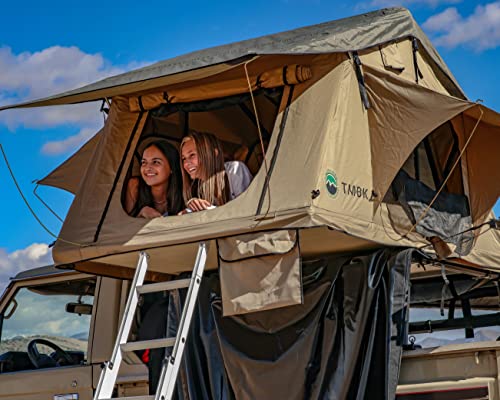
Overland Vehicle Systems TMBK Soft Shell Rooftop Tent 3-Person

WildFinder Rooftop Tent Hard Shell Aluminum Pop Up Tent

Sanhima Hotham Lite Overland Aluminium Roof Top Tent Slimline

Bayati Rooftop Tent Hard Shell Large Tent

HEYFUN Adventurer Pro Rooftop Tent Hard Shell with Side Awning
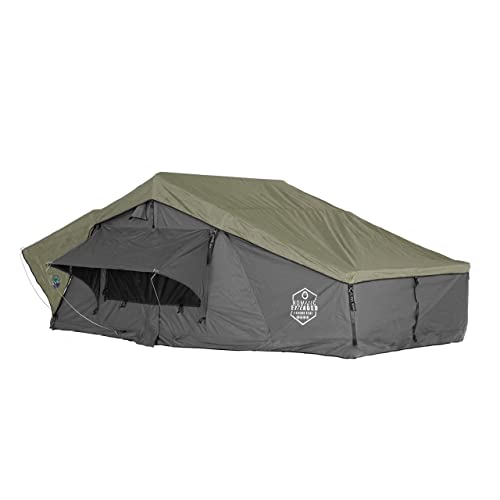
Overland Vehicle Systems HD Nomadic 4 Extended Soft Shell Tent

ARCTWONDER Rooftop Tent Hard Shell Solar Panel Roof Top Tent
More Details On Our Top Picks
This one is less about campground living and more about solving roof space without hard installation drama. The 20 cubic feet of capacity gives you room for luggage, soft bags, or bulky weekend gear, and the included anti-slip mat, storage bag, reinforced straps, and lock show up as practical extras rather than fluff. For commuters, road-trippers, and families packing a full vehicle, that combination can be the difference between a tidy cabin and a packed-back seat.
The trade-off is obvious, soft-shell carriers ask you to think about loading discipline and weather exposure more carefully than a rigid tent shell. Compared with the roof tents in this list, Sailnovo is the smart utility play, not the camping sleep solution. It suits vehicles with or without a rack, so you get broader fit flexibility, though you still need to be comfortable with strap-based setup and regular rechecking.
Strong Points
- 20 cubic feet gives you meaningful roof storage for long trips.
- Works with many vehicles, including some without a rack.
- Anti-slip mat helps keep the bag steadier on the roof.
- Reinforced straps and lock add peace of mind during travel days.
Things To Consider
- Soft construction needs more attention during packing and fastening.
- Loading a tall bag can feel awkward in tight parking spaces.
- You’ll want to keep an eye on strap tension on longer drives.
Feature Snapshot
Who It Suits Best
Traveling families and weekend packers who need roof storage more than a sleeping platform will get the most from this bag.
A Better Fit Elsewhere
Overland Vehicle Systems HD Nomadic 4 suits campers who want a true sleeping tent rather than cargo-only storage.
After the cargo carrier, this is where the list turns into real sleeping space. The TMBK soft shell format usually appeals to campers who want a roomier feel and a universal fitment approach for SUVs and trucks, while the included rainfly and ladder point to the basics you need for outdoor use. In most weekend setups, that gives you a familiar, straightforward tent profile without jumping straight to a bigger hard shell.
The honest read is that soft shell tents typically trade a little speed and shell rigidity for a more flexible interior shape. That makes this one a sensible middle ground for mixed trail use, especially for households that camp a few times a season and want something practical rather than flashy. The 3-person sizing also makes it easier to fit than the 4-person HD Nomadic 4, though you give up some elbow room.
What We Like
- Universal fitment broadens the range of SUVs and trucks it can suit.
- Rainfly helps add another layer between you and rough weather.
- Ladder is included, which simplifies first-time setup planning.
- Three-person sizing keeps the footprint manageable for smaller vehicles.
Points To Note
- Soft shell designs usually take more effort to pack down neatly.
- Interior room feels tighter than the larger 4-person option in this list.
- Trail dust and fabric care matter more with this style of tent.
At A Glance
Built With In Mind
Weekend campers with SUVs or midsize trucks who want a straightforward tent layout should find this a comfortable starting point.
Swap It Out When
Bayati’s hard shell tent is the better fit for families who want a roomier pop-up style and a more enclosed roof profile.
WildFinder pushes you toward the hard shell lane with an aluminum pop-up design, and that changes the feel of the whole setup. Hard shells usually matter most to campers who want a cleaner roof profile and a more structured enclosure, and the LED light strip is a useful touch for late arrivals or gear sorting after dark. For Jeep, SUV, truck, or van owners, this reads like a practical trail companion rather than a comfort-first lounge.
Compared with the soft shell Overland Vehicle Systems TMBK, this one should feel more planted and less fabric-heavy in everyday ownership. The 2-3 person sizing keeps it from becoming oversized, but that also means you’re choosing efficiency over sprawling interior space. The aluminum build is the detail that stands out most, since metal shell tents generally suit people who want a firmer roofline and a neater packed look.
Highlights
- Aluminum shell gives the tent a more structured roof profile.
- Pop-up format fits quick camp routines and frequent move days.
- LED light strip helps with nighttime setup and inside visibility.
- Vehicle compatibility spans Jeep, SUV, truck, and van use cases.
Room For Improvement
- Two to three people is workable, but not spacious.
- Hard shell tents usually demand more roof planning and storage awareness.
- That structured format can feel less forgiving with very tall bedding.
Core Details
Right Fit For
Couples or small-travel crews who want a compact hard shell for Jeep, SUV, or truck use will find this especially sensible.
Another Choice May Suit
Overland Vehicle Systems HD Nomadic 4 is the better call for families who want more sleeping space and a broader soft shell layout.
The Hotham Lite leans into a slimline, low-profile shape, and that matters more than it sounds. A 4.56-inch profile is the kind of detail that helps you think about garage clearance, roof height, and day-to-day driving presence before the tent ever leaves home. The tri-color LED strip and 1.97-inch mattress round out the comfort story, while the 420D double ripstop Oxford fabric and 280GT poly-cotton give the tent a more material-forward spec sheet than some of the simpler picks here.
Compared with WildFinder’s aluminum pop-up tent, this one feels more tuned to a compact setup with a comfort-first slant inside. The honest caveat is that slimline tents usually reward careful planning, because low profile does not automatically mean light or simple to mount. For people who care about a tighter roof silhouette and a more complete sleep package, though, this is a very reasonable direction.
Bright Spots
- 4.56-inch slimline profile helps reduce roof bulk.
- Tri-color LED strip adds useful lighting options around camp.
- 1.97-inch mattress gives the sleeping area a more cushioned feel.
- Fabric mix suggests a tent built with layered material choices.
Softer Spots
- Slimline design can still require thoughtful mounting and storage planning.
- The mattress thickness is comfortable on paper, but padding preferences vary.
- Material variety helps, though it can make cleaning and care feel more involved.
Details At A Glance
Who Will Love This
Travelers who want a slim roof profile and a more polished sleep setup will get the most value from this Sanhima model.
Look Elsewhere When
HEYFUN’s Adventurer Pro is the better fit for campers who want a side awning and a more shelter-heavy setup.
Bayati is aimed at people who want a bigger sleeping area without getting into a more complicated camping footprint. The pop-up hard shell format is easy to picture for family weekends, especially when you want the tent to feel more organized than a floppy fabric shelter and less cramped than a compact two-person setup. For most suburban garages and driveway setups, the appeal is straightforward, more room for the people inside, fewer compromises in nightly comfort.
Compared with the Sanhima slimline model, this one seems built around space rather than low-profile restraint. That’s the trade-off, of course, a larger family-friendly tent can ask more from your roof and your storage planning. Still, for group camping or parents who need a practical sleep zone, the larger body shape is the point, not a side effect.
Upsides
- 2-4 person sizing gives families more flexibility.
- Pop-up design keeps the setup concept approachable.
- Hard shell format usually feels tidier to manage than loose fabric tents.
- Good fit for trips where sleeping space matters more than compactness.
Areas To Watch
- Bigger roof tents can be harder to store and handle alone.
- Family sizing often means you need more roof capacity and planning.
- The larger shell may feel bulky in small garages or low-clearance spaces.
Feature Card
The Right Fit
Families and casual campground travelers who want a roomier rooftop sleep space should feel comfortable with this Bayati tent.
Where A Sibling Pick Shines
Sanhima Hotham Lite is the smarter match for drivers who care more about a slim roof profile than interior size.
HEYFUN clearly aims at campers who want more than a basic roof tent, and the side awning is the feature that shifts the whole setup. An awning gives you extra sheltered space for boots, bags, or a quick dry-off spot beside the vehicle, while the LED light strip helps carry the tent into evening use. In practical terms, that makes this a strong fit for trips where camp life spills beyond the sleeping area.
Compared with WildFinder’s simpler hard shell, this one offers more campsite utility, though it also asks you to care about more parts and more deployment steps. The 2-3 person sizing stays sensible, and the truck, Jeep, SUV, van, and trailer compatibility widens where it can live. The honest read is that feature stacks help most when you actually use them, so this is best for people who want their roof tent to pull double duty.
Reasons To Buy
- Side awning adds useful covered space next to the tent.
- LED light strip supports camp tasks after dark.
- 2-3 person layout stays compact enough for many rigs.
- Vehicle range includes trucks, Jeeps, SUVs, vans, and trailers.
Minor Gripes
- More add-ons usually mean more setup attention.
- You may find the extra shelter useful only on longer stays.
- Multiple components can mean a bit more storage organization at home.
Quick Facts
Perfect Match For
Campers who want a hard shell roof tent with a more functional outdoor footprint will get the most from this HEYFUN setup.
Skip It When
WildFinder’s simpler aluminum pop-up tent is the cleaner choice for people who want fewer moving parts and a leaner roof profile.
HD Nomadic 4 is the roomy soft shell in this lineup, and that extra space matters when the camp group is bigger than a couple. The grey body and green rainfly give it a classic overland look, but the bigger value is how the 4-person format changes packing and sleeping comfort for weekend caravans or family basecamp use. Compared with the smaller TMBK, this one gives you room to breathe without jumping into a hard shell.
The compromise is size, because more room usually means more roof planning and a little more time spent setting expectations around setup and storage. Still, for group trips, that extra volume can feel like breathing room instead of clutter. It suits camp crews that want a familiar soft shell format and enough internal space to keep gear from crowding sleep.
Best Bits
- Four-person sizing gives the tent a more social layout.
- Grey body and green rainfly create an easy-to-read camp look.
- Soft shell design often feels more flexible for interior space.
- Good choice for families or friends splitting one roof setup.
Worth Noting
- Larger soft shell tents can be more involved to pack away neatly.
- Roof size and vehicle balance matter more as the tent grows.
- You may want to check garage clearance before settling on this size.
Spec Overview
Whose Shelf It Belongs On
Families and small camp groups who want a soft shell with more room should find this Overland Vehicle Systems tent a strong match.
Reach For A Different Pick When
Bayati’s hard shell pop-up tent is the better fit for shoppers who want a more enclosed shape and a simpler rooftop sleep layout.
ARCTWONDER stands out mainly because of the solar-panel roof tent angle, which makes it feel aimed at people building a more self-sufficient vehicle camp setup. That matters most for road trips where your roof gear needs to feel like part of the vehicle rather than a separate pile of camping equipment. For Jeep, truck, car, SUV, van, and Wrangler owners, the fit language suggests a broad vehicle audience, though the solar emphasis means you’ll want to think about how your roof load plan is organized.
The spec sheet also mentions protection coverage details that begin after the return period, including seam separation, rips, tears, and material or workmanship issues after the stated warranty window. That’s a practical point for long-term ownership planning, because roof tents live outdoors and need a little more care than a weekend blanket-and-pillow setup. Compared with HEYFUN’s awning-heavy model, this one reads more like a systems-minded roof tent for people who want to build outward from the vehicle itself.
Positives
- Solar-panel roof tent concept suits self-contained vehicle travel.
- Broad vehicle language makes it easy to picture across several rigs.
- Coverage notes point to a more structured ownership setup.
- Hard shell format keeps the camping profile more organized than loose fabric tents.
Honest Caveats
- Solar-focused gear can ask for more planning around roof layout.
- Coverage starts after the return period, so timing matters.
- Pre-existing conditions are excluded from the plan language.
Core Details
Best Suited To
Vehicle campers who want a hard shell roof tent with a solar-ready mindset will find this ARCTWONDER model especially relevant.
Where Shoppers Go Wrong
HEYFUN’s Adventurer Pro is the better match for people who want an awning and light strip instead of a more systems-focused roof setup.
How To Choose The Right Hard Shell Rooftop Tents
Shell Shape, Roof Height, And Daily Use
Hard shell tents earn their keep through shape as much as features. A lower profile matters for garage clearance, highway drag, and the simple annoyance of having roof gear sit too tall for your parking setup. Sanhima’s 4.56-inch slimline profile is a good example of why measurement beats marketing language.
Shell material also changes the ownership feel. Aluminum models often appeal to people who want a firmer structure and a tidier packed look, while fabric-heavy soft shell tents feel more flexible but less rigid. For regular road use, that difference affects how carefully you plan mounting, storage, and weather checks.
Sleeping Capacity And Real Space
Capacity numbers tell only part of the story. A 2-3 person tent can be a comfortable fit for two adults with gear, while a 4-person model like Overland Vehicle Systems HD Nomadic 4 gives families more breathing room. The trade-off is roof footprint, because larger tents need more vehicle space and a little more patience on move days.
You also want to think about bedding thickness and interior shape. Bayati’s larger hard shell tent suits group use better than the compact WildFinder setup, while the slimline Sanhima leans toward efficient sleeping rather than sprawling room. For most trips, the right size is the one that still feels easy to live with after the first night.
Useful Add-Ons Versus Extra Complexity
Features like ladders, rainflies, LED strips, and side awnings add real utility, but each one also adds another thing to pack, maintain, or store. HEYFUN’s awning is handy for gear staging and quick shelter, yet it asks for more deployment awareness than a simpler shell like WildFinder. That’s not a problem, just a trade-off worth accepting upfront.
Lighted interiors help at dusk, especially on trail arrivals or family camps with uneven timing. A rainfly can improve weather coverage, and a mattress tells you more about comfort expectations than photos usually do. The best upgrade is the one you’ll use every trip, not the one that sounds impressive in a listing.
Fitment, Vehicle Type, And Ownership Practicalities
Vehicle compatibility deserves a close look because not every rooftop solution suits every rig in the same way. Sailnovo’s cargo carrier bag works with many vehicles, even some without a rack, while most of the tents here still make more sense on SUVs, trucks, Jeeps, vans, or similarly equipped vehicles. Roof load planning, mounting comfort, and garage height all belong in the same decision.
Maintenance matters too. Soft shells usually need more fabric care, while hard shells reward routine wipe-downs and attention to latches, seals, and mounted hardware. If you camp a few times a season, a simpler setup can feel easier to live with than a feature-rich one that asks for more storage discipline at home.
Things Worth Knowing First
Traps First Timers Fall Into
Many people focus on sleeping capacity and ignore roof dimensions. That’s where trouble starts, because a roomy tent can still be awkward on a short roof or in a low garage.
Another common miss is assuming every hard shell behaves the same. Shell height, opening style, and added accessories change how much effort your setup takes and how much space it occupies once mounted.
Where The Extra Money Goes
Higher-tier roof tents usually pay for stronger shell materials, better fabric layers, more thoughtful lighting, and comfort details like thicker mattresses. Sanhima’s material mix and HEYFUN’s accessory set show how those upgrades can shape daily use, not just the spec list.
You also tend to see more refined roof profiles, more durable-feeling hardware, and extra weather-minded touches as the price tier climbs. That matters most for frequent travelers, because repeated mounting and outdoor exposure make build quality easier to appreciate over time.
Frequently Asked Questions
Are hard shell rooftop tents better for quick weekend trips?
They usually suit fast trip routines because the shell shape feels more organized and less fabric-heavy. The lower-profile models also fit better when you care about storage and driving height.
How many people fit comfortably in a rooftop tent?
The listed capacity is a useful starting point, but actual comfort depends on bedding, gear, and how much elbow room you want. Two adults usually fit best in compact 2-3 person models, while families tend to prefer the larger 4-person tents.
Does a soft shell make more sense than a hard shell for some trips?
Yes, especially when you want a more flexible interior or a larger group layout. Overland Vehicle Systems HD Nomadic 4 shows how a soft shell can give you extra room without moving to a rigid roof design.
What should you check before mounting any rooftop tent?
Roof compatibility, vehicle height, and storage space matter right away. You also want to think about how often you’ll remove it, because that changes which shape feels practical.
Do extra features like awnings and LED strips matter?
They matter most when they match your actual camp routine. HEYFUN’s side awning and WildFinder’s LED strip are useful because they solve real campsite tasks, not just cosmetic ones.
Final Thoughts
Your best match depends on how you travel, not just how many people need a place to sleep. Sailnovo solves cargo space, the soft shell tents lean toward flexibility, and the hard shell picks bring a cleaner roof profile with more structured ownership. Sanhima fits height-conscious setups, Bayati works well for family use, and HEYFUN adds extra campsite utility. Choose the shape that makes loading, driving, and sleeping feel easiest, and the rest becomes much simpler.