

Ski days get noisy fast, from chairlift chatter to wind racing past your hood. The right headphones for skiing should stay secure under a helmet, keep controls easy enough for gloved hands, and avoid turning a full day on the mountain into a tangle of wires. This roundup focuses on compact, helmet-friendly choices and open-ear designs that fit real winter routines, whether you’re logging laps, riding the lift with friends, or just want audio that doesn’t fight your gear.
The Shortlist At A Glance

LC-dolida Sleep Headphones Bluetooth 5.4 (Ink)
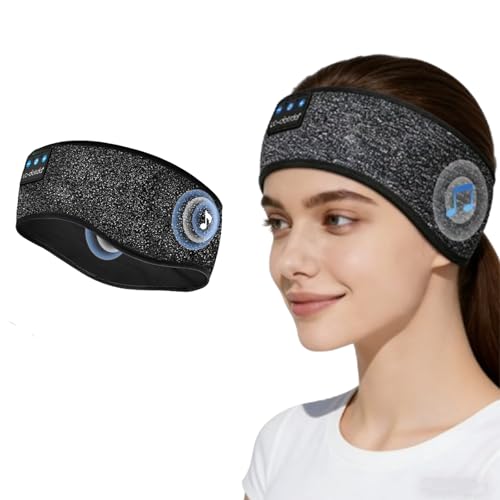
LC-dolida Sleep Headphones Bluetooth 5.4 (Jet)

OutdoorMaster Ski Helmet Drop-in Headphones Wireless Bluetooth 5.3
PSIER Bone Conduction Headphones Bluetooth 6.0 Open Ear (Green)

PSIER Bone Conduction Ear Buds Bluetooth 6.0 Open Ear

Motorcycle Bluetooth Headset Speaker Skiing Earphone Waterproof Helmet Headset

KONNECT Wireless in-Helmet Adventure Headphone

Joy Open-Ear Headphones Wireless Bluetooth 5.4 Earbuds
More Details On Our Top Picks
That soft headband shape makes more sense on a travel day than a rigid earcup design. For skiing, it can work under lighter headwear or during downtime at the lodge, though it’s not the first choice for hard helmet use.
The appeal is straightforward: you get a low-bulk band that sits closer to the head than chunky over-ear sets. The trade-off is obvious too, since the flat profile usually favors comfort and convenience over a locked-in, mountain-grade fit.
Strong Points
- Soft band format keeps bulk low.
- Bluetooth 5.4 suits cordless listening around the cabin.
- Ink color looks understated and easy to wear.
- Works well for winding down after skiing.
Things To Consider
- Headband styles usually matter more off-helmet than inside a tight ski lid.
- Cleaning the fabric wrap takes a little care.
Feature Snapshot
Who It Suits Best
Casual skiers and lodge loungers who want soft, simple audio with minimal fuss will get the most out of it.
A Better Fit Elsewhere
OutdoorMaster Ski Helmet Drop-in Headphones Wireless Bluetooth 5.3 suits helmet-first skiers far better, especially when you want sound built directly into the lid.
Jet black gives this version a cleaner, more neutral look than the Ink color above. That matters for anyone packing light and using the same gear from hotel room to shuttle ride, because it blends into the routine without asking for attention.
The listed return flow also suggests a standard marketplace listing, which is useful to know for simple ownership rather than styling flair. The real draw stays the same as Item 1, soft headband comfort, but this finish will feel a touch more understated.
What We Like
- Muted Jet color feels easy to pair with winter layers.
- Headband format stays light for travel and resting periods.
- Bluetooth 5.4 keeps it current for cordless use.
- Good fit for relaxed listening after a ski session.
Room For Improvement
- Soft-band headphones are less convincing inside a tightly fitted helmet.
- The fabric body may need regular spot cleaning.
- Its best use stays more off-slope than on-slope.
Core Details
Built With In Mind
Travelers and après-ski listeners who want a soft, dark-colored headband for relaxed use will appreciate this one.
Another Choice May Suit
KONNECT Wireless in-Helmet Adventure Headphone makes more sense for riders who want purpose-built helmet audio across snow sports and motor sports alike.
Helmet-insert audio is the cleanest route for serious ski days, and this OutdoorMaster model is built around that idea. Compared with the soft-band LC-dolida picks, it gives you a more integrated setup that feels closer to dedicated sport gear.
The big button is the detail that stands out for gloved use, where tiny controls become annoying fast. Ten hours of working time also suits long resort days, though the real value depends on how well your helmet supports audio-ready inserts.
Positives
- Drop-in speaker style keeps the setup streamlined.
- Big button control helps with gloves on.
- 10-hour working time fits long ski days.
- Bluetooth 5.3 keeps pairing cordless and current.
- Better match for audio-ready helmets than soft headbands.
Honest Caveats
- Works best in helmets that already support audio inserts.
- Helmet installation takes a bit more attention than a band-style option.
Details At A Glance
Right Fit For
Skiers who already use an audio-ready helmet and want direct speaker integration will get the most from this pick.
Where Another Pick Shines
PSIER Bone Conduction Headphones Bluetooth 6.0 Open Ear is the better match for workouts and off-slope training, since it keeps the ear area more open.
Bone conduction sends audio through the bones around your cheek and jaw instead of sealing the ear canal, so the open-ear feel stays intact. That makes this PSIER pair a smart choice for mixed winter use, especially when you want awareness on a lodge walk or trail approach without stuffing something deep into your ears.
The 23-gram weight is the kind of detail you notice over longer wear, because lighter gear tends to fade into the background. Its IPX5 water resistance and 10-hour playtime round it out as a practical training companion, though it still depends on a secure fit around the head.
Bright Spots
- Open-ear structure keeps surroundings easier to hear.
- 23g weight supports long, low-fatigue wear.
- IPX5 rating helps with sweat and light moisture exposure.
- 10-hour runtime suits day-long use away from a charger.
- Mic support adds flexibility for calls outside ski mode.
Softer Spots
- Bone conduction sound usually feels different from sealed earbuds.
- Open-ear fit can feel less insulated in windy conditions.
- The green finish is practical, though not subtle for every wardrobe.
Core Details
Whose Shelf It Belongs On
Active skiers who also train, hike, or commute on foot will appreciate the open-ear comfort and lightweight feel.
Skip It When
PSIER Bone Conduction Ear Buds Bluetooth 6.0 Open Ear makes more sense for you if you want a simpler open-ear shape with less emphasis on the cheekbone-style fit.
This version trims the idea down to a simpler open-ear earbud shape, which can feel easier to live with than a larger headset. For skiing weekends that mix driving, lunch stops, and a little walking around town, that lighter format is often the more convenient call.
Bone conduction still keeps the sound path off the ear canal, so you get that awareness-friendly layout without a bulky shell. The honest read is that it suits casual use better than fully immersive listening, which makes the value story more about comfort and simplicity than drama.
Highlights
- Open-ear format suits awareness-minded use.
- Simpler shape can be easier to stash in a jacket pocket.
- Bluetooth 6.0 keeps the wireless side current.
- 10-hour playtime works for most day outings.
Points To Note
- The open design brings less isolation than closed earbuds.
- Best results usually come from a secure, stable fit.
At A Glance
The Right Fit
Casual skiers who want a simpler open-ear setup for errands, travel, and easy workouts will get the most use from this pair.
Where Shoppers Go Wrong
OutdoorMaster Ski Helmet Drop-in Headphones Wireless Bluetooth 5.3 is the better choice for helmet-mounted audio, since this PSIER model does not center the same in-helmet use case.
This one leans hard into helmet use, which makes sense for skiers who split time between snow, motos, and other hard-shell gear. The ultra-thin build is the kind of detail that helps keep things less intrusive inside a helmet lining.
Noise cancellation is listed, and while real-world results always depend on the shell and fit around it, that feature can matter during windy rides or louder runs down the mountain. You may find it most useful as a crossover pick rather than a pure ski specialist, especially since the title points to all-helmet compatibility.
Upsides
- Helmet-focused design suits shell-based wear.
- Ultra-thin profile should sit neatly inside many setups.
- Waterproof build language suggests outdoor readiness.
- Noise cancellation adds appeal for louder conditions.
Minor Gripes
- Helmet fit still depends on your liner space.
- It reads more like a crossover headset than a ski-only specialist.
- No runtime or wireless version is provided in the source data.
Feature Rundown
Made For
Riders who divide time among skiing, snowmobiling, and motorcycle helmets will get the best match here.
Look Elsewhere When
OutdoorMaster Ski Helmet Drop-in Headphones Wireless Bluetooth 5.3 is the cleaner ski-first option for someone who wants a more clearly defined snow-sport setup.
The KONNECT model reads like the most adventure-minded item in the group, built for a spread of sports rather than one narrow niche. That wider remit helps you keep one headset in rotation across skis, boards, snowmobiles, and other helmet-based gear.
It’s also the kind of pick that suits someone who wants fewer category headaches and more one-setup convenience. The trade-off is simple, broad compatibility can be useful, but it also means you should pay close attention to how your own helmet lining and ear pocket are shaped.
Reasons To Buy
- Wide sports list makes it versatile.
- Helps reduce the need for separate helmet audio setups.
- Good fit for multi-sport households or gear closets.
- Adventure focus matches snow and off-road use.
Small Caveats
- Compatibility still depends on your exact helmet shape.
- Feature detail is lighter than some newer rivals.
Technical Sheet
Who Should Grab It
Skiers who also ride snowmobiles or other helmet sports will appreciate the broad sports coverage.
Where A Sibling Pick Shines
OutdoorMaster Ski Helmet Drop-in Headphones Wireless Bluetooth 5.3 is the tighter ski-focused option for someone who wants a more clearly defined mountain setup.
This Joy pair feels more like a modern everyday sport earbud than a ski-only accessory, and that’s useful in a roundup like this. Around-ear earhooks usually help with stability, which can matter during fast movement, windy walks, or a long travel day after the slopes.
The app EQ is the standout for tuning sound to your preference, and the 40-hour battery gives it a practical edge for people who keep a headset in rotation all week. The honest read is that it makes more sense as a general active-use pick than as a tight helmet insert, so the use case needs to be clear.
Best Bits
- App EQ lets you shape the sound.
- 40-hour battery suits long gaps between charges.
- Earhooks help keep the fit steady during movement.
- ENC call support adds everyday practicality outside ski use.
- IPX4 sweat resistance adds a useful layer for active routines.
Worth Noting
- Open-ear earbuds do not create the same sealed feel as closed designs.
- It’s more versatile for sports than for helmet insert use.
- IPX4 is better for sweat and light exposure than rough weather.
Spec Overview
Built For
Active commuters and workout regulars who want a flexible open-ear earbud with strong battery life will be happiest here.
Reach For A Different Pick
OutdoorMaster Ski Helmet Drop-in Headphones Wireless Bluetooth 5.3 is a better fit for skiers who want audio tucked directly into a helmet setup.
How To Choose The Right Headphones For Skiing
Fit Comes First
Helmet compatibility beats flashy feature lists in this category. A soft headband can feel great in a lodge, but a helmet insert or low-profile open-ear design usually makes more sense once you’re clipped in and moving.
Think about how your gear sits around the ears, not just how the product looks on a listing page. A thin speaker pod, earhook, or in-helmet driver tends to matter more than extra styling for ski days.
Comfort Under Winter Layers
Cold-weather layering changes the feel of everything on your head, including headphones. Bulky pads, high clamps, and hard edges become annoying once you add goggles, a beanie, or a helmet liner.
Lightweight builds, soft fabric bands, and open-ear shapes usually earn their keep here. They also reduce the chances of constant readjustment, which is about as useful as a snow shovel in the car trunk.
Controls You Can Use With Gloves
Glove-friendly control matters more than many shoppers expect. A big button is easier to trust on a chairlift than a tiny touch surface that wants bare fingers and patience.
For skiing, simple controls beat feature clutter. Volume, play, pause, and a clear pairing flow usually matter more than a long menu of extras.
Battery And Day-Long Use
Ski days stretch longer than a quick gym session, so battery life has to fit the whole outing. A model with modest runtime can still work for short sessions, but longer playtime brings less charging stress across a weekend.
That matters even more for multi-use gear that travels from car to slope to hotel room. You want enough reserve that the headset still has life after a full day of stop-and-go listening.
Before You Choose One
Common Shopping Slip Ups
Lots of ski shoppers focus on sound and ignore how the headset sits under a helmet. That usually leads to pressure points, awkward cable runs, or audio that gets in the way once the gear stack is complete.
Another common miss is choosing an earbud style that sounds fine indoors but feels unstable in motion. For this category, secure fit and easy controls usually matter more than glossy feature lists.
What The Higher Tier Buys
Higher-priced models often earn their place through helmet integration, better materials, and controls that are simpler to use with winter gloves. You’re also more likely to get stronger battery life or a more specialized design shape.
The upgrade makes sense for frequent skiers, snowmobile crossovers, and anyone who wants fewer compromises in cold weather. Casual lodge listening rarely needs that extra spend, though.
Frequently Asked Questions
Can You Use Headphones For Skiing Under A Helmet?
Yes, but the shape matters a lot. Low-profile open-ear models and helmet inserts usually fit better than bulky designs.
Are Bone Conduction Headphones Good For Skiing?
They can work well for awareness and comfort. Windy conditions and helmet fit still affect how satisfying they feel.
Do Ski Helmet Headphones Work With Any Helmet?
Not always. Audio-ready helmets and wider ear pockets usually make the cleanest match.
What Battery Life Makes Sense For Ski Days?
Longer runtime is the safer bet for full-day use. Short sessions can get by with less, but a weekend trip is easier with more reserve.
Should You Choose Open-Ear Or In-Ear For Skiing?
Open-ear designs usually make more sense for comfort and awareness. In-ear models can feel more sealed, but they may also clash more with helmets and winter layers.
Final Thoughts
You get the cleanest result in this category by matching the headphone shape to your helmet and how you actually ski. Soft headbands suit off-slope comfort, open-ear models help with awareness, and in-helmet speakers make the most sense for people who want a dedicated mountain setup. The right pick feels almost invisible once your layers are on, which is the whole point. Choose for fit first, then sound, and the rest tends to fall into place.