

Hunting gear has to do two jobs at once, and hearing protection is where that gets tricky. You need enough noise control for sharp reports, yet you still want to catch footsteps, brush movement, and a distant voice without stripping away the scene around you.
This roundup is for you if your days run from early-morning blinds to range practice and long sits in changing weather. The picks below cover over-ear protection, amplified models, and lighter ear-plug styles, so you can match the setup to your terrain, comfort needs, and pack space.
Quick Look At The Shortlist

Otis Technology EarShield Scout Hearing Protection 31dB

Floriogra Electronic Ear Protection for Shooting with 5X Sound Amplification

Pro Ears Stealth Series Electronic Noise Amplification Hearing Protection

Pro Ears Stealth Series Electronic Noise Amplification Hearing Protection

Digital Hearing Amplifiers Set of 2 Small BTE Sound Amplifiers

Sordin Pro-X Ear Muffs Active and Electronic Ear Defenders
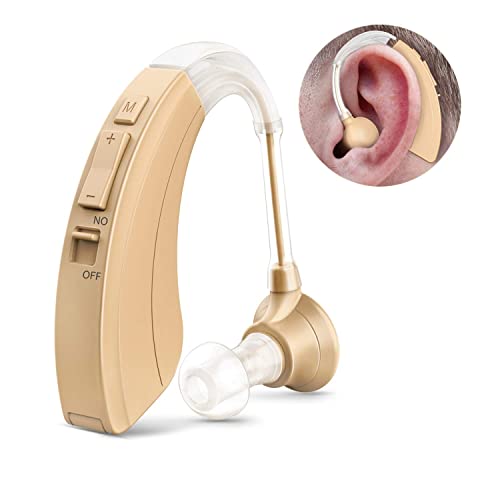
Hearing Aid for Seniors Noise Cancelling, 500 Hours Per Battery Life

GLORYFIRE Shooting Ear Protection Ear Plugs 26dB Noise Reduction
More Details On Our Top Picks
The Otis Technology EarShield Scout leans hard into blunt noise control, which suits range days and louder hunting setups. That 31dB rating points to a strong seal and a more serious buffer between your ears and sharp reports, though the trade-off usually shows up as a bulkier feel than slim plug-style options.
You’ll appreciate it most in a deer stand, on a busy range, or during long sessions where dependable coverage matters more than a feather-light fit. Compared with the lighter GLORYFIRE plugs lower in this list, this one gives you a more substantial over-ear setup and a simpler grab-and-go routine.
Strong Points
- 31dB rating suggests solid sound blocking for loud sessions.
- Over-ear format is easier to handle with gloved hands.
- Good match for repeated range use and field carry.
- Simple design keeps the ownership routine straightforward.
Points To Note
- Over-ear gear takes more pack space than compact plugs.
- Bulk can feel noticeable during longer sits.
- Needs routine wiping and careful storage to stay tidy.
Feature Snapshot
Who It Suits Best
You are the right fit for this one if you spend serious time around gunfire and want a straightforward over-ear shield with a strong rating.
A Better Fit Elsewhere
GLORYFIRE Shooting Ear Protection Ear Plugs 26dB Noise Reduction suits pack-light hunters who want a smaller profile and easier storage.
Floriogra takes a more active approach than the first pick, because it adds sound amplification rather than just leaning on passive coverage. The 5X amplification claim matters most during hunting or range work where you want voices and environmental cues to stay readable, though any amplified set asks for a little more attention to fit and battery habits.
For most open-field outings, that kind of hearing support feels more responsive than a plain muff, especially when you need situational awareness without giving up protection. The honest read is that it suits you best when you want a more hands-on electronic setup and can live with a little more complexity than the Otis model.
Highlights
- 5X amplification helps nearby sounds stay easier to catch.
- Active design suits field calls and range conversation.
- NRR 23dB keeps the focus on controlled listening.
- Good bridge between protection and awareness.
Room For Improvement
- Electronic gear usually asks more from batteries and upkeep.
- More controls can mean a learning curve at first.
Details At A Glance
Who Will Love This
You are likely to appreciate this set most if you want active hearing support for hunts, range time, or outdoor work where spoken cues still matter.
Skip It When
Otis Technology EarShield Scout Hearing Protection 31dB makes more sense for you when a simpler, more passive setup is easier to manage.
Pro Ears Stealth Series sits in a more serious lane than the Floriogra set, thanks to its sound compression approach. Sound compression means quieter background detail can pass through while sudden peaks get pulled down, which helps during unpredictable shot strings or changing field noise.
That makes this one a strong match for you if you want a more controlled listening experience on hunt days that don’t stay quiet for long. It feels like a steadier tool than the lighter amplification models, though the trade-off is that electronic systems add parts you’ll want to keep clean and dry.
Best Bits
- Sound compression suits sudden noise changes well.
- Electronic amplification helps preserve surrounding awareness.
- Good fit for hunting and range crossover use.
- More controlled feel than simpler amplified units.
Minor Gripes
- Electronic components call for a careful storage routine.
- More processing can mean a less bare-bones setup.
- Availability details may be less straightforward than newer listings.
Core Details
Perfect Match For
You fit this pick well if you split time between hunting setups and range practice and want a more controlled electronic feel.
Look Elsewhere When
Floriogra Electronic Ear Protection for Shooting with 5X Sound Amplification suits you better when you want a more open amplification style and simpler feature focus.
The second Pro Ears Stealth entry belongs here because it gives you the same broad family of electronic protection with its own place in the lineup. Compared with the B076KMKDFX model, this one looks like a sibling option for you who want the same hunting-and-shooting purpose but are comparing fit details or listing differences before choosing.
That makes sense for practical shoppers who want one reliable style and are sorting through which version fits their head shape, pack habits, or field routine. It is less about flashy change and more about choosing the right variation of a known platform, which can be the sensible route for long-term use.
Upsides
- Electronic amplification supports situational awareness.
- Sound compression helps with sudden noise spikes.
- Good crossover use for hunting and shooting.
Honest Caveats
- Two similar Pro Ears listings can make comparison slow.
- Electronic gear benefits from careful handling and storage.
Feature Rundown
The Right Fit
You suit this pick well if you want a familiar electronic protection style and are comparing versions rather than categories.
Another Choice May Suit
Pro Ears Stealth Series Electronic Noise Amplification Hearing Protection with ASIN B076KMKDFX fits better for you when you want the more clearly defined first Stealth listing in this roundup.
MEDca shifts away from field-first hearing protection and into a smaller behind-the-ear amplifier setup, so the use case changes right away. That BTE format, short for behind the ear, is usually chosen for lighter personal sound support, and the pair format makes sense for someone who wants a simple, wearable option rather than a full hunting shell.
Compared with the over-ear picks above, this one is less about range-day shielding and more about everyday amplification with a compact profile. The honest read is that it fits quieter outings, cabin use, or backup carry better than hard-noise hunting scenarios.
Reasons To Buy
- Small behind-the-ear design stays low profile.
- Set of two gives you a matched pair.
- Noise-reducing feature adds a practical buffer.
- Works well for lighter daily amplification needs.
Small Caveats
- Less suitable for heavy gunfire than dedicated outdoor protection.
- Smaller form factors can be easier to misplace.
- Personal amplifiers need routine cleaning and battery attention.
Technical Sheet
Who It Belongs On
You fit this one best if you want a compact personal amplifier for quieter settings and do not need a heavy-duty hunting shell.
Where A Sibling Pick Shines
Sordin Pro-X Ear Muffs – Active and Electronic Ear Defenders w/Camo Headband – Gel Pads suit you better for outdoor shooting days and broader hearing protection.
Sordin Pro-X feels aimed at hunters who spend enough time in the field to care about comfort as much as protection. The camo headband and gel pads are the tell here, because those details usually matter most during long sits, cool-weather outings, or any day where pressure points become hard to ignore.
Compared with the Pro Ears listings, this one reads as the comfort-first choice in the group, especially for you who value wearability across long sessions. The trade-off is simple enough, since a more refined fit usually brings a more specialized price position and a little less compactness than plug options.
What We Like
- Gel pads help long wear feel less tiring.
- Camo headband suits outdoor use neatly.
- Active and electronic design adds listening flexibility.
- Strong fit for long hunting sessions.
Areas To Watch
- Over-ear build takes more room in a pack.
- Comfort-focused models can cost more than basic muffs.
- Headband and pads benefit from regular wipe-downs.
Spec Overview
Built With In Mind
You are the right fit for this one if you stay in the field for long stretches and want a more comfortable over-ear setup.
Swap It Out When
GLORYFIRE Shooting Ear Protection Ear Plugs 26dB Noise Reduction makes more sense for you when compact carry matters more than cushioned comfort.
Kituwant is the most daily-use oriented pick in the list, and the 500-hour battery claim is the headline reason. That kind of runtime matters when you want fewer interruptions between charges or swaps, especially for long errands, home use, or steady wear in quieter settings.
The included cleaning brush is a practical touch, because small hearing devices tend to collect dust and earwax and benefit from regular care. Compared with the hunting-first muffs above, this one makes more sense for light amplification across ordinary routines than for loud outdoor recoil and sharp report management.
Bright Spots
- Very long stated battery life reduces daily upkeep.
- Adjustable volume helps you fine-tune the sound level.
- Cleaning brush supports a steadier care routine.
- Good match for routine, low-noise listening.
Softer Spots
- Made more for everyday amplification than heavy field noise.
- Small parts can take more care during storage.
- Battery-focused gear still needs periodic attention.
Core Details
Whose Shelf It Belongs On
You should gravitate to this one if you want a long-running everyday amplifier and prefer a simple maintenance routine.
Reach For A Different Pick When
Sordin Pro-X Ear Muffs – Active and Electronic Ear Defenders w/Camo Headband – Gel Pads are the better outdoor choice for you when hunting sessions call for more substantial ear coverage.
GLORYFIRE brings the most packable shape in this roundup, and that alone makes it stand out for travel or backup carry. The 26dB noise reduction rating gives you a clear baseline, while the sound pickup function is the part that matters most for hunters who want outside noise to stay readable without turning the gear into a wall.
Compared with the over-ear Otis and Sordin picks, this one is much easier to stash in a pocket or small pouch, which can be a real advantage during long walks or layered setups. It suits you best when low bulk matters and you still want a hearing-protection option for the range or the field.
Positives
- Ear plug format keeps bulk very low.
- 26dB rating gives a concrete noise-control target.
- Sound pickup helps preserve awareness of surroundings.
- Easy to tuck into a pouch or pocket.
Things To Consider
- Ear plugs can take more care to position well.
- Smaller parts are easier to misplace between outings.
Details At A Glance
Who Should Grab It
You are the best match for this pick if you want the smallest carry profile in the group and need a simple backup option for hunts or range days.
Look Elsewhere When
Otis Technology EarShield Scout Hearing Protection 31dB is the better fit for you when a fuller over-ear shield matters more than pocket-size carry.
How To Choose The Right Hearing Aids For Hunting
Start With The Sound You Need To Keep
Hunting gear needs to lower sharp reports while keeping useful noise readable. That balance is different for a tree stand, a duck blind, and a range bench, so the first step is deciding whether you need simple blocking, electronic amplification, or a mix of both.
Over-ear muffs usually suit louder environments and easier handling, while plugs stay lighter and travel well. Electronic models add situational awareness, which helps when you want voices, game movement, or range commands to stay audible.
Fit And Wear Time Matter More Than Fancy Labels
Comfort decides whether you keep the gear on for the whole outing. Gel pads, headband shape, behind-the-ear form, and bulk all affect how a set feels after an hour, not just during the first five minutes.
You’ll notice the difference most on long sits or cold-weather hunts, where pressure points and weight become more annoying than the spec sheet suggests. A lighter plug or compact amplifier can beat a more complex setup for all-day carry.
Look At Maintenance Before You Head Out
Battery-powered models bring more convenience, but they also ask for more care. Cleaning, dry storage, and battery checks matter, especially in damp conditions or dusty packs.
Simple passive protection has fewer moving parts, which can make it easier to live with during a busy season. That said, electronic units are often worth the extra attention when you want clearer awareness without giving up protection.
What To Weigh Before You Decide
Mistakes Worth Dodging
Many people focus on the loudest number and ignore fit. A strong rating helps only when the seal is right, and a poor fit can make even a serious set feel disappointing.
Another common slip-up is buying a bulky model for a small pack or a long walk-in hunt. Low-profile gear may look less serious, yet it often earns its place by being easier to wear all day.
The Case For Spending Up
Higher-tier models usually cost more because of comfort materials, electronics, and more careful build choices. Gel pads, sound compression, and cleaner amplification take more parts and design work than a basic passive shell.
The upgrade makes sense when you hunt often, spend long hours in the field, or want a more polished fit around glasses and headwear. For occasional use, a simpler pick often covers the need without adding complexity.
Frequently Asked Questions
Do hunting hearing aids need amplification?
Not always. Amplification helps when you want to hear conversation or movement while still lowering damaging noise.
Are ear muffs better than ear plugs for hunting?
Ear muffs usually feel easier to handle and often suit louder settings better. Ear plugs stay smaller and work well when packing space matters.
What does NRR mean?
NRR means Noise Reduction Rating, a lab-based number that gives you a rough sense of sound reduction. It helps comparison shopping, but fit still changes real-world results.
Can you wear hearing protection with glasses?
Yes, but the seal around the ear can feel less snug with thick frames. Softer pads and careful placement help a lot.
Which style works best for long hunts?
Comfort-focused over-ear models usually suit long sessions better than stiff or heavy designs. Compact plugs still make sense for backup carry and lighter days.
Closing Thoughts
The right choice depends on how you hunt, how long you stay out, and how much awareness you want to keep. Otis and Sordin lean into fuller protection, Floriogra and Pro Ears focus more on electronic awareness, and GLORYFIRE keeps things compact for easy carry. MEDca and Kituwant shift closer to everyday amplification, which can make sense outside hard-noise hunting. Pick the style that fits your routine, not just the number on the box.