
Cold-weather handwear gets tricky fast. You want warmth, but you also need fingers that can still work zippers, phone screens, tools, or a steering wheel without that clumsy mitten feel. This roundup focuses on gloves that lean toward dexterity first, then adds warmth, grip, and weather resistance where the listing supports it. That makes it useful for commuters, runners, skiers, shop work, and anyone who hates taking gloves off every five minutes.
Quick Look At Our Shortlist

YESWELDER Goatskin TIG Welding Gloves True-Fit XL

rivmount Winter Gloves Cold Weather Touch Screen Liner

HYLA Waterproof Wool Blend Gloves, Touchscreen, Non-Slip Grip

SHOWA TEMRES 282-02 Waterproof Insulated Winter Work Gloves

RefrigiWear Waterproof Abrasion Safety Glove

DULFINE Waterproof Winter Work Gloves Yellow M
Pixel Panda Waterproof 3M Thinsulate Ski Gloves

Aerynx Lightweight Running Winter Gloves Touch Screen Liners
More Details On Our Top Picks
Goatskin leather gives this pair a more serious work feel than the lighter liner gloves in this roundup. The close fit matters most around torches, clamps, and small hardware, where extra fabric gets in the way fast.
That trade-off also means you are choosing control over bulk, so it suits task work better than casual winter strolling. For shop use, the XL size is the main detail to check carefully, because fit drives comfort here.
Strong Points
- Top-grain goatskin usually feels less stiff than coarse work leather.
- The trim shape supports finger movement during detailed jobs.
- Leather palms tend to give a more secure hold on tools.
- Works well for welding tasks where control matters more than loft.
Points To Note
- It is a task glove first, so winter warmth stays secondary.
- Leather care takes a little more attention than fabric liners.
- The XL fit can feel too roomy for slimmer hands.
Feature Snapshot
Whose Shelf It Belongs On
You work with tools, wire, or metal and want a leather glove that keeps finger movement intact.
A Better Fit Elsewhere
Pixel Panda Waterproof 3M Thinsulate Ski Gloves suit you better for outdoor winter hours where insulation matters more than torch-side precision.
This pair leans into everyday movement rather than heavy-duty protection, which is why runners and cyclists often gravitate toward glove liners like this. The three-layer build points to a stronger barrier against cold air than a simple knit glove, without turning the hands into blocks.
The touch-screen fingertips are handy on a commute or trail stop, although a liner style always asks you to accept a little less insulation than bulkier snow gloves. For driving or brisk walks, that trade feels reasonable.
Bright Spots
- Three layers add structure without obvious bulk.
- Touch-screen use keeps you from pulling gloves off repeatedly.
- Lightweight feel suits active movement like cycling or jogging.
- Wind resistance helps in exposed streets and bike paths.
Small Caveats
- Thin liner gloves usually give up some deep-cold warmth.
- Close-fitting styles can feel snug on broader hands.
- Frequent outdoor use may call for gentler washing and drying.
Details At A Glance
Built With In Mind
You want a light glove for training, biking, or daily errands where dexterity stays high on the list.
Where A Sibling Pick Shines
SHOWA TEMRES 282-02 suits you better for wet snow or rougher winter chores, where a more sheltered build makes sense.
The wool blend and waterproof membrane put this glove in a useful middle ground for damp cold, where plain knit liners often feel too exposed. A snug fit helps finger work stay natural, which matters on keys, zippers, and bike controls.
Compared with rivmount’s lighter layering, this one looks more ready for wet weather and longer stop-and-go wear. The honest read is that snug gloves are great for control, but sizing gets important because too-tight fingers can feel cramped.
What We Like
- Waterproof and breathable construction suits mixed winter weather.
- Wool lining brings a softer feel than basic synthetics.
- Touchscreen fingertips keep phone checks quick and simple.
- Grip-focused palms help with steering wheels and handles.
Areas To Watch
- Snug gloves can feel restrictive on wider hands.
- Wool blend care may take more attention than plain fleece.
- Heavy storm conditions can still call for a thicker outer glove.
Core Details
Who Should Grab It
You move between damp sidewalks, errands, and short outdoor tasks and want one glove that stays nimble.
Look Elsewhere When
Pixel Panda Waterproof 3M Thinsulate Ski Gloves suit you better for deeper cold and longer time outdoors.
The TEMRES 282-02 sits closer to a true winter work glove than a casual cold-weather liner. The integrated drawstring gaiter, a cinch-style cuff that helps seal the wrist, makes sense for snow, slush, and tasks where you do not want drift sneaking inside.
Compared with YESWELDER’s leather control focus, this pair seems built for weather exposure first and hand finesse second. That makes it a smart fit for skiing, ice fishing, and winter jobs where moisture resistance matters as much as insulation.
Highlights
- Waterproof and insulated construction suits harsh winter conditions.
- Breathable polyurethane helps reduce the clammy feel many bulky gloves create.
- The drawstring gaiter gives extra wrist coverage.
- Thermal fleece lining adds comfort during long outdoor sessions.
- Good fit for snow sports and cold-weather utility work.
Worth Noting
- Heavier weather protection usually means less nimble finger movement.
- The cuff system adds convenience, but also more parts to manage.
- Drying takes a little planning after wet use.
Feature Rundown
The Right Fit
You spend real time in snow, ice, or wet winter conditions and need a glove that feels shelter-like without going full mitt.
Swap It Out When
Aerynx Lightweight Running Winter Gloves suit you better for fast-paced training where weight and breathing room matter more than full coverage.
This one reads like a straightforward jobsite glove, built for rough contact rather than delicate fingertip work. Waterproofing and abrasion resistance point toward use around wet surfaces, equipment, and repeated handling.
It lands between the leather precision of YESWELDER and the weather-heavy SHOWA pair, so it fits hands that spend time on mixed tasks. For warehouse work, outdoor chores, or winter cleanup, that kind of durability often matters more than a soft interior.
Upsides
- Waterproof construction helps in wet work settings.
- Abrasion resistance suits frequent contact with rough materials.
- Feels practical for labor, cleanup, and handling tools.
- Work-focused build tends to wear more predictably in daily use.
Honest Caveats
- Task-first gloves usually give up some warmth and softness.
- Work gloves can feel bulky for small, precise jobs.
- Regular grime means you will likely clean them often.
Spec Overview
Perfect Match For
You need a straightforward work glove for wet, rough, or dirty tasks where durability takes priority.
Another Choice May Suit
HYLA Waterproof Wool Blend Gloves suit you better for errands and casual winter wear where touchscreen use and softer comfort matter.
DULFINE keeps the formula simple, which is useful for chores that need grip, moisture resistance, and a quick phone check without removing your gloves. The bright yellow color also makes it easier to spot in a truck cab, garage bin, or packed tool bag.
Compared with RefrigiWear’s rougher work lean, this pair looks a little more multipurpose, especially for people who move between errands and light labor. You may find the M size most useful when you want a snug work glove without going all the way into a heavy insulated shell.
Reasons To Buy
- Waterproofing helps keep hands drier in damp conditions.
- Touchscreen capability adds convenience during daily tasks.
- High dexterity supports handling tools and hardware.
- Good grip helps with slippery or smooth surfaces.
- Multipurpose build works for a wide range of chores.
Minor Gripes
- Single-size listings can be tricky for hands outside the stated fit.
- Work-first gloves usually feel less cozy than soft winter liners.
- Light-colored or bright finishes may show dirt sooner in rough use.
Feature Card
Made For
You want one glove for everyday winter chores, mild work tasks, and quick errands.
Reach For A Different Pick When
SHOWA TEMRES 282-02 suits you better for deeper snow exposure and more weather-heavy outdoor sessions.
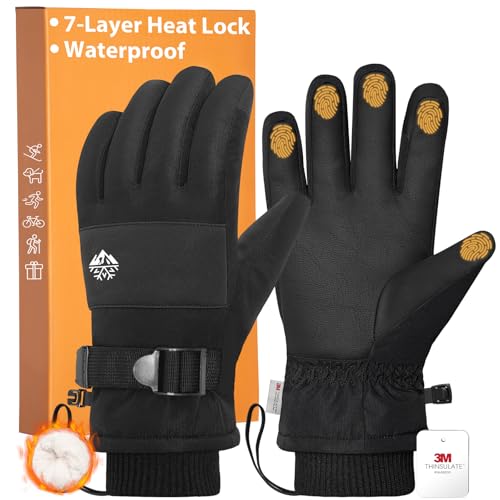
This is the warmest-looking option in the roundup, built around 3M Thinsulate insulation and a plush fleece lining. Thinsulate is a thin insulating material that traps warmth without adding as much bulk as some thicker fills, which matters when you still want fingers that can bend.
The waterproof shell and sealed construction make more sense than a simple liner for skiing, snow shoveling, or a long wait at a cold stop. The catch is that this much weather protection usually gives you a little less fingertip precision than the lighter running pair.
Best Bits
- 3M Thinsulate helps deliver stronger cold-weather insulation.
- Plush fleece lining adds a softer interior feel.
- Waterproof build supports snow, slush, and wet commutes.
- Good fit for skiing, boarding, and winter travel.
- Warmth-to-bulk balance is strong for a glove this protective.
Softer Spots
- More insulation usually means less nimble finger feel.
- Bulkier winter gloves can be harder to stash in a pocket.
- Drying after a wet day may take time.
Technical Sheet
Best Suited To
You spend serious time in cold, wet conditions and want warmth to stay high on the list.
Skip It When
Aerynx Lightweight Running Winter Gloves suit you better for speed work or training where a thinner feel helps more.
Aerynx is the lightest-feeling pick here, aimed at people who keep moving and hate bulky handwear. The listed size range, Men XS-S and Women S-M, tells you this is meant for a closer fit, which usually helps with dexterity during runs and bike rides.
Compared with Pixel Panda’s insulation-heavy ski glove, this one is for pace, not deep cold. For morning runs, indoor-outdoor errands, or quick rides, that lean profile can feel almost invisible, which is exactly the point.
Positives
- Lightweight feel suits fast movement and regular training.
- Touch-screen use helps during short pauses or route checks.
- Close fit supports better finger control than bulky winter gloves.
- Good option for layering under a shell in milder cold.
Room For Improvement
- Thin liners usually do not bring heavy insulation.
- Close sizing means hand shape matters quite a bit.
- Light gloves can show wear faster under rough use.
Core Details
Who Will Love This
You want a slim cold-weather glove for running, biking, or layering without much bulk.
Where Shoppers Go Wrong
SHOWA TEMRES 282-02 suits you better for stormy conditions, since this lighter style is not built for heavier weather.
How To Choose The Right High Dexterity Winter Gloves
Match Warmth To Your Actual Routine
Dexterity gloves fall into two broad camps: thin liners that keep finger feel high, and insulated pairs that trade a little movement for more warmth. Commuters and runners usually do better with lighter builds, while ski days, outdoor labor, and snow shoveling call for thicker insulation or waterproof shells.
The trick is to match the glove to the cold you actually face, not the weather you hope for. A glove that feels nimble in a car can still feel too thin on a windy platform or a frozen sidewalk.
Fit Beats Fabric Hype
Close fit matters because loose fingertips make it harder to grasp keys, pull zippers, or hold a steering wheel with confidence. Leather, wool blends, and synthetic shells can all work well, but the hand shape has to stay clean and controlled.
Too-tight gloves create their own problem, though, especially during long wear. Look for enough room to flex the knuckles without fighting the seams.
Touch Screens, Grip, And Moisture
Touch-screen fingertips sound minor until you use them every day, then they become a real convenience. Grip panels help more than most shoppers expect, especially on wet rails, bike handles, or tools with smooth coatings.
Waterproofing and breathability matter together. Waterproof keeps moisture out, while breathable construction helps reduce that damp, chilled feeling that can creep in during active use.
Choose By Use Case, Not Just Warmth
A welding glove, a running liner, and a ski glove all live in the same category, yet they solve very different problems. Work gloves usually favor abrasion resistance and palm protection, while winter sport gloves lean toward insulation, cuffs, and weather sealing.
That makes your routine the best filter. Your hands will tell you pretty quickly whether you need fine control, all-day cold protection, or something that sits in the middle.
What To Weigh Before You Decide
Common Shopping Slip Ups
A lot of glove regret starts with buying for the forecast instead of the task. A thick pair can be awkward for cycling or driving, while a thin liner can feel underbuilt for snow days and outdoor jobs.
Sizing mistakes are another easy miss. Short fingertips, loose palms, or overly snug wrists can turn a promising pick into a hassle pretty fast.
What The Higher Tier Buys
More expensive gloves usually spend their money on better materials, stronger seams, and more thoughtful weather control. In this category, that often shows up as insulation that stays lighter, waterproofing that feels less stiff, or cuffs that keep snow out more reliably.
The upgrade makes sense for long exposure, frequent use, or harsh conditions. For short errands and mild cold, a simpler pair often does the job without adding extra bulk.
Frequently Asked Questions
What makes high dexterity winter gloves different from regular winter gloves?
They are shaped to keep finger movement easier, so you can still work zippers, phones, or tools. Regular winter gloves often lean more toward warmth than precision.
Are touchscreen fingertips worth having?
Yes, for commuting, travel, and active outdoor use. They save you from stripping a glove off every time you check a map or message.
Do waterproof gloves always feel warmer?
Not always. Waterproofing keeps outside moisture out, but insulation and lining still do most of the warmth work.
Which style works best for outdoor work?
Work gloves with abrasion resistance and a secure grip usually make the most sense. Leather task gloves and waterproof safety gloves tend to handle rough use better than lightweight liners.
Can you use running liners for everyday errands?
Yes, especially in milder cold or around town. They feel lighter than ski gloves, so they suit quick trips and active movement better than long exposure.
Closing Thoughts
Your best match depends on how much cold, wet weather, and fingertip control you need to juggle at once. YESWELDER and RefrigiWear lean into task use, while rivmount, HYLA, and Aerynx focus more on everyday movement and lighter wear. SHOWA TEMRES 282-02 and Pixel Panda cover the colder, wetter end of the spectrum, where warmth and sealing matter more. Pick the pair that matches your routine first, and the rest usually falls into place.