

You’re probably here because fit matters more than hype. A harness that matches your build, your route style, and your comfort needs can make long sessions feel steadier and less distracting, whether you’re top-roping at the gym, spending a day on rock, or rigging for work at height.
This roundup keeps the focus on shape, adjustability, support, and use-case fit, so you can sort out which harness makes sense for your routine. Some of these picks lean into sport climbing ease, while others are built for chest support, full-body coverage, or child-sized adjustment.
Quick Look at the Shortlist

Notch Chester SRS Chest Harness 99443

PETZL MACCHU Kids’ Rock Climbing Harness

BLACK DIAMOND Momentum Rock Climbing Harness

HeeJo Half Body Climbing Harness
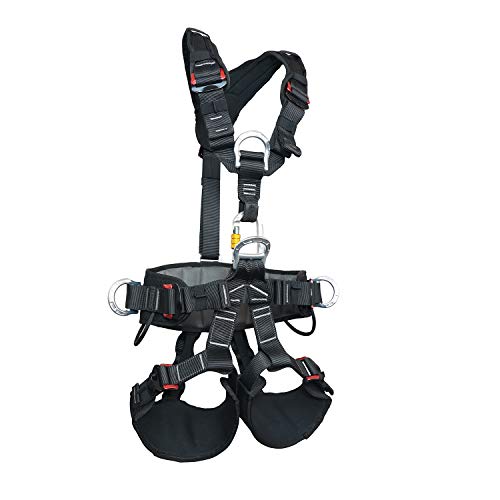
SOB Full Body Climbing Harness

PETZL Adjama Men’s Climbing Harness

Mammut 4 Slide Climbing Harness

Mammut 4 Slide Climbing Harness
More Details On Our Top Picks
This chest harness sits in a very different lane from the seat-style picks below, and that matters. It’s built from nylon webbing and sized for a 29 inch to 50 inch chest, so you’re looking at a support piece for SRT systems rather than a casual gym harness.
That makes it a good match for climbers who want a more secure upper-body connection during rope access or vertical work. The trade-off is obvious: it’s specialized, so it won’t replace a standard sit harness for most gym sessions or sport routes.
Strong Points
- Multiple attachment points help keep rope management more organized.
- Nylon webbing keeps the structure light and straightforward.
- The wide chest range gives you practical sizing flexibility.
- Good fit for SRT setups where chest support matters.
Things To Consider
- It’s a chest harness, so it needs to be paired with the right lower setup.
- Special-purpose gear like this can feel unnecessary for basic top-rope climbing.
- Webbing gear usually benefits from careful storage away from dirt and sharp edges.
Feature Snapshot
Built With In Mind
You’ll get the most from this harness during SRT work, rope access practice, and other vertical setups that call for a chest unit. It suits experienced users who already know their system and want a dedicated upper-body piece.
Where A Sibling Pick Shines
BLACK DIAMOND Momentum Rock Climbing Harness fits far better for gym climbers who want a simpler sit harness with less system complexity.
Compared with the chest-first Notch pick, this one is all about a seated fit for smaller climbers. The adjustment range is set for children under 40 kg, which keeps the focus on youth use rather than adult versatility.
That’s a real advantage for families who want something built around a child’s frame instead of forcing a larger harness to work. The honest read is that it’s purpose-specific, so it makes sense only for younger climbers who fit the weight limit.
Upsides
- Seat-style layout suits young climbers more naturally.
- Adjustable fit helps the harness stay useful as kids grow.
- Light, focused design avoids unnecessary bulk.
- Easy to sort into a family climbing kit.
Worth Noting
- The weight limit means it’s not a future-proof family carryall.
- It’s built for children, so it won’t suit adult users.
- Smaller harnesses can need more frequent fit checks as kids change size.
At A Glance
Who Will Love This
Families introducing a child to climbing will get the most value here, especially in a gym setting or on beginner routes. You’ll appreciate the straightforward sizing target more than broad versatility.
Skip It When
BLACK DIAMOND Momentum Rock Climbing Harness makes more sense for teens or adults who need an adjustable harness for regular session use.
After the child-specific PETZL MACCHU, this BLACK DIAMOND harness lands in the more familiar middle ground. The adjustable loops and XS waist range around 24 to 27 inches point to a compact fit that can suit smaller adults or teens.
That’s where it earns its place in a female climbing harness roundup, since many climbers want a simple sit harness with room to dial in the waist and leg setup. It won’t feel specialized or flashy, and that’s exactly why it works for gym regulars and newer climbers.
Highlights
- Adjustable loops make fine-tuning simpler.
- XS sizing gives smaller-framed climbers a useful starting point.
- Plain layout keeps the learning curve low.
- Good everyday option for indoor climbing sessions.
Small Caveats
- Only the XS waist range is provided here, so sizing choice is limited by the listed option.
- Less technical than a specialized chest or work harness.
- Basic harnesses like this usually reward careful buckle checks before each session.
Core Details
Perfect Match For
You’ll like this most as a straightforward gym harness or a first personal harness for a smaller build. It feels sensible for climbers who want fit control without a pile of extra features.
Another Choice May Suit
Mammut 4 Slide Climbing Harness is the better call for climbers who want a broader adjustable range and more shared-use flexibility.
This half-body design takes a very broad approach, which can be useful and slightly messy at the same time. The source copy points to double-back metal buckles and reinforced stitching, so the shape leans toward sturdier adjustment and everyday wear rather than minimalist sport use.
It’s aimed at beginners and casual users across climbing, tree work, zipline use, and other higher-up tasks, so the scope is wide. That flexibility can be handy, though the trade-off is that a multi-use harness rarely feels as dialed-in as a more focused climbing model.
Best Bits
- Double-back metal buckles support secure adjustment.
- Reinforced stitching adds reassurance for routine use.
- Wide use list makes it adaptable across activities.
- Simple setup suits first-time harness users.
Areas To Watch
- Broad use cases can mean less specialization for pure climbing.
- Beginners often need a few careful fit checks before heading up.
- More exposed hardware usually benefits from routine inspection and cleaning after muddy jobs.
Details At A Glance
Whose Shelf It Belongs On
This suits beginners, occasional climbers, and anyone who needs a multi-use harness for mixed outdoor tasks. It’s especially appealing for someone who values versatility over a technical sport-climbing feel.
Look Elsewhere When
PETZL Adjama Men’s Climbing Harness is the smarter move for climbers who want a more comfort-focused fit on longer climbing days.
Compared with the HeeJo half-body option, this one adds full-body coverage, which changes the feel right away. The thicker, widened waist support and inverted-use claim suggest a harness aimed at broader protection and steadier positioning during work-at-height tasks.
That can help in tree work, rock climbing, and mountaineering-style jobs where body support matters more than a stripped-down sport feel. The trade-off is that full-body harnesses can feel more involved to put on, so they suit users who value coverage over speed.
Plus Points
- Full-body layout spreads support beyond the waist.
- Thicker, widened waist section should feel more substantial.
- Useful for tree work and climbing tasks alike.
- Good fit for users who want extra upper-body security.
Room For Improvement
- Full-body styles take more time to put on correctly.
- More straps can mean more setup attention and storage tangle.
- It feels more task-oriented than a simple gym harness.
Quick Facts
Right Fit
Users who want more wraparound support for climbing or work positioning will get the most from this harness. It makes sense for someone who values coverage and stability over speed.
A Better Fit Elsewhere
BLACK DIAMOND Momentum Rock Climbing Harness is easier to live with for regular gym climbing and a simpler everyday routine.
This is the comfort-led option in the group, and the source details make that clear. The waistbelt and leg loops are tapered, meaning they narrow in a shaped way rather than staying boxy, and the smooth-seamed edges are there to reduce rough contact during longer wear.
For longer gym sessions or outdoor routes, that kind of shaping matters more than it does in a simple entry harness. It’s a sensible step up for climbers who know they’ll spend real time hanging in it, though it may feel like more harness than a casual weekend session requires.
Bright Spots
- Tapered waistbelt and leg loops support a closer fit.
- Smooth-seamed edges suit longer climbing days.
- 100% synthetic construction keeps material choice straightforward.
- Comfort focus helps during hanging belays and rest hangs.
Points To Note
- Comfort-focused harnesses often come with a bit more structure.
- May feel more specialized than a bare-bones starter harness.
- Synthetic gear still deserves dry storage after sweaty sessions.
Spec Overview
The Right Fit
Climbers who spend long stretches on rope or in the gym will appreciate the comfort shaping here. It suits anyone who wants a more polished harness than the basic starter lane.
Where A Sibling Pick Shines
BLACK DIAMOND Momentum Rock Climbing Harness is the simpler choice for smaller-framed climbers who want a more compact and less structured setup.
After the comfort-first PETZL Adjama, this Mammut option feels more adaptable than specialized. The X-Small to Medium range suggests a broader fit window, which is useful for climbers who want one harness to cover more than one body type or layering setup.
That flexibility makes it appealing for shared gear, rental-style situations, or a climber whose fit needs may shift through the season. It’s not the most specific pick in the group, but sometimes a broad adjustment range is the more practical answer.
Reasons To Buy
- X-Small to Medium sizing gives you more fit flexibility.
- Broad range works well for shared or changing use.
- Clean layout keeps the harness approachable.
- Good option for climbers who want one versatile piece.
Softer Spots
- Broader fit range can mean less fine-tuned personal shaping.
- Shared-use gear benefits from regular buckle and strap checks.
- For a very small frame, a narrower dedicated size may feel more exact.
Feature Rundown
Who Should Grab It
You’ll like this if you want a single harness with room to adapt across indoor and outdoor use. It works well for climbers who value flexibility over a tightly specialized shape.
Another Choice May Suit
BLACK DIAMOND Momentum Rock Climbing Harness is the better fit for climbers who need a narrower XS waist range and a more compact profile.
This second Mammut entry is close to the prior one in name, but the listing status changes the practical story. You’re looking at the same broad 4 Slide platform, with the added note that this ASIN is currently unavailable on the source page, so the main value here is as a reference point.
That makes it a useful comparison for shoppers who like the model family but need to see what’s actually obtainable. The honest read is that the shape may appeal for general climbing use, yet availability can steer you toward the sister listing first.
Standout Traits
- Same broad 4 Slide family as the other Mammut listing.
- Useful as a fallback reference for the model line.
- Good starting point for comparing fit options.
Minor Gripes
- The listing notes that it’s currently unavailable.
- That makes it harder to treat as a straightforward purchase target.
- Model overlap with the sibling listing can cause confusion at first glance.
Key Specs
Who It Suits Best
This is mainly for climbers tracking the Mammut 4 Slide line and comparing listing availability, not for someone who needs a ready-to-go purchase today.
Where To Look Instead
Mammut 4 Slide Climbing Harness in the X-Small to Medium listing is the better practical fit for shoppers who want the same family with clearer current availability.
How To Choose The Right Female Climbing Harnesses
Fit Comes First
Harness fit is the part that can make or break your session. Waist sizing, leg-loop shape, and how the harness sits when you hang in it all matter more than a flashy feature list. A women-oriented or smaller-frame-friendly harness often helps by aligning better with narrower waists, shorter torsos, or hip shape, though a well-sized unisex model can work just fine too.
Look at the listed range, then think about what happens when you add layers, bend at the waist, or spend time resting on rope. A harness that feels tidy standing still can shift around once body weight loads it. That’s why fit should feel secure without turning your hips into a vise.
Match The Harness To The Kind Of Climbing You Do
Sport climbers, gym climbers, and top-rope users usually want a simple sit harness with enough comfort for repeated hangs. Chest harnesses and full-body designs fit a different lane, mainly rope systems, work positioning, or situations where extra upper-body support matters.
The Notch and SOB picks show that difference clearly. They can make sense for vertical work or specialized rope use, but they’re not the same kind of everyday gym companion as the BLACK DIAMOND Momentum or the PETZL Adjama.
Comfort Details Add Up Over Time
Padding is helpful, but shape does most of the real work. Tapered waistbelts, smooth-seamed edges, and wider support zones tend to feel easier during long sessions, hanging belays, or belay-duty days.
That’s where the PETZL Adjama stands out, since its tapering and seam finish are geared toward longer wear. For shorter sessions, a simpler harness may feel perfectly fine and keep your kit lighter and less fussy.
Think About Adjustability And Sharing
Adjustable loops and broader fit ranges help a harness stay useful through seasonal layers, family use, or shared gear setups. Wider adjustment can be a little less dialed for one exact body shape, though that trade-off often makes sense for mixed use.
The Mammut 4 Slide line leans in that direction, while the PETZL MACCHU stays tightly focused on children under 40 kg. Choose the one that matches your actual routine, not just the size chart at a glance.
Things Worth Knowing First
Hidden Buying Traps
One common mistake is matching the harness to the wrong activity. A chest harness or full-body design looks supportive, but it can feel awkward for ordinary gym climbing where a standard sit harness is easier to live with.
Another slip is ignoring the size window. Waist range, chest range, and weight limit each tell you something different, so a close look at the listed numbers saves you from a loose or cramped fit.
What The Higher Tier Buys
More expensive climbing harnesses usually pay for shaped webbing, better edge finishing, and more thoughtful support zones. Those details matter most on longer climbs, repeated hanging, or days when your harness stays on for hours instead of minutes.
In this group, the PETZL Adjama is the clearest example of that comfort-first approach. A basic harness can still be the smarter choice for short gym sessions, so the upgrade only pays off when comfort time is part of your routine.
Frequently Asked Questions
What size matters most in a climbing harness?
Waist fit matters first, then leg-loop shape and rise. A harness should stay centered and secure without sliding or digging hard into your body.
Are chest harnesses a good choice for regular gym climbing?
Usually not. Chest harnesses make more sense for rope systems, SRT work, or situations where upper-body support matters more than comfort for standard gym routes.
What makes a harness better for longer sessions?
Tapered waistbelts, smoother seam finish, and well-shaped leg loops often help. Those details can make hanging rests and belay time feel less distracting.
Can a child use an adult climbing harness?
Not as a shortcut. A child-specific harness, like the PETZL MACCHU, gives you a fit designed around smaller bodies and clearer size limits.
Why would you choose a broader adjustable harness?
Broader adjustment works well for shared gear, layering changes, or mixed use across seasons. The trade-off is that the fit may feel less exact than a size-specific model.
Closing Thoughts
The right harness should feel like part of your movement, not a distraction hanging off your waist. For smaller-framed climbers, younger users, and anyone with a very specific use case, the details in this list matter more than brand familiarity. The BLACK DIAMOND Momentum, PETZL Adjama, and Mammut 4 Slide each solve a different problem, which is the real reason this category rewards a careful look. Pick for your body, your route style, and your season of use, and the rest gets much easier.