
Fire-starting gear looks simple until you need it in wind, cold hands, or fading daylight. This roundup brings together piston tools, ferro rods, tinder sticks, matches, and a log grabber that support the same real goal, getting a usable fire going with less fuss. Some picks suit backup kits, while others fit camp teaching, bushcraft practice, or easier firewood handling around a stove. You’ll see where each one shines, where it asks a little more from you, and which kind of setup it fits best.
Quick Look At Our Shortlist
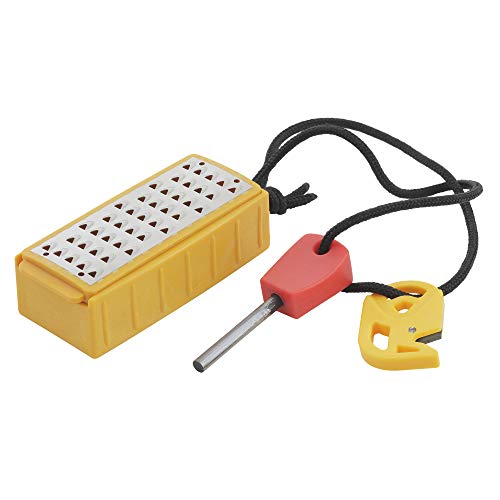
Smith’s 50562 Pack Pal Tinder Maker

Procamptek Fast Fire Stick

Ferro Rod Fire Starter with Striker

ESEE Fire Steel Survival Fire Starter

Metal Fire Piston Educational Campers/Survival/Preppers Scientific Lesson

KABIN Fire Tong Log Grabber 38″
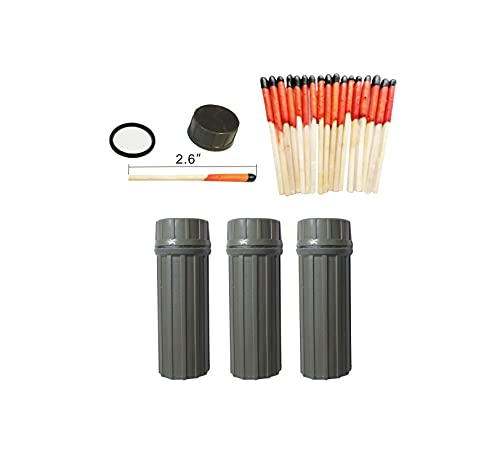
eGreen 20-100 Windproof Stormproof Matches
More Details On Our Top Picks
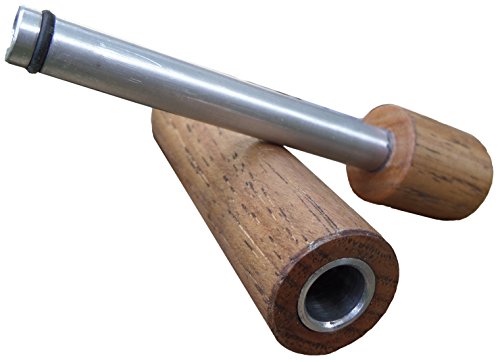
The Hickory Fire Piston leans into old-school fire starting, with a design that uses compressed air to help create ignition. That makes it interesting for you if you like backup tools that do one job in a very direct way, especially in a survival kit or camp demo setup. Since it’s made in the U.S.A., it also has a straightforward, no-frills feel that suits practical packing.
The trade-off is that fire pistons ask for more technique than a ferro rod or storm match, so this fits patient hands better than hurried ones. Compared with the Procamptek Fast Fire Stick, it’s less about easy tinder lighting and more about learning a classic mechanical method. The honest read is that it makes sense for you as a secondary tool, not the only tool in your pouch.
Strong Points
- Air-compression design gives you a classic fire-starting method.
- Made in the U.S.A. adds appeal for some kit builders.
- Works well as a backup piece in a broader camp setup.
- Compact enough for survival storage without crowding other gear.
Things To Consider
- Fire pistons take practice, so the learning curve is real.
- It’s less forgiving than spark-based starters in rough weather.
- You’ll want to keep the seal and cylinder clean for smooth movement.
Feature Snapshot
Who It Suits Best
It suits campers, survival hobbyists, and tinkerers who enjoy a hands-on fire-starting method.
Where A Sibling Pick Shines
Smith’s 50562 Pack Pal Tinder Maker suits you better for faster tinder prep and lighter everyday carry.
This one is built around making tinder more usable, which matters any time your kindling is damp or your fire prep needs a little help. The stainless steel grater-style surface gives you a compact way to create finer tinder from natural material, and the included striker keeps the package self-contained. For day hikes, glove-box kits, or a small pack, that kind of all-in-one layout feels tidy.
Compared with the Hickory Fire Piston, this is far easier to understand on day one, though it still asks you to gather decent tinder. Yellow helps it stand out in a pack, which is nice when gear tends to sink to the bottom of a bag. You may find it more useful as a prep tool than as a full fire solution, and that’s fine for lightweight carry.
Highlights
- Grater-style stainless steel body keeps the tool compact.
- Includes a striker, so you’re not piecing together extras.
- Useful for turning natural tinder into finer material.
- Bright yellow finish makes it easier to spot in a pack.
Room For Improvement
- You still need workable natural tinder nearby.
- Small tools are easy to misplace without organized storage.
- The grating step adds another task before ignition.
Core Details
Made For
It suits hikers, car campers, and beginners who want a compact tinder-making tool.
Another Choice May Suit
eGreen 20-100 Windproof Stormproof Matches work better for you if you want the simplest grab-and-use fire-starting option.
Procamptek’s Fast Fire Stick is built around tinder first, which makes it a friendlier option than a piston for quick camp use. The fat rope stick format is easy to understand, and the waterproof, non-toxic claims point toward a piece you can keep in emergency bags without much fuss. That kind of direct design tends to suit people who want one item to support campfires, hiking kits, or bushcraft bags.
Compared with Smith’s tinder maker, this one arrives as ready-to-use fire-starting material instead of a prep tool. The trade-off is that you still need the right spark or flame source to get it going, so it’s part of the chain rather than the whole chain. In most backpacks, that’s a practical compromise, especially for people who want low drama on a cold evening.
Positives
- Rope-stick format is straightforward to carry and use.
- Waterproof build language points to better field confidence.
- Non-toxic tinder material is easier to store with other gear.
- Fits emergency kits, hike bags, and camp boxes neatly.
Minor Gripes
- You still need a separate ignition source.
- The rope format can be used up gradually, so storage planning matters.
- It’s more of a consumable tinder tool than a long-term striker.
Details At A Glance
Best Suited To
It suits campers and emergency-kit planners who want a simple tinder piece ready to pair with another ignition source.
Look Elsewhere When
Hickory Fire Piston fits you better if you want a mechanical fire-starting tool instead of prepared tinder.
This ferro rod setup is the most straightforward spark-first option in the group, and the 6-inch by 3/8-inch size gives you a good amount of rod to work with. Ferro rod means ferrocerium rod, a spark-producing alloy stick that sheds hot sparks when scraped with steel, and that matters because it’s easier to use in changing weather than a delicate spark source. For bushcraft, practice sessions, or a kit you expect to use often, the shape and included striker make the process feel orderly.
Unlike the Hickory Fire Piston, there’s no compression step to learn, so you’re dealing with a more familiar scrape-and-spark routine. The stated 20,000-plus strikes claim points to long service life, though the real payoff for you is simple, repeated use rather than one-off drama. The honest read is that this suits people who want a practical workhorse, not a novelty.
Bright Spots
- Large rod size gives you a comfortable striking surface.
- Included striker keeps the setup simple.
- Hot spark output supports ignition in rough outdoor conditions.
- Strong fit for repeat camp use and skill practice.
Worth Noting
- You’ll need dry tinder to get the most from it.
- Ferro rods shed residue, so occasional cleanup helps.
- Learning the best strike angle takes a little patience.
Quick Facts
Right Fit For
It suits bushcrafters, campers, and hikers who want a reliable spark tool with a comfortable rod size.
A Better Fit Elsewhere
ESEE Fire Steel Survival Fire Starter makes more sense for you if you want a simpler steel-striker setup without the larger rod format.
The ESEE Fire Steel keeps the focus on the basics, and that clarity is part of its appeal. Rather than wrapping itself in extra pieces, it points you toward a direct steel-and-spark approach that fits minimalist kits and field pockets with limited room. For you, that means less clutter and a tool that makes sense in everyday carry or a pared-down survival pouch.
Compared with the larger ferro rod from Hkoper, this one reads as a simpler, more stripped-down option. The trade-off is that you won’t get the same built-in sense of size or extra reach, so it’s better for compact loadouts than for gloves-on, heavy-use comfort. The honest read is that it rewards anyone who prefers plain, durable gear over feature stacking.
Upsides
- Simple steel starter format keeps the kit lean.
- Works well in compact survival setups.
- Easy to understand for basic spark ignition practice.
- Pairs well with pocket tinder and small carry bags.
Points To Note
- It offers fewer extras than some larger starter kits.
- Dry tinder still matters a lot here.
- Minimalist tools can be easy to overlook in larger bags.
Feature Card
Whose Shelf It Belongs On
It suits minimalist campers, EDC packers, and survival hobbyists who want a plain spark tool.
Swap It Out When
Procamptek Fast Fire Stick suits you better if you want prepared tinder instead of a bare-bones striker tool.
PSKOOK’s metal fire piston is the most teaching-oriented piece in the list, and that makes it interesting beyond simple camp use. A fire piston compresses air in a cylinder so quickly that the trapped air heats enough to help ignite tinder, which is a neat way to show pressure and ignition in one tool. For homeschool lessons, scout demos, or curious prepper kits, that hands-on angle gives it a clear role.
Compared with Hickory Fire Piston, this one leans more educational than backup-ready in feel, though both serve the same broad fire-starting category. The trade-off is patience, because a piston works best when the parts are kept aligned and the technique stays steady. You may find it more rewarding as a learning tool than as your fastest campfire answer.
Best Bits
- Educational focus makes it useful for demos and lessons.
- Metal construction gives it a solid, purposeful feel.
- Good conversation piece for survival classrooms or hobby kits.
- Teaches the physics behind compressed-air ignition clearly.
Small Caveats
- Fire piston use takes practice and steady technique.
- Not the quickest route for rushed camp setups.
- Keeping the moving parts clean helps the mechanism stay smooth.
Technical Sheet
Who Should Grab It
It suits teachers, hobbyists, and hands-on campers who want to explore how air-compression fire starting works.
Where Another Pick Fits Better
Hkoper’s Ferro Rod Fire Starter with Striker suits you better for quicker, more familiar spark-based use in the field.
This isn’t a fire starter in the narrow sense, but it belongs in the same conversation because good fire handling matters once the flame is going. The 38-inch reach gives you distance between your hands and the heat, which is helpful at a fireplace, firepit, or camp setup where you’d rather not lean in too close. For regular home use or outdoor gatherings, that extra length can feel like a calm, practical buffer.
Compared with the ignition tools above, this one is about control and movement, not sparks or tinder. The claw-style grabber helps you reposition logs without grabbing with bare hands, though you’ll still want to store it somewhere dry and easy to reach. That makes it a sensible add-on for anyone who already has ignition covered and wants easier fire tending.
What We Like
- Long 38-inch reach keeps your hands farther from heat.
- Works for fireplaces, campfires, and firepits.
- Claw style helps you move logs with more control.
- Useful companion piece once fire-starting gear is already sorted.
Areas To Watch
- It doesn’t start fires, so it’s an add-on rather than a starter.
- Long tools need a little more storage room.
- Metal contact points may need occasional wiping after ash exposure.
Spec Overview
Built With In Mind
It suits homeowners, cabin users, and campers who want easier log handling around an active fire.
Reach For A Different Pick When
ESEE Fire Steel Survival Fire Starter suits you better if you need an actual ignition tool instead of a fire-tending grabber.
These matches are the easiest item in the group to understand, which is part of the appeal. Each match is 2.6 inches long and burns for 5 to 10 seconds, so you get a short window of usable flame before you need to move to tinder or kindling. For camping boxes, emergency bags, and a spare drawer by the back door, that straightforward format is reassuring.
Compared with a fire piston or ferro rod, this is the least technical route to ignition, and that matters on a cold night or in a rushed setup. The rope options extend the package for longer-term storage and field planning, so you can set it up to match your kit style. The catch is obvious: matches are simple, but they still need dry storage and sensible handling.
Reasons To Buy
- Simple match format keeps the learning curve low.
- Short burn window is clear and easy to plan around.
- Windproof and stormproof design language suits rough conditions.
- Waterproof cases and rope options add storage flexibility.
Soft Spots
- Matches are consumable, so replacement planning matters.
- You still need tinder ready before the flame fades.
- Storage discipline matters more here than with metal tools.
Feature Rundown
The Right Fit
It suits campers, emergency-kit planners, and beginners who want the simplest ignition path.
Skip It When
Procamptek Fast Fire Stick suits you better if you want tinder that pairs with a separate spark source instead of standalone matches.
How To Choose The Right Fire Pistons
Start With The Kind Of Fire Job You Actually Have
A fire piston is a teaching tool, a backup tool, or a conversation piece depending on how you plan to use it. For camp practice and skill-building, the mechanical compression method is part of the point, while for grab-and-go use, spark rods or storm matches tend to feel easier. Think about whether you want the tool to start a fire, help you learn a process, or simply sit in a survival pouch.
Material and size matter here because a smaller piston can be easier to store, while a larger spark rod gives you more room to work. That’s why the Hickory Fire Piston and PSKOOK metal piston speak to different kinds of shoppers, even though both sit in the same broad category. The right choice matches your patience level as much as your pack space.
Match The Starter To Your Environment
Damp ground, windy campsites, and cold fingers all change what feels practical. Ferro rods and stormproof matches are easier to deploy fast, while tinder sticks help you bridge the gap between flame and kindling. A piston can still be useful, but it usually rewards steady hands and a dry, deliberate setup.
For car camping, you can carry a little more bulk without much trouble, so an extra-long striker or a dedicated tinder option makes sense. For day hikes or slim emergency kits, compact pieces like the ESEE Fire Steel or Smith’s Pack Pal are easier to keep close. The environment decides how much convenience you need.
Think About Technique, Not Just Gear
Some tools ask for practice, and that’s not a flaw so much as a category trait. A fire piston and a ferro rod both work best when you already know how to prepare dry tinder, manage pressure, or angle a strike. If you want a low-learning option, matches are the plainest path.
For people building bushcraft skills, the learning curve is part of the value because it teaches tinder prep, hand control, and patience. For a household emergency drawer, simplicity usually wins because anyone can understand it fast. You’ll get more out of the tool when its method fits your comfort level.
Don’t Ignore The Job After Ignition
Starting flame is only half the story, because moving logs, feeding a campfire, and handling hot wood all matter too. That’s where the KABIN log grabber earns its place, since long reach can make tending easier around a fireplace or outdoor pit. A complete fire setup often includes both ignition and handling tools.
Storage and maintenance matter as well. Metal tools need occasional cleaning, consumables need dry packaging, and any moving piece works better when you keep grit out of the mechanism. Small habits like that help the gear stay ready instead of becoming something you have to dig out and fix first.
A Quick Reality Check Before You Decide
Wrong Turns To Avoid
Many shoppers focus on the spark source and forget the tinder, which leaves them with a tool but no usable fire plan. Another common slip-up is choosing a piston when they really want quick ignition without a learning curve. You’ll save frustration by pairing the tool with the kind of fire prep you already use.
Storage mistakes matter too, especially with matches and tinder sticks. Damp pockets, loose pack corners, and cluttered bins can turn a useful item into a hassle. A dry pouch or small organizer solves more problems than people expect.
The Upgrade Payoff
Higher-tier fire tools often cost more because of better materials, larger dimensions, or more complete kits. A long ferro rod, a metal piston body, or waterproof packaging all add to build complexity, and that usually shows up in the price structure. You’re paying for convenience, durability, or a better teaching experience.
That upgrade makes sense when you use the gear often or rely on it in rough conditions. For occasional backyard fire pit duty, a simpler option can be enough. For regular bushcraft, emergency prep, or instruction, the extra money often goes toward smoother handling and better repeat use.
Frequently Asked Questions
What Is A Fire Piston Used For?
A fire piston uses compressed air to help ignite tinder. It’s often chosen by people who like classic survival methods and hands-on learning.
Are Ferro Rods Easier Than Fire Pistons?
For most people, yes, because ferro rods use a familiar scrape-and-spark motion. Fire pistons demand more practice and more careful setup.
Do Stormproof Matches Need Special Storage?
They still do best in a dry case or organized kit. Keeping them protected helps preserve their usefulness in the field.
Which Option Fits A Small Pack Best?
Smith’s Pack Pal and the ESEE Fire Steel are both compact choices. They suit slim carry setups better than larger pistons or long tongs.
Why Keep A Log Grabber With Fire Gear?
A grabber helps you move hot logs without reaching too close. It makes sense for fireplaces, firepits, and campfires where fire tending matters.
Closing Thoughts
Your best fire setup depends on how much practice you want and how fast you need results. A fire piston rewards patience, a ferro rod gives you a familiar spark path, and storm matches keep things simple. Add tinder that matches your climate, and the whole kit becomes easier to trust. For most campers and home fire users, the smartest choice is the one you’ll actually keep organized and ready.