

Fire-safe outdoor surfaces matter most around grills, fire pits, and decks that see real weekend use. You need materials that can handle sparks, hot embers, spills, and routine foot traffic without turning maintenance into a headache.
This roundup leans toward practical choices for patios, raised decks, hearth areas, and cookout zones. Some picks are true decking tiles, while others are mats and rugs that protect the surface beneath them, so you can match the material to the job instead of forcing one solution everywhere.
The Shortlist At A Glance
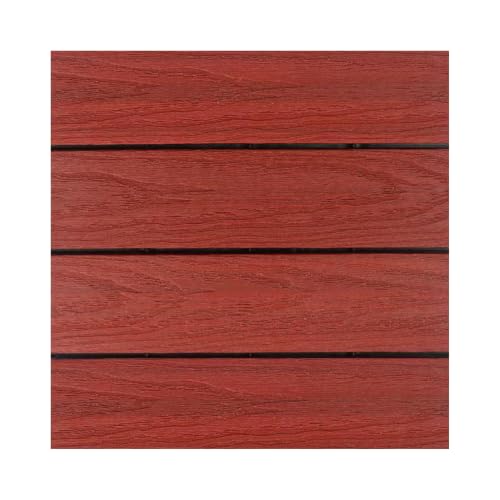
UltraShield Naturale 1 ft. x 1 ft. Composite Deck Tiles

CAMO MARKSMAN Edge Deck Screw Guide (0345020)

Besimple Fireproof Fireplace Hearth Rug
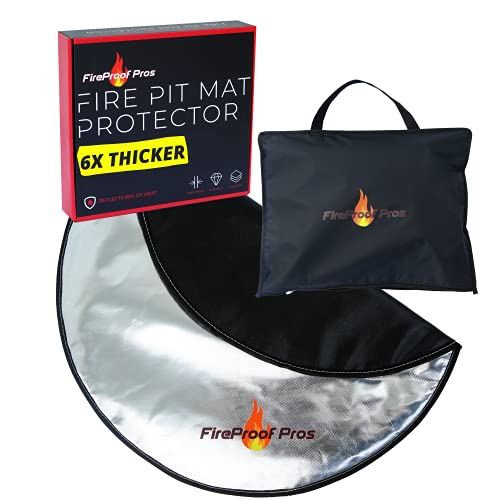
36″ Fire Pit Protector for Deck or Patio
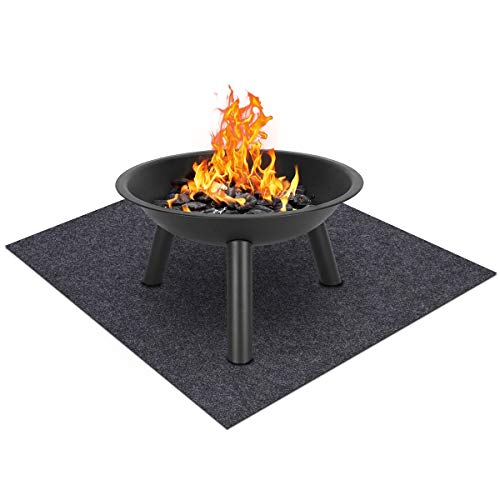

90 x 48 Inch Under Grill Mats for Outdoor Grill

Plow & Hearth Dalton 2×3’6″ Hearth Rug (Chocolate)

Plow & Hearth Dalton 2×3’6″ Hearth Rug (Ecru Herringbone)
More Details On Our Top Picks
Composite deck tiles make sense for you when the goal is a cleaner, tougher walking surface rather than a simple heat pad. NewTechWood uses high-density polyethylene, which is a dense plastic, plus wood fibers and a polymer coating, so the feel leans more like finished decking than a temporary mat.
The interlocking format suits patios, pool edges, outdoor kitchens, and event spaces where you may want a surface that can be laid out, removed, or rearranged with less fuss. Compared with the softer rug-style picks below, this one is more about building a new surface layer, and that makes it a smart match for DIY projects that need structure.
Strong Points
- Interlocking tiles make layout straightforward for a weekend deck refresh.
- Composite construction brings a firmer, more finished underfoot feel.
- The coating adds a useful layer against everyday wear.
- One box covers a small, clearly defined patch of floor space.
- You can shift or remove sections for events and seasonal use.
Things To Consider
- Coverage per box is best suited to smaller areas or staged projects.
- The tile format asks for a flatter base than loose-lay mats do.
- Cleaning is practical, but trapped grit between tiles still deserves attention.
Feature Snapshot
Who Should Grab It
You fit this pick best when you want a structured DIY surface for a patio, pool surround, or outdoor cooking area.
A Better Fit Elsewhere
CAMO MARKSMAN Edge Deck Screw Guide (0345020) suits you better for a hidden-fastener deck build where the boards themselves are the focus.
Deck screw guides are for the kind of project where clean spacing matters as much as the material itself. This CAMO tool is aimed at fastener-free, no-gap surface installation, so it fits neatly into hidden-fastener builds that look more polished than face-screwed boards.
That difference matters most on a deck you see every day, because the finished surface stays visually calm instead of busy with exposed hardware. Compared with the composite tiles above, this is a tool rather than a surface, and it belongs in a project where you already know your board plan.
What We Like
- Designed for hidden-fastener deck work, which keeps the surface cleaner.
- The no-gap approach supports a more refined board layout.
- The 200 square foot kit size suits a real project, not just a patch repair.
- Simple tool geometry can help reduce layout frustration.
Room For Improvement
- This is useful only for a deck build that matches the system.
- You still need the right planning and install skills around it.
- Tool-based projects usually mean extra setup compared with laid tiles.
Core Details
Best Suited To
You fit this tool best when you are building or upgrading a deck and want the finished boards to look smooth and orderly.
Where A Sibling Pick Shines
UltraShield Naturale 1 ft. x 1 ft. Composite Deck Tiles suit you better for a smaller DIY surface project where you want flooring, not a screw guide.
This hearth rug is the kind of compact shield that fits in front of a fireplace or stove without taking over the room. The non-slip backing helps it stay planted, which matters in busy homes where a small mat still needs to behave like part of the floor.
Compared with the larger fire pit mats later in the list, Besimple is more about tight indoor zones than broad patio coverage. You may find that limitation useful, because a smaller footprint is easier to place under a hearth, near a stove, or in front of a protected landing area.
Highlights
- Compact size suits narrow hearth spaces and smaller interiors.
- Non-slip backing adds stability under everyday foot traffic.
- Useful for protecting the floor directly in front of heat sources.
- Lower profile makes it easier to place in tighter rooms.
Softer Spots
- The smaller format will not cover a wide patio or grill zone.
- Indoor placement is the clearer fit, not broad outdoor deck use.
- Regular vacuuming or shaking out debris keeps a rug like this looking tidy.
Details At A Glance
Right Fit For
You fit this pick best when you need a compact hearth rug for a living room fireplace or similar indoor spot.
Look Elsewhere When
Plow & Hearth Dalton 2×3’6″ Hearth Rug (Chocolate) suits you better for a larger, more decorative hearth area with a wool-blend finish.
Fire pit mats earn their keep where embers and hot hardware sit close to wood, composite, or stone. This FireProof Pros protector leans into thickness and a triple-layer build, so it feels aimed at people who want a more substantial barrier under a fire pit or patio setup.
That extra structure comes with a small trade-off, since heavier protection can be less casual to move around than a thin throw-down mat. Still, for a fixed deck lounge or backyard fire zone, it reads as a sensible upgrade over lighter mats and a better match than the indoor hearth rug above.
Bright Spots
- Thicker construction gives the mat a sturdier feel under equipment.
- Triple-layer build is well suited to more demanding patio use.
- Designed for decks and patios, so it matches outdoor fire setups.
- Helpful for people who want a more anchored protective layer.
Small Caveats
- The more substantial build can be less easy to stash or move often.
- Works best in a defined fire zone rather than a roaming setup.
- Like most mats, it benefits from routine brushing or wiping after use.
Technical Sheet
Whose Shelf It Belongs On
You fit this pick best when your fire pit stays in one outdoor spot and you want thicker surface protection beneath it.
Swap It Out When
Meitola Fire Pit Mat 36″ x 36″ suits you better if you want a more absorbent mat with a washable surface for mixed patio use.
This mat fits the kind of backyard setup where you want a simple square of protection under a fire pit, stove, or grill. The absorbent material and waterproof backing give it a practical angle, since stray liquid and ash are both common annoyances around outdoor heat sources.
Compared with FireProof Pros above, Meitola sounds more forgiving for casual cleanups and mixed surfaces. You may appreciate that balance on a terrace, lawn, or campground where the setup changes more often and storage space is tighter.
Reasons To Buy
- Absorbent material helps catch drips and light messes.
- Waterproof backing adds another layer between heat gear and the ground.
- Square 36 inch format is easy to place under common backyard setups.
- Washable design suits repeated use around grills or fire pits.
Areas To Watch
- The square format is helpful, though it may not cover wider spill zones.
- Cleaning still matters after ash or food drips build up.
- It feels better for light to moderate use than for a permanent deck installation.
Feature Rundown
Made For
You fit this pick best when you need a washable outdoor mat for a fire pit, grill, or camping area.
Another Choice May Suit
36″ Fire Pit Protector for Deck or Patio suits you better if your main goal is thicker, more rigid deck shielding under a fixed fire setup.
Large grill stations can get messy fast, and that’s where this mat’s footprint starts to matter. At 90 by 48 inches, it gives you a broad shield for grass, deck boards, or a cook area where grease and heat are both part of the picture.
The double-sided build is the notable detail here, because it suggests a more flexible way to use the same mat across different setups. Compared with the smaller Meitola square, this one suits longer grill runs and wider outdoor cooking footprints better.
Upsides
- Large coverage works well for wide grills and outdoor cook stations.
- Double-sided construction adds practical flexibility.
- Designed for both deck and grass protection.
- Useful where grease, heat, and debris all land in the same zone.
Points To Note
- The larger size asks for more storage room between uses.
- Broad coverage helps, but it still needs correct placement under the heat source.
- Routine wipe-downs matter because grill mats collect residue quickly.
Core Details
Built With In Mind
You fit this pick best when you cook outdoors often and need broad coverage under a larger grill or fire feature.
Where A Sibling Pick Shines
Besimple Fireproof Fireplace Hearth Rug suits you better for a small indoor hearth zone where a compact mat matters more than coverage width.
Plow & Hearth takes a more classic route than the utility-first mats above. The wool-blend construction and chocolate finish make this feel like a hearth rug first, protective surface second, which works well in rooms where the fireplace is part of the decor.
The 2 by 3 feet, 6 inch size lands in a useful middle zone for many hearths, though it will not replace a larger floor protector around a busy wood-burning setup. For hardwood or carpet near a fireplace, it brings a calmer, more finished look than the rubber-backed mats in this list.
Best Bits
- Wool-blend build gives it a more home-focused feel.
- Chocolate color works naturally in darker living rooms.
- Sized for a standard hearth landing area.
- Looks more decorative than many utility-style mats.
Honest Caveats
- Better for hearth presentation than broad outdoor coverage.
- The size suits many fireplaces, though larger zones may need more coverage.
- Like most hearth rugs, it benefits from careful placement and regular upkeep.
Spec Overview
Perfect Match For
You fit this pick best when you want a hearth rug that looks at home in a living room while still protecting the floor near a fireplace.
Where Another Pick Fits Better
Plow & Hearth Dalton 2×3’6″ Fireproof Hearth Rug (Ecru Herringbone) suits you better if you want the same shape with a lighter visual finish.
This version keeps the same hearth-rug logic as the chocolate model, but the ecru herringbone pattern softens the look. That matters in homes where you want floor protection without making the fireplace zone feel heavy or overly dark.
Compared with the utilitarian fire mats in the earlier picks, this one plays a more decorative role while still fitting the same core job. You may find it especially appealing in a room with lighter trim, pale flooring, or a neutral fireplace wall.
Positives
- Herringbone pattern adds visual texture without feeling loud.
- Light ecru tone fits airy or neutral interiors.
- Same compact hearth-friendly size as the chocolate version.
- Wool-blend build keeps the look more home-like than industrial.
Minor Gripes
- Light coloring may show ash and soot sooner than darker tones.
- Best suited to indoor hearth use rather than broader outdoor zones.
- Decor-focused styling does not replace the need for careful placement.
Quick Facts
The Right Fit
You fit this pick best when you want floor protection around a fireplace but care just as much about the room’s style.
Skip It When
Besimple Fireproof Fireplace Hearth Rug suits you better if you want a darker, simpler mat for a tighter hearth area.
How To Choose The Right Fire Resistant Outdoor Decking Materials
Match The Material To The Heat Source
Your first choice is about the kind of heat sitting nearby. A fire pit, grill, or indoor hearth asks for a different surface profile, and the right material needs to fit that job instead of pretending every hot zone works the same way.
Composite deck tiles, like NewTechWood’s interlocking set, make sense when you want to rebuild part of the surface itself. Mats and rugs make more sense when you need a protective layer under an existing deck, patio, or fireplace landing.
Think About Footprint And Coverage
Size matters more than many shoppers expect. A 36-inch mat can fit a compact fire pit setup, while a 90 x 48 inch grill mat suits a wider cook station that throws grease and heat across a larger area.
Smaller hearth rugs work well in tight indoor spaces, but they are not substitutes for broader outdoor coverage. The honest read is that a too-small mat can leave the very area you wanted to protect still exposed.
Look At Build Style And Cleaning Needs
Dense composite tiles, triple-layer mats, absorbent pads, and wool-blend rugs all solve different problems. Denser builds usually feel more durable under equipment, while absorbent or washable materials make cleanup easier after ash, spills, or food residue.
That trade-off matters in busy backyards and kitchens alike. A heavier mat can be less convenient to store, while a lighter rug may need more careful upkeep to keep it looking tidy.
Choose For The Way You Use The Space
Frequent grillers tend to benefit from larger, easy-to-wipe mats. Homeowners who care about appearance may prefer wool-blend hearth rugs, since they blend into living spaces more naturally than a utility pad.
DIY deck builders usually need a different answer altogether. Interlocking tiles and installation tools serve people who want a finished surface or a cleaner board layout, not just a layer of protection.
Things Worth Knowing First
Mistakes Worth Dodging
One common slip is buying a mat for the wrong heat zone. A compact hearth rug works indoors, but it won’t solve a wide outdoor grill area that needs broad surface coverage.
Another easy miss is forgetting about storage and cleanup. Larger mats and thicker protectors are helpful, yet they still need a place to dry, fold, or stash after use.
The Upgrade Payoff
Higher-tier options usually cost more because of material density, layered construction, or a more polished finish. In plain terms, you are often paying for better fit, better presentation, or a more substantial barrier under heat-heavy gear.
That extra spend makes sense for fixed backyard setups, daily fireplace use, or a deck you want to keep looking finished. For occasional use, a simpler mat can be enough without adding clutter.
Frequently Asked Questions
Are composite deck tiles the same as heat mats?
No, they serve different jobs. Composite tiles rebuild a walking surface, while heat mats protect what sits underneath them.
What size mat works best for a backyard fire pit?
A compact fire pit often pairs well with a 36-inch mat. Larger cooking zones usually need wider coverage, like the 90 x 48 inch option.
Do hearth rugs belong outdoors?
Most hearth rugs in this list fit indoor fireplace areas better than open patio use. Their styling and footprint are aimed more at living spaces.
Why choose a wool-blend hearth rug over a utility mat?
A wool-blend rug brings a softer, more decorative look to the room. A utility mat usually focuses more on coverage and cleanup.
What matters most for easy upkeep?
Washable, wipeable, or easily moved surfaces simplify routine care. Dense materials and darker colors also tend to hide everyday marks a little better.
Closing Remarks
You have more than one way to protect a deck, patio, or hearth from heat, and the right answer depends on how you use the space. Composite tiles suit surface upgrades, the larger mats fit outdoor cooking zones, and the wool-blend hearth rugs bring a softer finish indoors. Start with size, then match the material to the kind of heat and mess your space actually sees. That keeps your setup practical without making it feel overbuilt.