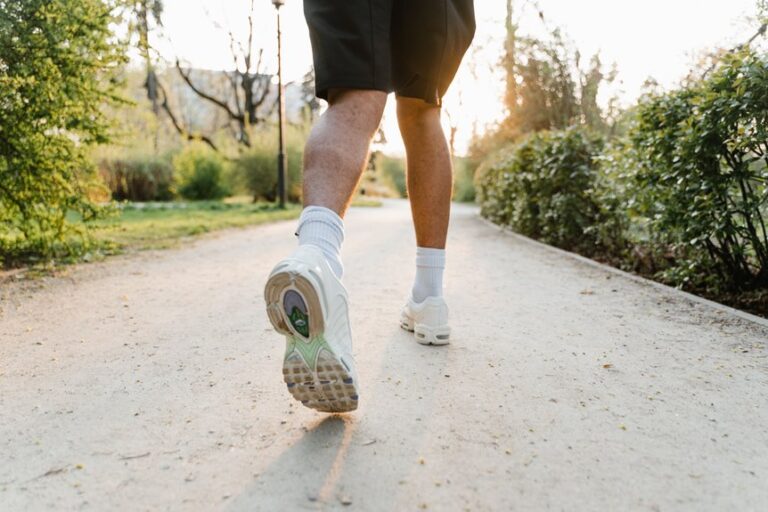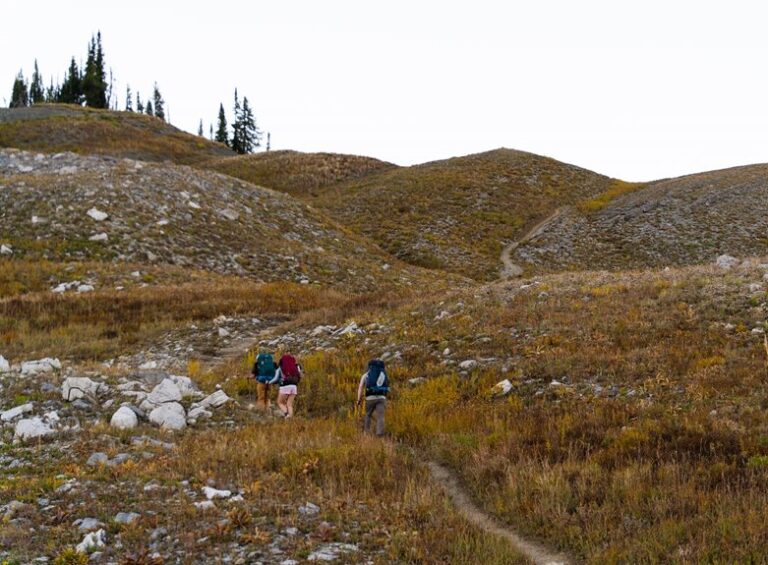

Hiking is a short, gear-light outdoor activity while backpacking involves multi-day trips with a loaded pack. Gear choices differ: daypacks and trail shoes versus tents, stoves, and heavier packs. Distances and daily pacing vary, with backpacking requiring more logistical planning and food management. Trip planning affects comfort, safety, and sleep arrangements. Knowing when a daypack suffices versus when an overnight setup is necessary prevents sore feet, bad timing, and sleeping uncomfortably outdoors.
What Is Hiking
What’s hiking, really? You step onto a trail, and you join a small, friendly crowd of people who like fresh air, steady movement, and simple wins.
Hiking means walking in nature on paths that can be short or long, easy or tough. You don’t need fancy gear to start, just shoes that feel right and a mindset that says, “I can do this.”
Along the way, trail etiquette helps everyone feel welcome. You let others pass, keep noise low, and stay aware of space.
You also follow leave no trace principles, so you pack out trash and respect plants, rocks, and wildlife. That care keeps the trail beautiful for you and the next person too.
What Is Backpacking
Lacing up for a longer expedition, backpacking takes hiking a step further via asking you to carry your home on your back. You move with a pack that holds your tent, food, water, and sleep gear, so the trail becomes your temporary neighborhood. That can sound tough, but it also feels welcoming when you know what to expect.
- You plan where you’ll sleep.
- You carry what you need.
- You travel with care for Leave No Trace and Wilderness Ethics.
Backpacking invites you into a small, steady trail community, where everyone shares the same goal: reach camp safely and keep wild places healthy. You’ll often walk farther, stay out overnight, and rely on simple skills that build confidence. So provided you want more freedom and a deeper bond with the outdoors, backpacking can feel like your place.
The Main Difference Between Hiking and Backpacking
The biggest difference between hiking and backpacking comes down to where you sleep and how much you carry. Whenever you hike, you usually walk a trail, then head home or back to camp the same day.
Whenever you backpack, you keep going with your shelter, food, and other essentials on your back, so the trail becomes your home for the night. That changes your pace, your planning, and your energy.
Hiking often feels lighter and simpler, while backpacking asks you to stay self-reliant and ready for weather, terrain, and time.
Either way, you belong out there whenever you respect Leave NoTrace and follow Trail Etiquette. You share the path, protect the land, and make the experience better for everyone.
Gear for Hiking
Pack light, and your hike feels easier from the initial step. You don’t need a big setup to feel ready with your trail group.
Choose lightweight layers that match the weather, so you can add or remove them fast. Wear wicking socks, because they help keep your feet dry and happier on rocky paths. Then pick shoes with grip that fit well, since sore feet can ruin a good day.
- A small daypack holds water and a snack.
- A hat shields your face from sun or drizzle.
- A simple rain shell keeps you comfortable whenever clouds turn.
With these basics, you can move freely, stay connected to the trail, and enjoy the walk beside others.
Gear for Backpacking
Once you head out on a backpacking trip, your gear has to do more than just fit in a bag, because it needs to support you for long miles, changing weather, and nights away from home. You’ll want a backpack that fits well, a shelter that feels light but sturdy, and a sleep system that keeps you warm as the air turns cold.
With ultralight packing, you can move easier and spare your shoulders from extra strain. Next, choose clothes you can layer, so you stay dry and comfortable as conditions shift. You’ll also need a stove, fuel, and simple cookware for camp cookery, since easy meals can lift your mood fast. Once your pack feels balanced and ready, you’ll feel like you belong out there.
Typical Trip Lengths
Trip length is one of the clearest ways to tell backpacking and hiking apart, because time changes everything about how you move, eat, rest, and pack.
On a hike, you usually head out for a few hours and come back the same day. That keeps plans simple and makes it easier to fit the trail into your week.
Backpacking stretches longer, often overnight or for several days, so you carry shelter, food, and layers. That also means more camping logistics and more permit requirements to check before you go.
- A morning hike can end by lunch.
- A backpacking trip might need a full weekend.
- Longer trips ask you to plan water, sleep, and recovery.
When you know the time you’ve got, you can choose the trip that fits your life.
Distance and Terrain Differences
At the moment you compare backpacking and hiking, the trail distance can change a lot, from a short afternoon loop to a long route that takes days.
You’ll also notice that terrain can shift from smooth paths to rocky climbs, muddy slopes, or steep passes that ask more from your legs.
That difference matters because the ground under your boots often shapes how far you can go and how hard the trip feels.
Trail Distance Range
Trail distance changes the whole feel of backpacking versus hiking, and that’s where the biggest split starts to show.
Whenever you hike, you often cover a short to moderate loop, so you can move light and still enjoy the day.
Backpacking asks more of you because you carry camp gear and stay out longer, so the miles stretch your plans and your patience in a good way.
- A day hike could feel easy to fit into your week.
- A backpacking trip can turn one trail into a full weekend.
- Longer routes mean you pay closer attention to elevation gain and route course.
Terrain Difficulty Levels
Steeper ground can change a simple outing into a real trial, even should the map show a short distance. When you compare backpacking and hiking, terrain difficulty often matters more than miles. You might walk five easy miles on a smooth path, yet feel fresher than after two rocky miles with loose stone and mud. Trail grading helps you judge what’s ahead, so you can match the route to your comfort and energy.
Backpacking usually asks you to handle uneven ground while carrying a heavier load, which can make each step feel bigger. Hiking can still bring steep climbs, roots, and technical scrambling, so don’t assume it’s always simple. Should you choose a route that fits your group, you’ll feel more confident, safer, and more welcome out there.
Fitness and Difficulty
Backpacking asks more from your body because you carry a heavier pack, cover longer hours, and keep moving after your legs start to tire.
Hiking can still challenge you, but it usually feels lighter, so you can focus more on steady movement than on hauling gear.
If you’re choosing between them, consider how much effort you want from each mile and how long you can stay strong without wearing yourself out.
Physical Demands
Once you compare backpacking and hiking, the biggest difference in physical demand comes down to how much you carry and how long you stay on your feet.
Hiking asks you to move with a lighter load, so your cardio conditioning matters, but you can usually settle into a steady rhythm.
Backpacking feels tougher because you’re carrying your home on your back, and that extra weight asks more from your core strength, legs, and posture. You’ll notice the strain in simple moments like:
- climbing uphill with a pack
- stepping over rocks and roots
- standing after a long break
Endurance Requirements
Endurance is where the gap between hiking and backpacking really starts to show. On a day hike, you can pace yourself, snack often, and head back before your legs complain too loudly.
Backpacking asks more from you. You carry your home on your back, so your heart, lungs, and muscles all work harder for longer. That’s why cardio training matters before you go. Build stamina with steady walks, stairs, or trails, then add weight slowly.
Should you be heading uphill, altitude acclimatization can make a big difference, since thinner air can leave you winded fast. Fortunately, endurance grows with practice, and every mile helps you feel more at home out there.
How to Plan a Hiking Trip
How do you turn a good idea for a hike into a safe, smooth plan? Start with route scouting, so you know the trail length, elevation, and where the hard spots sit. Then check weather forecasting, because a sunny morning can still turn windy by afternoon.
- Pick a trail that fits your energy and time.
- Tell a friend your route and expected return.
- Pack water, snacks, a map, and a charged phone.
Next, look at trail reports so you can spot mud, closures, or crowded areas before you go.
In case you’re hiking with friends, agree on a pace that keeps everyone comfortable. That way, you all stay connected, calm, and ready to enjoy the day together.
How to Plan a Backpacking Trip
A short hike can be planned in an afternoon, but a backpacking trip asks for a little more care, because you’ll be carrying your home on your back and sleeping out there too. Start with your route, then match it to your fitness and experience, so you don’t bite off more miles than you can enjoy. Check trail permits beforehand, because some popular places fill fast, and make campsite reservations should the route require them.
Next, pack only what you need, since every ounce matters while you’re the one hauling it. Then map your water stops, food plan, and daily mileage. Finally, tell a friend where you’re going and the moment you expect to return. That way, you can head out feeling prepared, calm, and part of the trail crew.
Safety Tips for Both Activities
Whether you’re heading out for a quick day hike or an overnight backpacking trip, safety should come foremost, because small mistakes can turn into big problems fast. You belong out there, so give yourself a calm start with smart habits.
- Check route scouting before you go. Study maps, trail markers, and weather so you know where you’re headed and where you could turn back.
- Tell someone your plan. Share your trail name, expected return time, and car spot.
- Carry emergency signaling tools. A whistle, bright cloth, or phone alert can help others find you should things change.
Also, wear shoes that fit, stay on marked paths, and trust your gut in case a trail feels wrong.
Whenever you pay attention ahead of time, you protect your peace and keep the outing fun.
Food and Water on the Trail
Packing food and water well can make your hike or backpacking trip feel steady instead of stressful. You don’t need fancy meals, but you do need fuel that keeps you moving.
For short hikes, bring easy trail snacks like nuts, fruit, jerky, or granola bars. For backpacking, pack foods that are light, filling, and simple to cook, since you might spend more time away from stores and sinks.
Water matters just as much. Carry enough for the day, and should you be heading far from home, plan for water purification too. A filter, tablets, or a UV tool can help you drink safely.
Whenever you prepare this way, you join the trail with more confidence, more comfort, and a lot less worry.
What’s Better for Beginners?
Should you’re new to the trail, hiking usually feels like the easier initial step because you can start with shorter trips and less planning. You’ll only need simple gear like good shoes, water, and a daypack, so it’s easier on your wallet and your nerves. Backpacking asks for more supplies and more comfort with carrying weight, so it often makes sense after you’ve built some trail confidence.
Easier First Steps
For an initial trip, hiking usually feels easier because you can keep things short, simple, and close to home. You’ll build confidence fast once you join a local trail and move at your own pace.
Start with:
- A loop path you can finish in an hour.
- A friend who knows the area and can share trail etiquette.
- A small plan for check-ins, so you don’t feel alone.
That initial outing helps you learn how your body feels and how you fit into the outdoor crowd.
You’ll also notice that gear maintenance stays simple whenever you only use a few basics. As you return, each walk feels more natural, and the trail starts to feel like your place too.
Beginner Gear Needs
Gear can make your initial trip feel calm or chaotic, so it helps to know what actually matters before you head out.
Should you’re new, hiking usually asks less of you. You can start with sturdy shoes, water, and a small daypack, then learn how your body feels on the trail.
Backpacking needs more planning because you carry shelter, food, and sleep gear, so pack selection matters a lot. Good weight distribution keeps sore shoulders from stealing your fun, and it helps you stay steady whenever the trail gets rocky.
For beginners, choose the simpler path initially, then build skills one trip at a time. That way, you join the outdoors with confidence, not pressure, and you’ll have room to enjoy the view, too.
How to Choose Between Hiking and Backpacking
Choosing between hiking and backpacking starts with what you want from the trail and how much time you can give it. If you want a quick escape, hiking fits. If you want a deeper trip, backpacking calls you in.
You can visualize it like this:
- Day hike: You walk light, return home, and keep your pack simple.
- Overnight backpacking: You carry shelter, food, and water, so you feel part of the trail community.
- Multi-day trek: You need stamina, planning, trail etiquette, and perhaps gear rental for items you won’t buy yet.
Next, consider your comfort level. Hiking lets you trial the outdoors with less stress. Backpacking asks more of you, but it can build confidence fast.
Either way, you belong out there, and the right choice is the one that matches your energy today.
Frequently Asked Questions
Can I Backpack Without Camping Skills?
Yes, you can start backpacking without camping skills, but you will want basic gear and some practice initially. Learn leave no trace habits, join a friendly group, and you will feel confident outdoors together.
Are Permits Needed for Every Backpacking Trip?
No, you do not need permits for every backpacking trip. Some areas offer permit exemptions while others require group permits. Check local rules beforehand so you can join the right trail community confidently.
How Do Weather Conditions Affect Each Activity?
Weather affects backpacking trips more severely, so you will need route planning, layered gear, fitness pacing, and emergency signaling ready. On hikes, you can adjust faster, but storms still demand your group’s quick, shared caution.
Can Dogs Join Hiking and Backpacking Trips?
Yes, you can bring dogs on many hikes and backpacking trips, and their paws can pad beside you like loyal shadows. Check trail etiquette and breed suitability, and you will both feel welcome, safe, and ready.
What Is the Best Season for Backpacking?
Spring and fall usually give you the best backpacking season, since you’ll enjoy milder weather, fewer crowds, and open seasonal trailheads. You can pack lightweight tents, share quieter trails, and feel right at home outdoors.