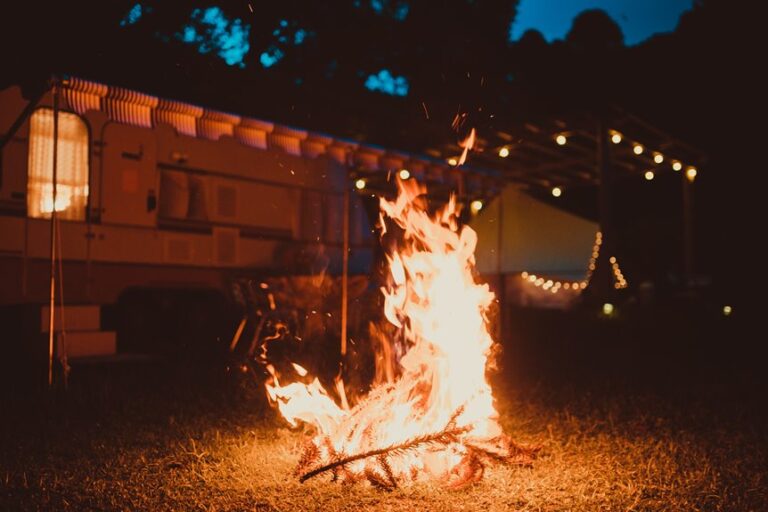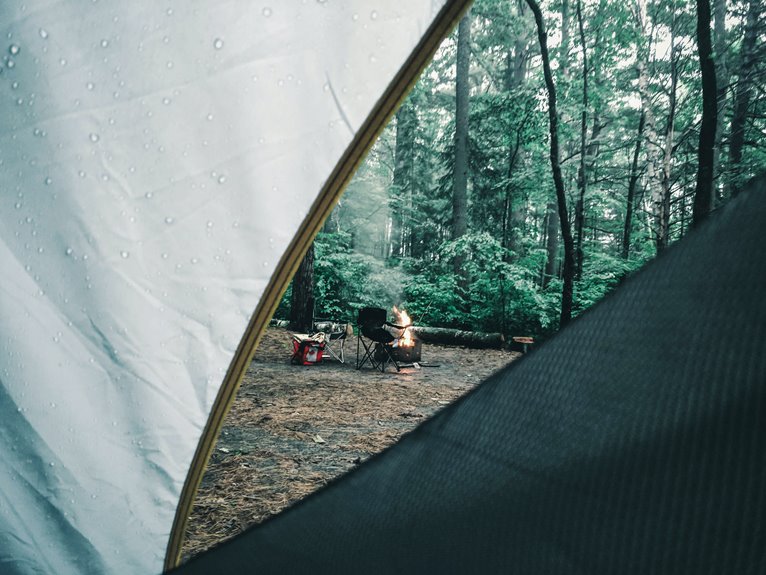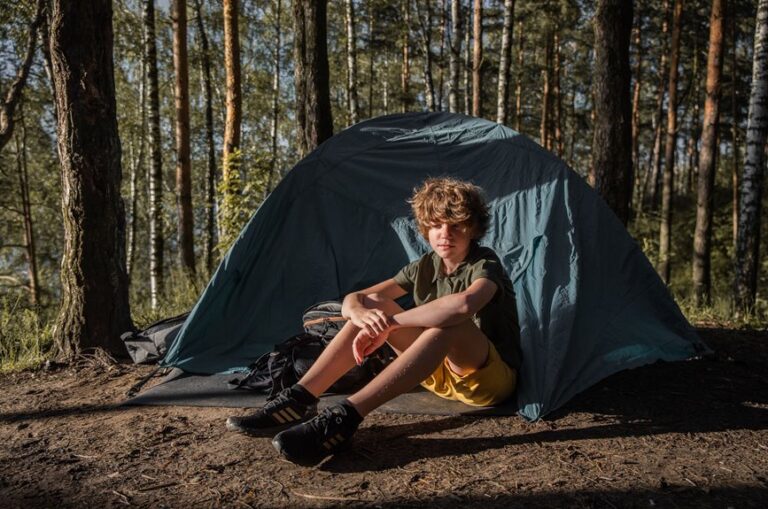

A safe campfire starts before the first spark by choosing a legal, clear spot and checking local fire restrictions. Pick bare ground well away from tents, low branches, and flammable debris. Gather water, a shovel, and properly seasoned wood before building the fire. Keep the flame small and steady, tending it until embers are cold and fully extinguished. Proper preparation and responsible habits prevent wildfires and keep everyone safe.
Choose a Safe Campfire Spot
Before you strike a match, take a few quiet minutes to pick the right campfire spot, because that one choice can keep everyone safer and make the whole night feel more relaxed.
Look for a bare patch of dirt or gravel, far from low branches, tents, logs, and dry grass. Then check that the ground is flat enough for your group to sit around without feeling squeezed. You also want to avoid roots, overhangs, and places near cultural sites, since respect matters as much as safety. Keep a good distance from brush so sparks don’t wander off and cause wildlife disturbance.
In the event the site already has a fire ring, use it and stay inside it. That way, you help protect the land, and your camp feels welcoming for everyone.
Check Fire Restrictions and Weather
Before you strike a match, check local fire bans so you know whether a campfire is allowed where you are.
Then look at the weather forecast and the ground around you, because strong wind and dry conditions can turn a small fire into a fast-moving problem.
Whenever you pay attention to these details initially, you give yourself a much safer and calmer start.
Check Local Fire Bans
Once you know where you’re camping, check for local fire bans and weather alerts right away, because conditions can change fast and a safe trip starts with solid information.
You can feel more at ease whenever you read permit updates and municipal alerts before you pack the car. Then call the ranger station or visit the park site to confirm what’s allowed. Some places ban campfires, charcoal, or even stoves during dry spells, and those rules help keep everyone safe.
In case you camp with friends, share the rules so nobody feels left out or caught off guard. Also, watch for temporary closures and extra restrictions in nearby public areas.
As soon as you know the limits, you can plan a campfire that fits the site and keeps your group confident, calm, and welcome.
Review Weather Conditions
Weather can change your campfire plans fast, so it helps to check the forecast and the local fire rules at the same time. You want clear skies, but you also need to see how weather forecasting lines up with any posted limits before you strike a match.
Should a ranger station, park notice, or campground board warns of fire restrictions, follow them without argument. Then look at the day’s conditions and use microclimate awareness, because one valley can feel different from the next hilltop.
Were clouds build, rain arrives, or temperatures swing hard, pause and reassess. You’re part of a group that looks out for each other, and that includes choosing a night that feels safe, calm, and ready for a cozy fire.
Assess Wind And Dryness
Dry air and a steady breeze can turn a cozy fire into a fast-moving problem, so you should check both the wind and the local fire restrictions with care.
Look at wind patterns before you strike a match, because gusts can carry sparks farther than you expect. Should the wind keep shifting, wait for a calmer window.
Next, check the day’s fire rules from the park, ranger station, or town office. These rules often reflect current vegetation moisture, and they help keep your group and nearby trails safe.
Were the grass to feel crisp or leaves snap easily, the land could be too dry for open flame. Whenever conditions feel uncertain, choose another camp activity and keep your crew together.
Gather Campfire Materials and Tools
Gathering the right campfire materials and tools makes the whole process safer and a lot less stressful. You’ll feel more at ease once everything sits within reach, ready for your turn to build. Bring dry sticks, larger logs, and a small bundle of scented tinder for easy lighting. Add waterproof matches, a lighter, and a fire starter, so rain or damp air won’t spoil your plans. A glove, tongs, and a metal bucket help you handle hot pieces with care.
| Item | Why it helps |
|---|---|
| Tinder | Catches flame fast |
| Matches | Lights in wind |
| Lighter | Gives backup spark |
| Bucket | Holds water nearby |
| Gloves | Protects your hands |
After your kit feels complete, you can move ahead with confidence and join the group around the fire.
Clear the Fire Area
Now that your tools are ready, set them aside and clear the fire area before you strike a match.
You want a calm, open space where everyone feels safe gathered around the flames. Remove vegetation, dry grass, leaves, and loose bark from a wide circle. Then rake away twigs and any debris that could catch fast.
Check overhead too, because low branches can turn a small fire into a scary one.
In the event the breeze feels strong, use rocks, logs, or your gear to create windbreak. That helps the flame stay steady and keeps sparks from wandering.
Also, keep nearby gear and bags back from the edge so the space stays tidy. Take a slow look around, and make sure the ground feels clean, clear, and ready for your fire.
Build a Safe Campfire Ring or Pit
Provided that the ground is level, you can build your campfire ring or pit with a lot more confidence, because a sturdy edge helps keep the fire where it belongs. Choose a stone circle with noncracking rocks, or set a portable pit on bare soil away from roots. Keep the opening wide enough for airflow, but not so big that sparks can jump out. Make sure the rim sits flat and tight, so it won’t wobble whenever friends gather close.
- Pack stones firmly together
- Check that the pit stays stable
- Leave space for safe seating
Once you build this way, you help everyone feel settled and welcome around the flames. A neat setup also makes your campsite feel cared for, like your group belongs there.
Start the Campfire Safely
Once your fire ring is ready, you can start the campfire with care and keep the mood calm for everyone nearby. Gather dry tinder, kindling, and a few trusted fire starters, then place them loosely so air can move through the pile. Light one edge, not the center, so the flame grows evenly and you can watch it closely. Stay beside the fire while it catches, and keep your tools within reach.
Before anyone leans in, review simple safety drills, like stepping back fast and calling out in case sparks drift. That way, your group feels prepared and connected, not rushed. Should the wood smokes a lot, pause and adjust your setup. A careful start helps everyone relax and enjoy the glow together without worry.
Keep the Fire Small and Controlled
Keep the flame modest so it stays easy to watch and easy to manage. You and your group can relax more whenever the fire stays low, because everyone knows what’s happening and feels included in the plan. Use only enough wood to keep steady heat, and let each piece burn down before adding another. That way, you’ll cut down on flying match sparks and sudden flareups.
- Stack wood loosely so air can move, but don’t build a tall pile.
- Place seats and gear far enough back to maintain distance from the heat.
- Check the fire often, and nudge it smaller whenever it starts to creep.
A small fire gives you room to breathe, talk, and enjoy the night together without extra worry.
Cook and Roast Safely Over the Fire
As soon as you cook or roast over a campfire, your initial job is to protect the food, the fire, and the people around it. You can do that using a sturdy grate, long-handled tools, and heat-safe gloves. Keep marshmallows, bread, and skewers close, but not crowded over the flames.
Should you want more than sweets, try marshmallow alternatives like fruit, dough twists, or veggie skewers. For cast iron recipes, set the pan on stable coals and keep the handle turned away from the group. Stir food often, and check each side before you eat. Also, keep a drink nearby in case sparks fly.
Once everyone feels included and safe, cooking outside becomes easier, warmer, and a lot more fun for your whole camp circle.
Avoid Common Campfire Mistakes
You can avoid most campfire trouble by picking a safe spot away from dry grass, low branches, and tents.
Keep your fire small enough to control, because a big blaze can turn risky fast, even although it looks impressive.
Whenever you’re done, stir the embers, pour on water, and check that everything feels cold so nothing sneaks back to life.
Choosing Safe Fire Locations
A safe campfire starts with the spot you choose, and that choice matters more than many people realize. You’ll feel better whenever your group picks a calm, clear place that keeps sparks away from anything dry. Look for good vegetation clearance, and avoid low brush, roots, and hanging branches. A proper viewscape placement also helps, because you can see the fire area and notice changing conditions fast.
- Choose bare soil or gravel whenever you can.
- Keep the fire away from tents, logs, and leaf piles.
- Check that everyone can move around the spot safely.
Next, walk the area with your friends before lighting up. Once you choose well, you protect the whole camp and make the night feel easier, safer, and more relaxed.
Managing Fire Size Properly
Now that you’ve picked a safe spot, keep the fire itself small and easy to control. Use only best fuel, like dry sticks and small logs, so the flames stay steady instead of jumping up fast. Add wood little by little, and let each piece catch before you place more on top. This helps you stay in charge and keeps the group feeling calm and comfortable around the fire.
Watch the flame height and trim extra fuel should it start to climb. For ember management, rake glowing coals toward the center and avoid tossing in too much wood at once. A modest fire gives you warmth, light, and room to enjoy the moment without worry. That way, everyone can relax and share the space with confidence.
Extinguishing Embers Fully
As the last flames fade, don’t assume the job is done, because concealed embers can stay hot for hours and surprise you later.
You’re part of a careful campfire crew, so give the ashes a full soak and stir them until every spark disappears. Check for hot spots with the back of your hand near, not on, the pile. Then add more water and keep mixing.
This ember dampening step matters:
- Pour water slowly to avoid steam burns.
- Stir the wet ashes with a stick or shovel.
- Repeat until you feel no heat at all.
When the pile feels cool, spread the remains and check once more.
Should you depart prematurely, a tiny glow can wake up the whole site. Stick with your group’s safety habit, and you’ll all head home with peace of mind.
Put Out the Campfire Completely
Carefully put out every last part of the campfire before you leave, because even a small glow can turn risky fast.
Start with smothering techniques. Pour water slowly over the fire, then stir the ashes and coals with a stick. Listen for hissing, and keep adding water until the sound stops.
Should you not have water, use dirt or sand, but make sure it covers every hot spot.
Next, check ash disposal. Move cold ashes into a metal container, never a plastic bag, and store it away from tents or dry grass.
Feel the ashes with the back of your hand only when they look cool. In case warmth remains, repeat the process.
Taking these steps helps your group leave the site safe, calm, and welcome back anytime.
Frequently Asked Questions
What Should I Wear Around a Campfire?
Wear snug, natural layers and sturdy shoes around a campfire, not loose clothing or synthetic fibers. You will fit right in, stay comfortable, and reduce burn risks while enjoying the warmth with everyone.
How Do I Treat Minor Campfire Burns?
Treat minor campfire burns like a quick spark dousing: run cool water, apply cool compresses, then use burn creams. Cover loosely, keep it clean, and if it worsens, get help from your crew.
Can I Build a Fire During Windy Conditions?
No — you shouldn’t build a fire amidst windy conditions. You’ll protect your crew through checking wind direction, improving ember control, and choosing calmer weather. That way, everyone stays safer together around camp.
What Campfire Apps Help With Fire Safety?
You’ll like fire rating apps like Watch Duty and Smokey Bear’s Fire Center; they send burn risk alerts. One study found app users responded 30% faster to wildfire warnings, keeping your campfire crew safer together.
How Do I Store Matches Safely While Camping?
Keep your matches in a waterproof container and a childproof case, then tuck them in a dry pack pocket. You will protect your fire starting gear, stay prepared, and feel part of a careful camping crew.