

Beginners Rc planes make sense when you want a hobby that feels hands-on without becoming a project before takeoff. The right pick should steady your learning curve, forgive small mistakes, and still feel fun after the first flight. That usually means a clear control layout, a stable airframe, and enough durability to handle the occasional rough landing. This roundup keeps the focus on models that suit first flights, backyard sessions, and relaxed weekend flying.
The Shortlist At A Glance

LEAMBE 4 Channel RC Plane P51 Mustang
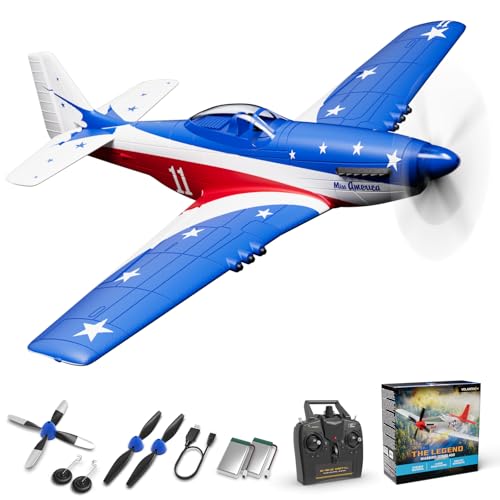
volantexrc RC Plane 4CH P51D Mustang

ANTSIR F22 RC Plane Jet Yellow

LEAMBE 4 Channel RC Plane F4U Corsair

4DRC V32 Foam RC Plane Fighter Jet
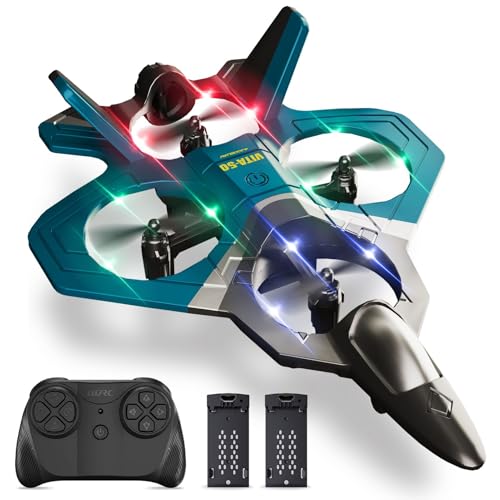
4DRC Foam RC Plane Fighter Jet

volantexrc RC Plane 3 Channel Spitfire

DEERC RC Plane Eagle Plane

LEAMBE RC Plane P-40 Warhawk

HAWK'S WORK 3 Channel RC Plane Spitfire Fighter
More Details On Our Top Picks
Four-channel control gives you a more complete feel than a stripped-down trainer, so this LEAMBE model suits the first flyer who wants room to grow. The P51 Mustang shape adds a bit of character without turning the learning curve into a headache. For most backyards, that balance matters more than flashy extras.
Ready-to-fly packaging usually means less setup friction, and that helps a lot when your goal is getting airborne instead of sorting parts. The trade-off is that a warbird profile still asks for steady hands and open space, so tight parks can feel cramped. You may find it most satisfying once you’ve already learned the basics on simpler foam planes.
What We Like
- Four-channel layout gives you more control than basic 2-channel trainers.
- Ready-to-fly setup reduces first-day hassle.
- P51 styling keeps it engaging without changing the core learning job.
- Works well as a step-up plane for backyard practice.
Points To Note
- Warbird styling can feel less forgiving than a high-wing trainer.
- Open flying space helps more than a small court or narrow field.
- Careful handling during storage matters because long nose sections tend to be more exposed.
Feature Rundown
Who It Suits Best
You fit this plane best if you want a beginner-friendly warbird that still feels substantial in the air.
A Better Fit Elsewhere
volantexrc RC Plane 3 Channel Spitfire suits you better if you want a simpler control layout for the earliest practice flights.
This volantexrc pick leans harder into control features than the first LEAMBE plane, which makes it a smart step for a learner who wants a little more response. Gyro support, aileron control, and three flight modes point to a plane that can meet you at different skill levels. That sort of flexibility matters on a windy school field or a wide park.
The trade-off is that more options can also mean more to think about during those early flights. You may appreciate that once takeoffs and turns start feeling familiar, especially because the P51D profile keeps the flying experience lively. It suits a cautious beginner who still wants room to advance without replacing the plane right away.
Strong Points
- Gyro support helps steady the aircraft during learning flights.
- Three modes give you a gentler ramp from basic handling to more active flying.
- Aileron control adds precision compared with simpler beginner planes.
- P51D design brings a more involved flying feel.
Areas To Watch
- Extra flight modes can feel busy at first.
- A more responsive setup asks for a little more attention than a plain 3-channel trainer.
- Warbird styling still rewards open space and patient practice.
Core Details
Made For
You fit this plane best if you want a beginner warbird that leaves room for a longer learning curve.
Another Choice May Suit
HAWK'S WORK 3 Channel RC Plane Spitfire Fighter suits you better if you want fewer controls and a calmer first setup.
This ANTSIR plane takes a lighter, friendlier route, which suits younger hobby starters or anyone who wants an easier foam option. The 2-channel layout keeps inputs simpler than the four-channel planes above, and the gyro stabilizer helps smooth out the learning curve. LED lights add visibility and some fun for late-afternoon flying.
Two rechargeable batteries help stretch play sessions, a detail that matters more than it sounds when the first pack runs out too soon. The honest read is that a two-channel jet won't feel as nuanced as the LEAMBE or volantexrc picks, but that's part of its appeal. For casual practice in a park or open yard, it keeps things straightforward.
Upsides
- Two-channel control makes it easier to learn the basics.
- Gyro stabilization can smooth out wobbly first flights.
- LED lights improve visibility in lower light.
- Two rechargeable batteries help you keep the fun going longer.
- Foam build keeps the airframe light and approachable.
Small Caveats
- Two-channel control leaves less room for advanced maneuvering.
- Jet styling is fun, but it does not offer the same training feel as a more forgiving trainer shape.
- Foam surfaces usually need gentle storage so edges stay tidy.
At A Glance
Right Fit For
You fit this plane best if you want a simple jet with a gentle learning curve and a kid-friendly feel.
Look Elsewhere When
volantexrc RC Plane 4CH P51D Mustang suits you better if you want more control detail and a stronger step-up path.
Compared with the P51 Mustang version from LEAMBE, this F4U Corsair keeps the same beginner-friendly idea but shifts the style to a different warbird shape. That makes it useful for you if the look matters as much as the flight feel. The 4-channel layout still offers a more layered learning path than the simpler foam planes farther down the list.
In a wide park, this one should feel more satisfying than a tiny indoor-style toy, though it still asks for patience during the first few launches. You may notice that aircraft shape can change how a plane feels in your hand before it even lifts off. That's part of the appeal for hobbyists who want a little style with the training.
Highlights
- Four-channel control gives you more room to learn.
- Corsair styling brings a classic warbird look.
- Ready-to-fly setup helps keep the start simple.
- Good fit for open-field practice and casual weekend sessions.
Honest Caveats
- Warbird form is less forgiving than a high-wing trainer.
- Open space matters more than it does for the lighter 2-channel picks.
- Keeping the nose and prop area protected during storage pays off.
Feature Card
Whose Shelf It Belongs On
You fit this plane best if you want a beginner warbird that looks distinct from the usual trainer shapes.
Swap It Out When
DEERC RC Plane Eagle Plane suits you better if you want a lighter-feeling bird-shaped model with simpler handling.
The 4DRC V32 leans into play value, so it fits well for kids who want more than plain forward flight. Light effects and 360-degree flips make it feel lively, and the stunt roll idea gives you a simple route into showier flying. For casual backyard use, that can be a lot more engaging than a plain trainer.
The trade-off is that stunt focus usually puts it a step away from the calm, teach-you-slowly style of the LEAMBE and volantexrc planes. You may find that useful once you've already got basic orientation down. It's a better match for fun sessions than for careful first lessons.
Best Bits
- 360-degree flips add a playful stunt element.
- Light feature gives the plane more presence in the air.
- Foam build keeps the overall feel light.
- Good fit for kids who want a lively toy-like aircraft.
Room For Improvement
- Stunt-focused design is less calm than a trainer-style plane.
- Practice space matters because flip maneuvers need room.
- Foam body benefits from gentle handling after rough landings.
Details At A Glance
Who Should Grab It
You fit this plane best if you want a lively foam jet for kids rather than a pure training platform.
Where A Sibling Pick Shines
ANTSIR F22 RC Plane Jet Yellow suits you better if you want a calmer 2-channel flyer with gyro support and rechargeable battery convenience.
This 4DRC model is a broad-use foam plane, which makes it appealing for households that want one aircraft to suit different ages and comfort levels. The 360-degree flip function gives it a more active personality than the pure beginner trainers, yet the foam body keeps it approachable. That mix works best for casual flying sessions where fun matters as much as practice.
Compared with the more focused LEAMBE and volantexrc warbirds, this one feels less like a step-by-step classroom plane and more like a playful all-rounder. The honest read is that flexibility can come at the cost of a sharper learning path. You may appreciate that trade-off most in a family setting, where different skill levels share the same toy.
Positives
- Foam construction keeps the plane light and easy to handle.
- 360-degree flipping adds a fun stunt option.
- Broad age range makes it useful for mixed households.
- Simple enough for casual flying, yet still active enough to stay interesting.
Softer Spots
- Stunt features make it less calm than a pure trainer.
- Family use can mean more handling, so routine inspection of the foam shell helps.
- Open outdoor room still beats cramped spaces.
Core Details
The Right Fit
You fit this plane best if you want a light foam flyer that works for family use and casual stunt play.
Consider Something Else When
DEERC RC Plane Eagle Plane suits you better if you want a more straightforward bird-shaped aircraft with a gentler learning feel.
Three-channel control is the main reason this volantexrc Spitfire feels friendlier than the 4-channel P51D above. For a first warbird, that simpler setup can take some pressure off your hands and attention span. The 6-axis gyro stabilizer adds a helpful layer of steadiness, especially on breezy afternoons at the park.
This is the kind of plane that makes sense once you want a proper aircraft shape without too much complexity. The trade-off is fewer control options, so advanced maneuvers stay limited. Still, for a beginner who wants a clear path into warbird flying, that simplicity often feels like the point.
Reasons To Buy
- Three-channel control keeps the learning curve more manageable.
- 6-axis gyro support can help smooth out early flights.
- RTF setup makes the first outing easier to plan.
- Spitfire shape gives you the classic warbird look without extra complexity.
Worth Noting
- Three channels leave less room for advanced maneuvering.
- Warbird shape still calls for more space than a tiny trainer.
- Battery and prop care matter after repeated outdoor use.
Quick Facts
Best Suited To
You fit this plane best if you want a simplified warbird for regular practice and relaxed weekend flights.
Skip It When
volantexrc RC Plane 4CH P51D Mustang suits you better if you want more control depth and a stronger progression path.
The DEERC Eagle Plane stands out because it blends a bird-like shape with two batteries and a 6-axis gyro stabilizer. That combination makes it appealing for portable park sessions, especially when you want a compact kit that can keep flying after one charge runs down. The eagle styling also helps it feel distinct from the warbirds in this list.
You may find the 2-channel layout easier to live with than a more advanced plane, though it won't offer the same control depth as the LEAMBE or volantexrc models. The honest read is that it makes the most sense for casual flyers who value ease and portability over precision. For relaxed family use, that's a fair trade.
Bright Spots
- Two batteries help extend time in the air.
- 6-axis gyro support can steady early flights.
- 2-channel control keeps the plane approachable.
- Eagle shape adds a memorable look for kids and adults.
Areas To Watch
- Simple controls limit advanced maneuvering.
- Bird-style foam surfaces benefit from careful storage after outings.
- Best results come in open outdoor space.
Spec Overview
Built With In Mind
You fit this plane best if you want a portable beginner flyer with a gentler control layout.
Reach For A Different Pick When
ANTSIR F22 RC Plane Jet Yellow suits you better if you want LED lights and a jet style with a similar easygoing feel.
The P-40 Warhawk version adds Xpilot stabilization and one-key aerobatic control, so it lands near the more capable end of the beginner range. That makes it useful for you once basic flying starts to feel routine and you want a plane that can do more without becoming an expert-only machine. Compared with the simpler DEERC and HAWK'S WORK picks, it feels sturdier and more ambitious.
One thing worth considering is that features like one-key aerobatics can tempt you into faster progress than your space allows. That's not a flaw, just a reminder that warbirds still like open air and a bit of patience. For a learner who wants to stay with one plane longer, it's a strong fit.
Standout Traits
- Xpilot stabilization adds a helpful layer of flight assistance.
- One-key aerobatic function makes stunt practice more approachable.
- Four-channel control gives you more room to advance.
- P-40 Warhawk styling keeps the plane visually distinct.
Minor Gripes
- Aerobatic features still need enough open space to stay comfortable.
- More advanced behavior can feel busy for a true first-time pilot.
- Nose and prop protection matters during packing and transport.
Technical Sheet
Perfect Match For
You fit this plane best if you want a beginner warbird with more capability than the simplest trainer-style picks.
A Better Fit Elsewhere
HAWK'S WORK 3 Channel RC Plane Spitfire Fighter suits you better if you want a calmer, easier first step into warbirds.
HAWK'S WORK keeps things plain in a good way, and that can be exactly what a first-time pilot needs. The 3-channel layout is simpler than the 4-channel LEAMBE and volantexrc planes, while the 6-axis gyro stabilizer helps smooth the early learning stretch. In a backyard or open field, that mix can feel reassuring rather than busy.
This is the sort of plane that suits you when you want to practice without worrying about a pile of extra controls. The trade-off is less room for advanced maneuvers, so it won't feel as expandable as the P-40 Warhawk. Still, for kids and true beginners, a calm start often matters more than extra tricks.
Positives
- Three-channel control keeps early flying manageable.
- 6-axis gyro support helps with stability during practice.
- Spitfire warbird styling gives it a classic look.
- Ready-to-fly setup simplifies the first outing.
Points To Note
- Three channels mean fewer advanced control options.
- Warbird styling still rewards enough outdoor room.
- Regular prop and nose checks help after rough landings.
Feature Snapshot
Who Will Love This
You fit this plane best if you want a gentle first warbird with a straightforward control layout.
Where Shoppers Go Wrong
volantexrc RC Plane 4CH P51D Mustang suits you better if you know you want more control depth from the start.
How To Choose The Right Beginners Rc Planes
Flight Control Comes First
Control count tells you a lot about how quickly you'll settle in. Two-channel planes like the ANTSIR F22 keep the basics simple, while three-channel options such as the HAWK'S WORK Spitfire add a bit more control without turning the plane into a handful. Four-channel models, including the LEAMBE P51 Mustang and volantexrc P51D, give you more room to grow, which suits you better once basic steering starts to feel natural.
Gyro stabilization matters too, because a gyro is a sensor-based helper that keeps the plane from wandering too wildly. That support can make a windy park session less frustrating, especially on the first few outings. The trade-off is that more assistance can hide some of the feel you'll want to learn later.
Match The Airframe To Your Space
Warbird shapes like the Mustang, Corsair, P-40, and Spitfire look great, but they usually want a little more room and attention than a soft trainer shape. A wide field gives you breathing room for takeoffs, turns, and recovery, while a cramped court can make even a stable plane feel busy. Foam bodies are helpful for beginners because they keep weight down and soften the learning curve.
Stunt-focused planes, such as the 4DRC V32, feel more playful than calm trainers. That can be fun once you know the basics, but it asks for more space and a bit more confidence. For a first plane, simple handling usually matters more than flashy maneuvering.
Think About Setup, Batteries, And Routine Use
Ready-to-fly packaging reduces the first-day headache, which matters more than it sounds when you just want to get to the field. Extra batteries, like the pair included with the DEERC Eagle Plane and ANTSIR F22, are useful because they keep the session going after the first pack fades. That said, more batteries also mean more charging and more things to keep track of.
Durability and storage matter just as much as flight features. Foam planes need gentle handling, and warbird noses, props, and wings usually appreciate careful packing after use. A beginner plane that fits your routine, your space, and your patience will feel much better than one with a long feature list you never use.
Things Worth Knowing First
Common Shopping Slip Ups
Many new hobbyists focus on the look first and the control layout second. That usually leads to a plane that feels exciting on the page but busy in the air, especially with warbird shapes and stunt features.
It also helps to match the plane to the place you'll fly most often. A model that feels fine in an open park can feel awkward in a small backyard, and the opposite is true as well.
The Upgrade Payoff
Higher-tier beginner planes usually cost more because they add stabilization, extra control channels, and more complete radio systems. Those parts do more than raise the spec count, they give you a calmer path through the learning phase and a little more room to improve.
That upgrade makes sense once you know you'll keep using the plane and want it to grow with you. For a casual gift or a first weekend experiment, a simpler foam flyer is often enough.
Frequently Asked Questions
Are Beginners Rc Planes hard to learn?
They are easier when the plane has a gyro and fewer control channels. A simple 2-channel or 3-channel model usually feels friendlier than a more advanced warbird.
What's the difference between 2-channel and 4-channel control?
Two-channel planes keep the steering basic, while four-channel planes add more movement control. That extra control helps once you want more precise turns and a bigger skill ceiling.
Do foam rc planes make sense for first flights?
Yes, foam is common in beginner planes because it keeps weight down. That lighter build usually makes the aircraft easier to handle and less tiring to carry.
Why do so many beginner planes use warbird shapes?
Warbird styling gives the plane a classic look that many hobbyists enjoy. The shape matters less than the control layout, though, so the right choice still comes down to handling first.
What size flying space works best?
An open field usually works better than a tight yard or crowded park path. More room gives you space to correct mistakes without feeling rushed.
Closing Thoughts
The best Beginners Rc Planes are the ones that match your space, your patience, and your first-flight goals. A simpler 2-channel pick can make the learning curve feel gentler, while a 4-channel warbird gives you more to grow into once the basics click. The good news is that this list covers both styles, so you can choose a plane that fits the way you actually plan to fly. Start with the one that feels manageable, and the hobby tends to stay enjoyable instead of stressful.