

You want Bicycle Aero Bars that match your frame, your position, and the kind of rides you actually do. Some setups are built for tri bikes and time trials, while others are better for road frames, mountain bikes, or quick fit changes with risers and clip-on hardware.
This roundup keeps the focus on practical differences: material, adjustability, pad comfort, clamp compatibility, and how much setup forgiveness you get. That makes it easier to choose a set that feels steady in a long race weekend, a hard training block, or a more relaxed aero position on the road.
The Shortlist At A Glance

Profile Design Legacy II Aerobars, Aluminum Extensions

Profile Designs Aerobar Bracket Riser Kit

BBB Cycling Aero Bars Aluminium Two-Piece Tri Bars AeroMax BHB-60
UPANBIKE Bike Handlebar Rest Handlebar TT Bar

TT Handlebar Aero Bars Bicycle Rest Handlebar Aluminium Alloy Arm Rest

DRCKHROS Aero Bars Bicycle Bike Armrest Handlebars TT Rest Bar
BBB Cycling Aero Bars Aluminium Two-Piece Tri Bars AeroBase BHB-52

Profile Design Airstryke V2 Aluminum Clip-on Aerobars Matte Black
PLATT Carbon TT Handlebar Bicycle Aero Bars Tri Bars 31.8mm

PLATT Carbon TT Handlebar Bicycle Aero Bars Tri Bars 31.8mm Gloss White
More Details On Our Top Picks
Legacy II makes the most sense for you if your bike already lives in a tri or time-trial setup and you want a more settled front end. The aluminum extensions keep the shape straightforward, while the adjustable armrests help you tune contact points without turning the cockpit into a science project.
Compared with the simpler entry-level bars later in this list, this Profile Design option leans more toward fit flexibility than bare-minimum hardware. For long-course pacing, that extra adjustability can matter more than flashy styling, though the trade-off is that you still need a sensible base bar and a careful install.
Strong Points
- Aluminum extensions bring a familiar, durable feel for steady race use.
- Adjustable armrests help you fine-tune support for your forearms and shoulders.
- The shape suits triathlon and time-trial bikes without feeling cluttered.
- Good for longer efforts where small comfort gains add up over time.
Things To Consider
- You still need compatible cockpit hardware, so the setup takes a little planning.
- The metal build can feel less cushioned than padded designs like the UPANBIKE and DRCKHROS options.
Feature Snapshot
Who It Suits Best
You should look here if you ride a triathlon or time-trial bike and want aero bars that feel serious without going overly specialized.
A Better Fit Elsewhere
Profile Design Airstryke V2 suits you better if you want a clip-on option with adjustable stack and reach for a road-bike cockpit.
This one is for riders chasing a cleaner fit rather than a brand-new bar. A riser kit raises the aero position, which can make a cramped cockpit feel more workable during long sessions or on frames that sit low in front.
It sits in a different role from the Legacy II and the clip-on bars around it, because the whole point is fit correction. The honest read is simple, though, it only matters when your current front-end height is close and you want a little more room.
Upsides
- Helps you change stack height without replacing the whole aero setup.
- Useful for dialing comfort on bikes with a low front end.
- Small parts are easier to store than a full bar assembly.
Small Caveats
- It is a support piece, not a complete bar solution.
- Fit depends on your existing aerobar setup, so compatibility needs care.
Core Details
Made For
You are the right match for this kit if your current aero bars already fit well except for front-end height.
Look Elsewhere When
BBB Cycling Aero Bars AeroMax BHB-60 suits you better if you want a complete two-piece bar rather than a fit accessory.
The AeroMax BHB-60 lands in a nice middle ground for road riders who want an aero posture without a deep plunge into race-only hardware. Its two-piece aluminum layout keeps the bar concept familiar, and the J-bend shape gives you a more traditional extension profile than the straighter shapes some riders prefer.
Compared with the Profile Design Legacy II, this BBB option feels more like a straightforward road conversion than a cockpit built around tri-specific fit tuning. That makes it a solid choice for longer training days, though international listing terms can mean you should pay close attention to fit details before you commit.
What We Like
- Two-piece format makes the setup easy to understand at a glance.
- Aluminum construction should suit regular training miles well.
- J-bend extensions give you a familiar hand position.
- Works well for road riders moving toward a lower front end.
Worth Noting
- International product terms can affect fit details and instructions.
- The bar shape may feel less specialized than a tri-focused cockpit.
Details At A Glance
Best Suited To
You should consider this set if you want a road-friendly aero option with a traditional extension feel.
Another Choice May Suit
Profile Design Airstryke V2 is the better match for riders who want adjustable stack and reach on a clip-on setup.
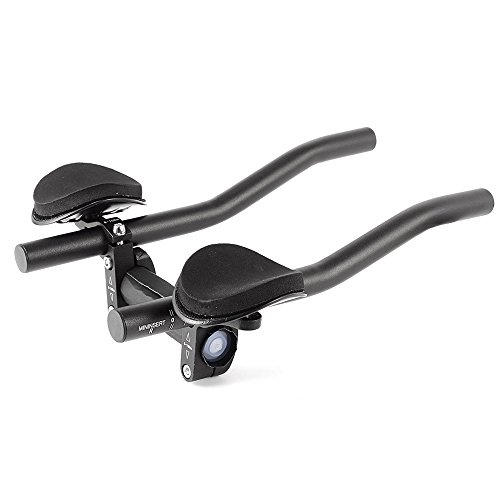
UPANBIKE leans into comfort with a mix of aluminum alloy, plastic arm pads, and sponge cushioning. That combination makes it a sensible option for riders who want arm support to feel a little softer than bare metal contact during steady efforts.
It is less specialized than the Profile Design bars above, and that can be a strength for mixed use on road, triathlon, or mountain setups. One thing worth considering is that the comfort bias may suit casual aero positioning better than a highly dialed race cockpit.
Bright Spots
- Sponge cushioning helps soften pressure at the arm contact points.
- Plastic pads paired with aluminum alloy keep the build straightforward.
- Broad bike compatibility makes it easier to fit into mixed garages.
- Good for everyday positioning changes rather than niche race tuning.
Areas To Watch
- Padding will likely need regular cleaning after sweaty rides.
- It does not aim for the race-specific refinement of higher-end clip-ons.
Feature Rundown
Right Fit For
You will get the most from this bar if you want a softer resting surface for casual aero efforts.
Where A Sibling Pick Shines
Profile Design Legacy II is a stronger fit for riders who want more adjustability in a triathlon-focused setup.
This DSRong option puts its weight behind the arm trays, which are made from aluminum alloy rather than a softer material. That matters because firmer trays usually feel more planted under your forearms, especially during longer stretches in the aero position.
Compared with the UPANBIKE bar, the design here sounds a little more rigid and less cushion-led. The trade-off is obvious, you gain a tougher platform, but you give up some of the softer contact feel that comfort-focused riders may prefer.
Reasons To Buy
- Aluminum alloy trays are built to resist flex under arm pressure.
- Useful for riders who want a firmer resting platform in front.
- The shape should suit a wide range of bike cockpits.
- Simple construction is easier to understand during setup.
Room For Improvement
- Less padding means the feel may be harder on long casual rides.
- The listing focuses on strength, not a long list of adjustment details.
Core Details
Who Should Grab It
You are the right match if you want a sturdier aero rest and do not need soft padding as the main selling point.
Swap It Out When
DRCKHROS Aero Bars suits you better if removable sponge pads matter more than a rigid tray feel.
DRCKHROS is the kind of aero bar that feels easy to live with, especially because the sponge mat can be removed for cleaning. That detail matters more than it sounds, because sweaty pads can get grimy quickly on regular training bikes.
The all-aluminum armrests give it a firmer backbone than softer padded models like UPANBIKE. For riders splitting time between road and mountain bikes, that mix of cleaner upkeep and simple construction makes it an appealing middle-ground option.
Best Bits
- Removable sponge mats make post-ride cleanup much easier.
- Aluminum alloy armrests add structure under the forearms.
- Good for riders who want a practical, low-fuss aero setup.
- Works across more than one bike style.
Minor Gripes
- Cleaning helps a lot, but sponge padding still needs regular attention.
- It leans practical more than highly adjustable or race-tuned.
Spec Overview
Who It Belongs On
This is a good fit for you if easy cleanup and broad bike compatibility matter more than advanced adjustability.
Reach For A Different Pick When
Profile Design Airstryke V2 is better for riders who want a more adjustable clip-on cockpit.
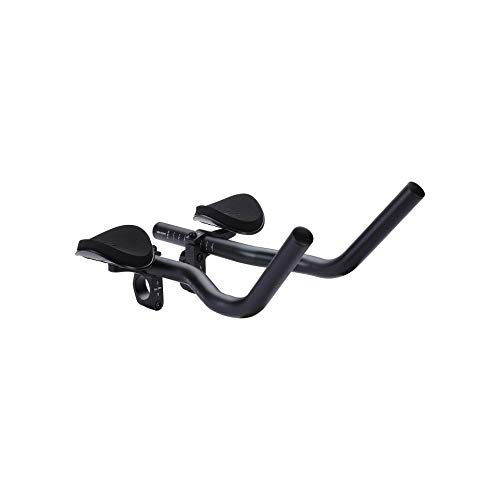
BHB-52 is the BBB option that leans into clamp compatibility, with support for 26 mm and 31.8 mm bar diameters. That kind of fit range is useful in the real world because older road bars and more current setups do not always share the same clamp size.
Compared with the AeroMax BHB-60, this version feels a bit more focused on the mount point than on the extension shape itself. For riders who already know their cockpit diameter, that can be a clean and sensible route, though the international listing notes mean you should pay attention to labeling and fit details.
Highlights
- Supports both 26 mm and 31.8 mm bar sizes.
- Two-piece aluminum build keeps the layout familiar.
- Helpful for upgrading bikes with older cockpit dimensions.
- Good fit flexibility for home mechanics.
Points To Note
- International product terms may affect language and instructions.
- You still need to confirm your bar diameter before fitting.
Technical Sheet
The Right Fit
You will like this set most if you need a clamp-friendly aero option for an older or mixed-bike garage.
A Better Fit Elsewhere
Profile Design Legacy II suits you better if armrest adjustability matters more than clamp range.
Airstryke V2 is the kind of clip-on setup that gives you room to shape the cockpit rather than forcing a fixed position. Adjustable stack and reach matter because stack is the vertical height and reach is the forward distance, so you can move the pads and extensions closer to your preferred posture.
That flexibility sets it apart from the more basic bars above, especially for riders dialing in a road bike or a training bike that sees both fast group rides and solo work. The matte black finish keeps the look understated, though you do need to pay attention to the rest of your front-end fit so the adjustability actually works for you.
Positives
- Adjustable stack and reach make fit changes more precise.
- Clip-on format is useful for road-bike conversions.
- Matte black finish keeps the cockpit visually clean.
- Good choice for riders who fine-tune position often.
Trade Offs
- More adjustment also means more setup attention.
- It works best when your base bar and fit numbers are already close.
Feature Card
Who Will Love This
You should gravitate here if you want a road-ready clip-on that gives you meaningful room to tune fit.
Where Another Pick Suits Better
Profile Design Legacy II is the better fit for triathlon riders who want a more dedicated race-focused layout.
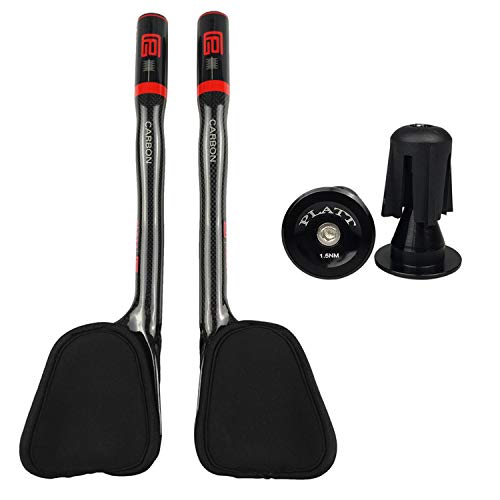
PLATT’s carbon TT bar is the light-feel option in this lineup, with a claimed weight of about 320 g and a 340 mm length. Carbon fiber matters here because it usually keeps the front end lighter than aluminum, which can be welcome on a bike where every gram and every bit of bar feel gets noticed.
Compared with the BBB aluminum bars, this PLATT model is aimed more at riders chasing a lighter cockpit than at anyone who just wants a simple, tough workhorse. The trade-off is pretty plain: carbon brings a premium feel, but the install and handling expectations are a little more exacting.
Standout Traits
- Carbon fiber construction keeps weight down.
- 340 mm length gives you a compact extension footprint.
- Suitable for road and mountain bike use.
- Good for riders who notice cockpit mass and balance.
Honest Caveats
- Carbon deserves careful installation and bolt handling.
- The lighter build may feel less forgiving than aluminum if you prefer a tougher daily workhorse.
Feature Overview
Whose Shelf It Belongs On
You are the right match here if you want a lighter aero bar for a performance-focused cockpit.
Not Your Match When
DRCKHROS Aero Bars suits you better if easy-to-clean pads matter more than a carbon build.
This gloss-white PLATT version keeps the same carbon structure and roughly 320 g weight as the darker model, but the finish changes the personality of the cockpit. That matters more than it sounds, because some riders want a clean visual match on a lighter build, especially on a road bike with a bright frame or pared-back parts.
It shares the same performance-minded trade-offs as the other carbon PLATT pick, so your choice here is mostly about finish preference and cockpit style. For riders who care about appearance as part of the overall build, this one has a quieter kind of appeal, like a tailored shirt rather than workwear.
Positives
- Carbon fiber keeps the bar light and performance-focused.
- Gloss white finish gives the cockpit a cleaner visual profile.
- Same 31.8 mm fit target as the darker PLATT model.
- Good for riders matching parts to a brighter frame build.
Points To Note
- White finishes can show dirt and wear more readily.
- Carbon still calls for careful installation habits.
Feature Snapshot
Built With In Mind
This belongs on a bike where looks matter as much as weight and you want a brighter cockpit finish.
Skip It When
BBB Cycling Aero Bars AeroBase BHB-52 is the better fit for riders who want clamp flexibility and a more traditional aluminum setup.
How To Choose The Right Bicycle Aero Bars
Start With Your Bike Type
Your frame decides a lot before the bar itself does. Triathlon and time-trial bikes usually suit dedicated aero extensions, while road bikes often do better with clip-on designs that preserve your base bar.
Mountain-bike and mixed-use setups can work too, but clamp shape and cockpit space matter more there. The wrong match can feel cramped or awkward, even if the bar looks right on paper.
Put Fit Before Flash
Stack and reach deserve attention because they affect how high and how far forward your forearms sit. Stack is the vertical height, and reach is the forward distance, so small changes can make the position feel calm or stretched out.
Armrest shape, pad material, and extension bend matter just as much. A firmer aluminum tray can feel stable, while sponge padding can make long rides easier on your elbows and forearms.
Match Materials To Your Routine
Aluminum bars usually make sense for riders who want a familiar, sturdy setup without much fuss. Carbon can trim weight and add a cleaner look, but it asks for more careful handling and installation.
For daily training, simple aluminum often feels easier to live with. For a lighter race bike or a cockpit where every part is chosen with care, carbon has a stronger case.
Think About Maintenance And Compatibility
Removable pads, easy-clean sponge sections, and sensible hardware can save time after sweaty rides. You also want to confirm clamp size, especially on older bars where 26 mm and 31.8 mm standards do not always line up.
That practical check matters more than fancy wording in the listing. A bar that fits cleanly and stays easy to maintain usually feels better after a month of riding than one with a more dramatic spec sheet.
Things Worth Knowing First
Common Shopping Slip Ups
Many people focus on the bar shape and forget the mounting standard. That mistake shows up fast when the clamp size does not suit the base bar or the cockpit leaves no room for the armrests.
Another common miss is treating padding like a small detail. On longer rides, the material under your forearms can be the difference between a cockpit that feels settled and one that nags at you.
What The Higher Tier Buys
More expensive aero bars usually bring lighter materials, finer adjustment, or a cleaner finish. Carbon is a good example, since it can trim weight and raise the overall feel of the cockpit.
That upgrade makes the most sense for riders who spend real time in the aero position or who care about cockpit tuning. For casual use, a simpler aluminum bar often leaves more money for parts that matter just as much.
Frequently Asked Questions
Are Bicycle Aero Bars Only For Triathlon Bikes?
No, you can use them on road bikes and some mountain bikes too. The right style depends on clamp fit, cockpit space, and how low you want your front end to feel.
What Does Stack And Reach Mean?
Stack is the vertical height of the armrest or extension area. Reach is how far forward the position extends, and both affect comfort more than most people expect.
Is Carbon Better Than Aluminum?
Carbon usually feels lighter and more premium, while aluminum often feels simpler and tougher for everyday use. The better choice depends on whether you value weight savings or a more straightforward build.
Do Sponge Pads Matter Much?
They matter a lot for long rides because they soften the contact point under your arms. Removable pads also make cleanup easier after sweaty training sessions.
What Should You Check Before Ordering?
Check clamp size, bike type, and whether your current cockpit has room for the armrests. A close fit matters more than chasing the flashiest material or shape.
Closing Thoughts
You have plenty of workable paths here, but the best choice comes down to how your bike fits and how much time you spend tucked into an aero position. Profile Design leans toward more refined fit and race use, while BBB, UPANBIKE, DRCKHROS, and PLATT cover the practical middle ground from comfort-first to lighter carbon setups. Pick the one that matches your cockpit honestly, and you’ll feel the difference on the road without overcomplicating the build.