

Bike brake parts look boring right up until you need them to feel right on a steep street, a wet commute, or a trail that keeps asking more from your hands and legs. This roundup keeps the focus on fit, compatibility, and the kind of stopping feel that matters in real use. You’ll see rim brakes, disc setups, and replacement pads, so you can match the part to your bike instead of guessing.
Quick Look At Our Shortlist

Shimano BR-CT91 Brake Shoes
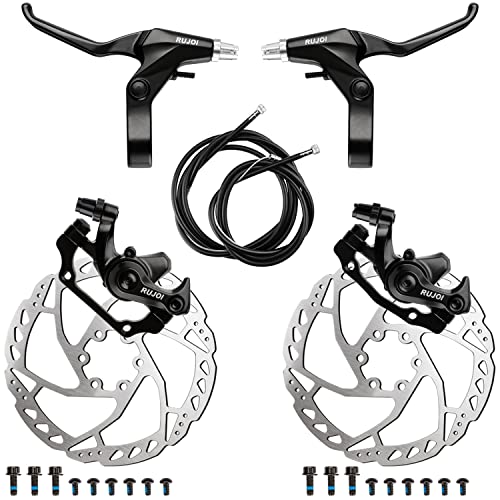
RUJOI Bike Disc Brake Kit

Tektro P20.11 Disc Brake Pads

CNC 2 Pairs Bicycle V-Brake Pads

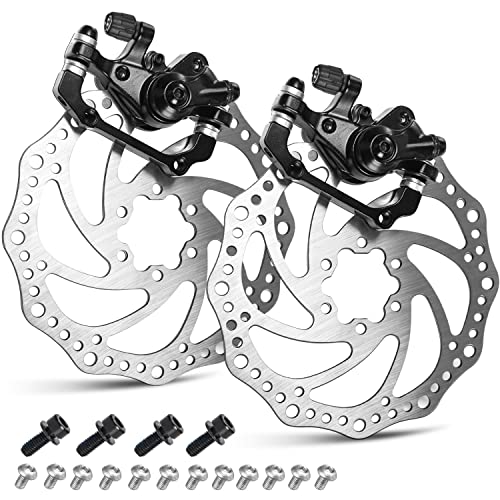
TOBWOLF MTB Cable Disc Brake Kit

CNC V Brake Set, 110mm


Shimano Deore/LX V-Brake Pads

Odyssey 1999 Sidepull Caliper Brake Set
More Details On Our Top Picks
For rim-brake bikes that just need fresh stopping surfaces, these shoes keep the job plain and direct. They suit a commuter, an older hybrid, or a casual town bike that still uses traditional calipers, and the black finish keeps the look understated.
The trade-off is simple, they only make sense on bikes that match this shoe style. Compared with the full RUJOI disc kit later in the list, this is the quieter maintenance fix, not a full brake-system refresh.
Strong Points
- Simple shoe swap for rim-brake upkeep.
- Black finish blends into most builds.
- Good fit for routine maintenance cycles.
- Works well for everyday city riding.
Things To Consider
- Only useful on compatible rim brakes.
- Old brake arms can still need alignment work.
Feature Snapshot
Who It Suits Best
It suits you best if your bike already uses rim brakes and you want a straightforward replacement part.
A Better Fit Elsewhere
Shimano Deore/LX Bicycle V-Brake Pads fit better for riders whose bike uses those specific V-brake models and wants a more model-matched pad.
This kit makes more sense for a bike that needs a broader brake refresh, not just a pad change. The aluminum calipers and full aluminum alloy lever point to a sturdier, more unified setup, which is handy on a road bike or mountain bike that sees regular miles.
The 160 mm rotor size is a familiar disc-brake format, and the mechanic pad adjuster lets you fine-tune pad position without extra tools. The catch is compatibility, because a disc conversion or replacement still depends on the rest of your frame and wheel setup.
What We Like
- Front and rear calipers come together.
- Aluminum parts keep the build clean.
- Tool-free pad adjustment helps daily tuning.
- 160 mm rotor format suits common builds.
Room For Improvement
- Best suited to bikes already set up for discs.
- Installation takes more planning than a pad swap.
- Full-system parts mean more points to align.
Core Details
Who Will Love This
It suits you best if you want a full disc-brake refresh for a road or mountain bike and prefer simple pad adjustment.
Swap It Out When
Shimano BR-CT91 Brake Shoes make more sense for a straightforward rim-brake service on a bike that does not use discs.
Pad swaps are the quiet workhorses of brake upkeep, and this Tektro set is aimed at that job. The metal-ceramic compound gives you a more specialized pad profile than plain rim shoes, so it suits riders who already know their Tektro disc setup and want a replacement that matches it closely.
In wet city rides or on mixed-surface commutes, compound choice matters because it changes how the brake feels during repeated squeezes. Compared with the broader RUJOI kit, this is the more focused fix, which is useful for maintenance but not for a full rebuild.
Highlights
- Compound pad design aims at consistent contact.
- Two-pack format covers a replacement cycle.
- Good fit for owners of matched Tektro systems.
Points To Note
- Only makes sense on compatible Tektro brakes.
- Pad replacement still needs basic wear checks.
At A Glance
Perfect Match For
You are in the right place if your bike already uses a supported Tektro disc brake and you want replacement pads without changing the whole system.
Another Choice May Suit
TOP BRAKE Disc Bike Brake Pads fit better for riders running SRAM Code, DB8, Motive, or AVID setups and need a wider compatibility match.
This set leans toward straightforward repairs, especially for mountain, road, or kids’ bikes that still use V-brakes or cantilever-style rim braking. The included hex nuts, shims, and wrench are useful because they reduce the number of extra bits you need during a basic brake service.
The 55 mm pad size matters because it helps you think about fit before you get into the job, and the two-pair layout covers front and rear work. The honest read is that this is a practical, not fancy, solution, which is exactly what many garage repairs need.
Positives
- Two pairs cover both wheels.
- Hardware is included for installation.
- Useful for family bikes and trail bikes.
- Good fit for routine rim-brake maintenance.
- Hex wrench helps simplify setup.
Areas To Watch
- Pad size still needs a compatibility check.
- Rim wear can affect how any pad feels.
- Installation takes basic mechanical comfort.
Spec Overview
Built With In Mind
This suits you best for a home brake refresh on a V-brake or cantilever bike, especially when you want the parts and tool in one place.
Where A Sibling Pick Shines
Shimano Deore/LX Bicycle V-Brake Pads make more sense for riders who need a more model-specific match to Deore or LX braking hardware.
These brake shoes are aimed at riders who want a dependable shoe compound for mixed weather, not just dry weekend rides. Shimano calls out wet and dry performance, so the appeal is clear for commuters who deal with unpredictable streets and don’t want their brake feel to swing wildly from one day to the next.
Black shoes also keep the look understated, which suits older road bikes and daily-use hybrids. Compared with the more general BR-CT91 shoes, the M65 set reads as the more weather-aware option, though it still depends on the right brake hardware.
Bright Spots
- Wet and dry use is the key draw.
- Black color stays visually quiet on the bike.
- Good fit for commuting in changing conditions.
Minor Gripes
- Only works on the correct shoe format.
- Old rim surfaces can affect braking feel.
Details At A Glance
Right Fit For
You will like this most for commuting or mixed-weather rides where a steadier brake feel matters more than flashy hardware.
Look Elsewhere When
CNC 2 Pairs Bicycle V-Brake Pads are the better match for a rider who wants a wider hardware bundle and a more DIY-friendly install kit.
This kit is aimed at bikes that need front and rear disc hardware together, with the added clarity of post-mount caliper design. For mountain bikes, folding bikes, and BMX setups, that can simplify a rebuild because the rotor and caliper pieces come from the same package.
The included 160 mm stainless steel rotors matter for people who want a more complete parts bundle instead of chasing pieces one by one. The trade-off is that this is still a disc-specific path, so you need a frame and wheel setup that belong in that world.
Best Bits
- Front and rear calipers are included.
- Two stainless steel rotors come with it.
- Post-mount design helps simplify fit planning.
- Useful for several off-road style builds.
Softer Spots
- Disc compatibility still has to line up.
- More parts mean more setup attention.
- Not a direct match for rim-brake bikes.
Technical Sheet
Whose Shelf It Belongs On
This belongs with you if your bike build is already set up for mechanical disc brakes and you want a more complete front-and-rear kit.
A Better Fit Elsewhere
Odyssey 1999 Sidepull Caliper Brake Set suits riders restoring a classic rim-brake bike and needing a caliper-plus-cable bundle instead.
Some bikes never leave the rim-brake lane, and this long-arm V-brake set serves that lane directly. The 110 mm arm length gives the assembly a clear identity, which matters for replacements on hybrid, commuter, and utility bikes that still use linear-pull hardware.
The clean black finish keeps the look modest, and the front and rear format makes it easier to think in terms of a full replacement. It is not the right answer for disc bikes, but for a standard V-brake swap, the shape and simplicity make sense.
Upsides
- Front and rear coverage keeps the job consistent.
- Long-arm format suits linear-pull brake setups.
- Black finish blends into most frames.
- Useful for routine commuter maintenance.
Worth Noting
- Only fits bikes that use V-brakes.
- Pad setup still depends on rim condition.
Quick Facts
The Right Fit
You should look at this for a standard V-brake bike that needs a direct replacement with a familiar long-arm layout.
Where A Sibling Pick Shines
RUJOI Bike Disc Brake Kit makes more sense for a bike moving toward mechanical discs rather than staying with rim braking.
This set stands out for compatibility breadth, which is exactly what matters when your brake family already lives in the SRAM and AVID world. The red MTB pad set is only one pair, so it reads like a precise replacement part for a specific brake line rather than a universal pad shelf filler.
The 2026 design award mention on the listing signals presentation, but the practical draw is still the fit list and the way it narrows the search for eMTB, downhill, trail, and enduro use. The trade-off is that very wide compatibility can still hide small fit differences, so model matching remains worth a careful look.
Reasons To Buy
- Fits a wide list of SRAM and AVID brakes.
- Useful for trail, enduro, and downhill bikes.
- One pair is enough for a targeted swap.
Small Caveats
- Compatibility still needs a model check.
- Single-pair format suits maintenance more than stocking up.
Feature Card
Made For
This is a good fit for you if your bike uses one of the listed SRAM or AVID disc brake systems and you want a targeted replacement pair.
Not Your Match When
Tektro P20.11 Disc Brake Pads are a better fit for riders who need pads built around Tektro-specific disc brakes instead.
This pair is the focused choice in the lineup for Deore and LX V-brake systems, so it serves a narrower but very useful job. That matters because exact brake family matching often saves you the headache of guessing, especially on older mountain or hybrid bikes that still run rim brakes.
The listed M600, M570, and M70T3 fit note tells you this is about model awareness, not broad compatibility theater. Compared with the more general CNC V-brake set, this one is the tighter match for Shimano-specific hardware.
Standout Traits
- Model-specific fit can reduce guesswork.
- Good choice for Shimano V-brake systems.
- Pair format keeps replacement simple.
Honest Caveats
- Only works for the listed brake families.
- Older rims may still need cleaning or truing.
Feature Rundown
Who Should Grab It
This suits you best if your bike already runs Shimano Deore or LX V-brakes and you want a direct-fit pad replacement.
Reach For A Different Pick When
CNC 2 Pairs Bicycle V-Brake Pads is the easier fit for a rider who wants extra hardware and a broader install kit.
This is the classic-style option in the list, and the inclusion of the brake, lever, and cable keeps the package easy to understand. That bundled layout is useful for a retro road bike or a sidepull caliper rebuild where you want the whole control chain in one place.
It looks especially sensible for a restoration project or a simple refresh on a bike with older hardware, because the parts belong together visually and mechanically. The honest trade-off is that sidepull setups are more niche than V-brake or disc choices, so compatibility deserves a close look.
Positives
- Brake, lever, and cable come together.
- Good fit for classic road-bike restoration.
- Black finish keeps the look tidy.
- Useful for a full sidepull refresh.
Points To Note
- Sidepull format is more specialized than others.
- Older frames may need careful setup.
Core Details
Built For
This belongs on your shortlist if you are restoring or maintaining a bike that uses a sidepull caliper brake setup.
Where Shoppers Go Wrong
Shimano BR-CT91 Brake Shoes are the safer route for anyone who only needs rim shoe replacements, not a full caliper-and-control set.
How To Choose The Right Bicycle Brakes
Match the brake style to the frame
Rim brakes, V-brakes, sidepull calipers, and disc brakes solve the same problem in different ways. Your frame and fork decide most of the answer, because disc mounts and rim brake posts are not interchangeable, and a shoe set only helps when the brake arms already match.
Think about where you ride
City riding with stops every few blocks asks for easy maintenance and dependable pad wear. Trail riding, long descents, and heavier loads push you toward disc hardware or at least a stronger pad compound, while a casual bike on flat streets can stay simpler.
Pay attention to pad and rotor details
Pad material changes feel, noise, and wear behavior, so the compound matters more than many shoppers expect. Rotor size also matters on disc bikes, because a 160 mm rotor is a common, practical format, but it still needs to fit the rest of the system cleanly.
Choose the least complicated fix that fits
A fresh shoe pair is often enough for a rim-brake bike. A full disc kit makes sense only when you need calipers, levers, and rotors together, and that bigger step is worth it mainly for riders who want a more complete overhaul.
What To Weigh Before You Shop
Common Shopping Slip Ups
A lot of friction comes from buying the right brake style but the wrong family or size. Shimano V-brake pads do nothing for a disc setup, and a 55 mm pad set still needs the correct arm shape and mounting hardware.
Another common miss is overlooking the rest of the braking system. Worn rims, stretched cables, bent mounts, or misaligned calipers can make even decent parts feel off, so the surrounding hardware deserves a quick check before you replace anything.
The Upgrade Payoff
Higher-tier brake parts usually cost more because of materials, tighter fit targets, and more complete kits. Aluminum calipers, stainless rotors, and model-specific pads tend to reduce guesswork and make the setup feel cleaner in use.
That upgrade makes the most sense for riders who log frequent miles, carry extra load, or ride steep terrain. For a plain commuter bike or an older town bike, a simpler replacement often makes better sense and keeps maintenance easier.
Frequently Asked Questions
What kind of bicycle brakes should you choose for an older bike?
Start by matching the brake type already on the frame, then narrow it by pad shape and hardware. Older bikes often use rim brakes, so a simple shoe or pad replacement is usually the right path.
Are disc brake pads and rim brake pads interchangeable?
No, they serve different brake systems and mount in different ways. Disc pads work with rotor setups, while rim pads and shoes press against the wheel rim.
How often should you replace brake pads?
Wear depends on riding conditions, rim condition, and pad compound. Wet streets, hilly routes, and frequent stopping can shorten pad life, so a quick visual check is smart.
Do you need special tools to install bicycle brake parts?
Some parts install with basic hand tools, while others need more setup care. Kits that include a wrench or pad adjuster can make the job easier, especially for home repairs.
Which brake type suits everyday commuting best?
Rim brakes are simple and easy to maintain, while disc brakes usually offer a more involved setup. For a daily commuter, the better choice is the one that matches your frame and keeps maintenance manageable.
Closing Thoughts
The right bicycle brake part is the one that fits your frame, your riding style, and your patience for maintenance. A commuter bike may only need fresh shoes or pads, while a trail bike or restoration project can justify a fuller kit with calipers, levers, and rotors. Shimano and Tektro cover the more precise replacement jobs, while RUJOI, TOBWOLF, and Odyssey serve bigger system changes. Match the part first, then think about feel, and you’ll make a cleaner choice.