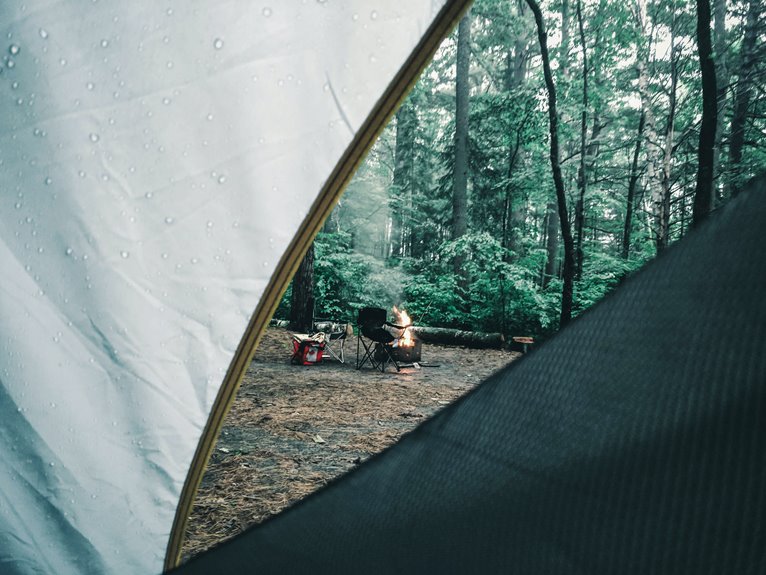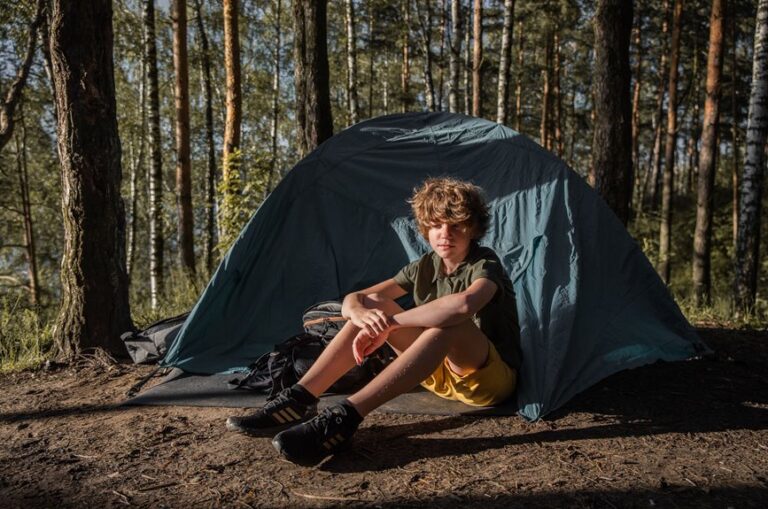

Big group camping gets cramped fast when everyone needs a sleeping spot, dry bags, and a little breathing room. You benefit from a larger tent on family campground stays, reunion weekends, and car-camping trips where packing light matters less than staying organized. These nine choices range from instant cabin layouts to multi-room designs, with options for six to fourteen people. Focus on floor plan, door placement, and setup style before choosing your campsite home.
The Shortlist at a Glance
Core 9 Person Instant Cabin Tent

TIMBER RIDGE 6 Person Blackout Instant Cabin Tent
UNP 6 Person Waterproof Family Cabin Tent with Rainfly
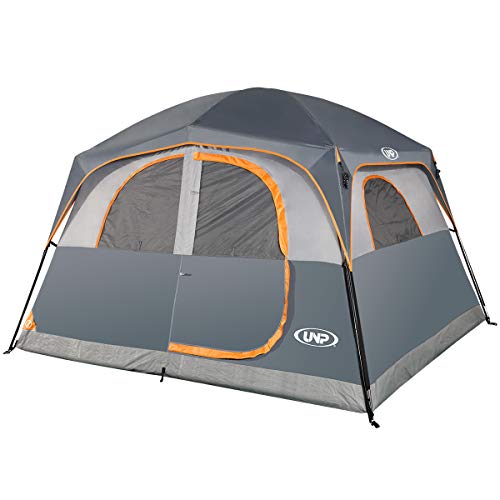
UNP 6 Person Waterproof Family Cabin Tent with Rainfly

KTT Extra Large 8-10-12-14 Person Family Cabin Tent (A)
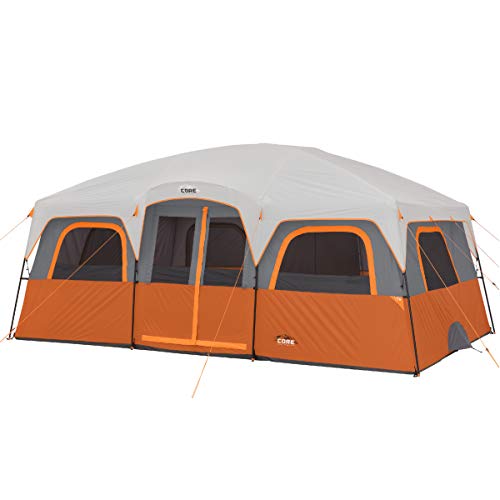
CORE 10/11/12 Person Multi Room Cabin Tent
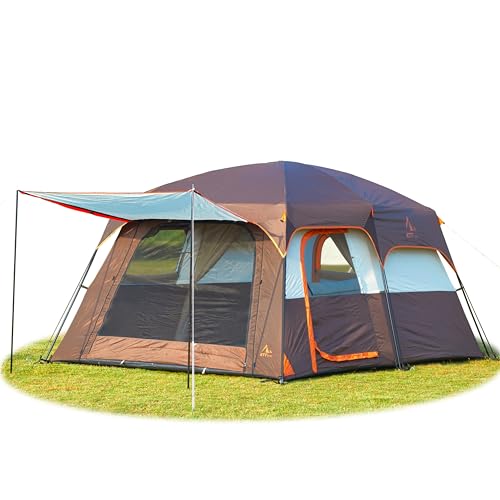
KTT Extra Large 10-12-14 Person Family Cabin Tent Style-B

PORTAL 6/8/10 Person Family Tunnel Tent with Screen Room

HIKERGARDEN 10 Person Family Dome Tent
More Details On Our Top Picks
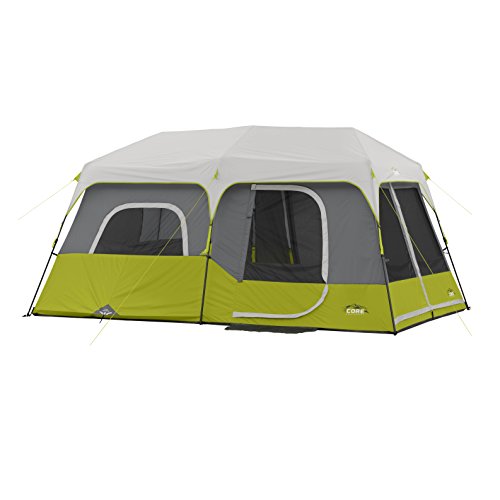
The 14-by-9-foot footprint gives your group a genuinely broad cabin-style base, rather than a narrow sleeping-only shelter. An instant tent uses pre-attached framing, so your setup routine has fewer loose pieces to sort through at the campground.
For family trips with several sleeping pads and duffels, the 9-person capacity offers welcome flexibility. The honest read is that a tent this large still needs a level, clear site and enough room in your vehicle for transport.
Strong Points
- 14-by-9-foot floor area supports a roomier family sleeping layout.
- Instant construction cuts down on separate frame assembly at camp.
- Cabin format suits cots, mattresses, and upright movement better than a low dome.
- Green finish blends naturally into many wooded campground settings.
Things To Consider
- The large floor needs a carefully cleared campsite before setup.
- You will want to dry the tent fully before long-term storage after wet weekends.
Key Specs
Who It Suits Best
You benefit most from this Core tent during car-camping weekends where fast setup and generous family floor space matter more than compact packing.
Where Another Pick Suits Better
TIMBER RIDGE 6 Person Blackout Instant Cabin Tent suits smaller groups seeking a more compact 9-by-9-foot shelter.
Compared with the wider Core 9 Person Instant Cabin Tent, this TIMBER RIDGE option keeps the footprint to 9 by 9 feet for a more contained campsite setup. Its blackout design is intended to reduce interior light, a useful trait for campers who turn in before sunset or sleep after a bright morning.
The stated 60-second setup format appeals to parents managing children, chairs, and food bins at once. Depending on the ground conditions, you may still need extra time to stake and position the rainfly neatly.
What We Like
- Blackout design can make daytime rest feel less exposed to outside brightness.
- 9-by-9-foot dimensions fit many standard campground pads.
- Instant cabin arrangement helps keep arrival-day setup moving.
- Included rainfly adds an outer weather layer over the tent body.
- 72-inch height gives many adults more comfortable standing room.
Worth Noting
- Six-person capacity works better with sleeping pads than several large air mattresses.
- Darkened interiors can make it harder to locate small gear without a lantern.
- Fold the rainfly only after it has dried to help avoid stale storage odors.
At A Glance
Made For
You will appreciate this model on short family outings where a quick pitch, darker interior, and moderate footprint fit your plans.
Consider Something Else When
Core 9 Person Instant Cabin Tent suits larger groups that need a 14-by-9-foot sleeping area.
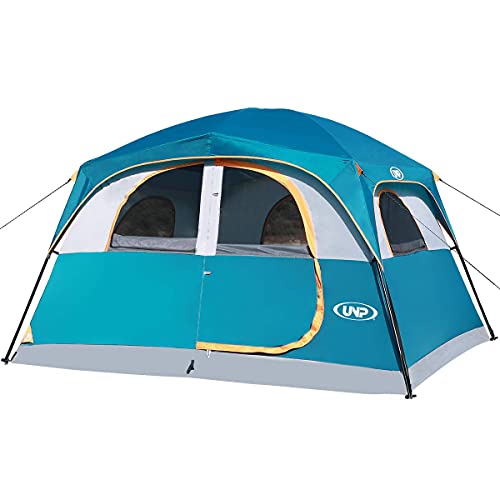
Ventilation is the defining detail here: one mesh door and five large mesh windows create several openings for airflow. Mesh is an open woven panel that lets air pass while creating a barrier across the opening, which can feel helpful during warm campground nights.
Unlike the blackout-focused TIMBER RIDGE tent, this UNP cabin layout leans into light and circulation. For a six-person group using pads rather than oversized beds, the 10-by-9-foot base and 78-inch height look especially practical.
Highlights
- Five large mesh windows give your group several ventilation points.
- 78-inch height creates more comfortable changing space for many adults.
- 10-by-9-foot floor supports a useful rectangular layout for pads.
Trade Offs
- More mesh openings mean you will need to manage window closures during changing weather.
- The double-layer setup adds an outer layer to position during packing and setup.
- Owners commonly find that folding a cabin tent is easier with two people guiding the fabric evenly.
- One door can create a busier entrance during group meal and bedtime routines.
Technical Sheet
Right Fit For
You get the most from this UNP tent during warm-weather family camping where airflow and stand-up height take priority.
Not Your Match When
PORTAL 6/8/10 Person Family Tunnel Tent with Screen Room fits your needs better when you want a dedicated screened area beyond the sleeping space.
This second UNP listing carries the same stated 10-by-9-foot cabin format, 78-inch height, rainfly, and mesh-door-and-window layout as the prior UNP entry. You may prefer it as a separate listing option when you are comparing retailer page details, included variants, or availability.
Its double-layer construction combines the main tent body with an exterior weather layer. That arrangement makes sense for campers wanting airflow options without moving into the much larger KTT multi-room formats.
Upsides
- Double-layer construction separates the main living area from the outer rainfly.
- Five large mesh windows help air circulate across a full tent.
- Cabin walls and 78-inch height help reduce the crouching common in lower tents.
- Waterproof description targets campers planning around mixed forecast conditions.
- Easy-setup positioning suits occasional campers who want less assembly complexity.
- 10-by-9-foot dimensions offer useful space without entering mega-tent territory.
Minor Gripes
- Six claimed sleeping spaces can feel close once bulky luggage enters the tent.
- Keep window mesh clear of grit before packing to reduce abrasion during storage.
Feature Snapshot
Best Suited To
You will find this UNP option useful for a six-person family camp where ventilation and a tall cabin profile matter more than extra rooms.
Look Elsewhere When
CORE 10/11/12 Person Multi Room Cabin Tent better suits your group when separate sleeping areas are central to the trip.
For reunions and large family gatherings, the KTT Style-A format moves beyond a standard single-room shelter with two rooms, three doors, and three mesh windows. Straight walls generally preserve more usable space near the edges than sharply sloped walls, which matters around cots and camp chairs.
It offers several capacity choices from eight through fourteen people, so you can match the variant to the group size. One thing worth considering is the extra site planning required for a multi-room tent with several entry points.
Standout Traits
- Two rooms help you create clearer sleeping or gear zones.
- Three doors reduce the need for everyone to use one busy entrance.
- Three mesh windows bring airflow into the larger layout.
- Straight-wall form leaves more practical edge space for mattresses.
Room For Improvement
- Its extra-large format needs a spacious, level campsite.
- Multiple doors and windows mean more zippers and mesh panels to inspect before packing.
- Large family tents are easier to fold and store with a second person.
Quick Facts
Who Will Love This
You will benefit from this KTT tent during group camping, picnics, and family gatherings where internal separation is more useful than a compact carry.
A Better Fit Elsewhere
Core 9 Person Instant Cabin Tent makes more sense for your weekend trip when a simpler instant structure is the priority.
The CORE multi-room cabin range suits the kind of car-camping trip where your tent becomes the group’s base for several days. Compared with the six-person UNP cabins, its 10-, 11-, and 12-person size options provide a larger capacity starting point.
Multiple rooms create a more organized interior, useful for separating sleeping zones from bags and changing space. For most family campsites, that added organization outweighs the extra time needed to choose a sufficiently large tent pad.
Bright Spots
- 10-, 11-, and 12-person options serve different family sizes.
- Multi-room layout supports more orderly long-stay camping.
- Cabin structure gives your group a familiar room-like arrangement.
Points To Note
- More interior sections can make setup more involved than an instant tent.
- Check campground pad limits before bringing a large multi-room cabin tent.
- Dry and shake out each room section before storage to keep debris from collecting in folds.
- Car camping is the intended use, so this format does not suit long walks from parking.
Feature Rundown
Who Should Grab It
You should consider this CORE design for extended car-camping trips with a large family that values separate zones inside the tent.
Skip It When
HIKERGARDEN 10 Person Family Dome Tent better fits your group when a single broad dome interior suits your sleeping arrangement.
KTT Style-B follows the same large-family direction as Style-A but starts at ten people and extends through fourteen. The two-room, straight-wall design gives your group options for separating sleeping areas without leaving the tent.
Three doors are particularly handy during a crowded morning, since fewer people need to climb across sleeping bags to get outside. The trade-off shows up at setup: a tent this expansive benefits from a calm, deliberate pitch rather than a rushed arrival.
Reasons To Buy
- Capacity options span 10, 12, and 14 people.
- Three doors improve entry access for a large group.
- Two rooms support more private sleeping arrangements.
- Three mesh windows help reduce the closed-in feel of a big cabin.
- Double-layer design pairs the tent body with an outer layer.
Softer Spots
- Large groups still need to plan sleeping layouts carefully to avoid clutter.
- Take a moment to clean soil from door zippers before putting the tent away.
Spec Overview
Built With In Mind
You will get the strongest fit from KTT Style-B for multi-family campouts where multiple entrances and room division reduce daily friction.
Another Choice May Suit
PORTAL 6/8/10 Person Family Tunnel Tent with Screen Room suits you more when an insect-screened sitting zone matters more than maximum capacity.
The PORTAL design takes a different route from the cabin tents by using a tunnel shape with an attached screen room. A screen room is a mesh-enclosed area intended for sitting, eating, or storing campsite items while keeping the space separated from the main sleeping section.
You can choose a six-, eight-, or ten-person version, which makes it easier to size the tent around your regular group. In bug-heavy campgrounds, the screened portion may feel more useful than a second enclosed bedroom.
Plus Points
- Screen room gives you a separate place for chairs or meal gear.
- 6-, 8-, and 10-person capacity choices cover several group sizes.
- Tunnel structure creates a longer, zone-based campsite layout.
Small Caveats
- A tunnel footprint can require more length than a square cabin tent.
- The screen room adds another area to sweep out before packing.
- Water-resistant wording differs from the waterproof language used by the UNP and KTT listings.
- Patio use still calls for a clear surface without sharp objects beneath the floor.
Details At A Glance
The Right Fit
You will appreciate the PORTAL tent at seasonal campgrounds where a screened hangout space supports meals, games, and gear organization.
Reach For A Different Pick When
KTT Extra Large 10-12-14 Person Family Cabin Tent Style-B suits larger reunions needing two rooms and three doors.
The HIKERGARDEN option offers a straightforward ten-person dome format for outdoor family trips. Dome tents use curved poles that cross overhead, creating a rounded profile instead of the vertical lines of the cabin tents above.
Compared with the PORTAL tunnel design, this pick skips the separate screen room in favor of a unified sleeping space. For a casual group camp with ten people listed as capacity, you may want to leave some claimed space for bags and changing room.
Best Bits
- 10-person capacity targets a larger family or friend group.
- Dome format offers a familiar all-in-one camping layout.
- Outdoor family focus makes it a natural match for vehicle-accessible campsites.
- Unified interior keeps your sleeping arrangement in one shared zone.
Areas To Watch
- A shared dome layout does not provide the room division of the KTT or CORE multi-room tents.
- Give the tent floor time to dry and brush away campsite debris before storing it.
Feature Card
Whose Shelf It Belongs On
You should look at this HIKERGARDEN dome for large casual camping trips where one open shared interior suits your group.
Where A Sibling Pick Shines
CORE 10/11/12 Person Multi Room Cabin Tent fits your plans better when separate areas help your family stay organized over several nights.
How To Choose The Right Big Tents For Camping
Start With Real Sleeping Space
Capacity labels describe how many sleeping positions a tent can accommodate, but your actual group carries bags, shoes, lanterns, and bedding too. A six-person tent often feels most comfortable for fewer people using larger pads, while a ten-person option can give a family room to spread out. Match the stated capacity to your sleeping gear rather than headcount alone.
Floor shape matters as much as the number on the package. A 10-by-9-foot rectangular cabin lets you arrange pads along the edges, while a tunnel tent creates lengthwise zones. Before leaving home, map your intended bedding layout with painter’s tape on the floor.
Choose a Layout That Matches Camp Life
Cabin tents favor upright movement and more useful wall space, which suits families changing clothes or using cots. Dome tents create a shared central interior and can suit casual groups that do not need separate zones. Multi-room tents bring more organization, especially on longer trips where sleeping bags and meal gear start to spread everywhere.
Doors deserve close attention. A tent with several entrances can reduce bedtime disruption for large groups, while a single-door layout asks everyone to share the same route. Screen rooms add an outdoor-adjacent sitting area, though you will have another section to clean and pack.
Think Through Setup and Storage
Instant tents reduce loose-pole assembly, which can make arrival easier after a long drive. Larger multi-room shelters usually require more deliberate setup because more fabric, doors, and room sections need positioning. Bring a second adult for any very large tent, particularly on breezy days.
You should also plan for drying space at home. Moisture trapped in packed fabric can create unpleasant odors and can affect the tent’s condition over time. Sweep out dirt, let the material dry, and fold it loosely before placing it in its storage bag.
Read Weather Language Carefully
A rainfly is an outer cover placed over the main tent body, helping direct rain away from the shelter. Double-layer construction usually refers to the combination of the inner tent and that outer layer. These details give you more control over ventilation, but they also add setup steps.
Water-resistant and waterproof are not interchangeable listing terms. Check the product page closely for setup guidance and use the rainfly as directed. A well-chosen campsite, with level ground and no low spots, remains just as important as the tent design.
A Few Things to Think Through First
Common Shopping Slip Ups
Avoid choosing capacity by headcount alone. Your sleeping pads, duffels, pet gear, and a changing area all take floor space, so leave room for the way your group actually camps.
Another common mistake is choosing a tent before checking campsite dimensions. Large cabins and tunnel tents need a clear pad, plus enough surrounding room for stakes, doors, and rainfly lines.
Where the Extra Money Goes
Higher-tier large tents often add more room divisions, doors, screened areas, taller profiles, or quicker setup designs. Those features can make a long campground stay more comfortable because your group has clearer places to sleep, store gear, and move around.
Paying more makes sense for frequent car campers, large families, and groups that use a tent as a base for several nights. A simple open-layout dome may be the smarter fit for occasional one-night outings.
Frequently Asked Questions
How many people fit comfortably in a large camping tent?
You will usually have more comfort by using fewer people than the stated maximum capacity. Larger pads, luggage, and indoor changing space reduce usable floor area.
Are cabin tents better for family camping?
You may prefer cabin tents for their taller walls and more upright interior space. They suit cots, air mattresses, and family routines that involve frequent movement inside.
What is the benefit of a screen room?
A screen room gives you a separate mesh-enclosed space for chairs, meals, or gear. It can be especially useful at campgrounds where flying insects are common.
Do you need a rainfly for campground trips?
A rainfly adds an outer layer above the tent body. You should use it according to the listing instructions and adjust it for your expected conditions.
Can one person set up a large tent?
You can manage some instant models alone on calm days. Very large cabins and multi-room tents are generally easier with another adult helping position the fabric and frame.
Closing Remarks
Your right tent depends less on the largest listed capacity and more on how your group sleeps, stores gear, and spends time at camp. Choose the Core 9 Person Instant Cabin Tent for broad floor space with a simpler setup approach, the PORTAL tunnel tent for a screened hangout zone, or a KTT or CORE multi-room option for larger groups wanting separation. Smaller families may find the TIMBER RIDGE or UNP cabins easier to manage. Give yourself extra room, check your campsite dimensions, and you will start the trip with a far calmer setup.