
Bikepacking asks a lot from your shelter. You need a tent that fits your route, packs sensibly alongside riding gear, and gives you a dry place to rest after a full day in the saddle. This list covers compact two-person and three-person camping tents for solo riders, pairs, and riders who want extra room, plus one large cabin option for base-camp trips rather than bike-mounted travel.
The Shortlist at a Glance
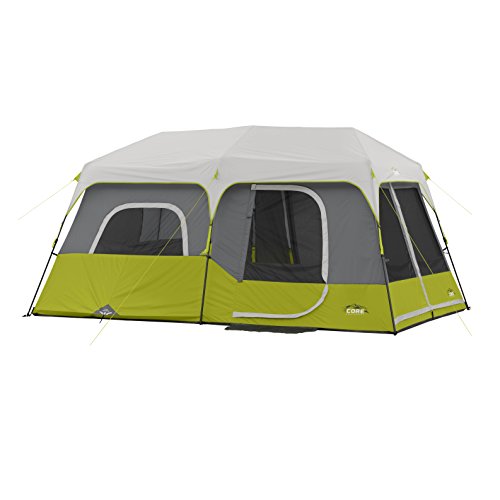
Core 9 Person Instant Cabin Tent Green (40008)

Naturehike Mongar 2 Person Backpacking Tent 3 Season

Naturehike Mongar 2 Person Backpacking Tent 3 Season

Naturehike Mongar 2 Person Backpacking Tent 3 Season

Clostnature Waterproof Camping Tent 190T Polyester PU2000
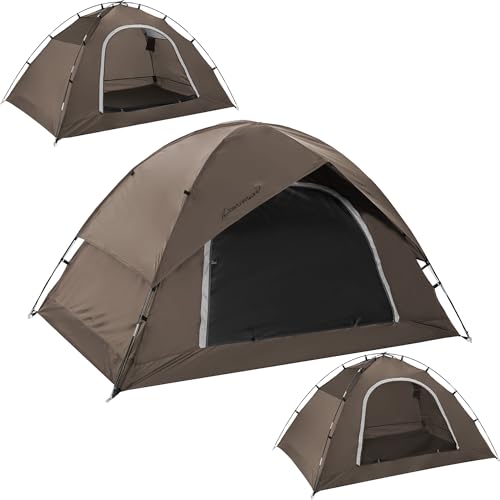
Clostnature Waterproof Camping Tent 190T Polyester PU2000

Naturehike Cloud Up 3 Person Tent with Footprint
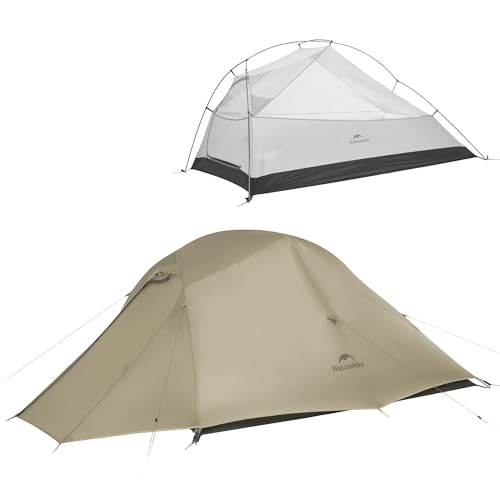
Naturehike Cloud Up 3 Person Tent with Footprint

Naturehike Cloud Up 3 Person Tent with Footprint
More Details On Our Top Picks
For a group campsite, the Core 9 Person Instant Cabin Tent brings a very different approach from the compact Naturehike shelters below. Its 14-by-9-foot cabin format and nine-person capacity suit car-supported trips, family gatherings, or a stationary cycling camp where your tent does not need to ride on your bike.
The instant setup format can reduce camp setup steps after a long drive. You may find its size excessive for a touring route, though that same space gives your group room to organize sleeping pads and bags.
Strong Points
- The 14-by-9-foot floor offers a broad shared sleeping area.
- Instant construction can make arrival at a fixed campsite less demanding.
- Nine-person capacity suits large group outings.
- The cabin shape gives you a more home-like base-camp layout.
Things To Consider
- Its stated size makes it poorly suited to handlebar or saddle-bag packing.
- You will need substantial vehicle storage between trips.
Key Specs
Who It Suits Best
You benefit most from this Core shelter when your cycling trip includes vehicle support, a family campsite, or a long stay in one location.
Where Another Pick Suits Better
The Naturehike Mongar 2 Person Backpacking Tent 3 Season suits you better for two-rider routes where packed bulk matters every day.
Naturehike positions the Mongar as a lightweight two-person tent for camping, hiking, and cycling. Unlike the Core cabin tent, this is the format that makes sense beside compact bikepacking luggage and a route that changes campsites each night.
A double-layer tent uses a separate inner tent and outer fly, helping you manage living space and weather coverage. Its freestanding design means the structure can stand before staking, which can be useful on firm ground where you need to adjust placement.
What We Like
- The two-person layout suits couples or solo riders carrying panniers inside.
- Three-season positioning matches spring, summer, and fall trips.
- A double-layer layout separates the sleeping area from the outer shelter.
- Freestanding setup helps you reposition camp before securing it.
- The cycling-focused design fits the intended travel style.
Worth Noting
- Two people and full cycling luggage can make interior organization feel close.
- You should dry both layers fully before long-term storage to avoid trapped moisture.
- The supplied details do not distinguish this configuration from the other Mongar listings here.
At A Glance
Made For
You get the clearest fit here as a solo bikepacker wanting extra gear room or as part of a pair traveling through three-season conditions.
Consider Something Else When
The Naturehike Cloud Up 3 Person Tent with Footprint suits you better when your route needs room for a third sleeper or more interior gear space.
This Mongar listing follows the same core brief as Item 2: a lightweight, freestanding, double-layer shelter for two people. That combination can work well for riders moving camp frequently, since you can establish the tent body before choosing the final stake positions.
For overnight rail-trail stops or campground touring, the three-season designation is the important part of its identity. You may prefer a wider three-person layout where two adults need interior space beyond sleeping pads.
Highlights
- Freestanding architecture supports flexible campsite positioning.
- Two-person sizing keeps the shelter focused on pairs and solo riders.
- Lightweight positioning supports travel where every packed item matters.
Trade Offs
- A compact two-person tent asks you to keep helmets, shoes, and bags organized.
- You may need to wipe dirt from the floor before packing after wet campground stays.
Technical Sheet
Right Fit For
You benefit from this Mongar version on weekend rides where a two-person shelter and movable setup are more useful than cabin-style space.
Not Your Match When
The Core 9 Person Instant Cabin Tent Green (40008) is a better match for your group campsite with vehicle-based gear transport.
The third Mongar option remains a focused two-person bikepacking tent rather than a larger shared shelter. Compared with the Cloud Up picks later in this list, its stated two-person capacity keeps your carried shelter aligned with small touring teams.
The honest read is that you should compare the individual listing details before selecting among the Mongar entries, since the supplied information gives them the same design description. Its lightweight, three-season, double-layer format remains the reason to consider it.
Upsides
- Three-season use supports common bike touring months.
- The double-layer form gives you a dedicated inner sleeping area.
- Freestanding construction can make uneven campsite positioning easier to manage.
- Its cycling use case aligns directly with overnight riding trips.
- Two-person capacity avoids carrying the scale of a group tent.
- Lightweight intent supports more restrained packing lists.
Minor Gripes
- The source details do not provide packed dimensions for planning handlebar storage.
- You will want a separate dry storage routine for the tent after muddy rides.
- Two sleepers may need to keep bulky luggage outside the main sleeping area.
- Configuration differences need checking on the individual listing.
Feature Snapshot
Best Suited To
You are well matched to this Naturehike Mongar option as a pair packing light for spring through fall campground routes.
Look Elsewhere When
The Clostnature Waterproof Camping Tent 190T Polyester PU2000 suits you better for a casual campsite where ventilation and polyester construction matter more than a cycling-specific brief.
Clostnature takes a broader camping approach with a waterproof, compact, freestanding tent offered in two-person and four-person formats. Where the Mongar listings emphasize bike travel, this option also speaks to youth outings, scouts, and general outdoor camping.
Its 190T polyester fabric is a textile designation listed for the tent, while PU2000 identifies the stated coating specification. You may find the listed ventilation particularly useful during warmer overnight stops, though the exact capacity configuration deserves a close look before packing.
Standout Traits
- 190T polyester gives you a clearly named tent fabric.
- The PU2000 specification provides a stated weather-oriented coating detail.
- Freestanding setup helps you place the shelter before securing it.
- Ventilation is listed for more comfortable warm-weather camping.
Room For Improvement
- You need to confirm whether the selected listing is the two-person or four-person configuration.
- Polyester fabric should be fully dried and brushed clean before storage after damp trips.
Quick Facts
Who Will Love This
You fit this Clostnature option well for scout trips, casual campouts, or bike-supported camping where you can choose the right capacity version.
A Better Fit Elsewhere
The Naturehike Mongar 2 Person Backpacking Tent 3 Season serves you better for compact two-rider travel with a stated cycling focus.
Like Item 5, this Clostnature listing combines a lightweight, compact format with a freestanding design and ventilation. That makes it a sensible direction for shorter outdoor trips where your tent may travel by bike, car, or on foot.
It is not positioned as specifically for cycling as the Mongar, so your packing system matters more here. For a first overnight route with established campsites, the simple setup focus can be appealing.
Bright Spots
- Compact design helps keep campsite gear manageable.
- Easy setup supports newer campers learning a repeatable routine.
- Freestanding structure lets you adjust placement around roots or rocks.
Points To Note
- You should verify selected capacity because both two-person and four-person options appear in the supplied title.
- The source does not state packed length, so bike-bag fit needs checking before you commit to a carrying plan.
- After dusty trails, you may need to clean the polyester fabric before rolling it away.
Feature Rundown
Who Should Grab It
You may appreciate this version as a newer camper seeking a compact shelter for short trips and established camping areas.
Skip It When
The Naturehike Cloud Up 3 Person Tent with Footprint is more suitable for your three-person group or for added ground-layer coverage.
The Cloud Up moves from the Mongar’s two-person layout to a stated three-person format, while retaining lightweight and freestanding positioning. That added capacity can matter for three riders or two people who prefer more room for clothing and small bags.
An included footprint is a separate ground sheet placed beneath the tent floor. On campsites with rough or damp ground, that extra layer can make your setup feel more complete without sourcing another matching piece.
Reasons To Buy
- Three-person capacity offers more shared space than the Mongar models.
- The included footprint adds a dedicated layer beneath the tent floor.
- Freestanding construction supports flexible camp placement.
- Three-season use aligns with typical bikepacking calendars.
- Lightweight positioning helps riders avoid a large family-tent format.
Softer Spots
- More interior capacity can require more careful packing than a two-person shelter.
Spec Overview
Built With In Mind
You are a strong match for this Cloud Up version when two riders want breathing room or three people share a lightweight camping plan.
Another Choice May Suit
The Naturehike Mongar 2 Person Backpacking Tent 3 Season fits you better for a tighter two-rider kit with no need for extra capacity.
This Cloud Up listing keeps the useful three-person, three-season, and freestanding formula of Item 7. For a couple on a multi-night route, the extra stated capacity can give wet clothing and riding layers somewhere to go rather than crowding the sleep area.
The footprint remains a meaningful inclusion for campsites where the ground is uneven or dirty. You may still want to confirm the packed form against your handlebar roll or rear rack plan.
Plus Points
- The footprint is included rather than left as a separate item.
- Three-person capacity supports a roomier two-person campsite.
- Lightweight design intent keeps it closer to touring needs than the Core cabin tent.
- Freestanding placement can help on busy campgrounds.
Small Caveats
- Three-person space may be more tent than a solo rider needs.
- You should shake debris from the footprint before packing to protect the rest of your luggage.
Details At A Glance
The Right Fit
You benefit most from this Cloud Up configuration as a touring pair that values extra interior room and an included footprint.
Reach For A Different Pick When
The Clostnature Waterproof Camping Tent 190T Polyester PU2000 suits you more for general scouting or casual camping with capacity options.
The final Cloud Up option is built around the same practical mix of a three-person capacity, three-season positioning, a footprint, and freestanding setup. Compared with every Mongar listing here, it gives your camp more stated sleeping capacity without shifting to the huge footprint of the Core cabin tent.
For longer touring weekends, that middle ground can be attractive. One thing worth considering is that the provided information does not identify the differences among the Cloud Up listings, so check each configuration carefully.
Best Bits
- Three-season design fits common overnight riding periods.
- A freestanding tent lets you refine placement before staking.
- The included footprint supports tidier ground preparation.
- Three-person capacity works for a pair carrying extra camp layers.
- Camping and hiking positioning supports mixed-mode trips.
Areas To Watch
- You need to compare the individual listing configuration before matching it to your luggage system.
- Dry the footprint separately after rain so packed fabric does not hold moisture.
- The larger stated capacity can be unnecessary for minimalist solo travel.
Feature Card
Whose Shelf It Belongs On
You suit this Cloud Up model when your bikepacking plan includes a partner, extra gear, and regular three-season campsites.
Where A Sibling Pick Shines
The Naturehike Cloud Up 3 Person Tent with Footprint at Item 7 may suit you better when that specific listing matches your preferred configuration.
How To Choose The Right Bikepack Tents
Start With Your Packed Carry Plan
A bikepacking tent must work with your luggage layout, not just your sleeping arrangement. Check packed length, packed diameter, and total carried bulk against your handlebar roll, fork bags, rack bag, or frame bag before leaving home. A two-person tent often gives a solo rider useful space for clothing, while a three-person model can suit two riders who prefer not to stack gear beside sleeping pads.
Split components across two bikes on paired routes whenever possible. One rider can carry poles while the other carries fabric and stakes, which often makes a larger shared shelter more manageable.
Match Capacity to Camp Reality
Tent capacity usually describes sleeping positions, not generous storage for bikes, helmets, shoes, and wet layers. Two people can sleep in a two-person tent, but a touring pair with loaded bags may prefer three-person capacity for more comfortable organization. Solo riders wanting the lightest carried setup often stay with a smaller shelter and leave gear in a protected vestibule or under a cover.
The Core 9 Person Instant Cabin Tent belongs in a different category. It works for a fixed group campsite, not for a route where your shelter travels on the bike each day.
Choose Structure for Your Campsites
Freestanding tents use poles to hold their basic shape before stakes secure them. You can reposition that structure more easily on compacted campgrounds, gravel pads, or uneven ground, though staking still matters for a properly secured campsite.
Double-layer construction uses an inner tent plus an outer fly. That format can suit humid nights because it separates the sleeping compartment from the outer weather layer, but you need to pack and dry two pieces of fabric after wet travel.
Plan for Three-Season Conditions
Three-season tents are intended for the milder parts of the year rather than severe winter conditions. Your route elevation, local forecast, campsite exposure, and planned sleeping system matter as much as the tent label. For spring and fall touring, prioritize a calm setup routine, a dry packing method, and enough interior space to manage layers after a wet day.
Practical Notes Before Choosing
Common Shopping Slip Ups
Many cyclists choose capacity based only on how many people will sleep inside. Your bags, footwear, rain layers, and camp clothes also need a plan, especially on multi-day routes. A three-person tent can be sensible for two people, while a solo rider may find that extra fabric difficult to fit into a minimal luggage setup.
Another common mistake is skipping packed-size checks. A lightweight label does not tell you whether the pole sections fit your handlebar arrangement, so match the listing details to your actual bag dimensions.
Where The Extra Money Goes
Higher-tier shelters often focus on reducing carried weight, refining pole systems, improving fabric choices, and including useful extras such as a footprint. Those details can matter more on long routes where you set up and pack down repeatedly.
Paying more makes sense when you ride frequently, cover varied terrain, or need a carefully controlled packed kit. For occasional campground nights, a straightforward freestanding tent with the right capacity may give you all the function you need.
Frequently Asked Questions
Can You Use a Two-Person Tent for Solo Bikepacking?
You can use a two-person tent for solo bikepacking when you want indoor room for luggage and clothing. The trade-off is additional packed bulk compared with a smaller solo shelter.
Why Does a Footprint Matter for Bikepacking?
A footprint is a separate fabric layer placed underneath your tent floor. It can help keep the tent base cleaner on damp or rough campsites.
Are Freestanding Tents Useful on Cycling Trips?
Freestanding tents can be useful because you can move the tent before final staking. That flexibility helps on crowded campgrounds and uneven ground.
What Does Three-Season Mean for a Tent?
Three-season describes a tent intended for spring, summer, and fall conditions. Your sleeping bag, local weather, and route elevation still shape your overnight comfort.
Can a Three-Person Tent Work for Two Riders?
A three-person tent can work well for two riders who carry clothing and small bags inside. You will need to balance that added room against the extra space in your bike luggage.
Final Thoughts
Your right shelter depends on how you travel, not just how many people sleep inside. Naturehike Mongar options make the most sense for compact two-person touring, while the Cloud Up three-person choices give your pair more breathing room and include a footprint. Clostnature offers a more general camping direction for casual outdoor trips, and the large Core cabin tent fits fixed group camps rather than daily riding. Match capacity, structure, season use, and packed dimensions to your own route, then your camp routine will feel far less complicated.