
Bikepacking Saddles cover two very different needs: carrying your overnight kit beneath the saddle, and making the saddle itself more workable through long hours of pedaling. Your right choice depends on whether you need dry storage, compact repair-kit space, rack-mounted cargo, or a more cushioned riding position. Daily commuters, weekend trail riders, and multi-day tourers all face the same problem, limited space around the bike and little room for poorly secured gear.
The Shortlist at a Glance
TOPCABIN Bicycle Back Shelf Seat Cushion
ROCKBROS Small Saddle Bag Storage Pouch

Topeak Aero Wedge Pack

Rhinowalk Waterproof Bike Saddle Bag 13L
Rhinowalk Waterproof Bike Saddle Bag 10L

Rhinowalk Waterproof Bike Pannier Bag 25L

Selle Italia S 5 Superflow Saddle

Moocci MTB Gel Mountain Bike Saddle Cushion

Rhinowalk Waterproof Bicycle Underseat Saddle Bag
More Details On Our Top Picks
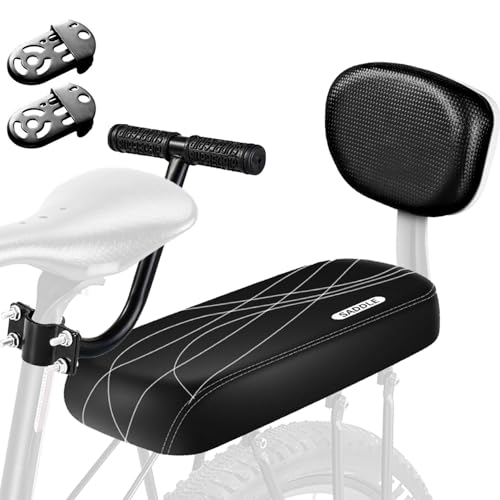
Bikepacking often means carrying equipment, but some rides call for a rear passenger cushion instead. TOPCABIN Bicycle Back Shelf Seat Cushion is designed to sit on a separate rear rack and provides a padded place for a passenger during short neighborhood or campground rides.
Your rack matters here because no rack comes with this cushion. You may find it more useful for relaxed utility riding than for loaded backcountry routes, where a saddle bag such as the Rhinowalk Waterproof Bike Saddle Bag 10L carries more practical equipment.
Strong Points
- Adds a padded rear seating surface to a compatible rack.
- Lets you keep the primary saddle clear for your own riding position.
- Useful around campgrounds, waterfront paths, and short local errands.
Things To Consider
- You need to provide a compatible rear rack separately.
- You should check rack stability and cushion attachment before each ride.
Key Specs
Who It Suits Best
Your fit is short-distance utility cycling where a rear rack already supports a passenger cushion.
Where Another Pick Suits Better
Rhinowalk Waterproof Bike Saddle Bag 13L suits you better for carrying clothing and camping gear beneath your saddle.
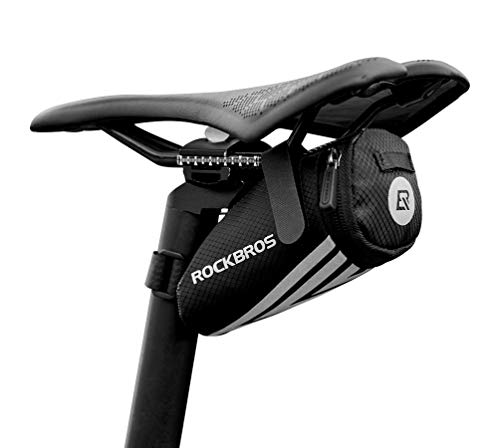
A small under-seat pouch makes more sense than a large bikepacking bag for your everyday tube, tire levers, and compact multitool. ROCKBROS uses two mounting straps to sit under the saddle, a straightforward approach that suits road bikes, mountain bikes, folding bikes, and BMX setups.
Its high-strength nylon body is intended to resist tears, while the rubberized underside helps reduce rubbing against the bike. For most weekday rides, that restrained profile is the point, though it will not replace the carrying space of the Topeak Aero Wedge Pack.
What We Like
- Two straps keep your repair essentials close beneath the saddle.
- Nylon construction helps the pouch retain its shape through regular use.
- Rubberized bottom reduces contact wear against the bike.
- Low-profile format avoids a bulky shape behind your seat.
Worth Noting
- You should wipe the rubber base after muddy rides to limit grit buildup.
- Compact capacity suits essentials rather than spare layers or food.
- Straps need occasional tightening after rough trail miles.
At A Glance
Made For
You benefit most from this compact pouch during commutes and day rides with a small repair-kit load.
Consider Something Else When
Topeak Aero Wedge Pack suits you more for rides needing an expandable compartment and a quick-release mounting system.
Topeak Aero Wedge Pack gives you a middle ground between the ROCKBROS pouch and a full-size bikepacking bag. Its QuickClick system, meaning a release mechanism that lets you detach the bag without undoing every strap, works with a seatpost strap for quicker transitions.
The expandable body gives you room to adapt your load for a longer road loop, then keep it smaller on a basic commute. Nothing flashy, but your spare tube, tools, snack, and packable shell can stay in one organized place.
Highlights
- QuickClick mounting supports faster removal at your destination.
- Expandable construction adapts to a lighter or fuller daily load.
- Large opening makes it easier to reach smaller repair items.
- Medium size avoids the sway associated with much larger seat packs.
- Seatpost strap adds a secondary point of retention.
Trade Offs
- You need to keep the mounting hardware clear of packed mud for smooth release.
Technical Sheet
Right Fit For
Your strongest fit is regular road or gravel riding where you want organized essentials without a large under-seat load.
Not Your Match When
Rhinowalk Waterproof Bicycle Underseat Saddle Bag suits you more for wet-weather rides where a sealed material construction matters more.
A 13L under-seat bag belongs on your bike when an overnight route requires clothing, food, and soft camping equipment without adding a rear rack. Rhinowalk Waterproof Bike Saddle Bag 13L sits far beyond the everyday capacity of the Topeak Aero Wedge Pack.
Your packing order becomes important at this size, with heavier items closer to the saddle rails and lighter layers toward the rear. You may notice more movement on bumpy descents with an overfilled bag, so a balanced load remains worth the effort.
Upsides
- 13L capacity supports multi-day packing without a rack.
- Waterproof construction suits routes where rain can arrive mid-ride.
- Under-seat placement keeps your handlebars clearer for steering.
Minor Gripes
- A fuller bag needs careful packing to reduce side-to-side movement.
- You should air-dry the bag after wet rides before storing it indoors.
Feature Snapshot
Best Suited To
You get the most from this 13L bag on overnight gravel, road, or mountain routes with a compact sleeping setup.
Look Elsewhere When
Rhinowalk Waterproof Bike Pannier Bag 25L suits you more for laptop commuting and rack-supported grocery or work loads.
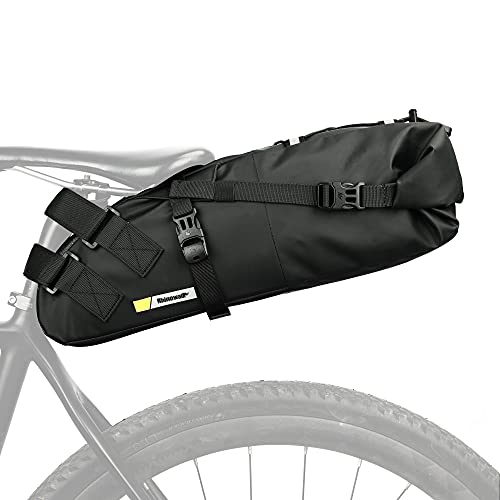
Rhinowalk Waterproof Bike Saddle Bag 10L offers a more contained bikepacking load than the 13L version. The PVC polyester body is built for wear resistance, and the inner fabric carries a 3,000 mm water-pressure rating, meaning material resistance measured against a column of water.
Its external elastic cord gives you a place for a pump, damp layer, or helmet, which can keep the main compartment reserved for dry gear. The honest read is that an exposed wet layer needs attention after the ride, not just a quick toss into storage.
Standout Traits
- 10L capacity works well for a weekend packing list.
- PVC polyester resists wear from regular trail use.
- Waterproof inner fabric and seam strips support rainy routes.
- External elastic cord carries damp layers separately from dry kit.
- Dedicated outside space can keep a pump immediately accessible.
- Smaller volume than the 13L version can be easier to keep stable.
Room For Improvement
- You should remove wet clothing from the outer cord after your ride.
- External gear can catch more trail spray than items stored inside.
- Your rack-mounted load may be a better fit for the 25L pannier.
Quick Facts
Who Will Love This
You benefit most from this bag on one- or two-night rides where weather protection and compact packing both matter.
A Better Fit Elsewhere
Rhinowalk Waterproof Bike Saddle Bag 13L suits you more when your sleeping kit and spare clothing need added volume.
This Rhinowalk design moves away from seatpost-supported storage and onto your cargo rack. Its 25L roll-top body expands from 17.7 to 24 inches tall, giving you useful flexibility for a work bag, groceries, or a larger touring load.
A pannier is a rack-mounted side bag, and that lower cargo position can feel more settled than a heavily packed saddle bag. You need a rack with rails between 0.4 and 0.7 inches in diameter, so compatibility deserves attention before your route begins.
Bright Spots
- 25L capacity handles much more than a typical under-seat bag.
- Roll-top expansion adjusts for a slim commute or bulkier cargo.
- Laptop sleeve and mesh pockets separate work items from loose gear.
- Shoulder strap lets you carry the bag after locking your bike.
Points To Note
- You need a compatible cargo rack before installation.
- The larger format is less suitable for narrow singletrack riding.
- You should rinse grit from the mounting buckles after muddy routes.
Feature Rundown
Who Should Grab It
Your best use case is a rack-equipped commuter bike that carries a laptop, change of clothes, or substantial daily cargo.
Skip It When
Rhinowalk Waterproof Bike Saddle Bag 10L suits you more for off-road bikepacking where rackless storage keeps your setup narrower.
Not every bikepacking improvement comes from luggage. Selle Italia S 5 Superflow Saddle focuses on your primary contact point with the bike, making it a relevant choice for long seated days where your existing saddle no longer suits your riding posture.
Compared with the Moocci MTB Gel Mountain Bike Saddle Cushion, this is a dedicated saddle rather than a thickly padded comfort-oriented option. Your fit remains personal, so saddle shape and setup position deserve more attention than a model name alone.
Reasons To Buy
- Dedicated saddle design supports a more considered cockpit setup.
- Superflow designation identifies the model within the Selle Italia range.
Softer Spots
- Your comfort depends heavily on saddle width, angle, and riding posture.
- You may need to adjust saddle height and fore-aft position after installation.
- No luggage capacity comes with a primary saddle replacement.
Spec Overview
Built With In Mind
You are the right match for this saddle when longer seated mileage makes your current riding position feel unsuitable.
Another Choice May Suit
Moocci MTB Gel Mountain Bike Saddle Cushion suits you more for casual rides where thicker foam and gel padding appeal to you.
Moocci MTB Gel Mountain Bike Saddle Cushion puts padding at the center of its design. High-density foam and artificial fatty gel create a softer contact surface than a basic hard polymer saddle, while the PVC leather cover is described as waterproof.
Your relaxed trail rides, e-bike trips, and path riding may benefit from that thicker build. The trade-off shows up during long, fast pedaling sessions, where a heavily cushioned shape can feel less direct than the Selle Italia S 5 Superflow Saddle.
Plus Points
- High-density foam adds cushioning for casual riding.
- Gel layer provides another padded contact surface.
- Waterproof PVC leather makes cleanup easier after wet rides.
- Thicker construction suits riders seeking a softer saddle feel.
- Works for men and women according to the listing.
Small Caveats
- You should wipe the PVC surface dry after rain or muddy trail spray.
- Thick padding may not suit your preferred pedaling position on long rides.
Details At A Glance
The Right Fit
You suit this saddle for casual mountain bike, e-bike, and leisure rides where a thicker cushion is your priority.
Reach For A Different Pick When
Selle Italia S 5 Superflow Saddle suits you more for longer mileage where you want a dedicated cycling-saddle format.
Rhinowalk Waterproof Bicycle Underseat Saddle Bag emphasizes weather resistance in a compact under-seat form. Its 600D TPU material uses high-frequency welding, a process that joins material with heat and pressure rather than conventional stitched seams.
The shape is designed to reduce wind resistance, which makes sense for your faster road rides and streamlined commuting setup. Compared with the larger 10L and 13L Rhinowalk bags, this option is more focused on protecting a smaller essentials load.
Best Bits
- 600D TPU material provides a light, weather-resistant outer shell.
- Welded construction avoids conventional stitched seam lines.
- Compact shape keeps the area behind your saddle streamlined.
- Smooth TPU material is easier to wipe clean after dirty rides.
Areas To Watch
- You should clean road grit from the bag exterior before long-term storage.
- Compact under-seat sizing limits your load to smaller essentials.
- Your exact packing capacity depends on the items you carry.
Feature Card
Whose Shelf It Belongs On
You benefit most from this bag during wet commutes and fast day rides with tools, a tube, and small valuables.
Where A Sibling Pick Shines
Rhinowalk Waterproof Bike Saddle Bag 10L suits you more for overnight equipment that needs substantially more carrying space.
How To Choose The Right Bikepacking Saddles
Start With Your Carrying Volume
A compact under-seat pouch works for your tube, tools, CO2 inflator, and tire levers, while 10L to 13L saddle bags better suit spare clothing, food, and soft overnight equipment. Your route length should set the capacity, not the urge to fill every available pocket. A half-empty large bag can shift more than a tightly packed smaller one on rough ground.
Choose Rackless or Rack-Mounted Storage
Rackless saddle bags attach beneath your seat and keep your bike narrower for gravel paths and singletrack. Rack-mounted panniers move weight lower and give you more usable structure for work gear, groceries, and a laptop. Your bike needs compatible rack hardware before a pannier makes sense, while a saddle bag needs adequate clearance between the rear tire and saddle rails.
Put Weather Protection in Context
Waterproof materials help on wet tours, but your packing habits still matter. Keep electronics, dry layers, and sleeping equipment inside the most protected compartment, then use exterior cords for damp jackets or a pump. After a rain-heavy ride, open your bag at home and let moisture escape before storage.
Treat Your Main Saddle Separately
A bikepacking saddle bag does not solve discomfort from your actual seat. Your saddle shape, width, angle, handlebar reach, and riding posture all affect long-distance comfort. A gel-padded saddle may suit casual rides, while a more cycling-focused saddle can make more sense for your regular high-mileage position.
A Few Practical Details Before You Commit
Common Shopping Slip Ups
A frequent mistake is choosing the largest bag for a short route. Your load becomes harder to stabilize, and an overloaded saddle pack can sway over rough terrain. Match storage space to your actual overnight kit, then pack heavier items nearest the saddle.
Another misstep is overlooking attachment points. Your saddle rails, seatpost space, rear-tire clearance, and cargo rack dimensions all affect compatibility. Measure first, especially with a full-suspension bike or a compact frame.
What The Higher Tier Buys
Higher-tier luggage often adds stronger shell materials, welded construction, sealed linings, more thoughtful mounting hardware, and organized internal storage. Those details matter most during repeated wet commutes, extended tours, and routes with rough surfaces.
A higher-capacity pannier can also add laptop storage, compression straps, and shoulder carrying options. Your upgrade makes sense where those functions support your normal riding routine rather than just an occasional outing.
Frequently Asked Questions
What size saddle bag works for overnight bikepacking?
A 10L to 13L saddle bag can suit a compact overnight load. Your sleeping equipment and clothing bulk determine the practical capacity you need.
Can you use a saddle bag on a mountain bike?
You can use one when your bike has enough tire clearance and saddle-rail space. Your bag needs firm attachment to reduce movement over rough trails.
Are waterproof saddle bags useful for commuting?
They help keep your packed items protected during rain and road spray. You should still dry the bag after a wet ride before storing it.
What should you keep in a small under-seat pouch?
Your pouch can hold a spare tube, tire levers, compact multitool, and small repair items. Keep bulky layers and food in larger bikepacking luggage.
Does a padded saddle replace proper bike fit?
A padded saddle can change your seated feel, but it cannot correct poor saddle height or angle. Your bike position remains important for longer rides.
Closing Remarks
Your strongest Bikepacking Saddles setup starts with an honest look at your typical ride. A small ROCKBROS or Topeak pouch keeps essential repairs organized, while Rhinowalk’s larger saddle bags suit longer routes with clothing and camping gear. Rack-equipped commuting calls for the 25L pannier, and your primary saddle deserves separate attention when seated comfort becomes the larger issue. Choose the capacity and mounting style that fits your bike, your route, and the amount you genuinely carry.