
Bikepacking tents need to fit around a route, not dictate it. Your shelter has to pack neatly beside food, tools, and layers, then set up without turning a tired evening into a lengthy chore. These nine options focus on freestanding layouts, compact-oriented designs, and practical two-person shelter choices for solo riders, pairs, weekend touring, and mixed hiking-and-cycling trips.
The Shortlist for Your Next Overnight Ride

Naturehike Mongar 2 Person Backpacking Tent, 3 Season Ultralight

Naturehike Mongar 2 Person Backpacking Tent, 3 Season Ultralight

Night Cat Upgraded 1-2 Person Backpacking Tent

camppal 2-3 Person Backpacking Tent Double Door 2 Vestibule, 3 Season

camppal 2-3 Person Backpacking Tent Double Door 2 Vestibule, 3 Season

MARMOT Crane Creek 2P/3P Backpacking Tents

Clostnature 1/1.5/2/3/4/6 Person Lightweight Backpacking Tent

Clostnature 1/1.5/2/3/4/6 Person Lightweight Backpacking Tent
Clostnature 1/1.5/2/3/4/6 Person Lightweight Backpacking Tent
More Details On Our Top Picks
The Naturehike Mongar centers on a two-person, three-season format that suits overnight rides from spring through fall. A double-layer tent uses a separate inner shelter and outer rainfly, helping you manage ventilation and weather coverage more flexibly than a single-wall shelter.
Its freestanding structure matters on hard-packed campsites where staking options are limited. For riders sharing a tent and splitting poles or fabric between bags, this may be the more practical Naturehike Mongar listing to consider.
Strong Points
- Two-person layout gives you room for a companion or extra riding layers.
- Freestanding pitching lets you reposition the shelter before securing it.
- Double-layer construction supports more adaptable overnight ventilation.
- Three-season positioning fits typical bikepacking weather windows.
- Lightweight-focused design makes more sense than a bulky car-camping shelter.
Things To Consider
- Three-season positioning is not intended for harsh winter conditions.
- Owners commonly benefit from drying the inner and fly separately after rainy camps.
Key Specs
Who It Suits Best
You’ll get the most from this Naturehike Mongar on two-person bikepacking trips or solo overnights where extra interior breathing room matters.
Where Another Pick Suits Better
Night Cat Upgraded 1-2 Person Backpacking Tent suits newer campers more comfortably when clip-based setup is your main priority.
This second Naturehike Mongar listing carries the same stated two-person, ultralight, double-layer, and freestanding design cues as Pick 1. That combination serves riders who alternate between bikepacking, hiking, and casual campground nights rather than buying separate shelters for each activity.
The honest read is that the supplied listing details do not identify the precise variation differences between the two Mongar options. Checking the selected listing configuration before packing for a long route is sensible.
What We Like
- Freestanding setup works well across varied camping surfaces.
- Lightweight positioning suits limited handlebar-roll and frame-bag space.
- Two layers give you separate inner and outer tent components.
- Two-person capacity keeps a solo setup from feeling overly tight.
Worth Noting
- The listing source does not state packed dimensions or packed weight.
- You may need to divide components between two bikes for a tidier load.
- Air-drying the fabric before storage helps avoid packing damp material away.
At A Glance
Made For
You’ll appreciate this Naturehike Mongar when one lightweight tent needs to cover cycling trips, hikes, and ordinary campground use.
Consider Something Else When
camppal 2-3 Person Backpacking Tent Double Door 2 Vestibule, 3 Season suits partners who want stated dual-door access and two gear-storage vestibules.
Night Cat puts easy clip setup at the center of this compact backpacking-tent design. Clips attach the tent body to poles, which can be less fiddly than threading poles through long fabric sleeves after a full day of pedaling.
Compared with the two Mongar listings, this option leans more clearly toward a straightforward setup routine. Riders bringing a tent on scout outings or quick one-night trips may value that simplicity most.
Highlights
- Clip-based assembly can shorten the setup learning curve.
- Stated one-to-two-person sizing gives solo riders flexibility.
- Compact, lightweight direction aligns with bikepacking storage constraints.
Trade Offs
- A one-to-two-person tent can feel more personal than roomy for two adults.
- The supplied details do not provide a seasonal rating.
- Clip attachment points deserve a quick check before each trip, especially after dusty travel days.
- Heavy-rain positioning appears in the title, but no construction rating is supplied.
Technical Sheet
Right Fit For
You’ll benefit most from this Night Cat tent as a newer bikepacker who wants a compact shelter with a more direct clip-based pitching routine.
Not Your Match When
MARMOT Crane Creek 2P/3P Backpacking Tents makes more sense for campers choosing between stated two-person and three-person capacities.
Two doors and two vestibules separate this camppal option from the simpler capacity-focused choices above. A vestibule is a covered area outside the inner sleeping space, useful for keeping shoes, helmets, and damp pannier covers out of your sleeping area.
The 2-3 person range may feel especially useful for two riders carrying bulky gear. You’ll want to confirm the selected variation before departure, since the supplied material does not identify which capacity is tied to this ASIN.
Upsides
- Two doors reduce the need to climb over a sleeping companion.
- Two vestibules create separated places for muddy shoes and riding bags.
- Three-season positioning fits touring from warmer spring into fall.
- Waterproof and windproof claims suit riders expecting changeable overnight weather.
- UPF 50+ is stated for added sun-focused coverage.
- Easy setup helps keep camp chores manageable after a long riding day.
Minor Gripes
- A 2-3 person footprint can take more campsite space than a solo shelter.
Feature Snapshot
Best Suited To
You’ll find this camppal tent especially useful on two-person bikepacking routes where both riders bring helmet, bags, and wet-weather layers.
Look Elsewhere When
Clostnature 1/1.5/2/3/4/6 Person Lightweight Backpacking Tent suits solo riders who want a stated one-person capacity option.
Like Pick 4, this camppal listing combines a 2-3 person format with two doors, two vestibules, and three-season use. That makes it a relevant choice for motorcycle trips too, where extra sheltered storage can keep riding gear from crowding the sleeping zone.
The listing also states waterproof and windproof performance, plus UPF 50+ coverage. For most touring pairs, the dual-entry layout is the more meaningful everyday benefit.
Standout Traits
- Separate entries make shared camps more comfortable.
- Covered vestibules keep some gear outside the sleeping compartment.
Room For Improvement
- Source details do not state packed size, an important check for narrow handlebar setups.
- You may find the 2-3 person design excessive for a minimalist solo route.
- Vestibule floors and door zippers need cleaning after muddy camps to keep grit from building up.
Quick Facts
Who Will Love This
You’ll get the strongest fit from this camppal option as a touring pair that values separate entry points and exterior gear zones.
A Better Fit Elsewhere
Naturehike Mongar 2 Person Backpacking Tent, 3 Season Ultralight is a better match for pairs focused specifically on a stated ultralight, double-layer build.
The MARMOT Crane Creek listing gives you a clear capacity decision between 2P and 3P versions. That flexibility stands apart from the Night Cat’s one-to-two-person range and may help you match shelter space to how much equipment joins you inside.
Footprints are also referenced in the listing title. A footprint is a groundsheet placed beneath a tent floor, and it can reduce abrasion on rough campsites, though you’ll need to verify the selected configuration for included components.
Bright Spots
- Two capacity options help you avoid carrying more tent than your trips need.
- Backpacking and camping positioning works for bike-and-hike itineraries.
- Footprint availability offers a route toward extra floor protection.
- The 3P route may give two riders more room for overnight organization.
Points To Note
- The listing title does not provide season rating, pole material, or packed dimensions.
- Three-person shelters generally require more thought around campsite size and bike load distribution.
- Inspect a footprint for trapped grit before storage, since abrasion can occur from debris underneath.
- Selected 2P and 3P configurations may differ in the gear you need to carry.
Feature Rundown
Who Should Grab It
You’ll suit the Crane Creek range when you need the choice between a standard two-person shelter and a roomier three-person format.
Skip It When
Night Cat Upgraded 1-2 Person Backpacking Tent fits short solo-focused trips more naturally when compact clip setup matters more than expanded capacity.
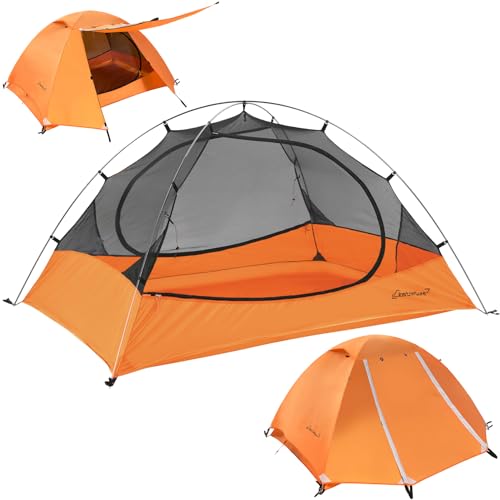
Clostnature offers the broadest stated capacity range here, from one person through six. For bikepacking, the smaller stated sizes deserve the closest look because shelter volume can quickly compete with food and repair supplies in your luggage.
Unlike the Mongar’s stated double-layer description, this listing foregrounds aluminum poles, two doors, freestanding setup, and PU 5000. PU 5000 refers to a polyurethane coating rating stated by the listing, commonly used to describe fabric water resistance.
Reasons To Buy
- Capacity choices let you narrow your shelter to the size of your actual group.
- Aluminum poles support a lighter travel-oriented construction direction.
- Two doors reduce disruption in shared sleeping arrangements.
- Freestanding design helps on compact sites with awkward stake placement.
- PU 5000 fabric rating gives you a stated water-resistance reference point.
Softer Spots
- You’ll need to verify which capacity corresponds to this specific listing selection.
Spec Overview
Built With In Mind
You’ll appreciate this Clostnature range as a rider who wants to choose a smaller stated tent capacity instead of carrying a fixed two-person design.
Another Choice May Suit
camppal 2-3 Person Backpacking Tent Double Door 2 Vestibule, 3 Season suits pairs who prioritize stated vestibule storage for riding gear.
This Clostnature listing repeats the range’s lightweight, compact, freestanding, and two-door focus while highlighting PU 5000-coated fabric. For riders planning wetter routes, a stated coating figure may be more useful than a broad weather label alone.
The catch is that capacity selections span from one through six people, so your exact packed load and interior room depend on the variation chosen. Keeping the selected size small is usually the sensible move for a bike-first overnight.
Plus Points
- PU 5000 gives you a defined coating rating to compare across listings.
- Aluminum poles align with the tent’s lightweight intent.
- Two doors help partners enter and exit without squeezing past each other.
Small Caveats
- Larger capacity choices can reduce the compact advantage that matters on a bicycle.
- Owners commonly need to rinse and dry the ground-facing fabric after muddy camps.
Details At A Glance
The Right Fit
You’ll get the most from this Clostnature option on wet-route bikepacking trips where a stated PU 5000 coating rating is central to your shortlist.
Reach For A Different Pick When
MARMOT Crane Creek 2P/3P Backpacking Tents suits you better when your decision is limited to clearly named two-person or three-person capacities.
The final Clostnature option emphasizes a familiar bikepacking-friendly mix: lightweight construction, aluminum poles, freestanding pitching, and two-door access. Compared with the camppal tents, it adds a much wider stated size family, which gives you more flexibility but makes variation selection more important.
For solo touring, the one-person or 1.5-person end of the stated range may be easier to justify than a large shared shelter. Nothing flashy, but the core feature set covers the practical concerns of compact travel.
Best Bits
- Aluminum poles support the stated lightweight backpacking purpose.
- Freestanding pitching is useful on firm surfaces beside established trails.
- Two doors can make a two-person setup less disruptive at night.
- Compact positioning helps keep shelter gear manageable around cycling equipment.
Areas To Watch
- Capacity and packed bulk will vary across the listed size family.
- Check pole sections and shock cord before multi-day routes, particularly after frequent packing and unpacking.
- The supplied listing information does not state a season classification.
Feature Card
Whose Shelf It Belongs On
You’ll find this Clostnature tent most suitable for bikepackers who want aluminum poles and a capacity range that can support changing trip partners.
Where A Sibling Pick Shines
Clostnature 1/1.5/2/3/4/6 Person Lightweight Backpacking Tent, the PU 5000-focused listing, suits wetter-route planners who want that coating figure stated up front.
How To Choose The Right Bikepacking Tents
Start With Packed Shape, Not Just Capacity
A tent can be light yet awkward to strap to a bicycle. Look for a packed length that works with your handlebar roll, rear rack, fork bags, or frame bag, then split poles and fabric between bags where practical. Capacity labels matter too: a one-person shelter reduces bulk, while a two-person shelter gives a solo rider space for clothing and a helmet.
Match the Shelter to Your Overnight Conditions
Three-season tents are intended for common spring, summer, and fall conditions rather than deep winter travel. Double-layer construction gives you an inner shelter and outer rainfly, which can help you manage airflow during humid nights. A stated fabric coating rating, such as PU 5000, gives you a concrete point for comparing water-resistance claims.
Think Through Camp Setup After Dark
Freestanding tents hold their shape before staking, which can help on packed dirt, gravel, and small established pads. Clip-based systems may feel easier for newer campers, while dual-door shelters are especially useful for pairs. Two vestibules can also keep wet shoes and pannier covers outside the sleeping compartment.
Choose Space Around Your Actual Route
Longer remote routes often mean carrying more clothing, food, tools, and battery gear. A roomy tent can make storm-bound evenings easier, but it takes more bike storage and can limit your campsite options. Most solo riders benefit from a compact one-person or two-person model, while pairs often appreciate two doors and separate gear areas.
A Few Things To Settle Before Packing
Common Shopping Slip Ups
Avoid choosing solely from a capacity number. A two-person tent can mean close sleeping space for two adults, not room for two people plus four panniers and helmets inside.
Another common misstep is ignoring packed configuration. Check whether poles can travel separately from fabric and make sure the longest component fits your luggage plan.
Where The Extra Money Goes
Higher-tier tents often focus on lower carry weight, more refined pole systems, stronger materials, and details that improve setup or interior access. Those improvements matter most on frequent overnight routes where every packed item earns its place.
Spending more may also make sense for riders who camp across changing conditions or need a smaller packed form. Casual campground trips may not need the same level of weight-focused construction.
Frequently Asked Questions
What tent capacity works for solo bikepacking?
A one-person tent keeps the load compact and suits minimalist travel. A two-person tent gives you more space for gear and changing clothes.
Are freestanding tents useful for bikepacking?
Freestanding tents can be moved into position before staking. That flexibility helps on firm or uneven campsites.
What does a double-layer tent mean?
A double-layer tent has an inner sleeping area and a separate outer rainfly. The gap between layers can help with ventilation management.
Why do two vestibules matter?
Two vestibules create covered exterior storage zones beside the tent. They help keep shoes and some riding gear outside your sleeping space.
Can a three-season tent work for year-round use?
Three-season models are geared toward spring, summer, and fall conditions. Winter trips call for closer attention to your route, forecast, and shelter needs.
Closing Remarks
Your right bikepacking tent depends on the space available on your bike and the way you camp after a day of riding. Naturehike Mongar models bring stated double-layer, freestanding, three-season design, while camppal choices focus on doors and vestibules for shared trips. Night Cat offers a clip-oriented setup direction, and Clostnature provides broad capacity choices with aluminum poles and PU 5000 options. Match capacity to your actual sleeping group, keep packed shape in mind, and choose features that make camp easier for your usual routes.