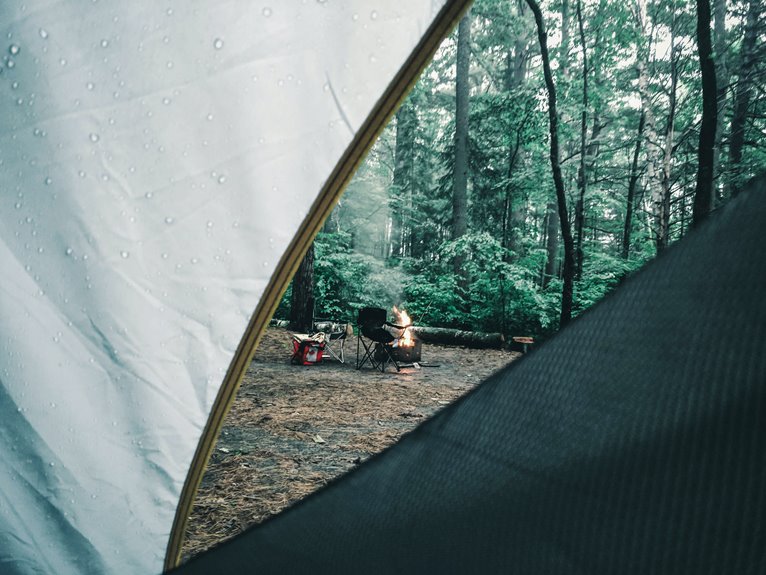

You need boots that can handle more than a quick errand run. Wet docks, muddy gardens, frosty sidewalks, and uneven trail edges all ask for different things, and the right pair keeps you moving without turning every step into a small chore.
This roundup focuses on practical shapes, materials, and use cases, so you can match each boot to real life instead of guessing from a product photo. You’ll see rain-ready picks, winter ankle boots, and lighter hiking styles, plus the trade-offs that matter once you start wearing them regularly.
The Shortlist At A Glance
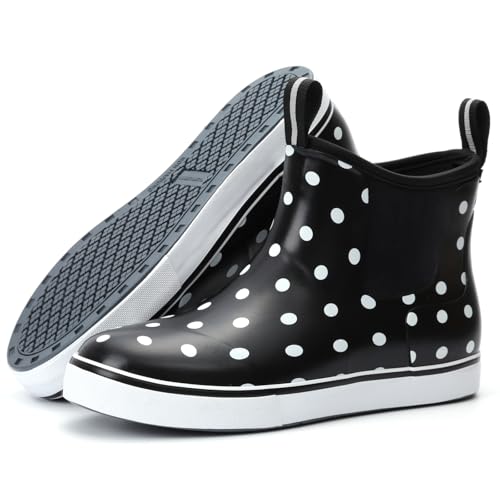
Furuian Women’s Deck Boots Ankle Rain Boots

Columbia Men’s Strata Trail Mid Waterproof Hiking Boot
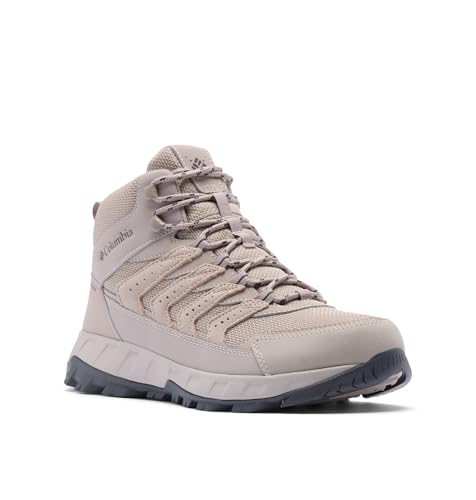
Columbia Men’s Strata Trail Mid Waterproof Hiking Boot

SHIBEVER Winter Comfortable Non Slip Ankle Boot
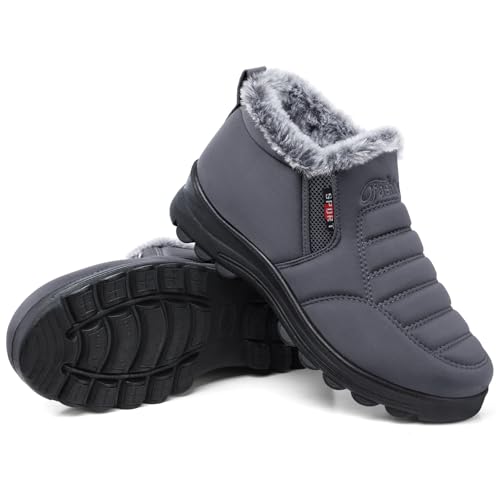
SHIBEVER Winter Comfortable Non Slip Ankle Boot

NORTIV 8 Women’s Lightweight Ankle Hiking Boots

NORTIV 8 Women’s Lightweight Ankle Hiking Boots

DaeRainy Women’s Mid-calf Rain Boots
More Details On Our Top Picks
Wet decks, muddy paths, and quick outdoor chores are where this pair makes the most sense. The rubber build and waterproof design point toward easy cleanup, while the slip-resistant outsole matters on slick ground or a damp dock.
The ankle height keeps things less bulky than a tall rain boot, so you may find it easier for daily wear around the garden or jobsite. The trade-off is that shorter boots leave less coverage than mid-calf styles, which is why DaeRainy’s taller pair below suits messier conditions better.
What We Like
- Rubber construction should wipe down quickly after muddy use.
- Waterproof design fits rain, hose splashes, and damp ground.
- Slip-resistant tread adds confidence on wet surfaces.
- Ankle height keeps the boot less cumbersome for routine tasks.
Points To Note
- Shorter coverage means less protection than a mid-calf boot.
- Rubber styles can feel less airy during longer wear.
Feature Snapshot
Who Should Grab It
Gardeners, dock walkers, and anyone who spends time around wet ground will get the most from this shape.
Where A Sibling Pick Shines
DaeRainy’s Women’s Mid-calf Rain Boots suit you better when you want more splash protection for farm chores or deeper puddles.
This Columbia boot fits the person who wants more support than a casual sneaker but does not need a heavy, expedition-style boot. The mid cut usually helps with ankle confidence on uneven paths, and the waterproof build matters for damp trails or surprise puddles.
Compared with the Furuian deck boot, this one leans toward trail use instead of dock work. The honest read is that it makes more sense for wooded walks, park paths, and mixed terrain than for muddy chores that call for easy hose-down cleanup.
Highlights
- Mid-height profile gives a steadier trail feel.
- Waterproof construction suits drizzle, wet grass, and light stream crossings.
- More structure than low-cut shoes without going full boot-heavy.
- Good match for weekend hikes and everyday walking routes.
Room For Improvement
- Trail focus makes it less suited to messy yard chores.
- Mid-height footwear can feel warmer than low hikers in mild weather.
- Men’s sizing on the listing may not suit everyone seeking female outdoor boots.
At A Glance
Made For
Weekend hikers and commuters who want trail-ready coverage with a familiar boot feel will appreciate this one.
Another Choice May Suit
NORTIV 8 Women’s Lightweight Ankle Hiking Boots fit you better when lighter weight and easier walking matter more than mid-cut structure.
This second Columbia listing belongs in the same trail lane as the pick above, so the real question is fit rather than category. You get the same mid-height, waterproof approach, which makes it sensible for damp paths and daily outdoor mileage.
That sameness is also the catch. Since the source data does not show a clear material or feature difference, you may find the better choice comes down to size availability, color, or listing details on the product page rather than a major build change.
Best Bits
- Mid-cut shape supports more secure walking on uneven ground.
- Waterproof design fits wet trails and muddy mornings.
- Trail-first setup suits regular outdoor use.
Small Caveats
- It overlaps heavily with the other Columbia boot in this roundup.
- Trail styling can feel more technical than casual.
- With limited source detail, the distinction here may be subtle for shopping purposes.
Details At A Glance
Perfect Match For
Outdoor walkers who like a familiar mid-boot shape and want waterproof coverage for trail days will feel at home here.
A Better Fit Elsewhere
Furuian Women’s Deck Boots Ankle Rain Boots are the cleaner match for wet work, gardens, and splashing around on slick surfaces.
Cold sidewalks and quick winter errands are the setting this boot clearly aims at. The fur lining should help the interior feel warmer, while the non-slip sole matters when pavement turns slick and your commute starts to feel like a balance exercise.
Compared with the Columbia hikers, this pair stays focused on winter comfort rather than trail structure. You may find it especially useful for school drop-offs, mailbox runs, and casual walks where warmth matters more than long-distance support.
Upsides
- Fur lining adds a warmer feel for cold-weather wear.
- Non-slip outsole suits snowy or icy sidewalks.
- Ankle height keeps the boot easier to wear than a tall snow style.
- Good everyday shape for routine winter outings.
Areas To Watch
- Warm lining can feel too cozy for mild temperatures.
- Shorter height gives less splash protection than a mid-calf boot.
Core Details
The Right Fit
City walkers and commuters who want a simple winter boot for short cold-weather trips will get the most from this pair.
Look Elsewhere When
DaeRainy’s Women’s Mid-calf Rain Boots make more sense when your days include deeper slush, garden runoff, or wetter ground.
This SHIBEVER listing lands in the same winter lane as the previous one, so the main appeal is the straightforward ankle-boot shape. Fur lining and a non-slip sole make it a sensible choice for cold mornings, especially around town or on short outdoor routines.
The difference from the earlier SHIBEVER pick is mostly in how you shop the listing itself, since the source details are nearly identical. That means fit, color, and stock details on the product page will matter more than any dramatic feature jump.
Positives
- Simple winter profile keeps the boot easy to pair with daily clothes.
- Fur-lined interior should feel softer in cold conditions.
- Non-slip outsole helps on slippery sidewalks and porches.
Honest Caveats
- It closely overlaps with the other SHIBEVER ankle boot in this list.
- Short height means less protection in deeper snow or slush.
- Fur-lined boots usually need a little more drying time after damp wear.
Quick Facts
Whose Shelf It Belongs On
You should look here for a basic winter ankle boot that handles everyday cold without making the outfit feel technical.
Swap It Out When
Furuian Women’s Deck Boots Ankle Rain Boots are the better fit for wet yard work, puddles, and splash-heavy outdoor tasks.
This NORTIV 8 boot is aimed at days that call for movement without a lot of bulk. Breathable materials matter on warmer trail walks or busy mornings, and the flexible construction should feel friendlier than a stiff boot on long errands or light hikes.
Compared with the winter SHIBEVER picks, this pair is less about warmth and more about staying comfortable in motion. That makes it a sensible year-round outdoor option for people who walk a lot and want less pressure around the ankle.
Reasons To Buy
- Lightweight feel helps keep all-day wear less tiring.
- Breathable materials suit warmer walks and active use.
- Flexible build supports a more natural stride.
- Works well for short hikes, errands, and casual outdoor time.
Softer Spots
- Light hiking focus may not suit rough, rocky trails.
- Breathable construction gives up some warmth in cold weather.
Technical Sheet
Best Suited To
You’ll like this boot most for casual hiking, park paths, and daily wear that needs less stiffness.
Reach For A Different Pick When
SHIBEVER’s Winter Comfortable Non Slip Ankle Boot is the better choice when cold-weather warmth matters more than breathability.
This second NORTIV 8 listing is most interesting as a value-minded trail boot with the same lightweight, flexible theme as the previous entry. It makes sense for casual hikers who want a simple ankle-height setup for park loops, weekend walks, and everyday outdoor use.
The listing also shows a visible ranking in clothing and women’s hiking boots, which helps signal activity, though it still leaves the comfort story to the stated features. You may find it works best as a practical, no-fuss boot rather than a more specialized piece of gear.
Strong Points
- Light construction supports easier walking over long errands.
- Breathable materials fit milder days and active movement.
- Flexible feel makes the boot less rigid than many trail styles.
Worth Noting
- It overlaps closely with the other NORTIV 8 ankle hiker.
- Lightweight build may not satisfy rough-trail use as well as heavier boots.
- Trail boots can need more brushing after dusty or muddy outings.
Core Details
Who Will Love This
Budget-conscious hikers and walkers who want a simple ankle boot with a lighter feel should look here first.
Not Your Match When
Furuian Women’s Deck Boots Ankle Rain Boots fit better for wet jobs, garden chores, and slick surfaces that call for waterproof rubber.
This DaeRainy boot is the most coverage-focused pair in the group, and that matters once the ground gets messy. Mid-calf height gives you more splash protection than the ankle boots above, which makes it a better fit for garden work, fishing trips, and farm tasks.
The trade-off is plain: more coverage usually means a taller, less casual feel. Still, for muddy conditions, this shape tends to be the saner choice, almost like a porch gate for your lower leg when the weather turns sloppy.
Standout Traits
- Mid-calf height adds useful coverage for wet work.
- Waterproof build suits gardens, farms, and fishing spots.
- Non-slip outsole helps on muddy or damp ground.
- Works well when you need more protection than an ankle boot provides.
Minor Gripes
- Mid-calf height can feel bulkier than shorter rain boots.
- Coverage helps with splash control, but it may feel warmer during long wear.
Feature Rundown
Built With In Mind
You should look at this pair for chores where wet ground and splash protection matter more than a slim profile.
Where Shoppers Go Wrong
Furuian Women’s Deck Boots Ankle Rain Boots are the better call when you want a shorter, easier-on-off rain boot for lighter duty.
How To Choose The Right Female Outdoor Boots
Start With The Ground You Face Most
Wet pavement, muddy soil, packed snow, and trail gravel ask for different boot shapes. Rubber rain boots make sense for splashes and hose-down cleanup, while hiking boots bring more structure for changing terrain.
An ankle boot feels lighter and less fussy for daily wear, but mid-calf coverage matters more in deep puddles or farm chores. That trade-off is simple, and it usually decides the purchase faster than any style detail.
Match Warmth, Breathability, And Flex
Winter lining helps on cold commutes, yet it can feel too warm in shoulder-season weather. Breathable materials suit active walking and longer outings, especially when your feet tend to run hot.
Flexible construction matters more than it first sounds. A boot that bends with your stride tends to feel less tiring during errands, park loops, or a long day outdoors.
Focus On Grip Before Looks
Outsoles with slip-resistant or non-slip language deserve attention for slick sidewalks, wet porches, and muddy grass. The tread pattern often matters more than the upper material when footing gets uncertain.
You still want the rest of the boot to match the job. A hiking tread helps on trails, while rubber soles and easy-clean uppers suit garden work and dock use.
Think About Maintenance And Wear Pattern
Rubber rain boots are usually easier to wipe down after messy chores. Fabric-heavy hiking boots often need brushing and drying time, so they fit a different kind of routine.
Storage matters too, especially with fur-lined winter styles that benefit from a dry spot between wears. Choose the pair that fits your weekly pattern, not just the weather on one afternoon.
Things Worth Knowing First
Wrong Turns To Avoid
A common mistake is buying for looks alone and ending up with the wrong height or tread. Another is treating winter warmth, trail support, and wet-weather cleanup as the same job, because they rarely are.
Clear feature lists help, but they only work when you tie them to your own routine. A boot that suits a garden path can feel clumsy on a city commute, and the reverse is just as true.
The Upgrade Payoff
Higher-tier boots usually ask more because they use more structured builds, better moisture handling, or more specialized lining. That matters when you wear them often, since comfort and durability start to show up every week instead of once in a while.
Spending up makes sense for long walks, regular winter use, or messy outdoor work. For occasional errands, a simpler ankle boot often covers the job without adding unnecessary bulk.
Frequently Asked Questions
What Height Works Best For Daily Outdoor Use?
Ankle boots usually feel easiest for everyday wear because they move with less bulk. Mid-calf styles make more sense when wet ground and splash coverage matter more.
Do Waterproof Boots Always Feel Heavy?
Not always, but rubber rain boots often feel sturdier than lightweight hikers. Breathable hiking boots can feel lighter, though they may not handle mud as neatly.
Are Fur-Lined Boots Only For Deep Winter?
They work best in cold weather and on frosty mornings. In milder temperatures, that lining can feel warmer than you need.
What Matters More, Grip Or Height?
Grip matters first on slick ground, because footing affects every step. Height matters more when splash protection or deeper mud is part of the routine.
Can Hiking Boots Stand In For Work Boots?
Sometimes, yes, especially for light outdoor chores or garden walks. For wetter or messier jobs, waterproof rubber boots usually make more sense.
Final Thoughts
The best female outdoor boots for your routine are the ones that match the ground under your feet, not the idea of outdoor wear in general. A rain boot earns its place in gardens and on docks, a hiking boot earns it on mixed terrain, and a winter ankle boot earns it on cold sidewalks. You’ll be happier with a pair that fits the way you move most days, not just the day you picture in your head. Keep the job in view, and the right boot usually stands out quickly.