
You want clean, portable water without turning your pack into a plumbing project. These filtering water bottles for hiking cover solo day hikes, longer treks, backup kits, travel, and emergency planning, so you can match the bottle to the way you actually move.
The differences matter more than the marketing copy suggests. Some options are built for sipping straight from a bottle, others work better as squeeze filters or gravity kits, and a few lean into compact emergency use with trade-offs in capacity, flow, or setup.
The Shortlist At A Glance
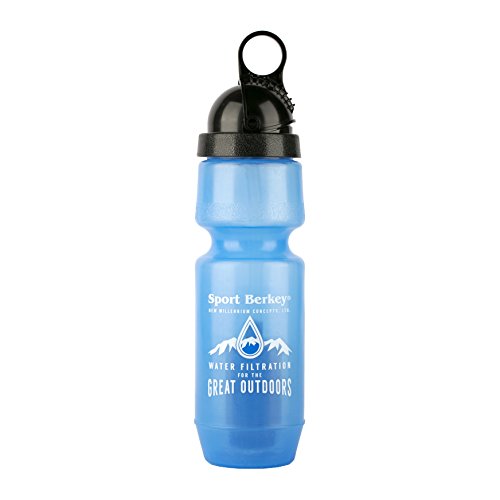
Sport Berkey Water Filter Bottle

SurviMate Purified Water Bottle
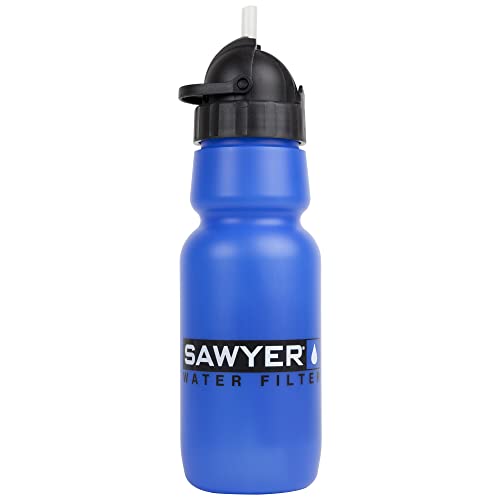
Sawyer Products SP140 Personal Water Bottle Filter

LifeStraw Peak Series Solo Personal Water Filter

Water Filter for Camping Bachgold Squeeze Foldable Bottle Gray

Water Filter for Camping Bachgold Squeeze Foldable Bottle White

Membrane Solutions Squeezable Water Pouches with Water Filter Straw
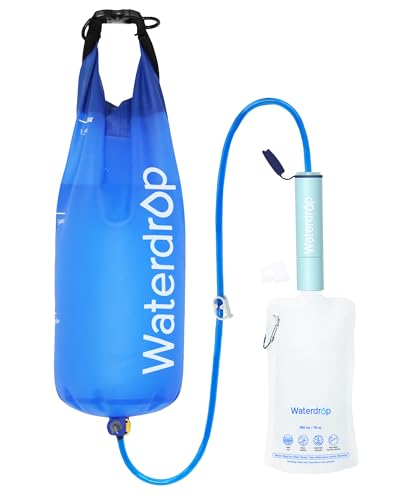
Waterdrop Gravity Water Filter Straw Light Blue
More Details On Our Top Picks
This bottle suits hikers who want a straightforward carry piece that also fits travel, work, and emergency storage. The bottle format keeps the learning curve low, and that matters on long trail days when you do not want extra steps between filling and drinking.
Compared with the lighter solo-style picks later in the list, this one feels more like a daily-use tool than a stripped-back backup. The trade-off is simple: you get a more all-purpose format, but you also carry a larger bottle shape through the day.
Strong Points
- Handy bottle format keeps hydration familiar on the trail.
- Works across hiking, commuting, and backup pantry storage.
- Good fit for people who want one carry for several settings.
- Less fiddly than a separate filter-and-bottle setup.
Things To Consider
- Larger bottle style can feel bulky in a small daypack side pocket.
- Cleaning a bottle system usually takes a little more attention than a simple straw.
- Best suited to solo use, since bottle-style carry is less communal.
Feature Snapshot
Who It Suits Best
Commuters, casual hikers, and anyone building a single bottle for daily carry and backup water planning fit this model well.
Where A Sibling Pick Shines
Waterdrop Gravity Water Filter Straw works better for group base-camp use, where you want a shared water source instead of a personal bottle.
SurviMate leans into a more layered filter design, so it makes sense for hikers who want a bottle that reads like a serious backup tool. The built-in compass on top adds a small survival-minded touch, though most people will care more about the 5-stage filtration path than the navigation bit.
That broader filter stack sets it apart from the simpler bottle-style options earlier in the list. The honest read is that more filtration stages can be appealing on paper, but the bottle also asks you to keep track of a more complex cartridge structure.
Upsides
- Five-stage layout gives the bottle a more layered filtration approach.
- UF membrane design targets very fine filtration needs.
- Built-in compass adds a practical outdoor touch.
- Drink-through setup keeps use simple on the trail.
- BPA-free construction fits the kind of carry many hikers prefer.
Room For Improvement
- More moving parts usually mean more attention during cleaning and cartridge care.
- The compass is a bonus, but it should not be the main reason you choose it.
- Deep filtration focus may feel like overkill for short, well-supplied hikes.
Core Details
Who Should Grab It
Backpackers who like a more technical bottle and want a built-in compass for occasional trail use fit this SurviMate best.
Skip It When
Berkey’s Sport Berkey Water Filter Bottle makes more sense for people who want a simpler all-round bottle without so much filtration hardware to think about.
The Sawyer SP140 keeps the idea clean, which helps when you want a bottle filter that stays out of the way during a hike. A 34-ounce capacity gives you a solid personal fill without pushing the bottle into oversized territory, so it fits better in the hand than many bulkier carry-first designs.
Compared with the Berkey bottle, this one feels more trail-specific and less like a multi-environment carry piece. That narrower focus helps in a backpack, though people who want a travel-and-home hybrid may still prefer the broader use pattern of the Sport Berkey.
Positives
- 34-ounce size gives you a useful personal serving.
- Simple bottle-filter format keeps the setup familiar.
- Blue finish makes it easy to spot in packed gear.
- Good match for day hikes and solo trail hydration.
Softer Spots
- Single-user format is less helpful for shared camp water.
- Bottle-style body can still take up side-pocket space.
- Cleaning around the bottle neck and filter area takes a little patience.
At A Glance
The Right Fit
Solo hikers and casual backpackers who want a straightforward bottle without extra features will get the most from this Sawyer.
A Better Fit Elsewhere
Membrane Solutions Squeezable Water Pouches with Water Filter Straw suits hikers who want a more compact emergency kit rather than a rigid bottle.
This one makes the most sense when your pack space is tight and you want a personal filter that behaves like a tool, not a container. The Peak Series styling leans toward travel, survival, and emergency preparedness, so it fits hikers who like to keep one small item ready for more than one kind of trip.
Compared with Sawyer’s bottle-style SP140, this LifeStraw approach is more stripped down and easier to stash in a pocket or small pouch. The trade-off is that you give up the bottle format, which some hikers still prefer for convenience at rest stops or in camp.
Highlights
- Very compact shape suits minimalist kits.
- Single-person focus keeps the carry lightweight in practice.
- Useful across hiking, camping, travel, and emergency storage.
- Pink Lemonade color helps it stand out among dark gear.
Points To Note
- Solo format works best for personal hydration, not group serving.
- Compact design means less all-in-one convenience than a bottle model.
- You may prefer a bottle or gravity setup for base-camp routines.
Technical Sheet
Built With In Mind
Ultralight hikers and travelers who want a small personal filter that slips into a minimalist kit fit this LifeStraw well.
Another Choice May Suit
Waterdrop Gravity Water Filter Straw is the better call for campsite water needs, since it is built around a larger shared setup.
Bachgold’s squeeze bottle format is the kind of trail gear that makes sense once you pack for real miles, not just car camping. The foldable body helps it sit more neatly in a stuffed bag, and the 33.8-ounce size gives you meaningful capacity without pushing into oversized territory.
Compared with the rigid bottle picks earlier, this model feels easier to tuck away after a drink break. The honest read is that squeeze-style carry usually asks a little more from your hands, but it rewards you with better packability.
Bright Spots
- Foldable body packs down more neatly than rigid bottle designs.
- 33.8 ounces gives you a practical amount of trail water.
- Dual-stage filtration adds a more layered purification path.
- Gray finish keeps the look understated and gear-friendly.
Worth Noting
- Squeeze use can feel more hands-on than a simple drink-through bottle.
- Foldable construction usually calls for careful drying and storage.
- Some hikers may prefer a harder shell for rougher pack treatment.
Details At A Glance
Whose Shelf It Belongs On
Backpackers who care about pack space and want a foldable carry format will get the most from this Bachgold.
Look Elsewhere When
Sport Berkey Water Filter Bottle suits hikers who prefer a sturdier bottle shape and want a more everyday feel.
The white version follows the same foldable, squeeze-based idea, but the lighter finish gives it a cleaner visual profile in your pack. For hikers who like gear they can spot quickly at camp, that small difference can be more useful than it sounds.
Because the core design mirrors the gray Bachgold, the real decision here is mostly about look and how easily you identify the bottle among other white or light-colored items. The trade-off is that the lighter finish may show grime sooner, so regular cleaning matters more than with darker gear.
Best Bits
- Foldable format saves space when your pack gets crowded.
- White finish makes the bottle easy to spot.
- 33.8-ounce size gives you solid carry capacity.
- Dual-stage filtration supports a more detailed clean-water process.
Areas To Watch
- Lighter color can show dirt and wear more readily.
- Squeeze design still asks for a bit more handling than a rigid bottle.
- Like other foldable carry pieces, it benefits from careful drying after use.
Core Details
Best Suited To
Hikers who like light-colored gear and want a foldable bottle that stands out in a mixed pack will find this Bachgold a neat fit.
Where A Sibling Pick Shines
The gray Bachgold version is the easier choice for rougher pack treatment, since darker gear tends to hide wear a bit better.
This kit feels geared toward planning, not just daily trail sipping. The squeezable pouches give you a packable reservoir, and the included filter straw adds a simple way to drink on the move or keep a backup source ready in an emergency bin.
Compared with the bottle-based picks, you trade some immediate grab-and-go comfort for a kit that is easier to break apart and store. That makes it a sensible fit for people building a camping box, vehicle kit, or multi-item bug-out setup rather than a single dedicated bottle.
Reasons To Buy
- Pouch format stores neatly in compact kits.
- Filter straw adds a separate drinking option.
- Good for backpacking, camping, and emergency planning.
- Light, modular setup is easy to sort inside a gear bin.
Minor Gripes
- Pouch-and-straw setup takes more organization than a single bottle.
- Soft storage pieces usually need careful drying before packing away.
- Less convenient than a rigid bottle for quick everyday grab-and-drink use.
Quick Facts
Who Will Love This
Pack planners, emergency prep shoppers, and hikers who like modular gear will get the most out of this Membrane Solutions kit.
Reach For A Different Pick When
LifeStraw Peak Series Solo is the cleaner choice for hikers who want a single ultra-compact personal filter instead of multiple soft pieces.
The Waterdrop gravity setup changes the tone of the whole shortlist because it is built for shared water, not just solo drinking. The included 1.5-gallon water bag matters at camp, where a gravity-fed setup can sit off to the side and keep water moving while you handle food, tents, or cleanup.
That is a very different job from the pocket-sized LifeStraw or the bottle-style Sawyer. The trade-off is obvious, too, since gravity systems take more room and setup time, but they repay you with a calmer, less hands-on way to serve multiple people.
Best Bits
- Gravity design works well for group water needs.
- 1.5-gallon bag gives the kit meaningful camp capacity.
- 0.1-micron filter is tuned for fine filtration detail.
- Light blue color keeps the kit easy to identify.
- Useful at base camp, trailhead cabins, and emergency setups.
Points To Note
- Gravity kits need more space than a personal bottle or straw.
- Setup takes longer than a simple drink-through option.
- Bag care and drying matter because the system has more soft parts.
- Most useful in camp, less convenient for fast solo hiking breaks.
Feature Rundown
Perfect Match For
Campers, group hikers, and emergency kit planners who want a larger shared water setup will find this Waterdrop especially useful.
Swap It Out When
LifeStraw Peak Series Solo works better for you if you want a tiny personal filter that slips into a daypack with almost no fuss.
How To Choose The Right Filtering Water Bottles For Hiking
Filtration Style And Trail Routine
Your first decision is shape, because the way you drink changes how the whole kit feels on trail. Bottle-style picks like the Berkey and Sawyer keep hydration familiar, while squeeze and gravity systems shift the work into the filter path or camp setup.
Solo day hikers usually value speed and simplicity, so a personal bottle or compact straw fits better than a larger shared system. Backpackers staying out overnight may prefer a squeeze bottle or gravity bag, since those formats make more sense once you start planning around camp routines.
Capacity, Weight, And Pack Space
Capacity sounds simple, but it changes how often you stop and how much room your gear takes. A 34-ounce bottle carries enough for a personal stretch, while the 1.5-gallon Waterdrop bag belongs in camp, not a side pocket.
Foldable designs help a lot for tighter packs because they shrink down after use. Rigid bottle bodies are easier to grab quickly, but they ask for more space and can feel clunky in small daypacks.
Filter Complexity And Maintenance
More filtration stages can sound reassuring, and sometimes they are, but extra layers often mean more parts to rinse, dry, or keep track of. The SurviMate’s five-stage layout is more elaborate than the simpler LifeStraw Solo or Sawyer SP140 setups, so it rewards careful ownership.
Simple systems are easier to live with during a rainy camp teardown or a late return to the trailhead. That said, the simplest format is not always the best fit, because a shared base camp or emergency box can benefit from a larger gravity kit even with more upkeep.
Where You Plan To Use It
Trail soloists, travelers, and office commuters usually want a bottle that stays close and drinks easily. Families, overnighters, and group campers usually need more volume and a setup that does not demand constant hand work.
Match the product to the place where it will earn its keep. A compact personal filter works for a long hike, while a gravity kit shines beside a tent or in a prepared storage area at home.
Things Worth Knowing First
Wrong Turns To Avoid
Many hikers focus on one spec and ignore the rest. A tiny filter pore sounds impressive, but pack size, cleaning, and the way you actually drink matter just as much.
Another common miss is choosing a bottle format for a group setup. A personal bottle like the Sawyer SP140 feels handy on the move, yet a gravity system makes more sense when several people need water at once.
The Upgrade Payoff
Higher-tier pricing in this category usually comes from more layered filtration, larger included water bags, or more purpose-built construction. That is why the Waterdrop gravity kit and the SurviMate’s five-stage design sit above simpler carry options in both complexity and scope.
Spending up makes sense when you need a specific job done well, such as camp water for several people or a more technical filtration path. For short solo hikes, a simpler bottle or personal filter is usually the more sensible choice.
Frequently Asked Questions
Are filtering water bottles better than regular hiking bottles?
Filtering models add another layer of utility because they help you handle uncertain water sources. Regular bottles only carry water, so they suit fully supplied routes rather than backcountry use.
Do gravity filters make sense for day hikes?
Gravity kits usually make more sense at camp or in a group setting. For a short day hike, a personal bottle or compact straw is easier to carry.
What matters more, bottle size or filter type?
Both matter, but your use case decides the balance. A bigger bottle helps with personal capacity, while the filter type affects how much effort you put into drinking and cleanup.
Is a foldable filter bottle worth considering?
Foldable bottles help when pack room is tight and you want gear that stows down after use. They also ask for a little more care during drying and storage than rigid bottles.
Which option works best for emergency kits?
Modular kits and gravity systems fit emergency storage well because they cover more than one setup style. Personal bottle filters still make sense, but they are less flexible for group use.
Closing Thoughts
Your best choice depends on how you hike, how many people you cover, and how much space you can spare in your pack. A bottle-style filter feels easiest for solo miles, while a squeeze or gravity setup makes more sense once camp water or group use enters the picture. The good news is that this category gives you clear trade-offs, so you can match the tool to the trail instead of forcing one design to do everything.