

Outdoor cedar asks for a finish that respects the wood instead of hiding it. You want color, water resistance, and easier upkeep, whether you are working on a fence, deck rails, siding, or a pergola that takes full weather exposure.
This roundup focuses on stain-and-sealer options that suit real backyard use, from spray-friendly touch-ups to gallon-size coatings for larger projects. You get a clearer path to the right finish for your wood, your schedule, and how much grain you want to keep visible.
Quick Look at the Shortlist

Ready Seal Exterior Wood Stain & Sealer, Redwood, Turbo Spray 24oz
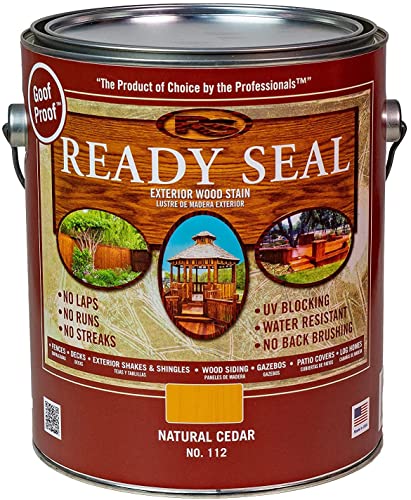
Ready Seal Stain & Sealer for Wood, Outdoor Deck and Fence 1 Gallon
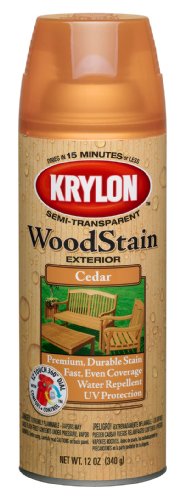
Krylon K03601000 Exterior Semi-Transparent Wood Stain, Cedar 12 Ounce
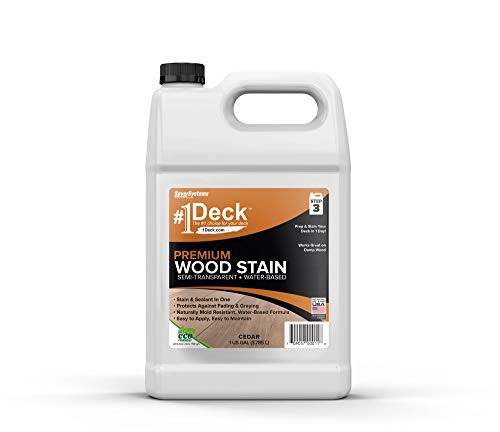
#1 Deck Premium Semi-Transparent Outdoor Wood Stain and Sealer in One 1 Gallon (Cedar)

Olympic WaterGuard 1 gal Woodland Cedar Wood Stain & Sealer

Thompson’s WaterSeal Semi-Transparent Waterproofing Wood Stain and Sealer, Chestnut Brown 1 Gallon

Thompson’s WaterSeal Transparent Waterproofing Wood Stain and Sealer, Natural Cedar 1 Gallon
Ready Seal 112 Stain and Sealer, Natural Cedar 1 gal
More Details On Our Top Picks
The spray format makes this Ready Seal option feel built for quick jobs, especially on fences, railings, and smaller pergola sections. You get a semi-transparent finish with an oil-based base, so the wood grain still shows while the color lands with more depth than a clear coat.
The honest read is that the 24-ounce size suits spot work and touch-ups better than a full deck revival. That said, it’s a smart match for homeowners who want less fuss and more control around corners, trim, and awkward angles.
Strong Points
- Spray application helps you reach tight boards and detailed edges.
- Semi-transparent color keeps cedar grain visible instead of masking it.
- Oil-based makeup tends to suit exterior wood that needs richer tone.
- Compact can size stores easily between seasonal projects.
Things To Consider
- Twenty-four ounces is better for smaller sections than broad surfaces.
- Spray projects usually reward careful masking around nearby siding or hardware.
- Oil-based finishes often ask for more patience during cleanup.
Feature Snapshot
Who It Suits Best
You are the best match for this one if you need a quick exterior refresh on cedar trim, small fence sections, or decorative woodwork.
Where A Sibling Pick Shines
Ready Seal Stain & Sealer for Wood, Outdoor Deck and Fence 1 Gallon suits larger fence lines and wider deck areas much better.
This gallon-size Ready Seal formula leans into convenience, since the stain and sealer are combined in one product. That matters on long fence runs or a deck that needs a broad, even refresh without a complicated prep routine.
The no-primer and no-diluting claims keep the process straightforward, and the no-back-brushing setup appeals to anyone who prefers a smoother, less fussy application flow. Compared with the spray can above, this one is the better match for bigger surfaces and for owners who want to move steadily section by section.
What We Like
- One-step stain-and-sealer format simplifies the job.
- No primer or thinning keeps prep time lighter.
- No back brushing helps maintain a more even application rhythm.
- Gallon size suits larger cedar fences and decks.
Points To Note
- Gallon packaging calls for enough storage space between uses.
- Exterior wood with heavy wear may still need careful surface cleaning first.
- The natural cedar tone may read differently depending on the wood underneath.
Core Details
Who Will Love This
You fit this pick well if you are handling a large cedar deck, fence line, or siding area and want a simpler coating process.
A Better Fit Elsewhere
Krylon K03601000 Exterior Semi-Transparent Wood Stain, Cedar 12 Ounce suits small detail jobs and isolated boards better than this gallon can.
Krylon’s 12-ounce can is the most grab-and-go option in this list, and that smaller format makes sense for edging, repairs, or accent boards. The semi-transparent cedar tone gives you some color without fully flattening the wood surface, which helps when the grain itself is part of the look.
Water repellency and UV fade protection are the useful signals here, especially for sun-heavy spots like porch trim or garden borders. Compared with the gallon products above, this one is far more practical for a small project where storage space and leftover product matter.
Upsides
- Small can size is easy to handle on minor jobs.
- Semi-transparent finish keeps outdoor wood looking natural.
- Water repellency supports exposed cedar in wet weather.
- UV fade protection is useful for sunny fence sections.
Small Caveats
- Small volume is not the right fit for wide deck resurfacing.
- Touch-up use can leave you short for larger matching repairs later.
- Spray-style cleanup habits matter around nearby plants and hardware.
At A Glance
Built With In Mind
You are looking at the right kind of pick for small exterior repairs, edge detailing, and cedar accents that do not need a gallon container.
Skip It When
Ready Seal Stain & Sealer for Wood, Outdoor Deck and Fence 1 Gallon makes more sense for broad decks or full fence runs.
This #1 Deck formula sits in the middle ground nicely, especially for cedar decks, fences, and siding that all need the same finish family. The water-based build is a practical detail, because it usually appeals to folks who want a lighter cleanup path than oil-heavy products bring.
It also fits mixed-use exterior projects where one gallon has to move from broad planks to vertical boards without changing products. Compared with the spray Ready Seal, this one is much more appropriate for full-surface coating and more consistent color across larger areas.
Highlights
- Water-based formula suits everyday exterior refinishing jobs.
- Stain and sealer in one keeps the process streamlined.
- Works across decks, fences, and siding for broader project matching.
- Gallon size gives you enough volume for larger surfaces.
Areas To Watch
- Water-based finishes can ask for careful application on thirsty wood.
- One gallon may still fall short on very large cedar structures.
- Cleanup and drying expectations depend on weather and surface prep.
Details At A Glance
The Right Fit
You are the right match for this one if your cedar project needs a single finish that can move across several outdoor surfaces with less complexity.
Another Choice May Suit
Krylon K03601000 Exterior Semi-Transparent Wood Stain, Cedar 12 Ounce is easier to live with for a small repair, trim section, or accent board.
Olympic’s Woodland Cedar version keeps the look focused and straightforward, which suits homeowners who want a warm cedar tone without a lot of visual noise. The water-based format makes sense for routine exterior refreshes, especially on fences and siding that need a steady, even coat.
You may find this easier to slot into seasonal upkeep than richer, more heavily colored products. Compared with Thompson’s chestnut brown option, this one stays closer to a cedar-leaning palette, so it blends more naturally with the wood’s original character.
Bright Spots
- Woodland Cedar tone keeps the finish close to cedar’s natural family.
- Water-based construction works well for routine exterior maintenance.
- Gallon size helps on fences, siding, and deck sections.
- Simple color direction can make project matching easier.
Room For Improvement
- One gallon still calls for planning on larger outdoor projects.
- A cedar-leaning tone may be too subtle for owners who want deeper contrast.
- Weather and wood condition will affect how evenly the finish settles.
Core Details
Whose Shelf It Belongs On
You fit this pick well if you want a cedar-toned finish for general outdoor upkeep rather than a darker decorative effect.
Look Elsewhere When
Thompson’s WaterSeal Semi-Transparent Waterproofing Wood Stain and Sealer, Chestnut Brown 1 Gallon suits you better when you want a stronger brown shift.
Chestnut Brown gives this Thompson’s option a warmer, more noticeable look than the cedar-toned finishes above it. That makes it appealing for patios, fences, and siding where you want the wood to read richer without losing the grain altogether.
For most backyards, that balance feels easier to live with than a very dark stain. The practical trade-off is that the stronger color shift may not suit cedar purists, so the fit depends on how much of the wood’s original look you want to preserve.
Best Bits
- Semi-transparent finish keeps some wood grain visible.
- Chestnut Brown adds warmth to plain cedar surfaces.
- Gallon format works well on larger exterior sections.
- Useful across patios, fences, and other exposed wood.
Honest Caveats
- Chestnut Brown shifts the look farther from raw cedar.
- Big containers need sensible storage between projects.
- Exterior prep still matters for a more even result.
Spec Overview
Perfect Match For
You are the right fit if you want your cedar finish to lean warmer and more traditional than a natural-cedar look.
Where Shoppers Go Wrong
Thompson’s WaterSeal Transparent Waterproofing Wood Stain and Sealer, Natural Cedar 1 Gallon is better when you want a softer, more wood-forward result.
This transparent Thompson’s option is the most restrained finish in the group, which helps cedar keep its grain and character front and center. That kind of light touch is useful on newer boards, decorative fencing, and siding where you want protection without turning the wood into a different-looking surface.
The trade-off is simple, the color influence stays subtle, so you get less visual drama than with chestnut brown or redwood tones. Still, for owners who care more about a natural appearance than a darker transformation, this is an easy finish to live with.
Reasons To Buy
- Transparent look keeps cedar grain highly visible.
- Natural Cedar tone stays close to the wood’s own character.
- Gallon size suits fences, siding, and broader boards.
- Waterproofing stain-and-sealer format simplifies the project.
Softer Spots
- Very light color influence may feel too subtle for some yards.
- Transparent finishes can show surface prep differences more clearly.
- Large containers take space in a shed or garage.
Feature Rundown
Best Suited To
You fit this finish well if you want cedar to look like cedar, just with a cleaner and more polished surface.
Swap It Out When
Thompson’s WaterSeal Semi-Transparent Waterproofing Wood Stain and Sealer, Chestnut Brown 1 Gallon is the stronger choice when you want a deeper color shift.
Ready Seal 112 brings the familiar Natural Cedar tone in a standard gallon can, so it feels like a straightforward all-purpose option for outdoor wood. The larger format suits deck boards, fence panels, and other cedar surfaces that need more than a touch-up but do not demand a specialty spray setup.
Compared with the turbo spray version at the top, this one is the more conventional route for broader coverage and a steadier application rhythm. It sits comfortably in the middle for owners who want a recognizable cedar look without moving into a stronger brown shade.
Positives
- Natural Cedar color works well for cedar-focused projects.
- One-gallon can is practical for larger exterior surfaces.
- Standard format suits brush or other common application methods.
- Useful for decks, fences, and similar outdoor wood.
Trade Offs
- Gallon storage is less convenient than a small spray can.
- Standard application takes more setup than a spray format.
- Color may feel modest beside deeper brown choices.
Technical Sheet
Made For
You are a strong match for this pick if you want a standard gallon finish for a typical cedar deck or fence project.
Reach For A Different Pick When
Ready Seal Exterior Wood Stain & Sealer, Redwood, Turbo Spray 24oz suits quick detail work and smaller outdoor sections more cleanly.
How To Choose The Right Finishes For Outdoor Cedar
Match The Finish To The Wood’s Job
Cedar used for a shaded fence needs a different approach than cedar on an exposed deck rail. A transparent or lightly tinted finish keeps the grain visible, while a semi-transparent option adds more color and usually feels better when the wood has weathered unevenly.
That trade-off matters because outdoor cedar can move from golden to gray faster in sunny or wet spots. A stronger tint can hide a few visual flaws, but a lighter finish preserves more of the material’s character.
Think About Application Style
Spray options help on trim, lattice, and detailed areas where a brush feels awkward. Gallon cans make more sense for fences, siding, and broad boards, especially when you want one finish across the whole project.
Cleanup also changes with the format. Spray is fast, yet it asks for more masking around plants, hardware, and concrete, while can-based products usually demand more setup but give you more control over coverage.
Choose Color Based On Existing Cedar
Natural cedar tones are easiest to live with when you want the wood to keep its own personality. Redwood and chestnut brown bring more warmth and contrast, which can help older cedar look richer, though the result is less subtle.
That choice is less about fashion and more about how much of the original board face you want to show. The closer the finish stays to cedar, the more relaxed the final look tends to feel.
Balance Coverage, Maintenance, And Storage
Smaller containers work for spot fixes, but they are awkward for full deck jobs. Gallon sizes are more efficient for larger spaces, though they need storage room and careful resealing after use.
Owners who keep up with seasonal refreshes usually benefit from simpler formulas that combine stain and sealer. The finish still depends on prep and weather, but a straightforward product often makes the next upkeep cycle less annoying.
A Quick Reality Check
Common Shopping Slip Ups
One common miss is picking a finish that looks great in a sample photo but feels too dark on real cedar boards. Another is underestimating coverage, especially on fences or siding with rough texture.
Surface prep gets overlooked too. Dust, mildew stains, and old finish residue can change how evenly a new coat settles, so a cleaner base usually gives you a calmer result.
What The Higher Tier Buys
More expensive finishes often pay for richer pigment control, easier application behavior, or a more specialized formula. You also tend to get better fit for certain jobs, such as spray convenience, clearer grain show-through, or a more stable color direction.
That extra spend makes sense on visible exterior wood that you want to stay attractive through frequent weather exposure. For a small patch or utility fence, a simpler option often does the job without adding unnecessary complexity.
Frequently Asked Questions
Should cedar be stained or left natural?
Cedar can stay natural for a while, but an outdoor finish helps add color and makes upkeep easier. A stain-and-sealer option also gives you a more finished look than bare wood.
How transparent should a cedar finish be?
Transparent finishes keep the grain most visible, which suits cedar that already looks good on its own. Semi-transparent finishes add more color and can help older boards look more even.
Is spray or gallon format better for outdoor cedar?
Spray works well for detail work, trim, and small repairs. Gallon containers are a better fit for decks, fences, and other broad surfaces.
What color family looks most natural on cedar?
Natural Cedar usually stays closest to the wood’s own look. Redwood and chestnut brown add more warmth and contrast.
Do you need the same finish for fences and decks?
You can use the same general type, but the format matters. Large deck and fence areas usually benefit from a gallon product, while detailed cedar pieces often suit a spray or smaller can.
Closing Thoughts
Your best finish for outdoor cedar depends on how much grain you want to see, how large the project is, and how much color change feels right in your space. A spray can keeps small work simple, a gallon brings more efficiency for fences and decks, and transparent choices stay closest to the wood’s original look. The strongest choice is the one that matches your cedar, your schedule, and the amount of upkeep you want to carry forward.