
Freestanding backpacking tents make camp setup easier because the frame holds shape before you stake anything down. That matters on rocky sites, hard-packed ground, and late arrivals after a long drive or trail day. You still want the right balance of weight, ventilation, space, and weather protection, because the wrong tent can feel cramped in a hurry. The eight picks below cover solo setups, two-person options, and roomier choices for camping trips that lean light but still need dependable shelter.
Quick Look At The Shortlist
Clostnature Waterproof Camping Tent 2/4 Person
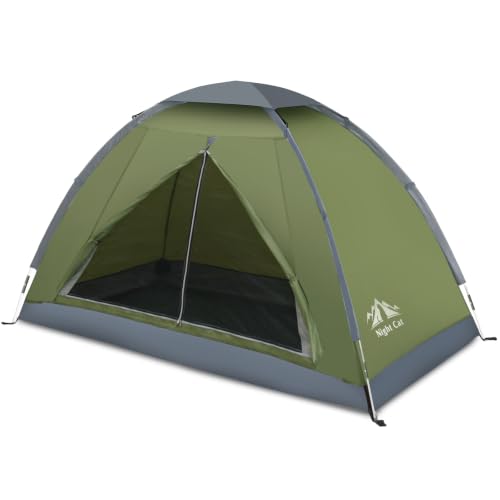
Night Cat Backpacking Tent for 1 to 2 Persons

Naturehike Cloud Up 3 Person Backpacking Tent with Footprint

Clostnature 1/1.5/2/3/4/6 Person Lightweight Backpacking Tent

Clostnature 1/1.5/2/3/4/6 Person Lightweight Backpacking Tent
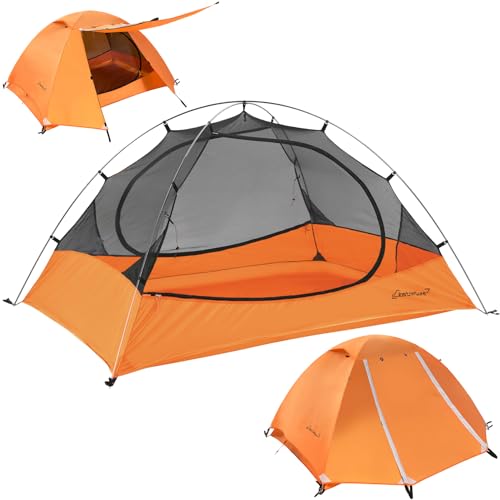
Clostnature 1/1.5/2/3/4/6 Person Lightweight Backpacking Tent

ALPS Mountaineering Lynx 1

Night Cat 2-Persons Backpacking Tent
More Details On Our Top Picks
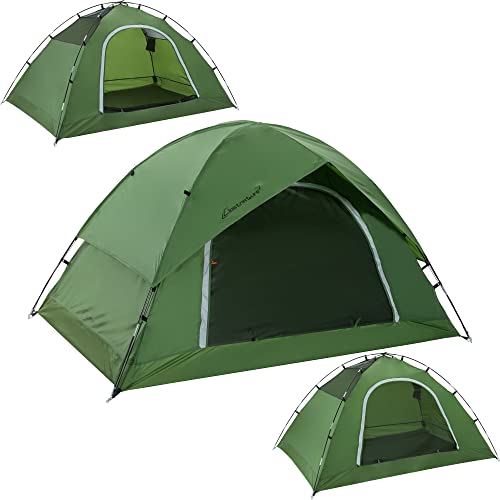
Clostnature’s 2 or 4 person option leans toward easy camp use rather than stripped-down ultralight packing. The 190T polyester shell and PU2000 coating point to a shelter built for regular outdoor use, while the freestanding frame helps on sites where staking every corner is awkward. That mix suits weekend campers, scouts, and families who want less setup fuss.
The trade-off is simple, more room usually means a little more bulk in the pack. Still, for car camping with short walks in, or for kids moving into their first real tent, the shape and ventilation focus make sense without getting fussy.
Strong Points
- Freestanding design makes pitch placement easier on hard ground or uneven campsites.
- 190T polyester gives you a familiar tent fabric that suits regular weekend use.
- PU2000 coating adds another layer of weather protection for damp nights.
- Compact sizing keeps it sensible for family outings and youth camping trips.
- Ventilation focus helps reduce that stuffy feeling after a full day on the trail.
Things To Consider
- Two size options are useful, but the larger setup will naturally take more pack room.
- It looks better suited to short trips than long distance backpacking.
- As with most coated tents, careful drying and storage help keep fabric condition in better shape.
Feature Snapshot
Who It Suits Best
Weekend campers, scouts, and casual family trips fit this Clostnature model well.
A Better Fit Elsewhere
Naturehike Cloud Up 3 Person Backpacking Tent with Footprint suits pairs who want more trail-friendly space and a lighter backpacking focus.
This Night Cat tent keeps the footprint narrow, which helps on tight sites and solo trips where every inch of packed gear matters. The single-layer build makes it simpler to handle, and the 2.2 by 1.2 meter floor size gives a clear sense of the sleeping space you’re working with. For adults, kids, and scouts who want a basic shelter without extra bulk, that’s the main appeal.
The honest read is that a single-layer tent usually asks more of you on humid nights, so ventilation habits matter. Still, for overnights, light hiking plans, and anyone stepping up from a very basic shelter, the simple layout keeps the learning curve low.
Highlights
- Small packed profile suits minimalist backpacking and short walking approaches.
- Single-layer structure keeps the tent straightforward to set up and take down.
- Floor size is clear enough to gauge whether your sleeping pad will fit comfortably.
- Works as a practical first tent for younger campers and casual hikers.
Room For Improvement
- Single-layer construction can feel less forgiving in damp, still weather.
- It looks better for streamlined solo use than roomy two-person lounging.
- Careful airing out after trips helps keep interior moisture from lingering.
Core Details
Who Will Love This
Solo backpackers, scouts, and campers who value simple handling over extra room fit this tent best.
Skip It When
Naturehike Cloud Up 3 Person Backpacking Tent with Footprint makes more sense for pairs who want a roomier three-person layout and a more refined trail setup.
The Cloud Up 3 gives you a cleaner balance between backpacking weight and usable interior space than the smaller Night Cat tent. The included footprint matters because it adds a protective layer under the floor, which is handy on abrasive ground or campsites with bits of gravel. For pairs who want a little breathing room, that extra margin can feel worth carrying.
The three-season framing tells you where this tent sits, more about spring, summer, and fall trips than deep winter use. You may find it especially sensible for hikers who split time between trail miles and car-access camps, because it doesn’t read like a pure ultralight specialist or a heavy family cabin.
What We Like
- Three-person sizing gives you room for two people plus gear without feeling cramped.
- Freestanding setup is easier to manage on uneven or stubborn campsites.
- Footprint inclusion saves you from sourcing a separate ground layer.
- Three-season design suits a wide stretch of regular camping weather.
Softer Spots
- Three-person sizing brings more packed bulk than a strict solo shelter.
- It leans toward fair-weather and shoulder-season trips, not colder extremes.
At A Glance
The Right Fit
Backpackers who want a roomier two-person camp setup with a bit of gear space will get the most from this tent.
Where A Sibling Pick Shines
Clostnature Waterproof Camping Tent 2/4 Person makes more sense for family-style trips where a simpler, room-focused layout matters more than trail mileage.
This Clostnature model stands out because of its aluminum pole structure and PU5000 coating, both of which point toward a tougher build than the more casual options earlier in the list. Aluminum poles are lighter and stiffer than many basic alternatives, which matters when you want a freestanding frame that feels steady without turning the pack into a burden. That makes it a strong fit for campers who want a more serious shelter without jumping into overbuilt territory.
The broader size range also helps, since one product family can cover solo trips, two-person outings, and larger group stays. The trade-off is that larger versions naturally demand more space in the pack and around camp, so this line makes more sense for committed hikers than occasional fair-weather campers.
Upsides
- Aluminum poles usually give a firmer, more confidence-inspiring frame than basic pole sets.
- PU5000 coating points to a higher level of moisture resistance on paper.
- Multiple size options make it easier to match the tent to your usual trip style.
- Freestanding construction helps with pitching on rough campsites.
- Two-door design helps reduce awkward climbing over a tent mate in shared setups.
Areas To Watch
- Larger size options mean you need to pay attention to pack weight and camp space.
- More capable materials often bring a bit more cost and less casual convenience.
- Two doors are great in use, but they do add zipper and seam areas that deserve normal care.
Technical Sheet
Built With In Mind
Frequent campers and hikers who want stronger materials and more configuration choices should look closely at this line.
Look Elsewhere When
ALPS Mountaineering Lynx 1 is a cleaner fit for solo campers who want a simpler, lighter one-person layout.
This version lands in the same family as the previous Clostnature model, so the difference is less about a totally new design and more about the breadth of the lineup. That can be useful for shoppers comparing capacities for different camps, especially when you want one familiar style across several trip types. The two-door layout and freestanding frame keep the day-to-day handling straightforward.
The upside of a wide size range is flexibility, while the catch is that you still need to choose the right capacity for your own gear load. A 1-person shell and a 6-person shell solve very different problems, so the product line works best for people who already know the space they need.
Best Bits
- Broad capacity range makes the family easier to match to different trip sizes.
- Aluminum poles keep the structure in the more durable end of the category.
- Two-door access improves convenience in shared sleeping setups.
- Freestanding design helps on campsites where staking is slow or uneven.
Minor Gripes
- The many size choices can make the decision process feel a little crowded.
- Larger versions will naturally ask more from your pack and campsite footprint.
Details At A Glance
Whose Shelf It Belongs On
Shoppers comparing one familiar tent style across different group sizes will find this lineup especially useful.
A Better Fit Elsewhere
Night Cat Backpacking Tent for 1 to 2 Persons fits solo hikers better when low bulk and a simpler single-layer layout matter more than size options.
This Clostnature listing follows the same practical formula, and that consistency can be useful for campers who like knowing exactly what kind of shelter they’re getting. The aluminum pole build and PU5000 coating push it toward dependable, all-around use rather than the bare-minimum approach you see in simpler tents. For weekend trips, mixed terrain, and a little extra weather confidence, that is a sensible combination.
Compared with the Night Cat solo tent, this one asks for more room but gives back a sturdier-feeling package. The honest trade-off is that it makes less sense for long-distance minimalist backpacking, yet it works well for people who want one tent family that can handle different camp sizes without changing gear habits.
Positives
- Aluminum poles support a more substantial frame feel than basic entry-level pole sets.
- PU5000 coating gives the fabric a higher-weathering profile on paper.
- Freestanding layout simplifies setup on rocky or uneven ground.
- Two doors make shared sleeping more convenient.
- Capacity range gives you flexibility across different trip styles.
Worth Noting
- The broader family range makes it easy to choose the wrong size without a clear trip plan.
- Larger versions will not feel as nimble as a pure solo backpacking shelter.
- As with many coated tents, keeping the fabric dry before storage helps long-term condition.
Core Details
Perfect Match For
Campers who want one tent family that can cover different group sizes will get good mileage from this model.
Another Choice May Suit
ALPS Mountaineering Lynx 1 fits solo backpackers better when a smaller, simpler shelter matters more than flexible sizing.
The Lynx 1 keeps the focus on solo use, and the listed 4 lb. 1 oz. weight makes it a straightforward carry for backpackers who want a one-person shelter without a lot of fuss. The 100% polyester construction keeps the material choice familiar, and the compact form should suit hikers who like a tidy pack list. Compared with the broader Clostnature models, this feels more stripped to a single job.
That simplicity is the point, though it also means you should expect a tighter living space than in a two-person tent. For solo hikers, overnighters, and campground travel where you want a dependable shell that stays easy to carry, this one earns its spot.
Reasons To Buy
- 4 lb. 1 oz. weight keeps the carry manageable for solo backpacking.
- One-person format avoids wasted space for single campers.
- Polyester shell gives you a familiar, easy-to-understand tent fabric.
- Compact shape suits smaller packs and simpler gear systems.
Small Caveats
- Single-person sizing leaves little extra room for large gear or lounging.
- Heavier than some ultra-minimal shelters, so gram counters may keep looking.
- Without a listed footprint here, ground protection planning sits on you.
Feature Card
Right Fit
Solo backpackers who want a compact shelter with straightforward packing should feel at home here.
Swap It Out When
Night Cat 2-Persons Backpacking Tent suits trail partners better when shared space matters more than the smallest possible carry.
This Night Cat tent leans into the classic two-person backpacking shape, and the aluminum poles plus rainfly give it a more complete shelter story than the smaller single-layer option earlier in the roundup. That combination is appealing for trail partners who want a straightforward tent that feels more composed in wet weather. The green finish is just a visual note, but the structure is the part that matters most.
Compared with the solo Lynx 1, you get shared sleeping space without moving into a much heavier family tent. The flip side is that two-person tents still ask for coordination inside, so it suits couples or close travel partners more than campers who want a roomy lounge.
What We Like
- Two-person format keeps the shelter useful for pairs without adding family-tent bulk.
- Aluminum poles improve the frame feel over basic entry-level pole sets.
- Rainfly adds a useful outer layer for wet or windy conditions.
- Lightweight build makes it easier to carry on backpacking routes.
Points To Note
- Shared sleeping space can feel tight once packs and shoes come inside.
- Rainfly and pole care matter, especially after trips with damp mornings.
- Pairs who want extra elbow room may prefer a three-person layout instead.
Spec Overview
Best Suited To
Couples, hiking partners, and campers who want a simple shared shelter will get the most from this Night Cat model.
Where Shoppers Go Wrong
Naturehike Cloud Up 3 Person Backpacking Tent with Footprint is the better fit for pairs who want extra elbow room and a more spacious sleeping layout.
How To Choose The Right Freestanding Backpacking Tents
Weight, Space, And Carry Comfort
Start with how far you’ll carry the tent, because packed weight matters a lot more on a 12-mile approach than at a drive-in campsite. Solo hikers usually want the lightest workable shell, while pairs often accept a little more weight for elbow room and easier nights inside. A tent that feels small in the shop can feel perfectly fine after a long day, but a tent that is too heavy always feels heavy.
Floor length and width matter just as much as the headline capacity. A “2 person” tent can work beautifully for one person and gear, then feel tight for two people with full packs. Freestanding frames help here because they’re easier to place first and adjust later, which is handy on rock slabs, roots, or packed soil.
Materials And Weather Behavior
Fabric names and coating numbers tell you more than marketing language does. Polyester is common and practical, while higher coating numbers usually signal better resistance on paper, though seam care still matters in real camp use. Aluminum poles tend to feel steadier than cheaper pole sets, and that steadiness helps when wind picks up after sunset.
The trade-off for tougher materials is usually cost, weight, or both. For occasional weekend use, a simpler tent can be enough, but a more serious shell makes sense for frequent trips, rougher sites, or gear that gets used hard through a season.
Setups That Match Your Routine
Think about how you actually camp, not how you picture camping. Car campers with short walks can live with more size and structure, while hikers who move camp often usually benefit from a simpler tent that packs fast and stays organized. Two doors matter most for shared sleeping, since they reduce the awkward shuffle of climbing over a tent mate at midnight.
Ventilation also deserves attention, especially in humid regions or on warm nights. Single-layer tents stay simple, but they can demand more attention to airflow and moisture control, so a shell with more structure is often a better fit for damp climates and longer trips.
Matching Tent Style To Your Trip
For solo overnights, a lighter one-person tent keeps the carry honest and the setup quick. For couples, a roomy two-person or compact three-person model usually feels far more civilized than squeezing into the smallest possible shelter. Family camping and youth trips lean in the opposite direction, where simple access and space often matter more than shaving ounces.
The best match is the one that fits your usual trip, not your rarest trip. That’s the easy rule to keep in mind, and it saves you from buying a shelter that only works on paper.
Things Worth Knowing First
Hidden Buying Traps
A common mistake is chasing the smallest number on the scale and forgetting livable space. Another is treating capacity labels as exact, when real comfort depends on pads, bags, and how much gear stays inside the tent. Weight matters, but cramped nights often wear on you faster than a few extra ounces.
Also pay attention to setup style and storage needs. Freestanding tents help on tough ground, yet they still need normal care after wet trips, especially when coated fabrics and zippers are involved.
The Upgrade Payoff
Higher-tier tents usually spend more on poles, coatings, and layout details. Aluminum poles, stronger water-resistant coatings, and extras like a footprint or dual doors tend to move a tent out of the basic category and into something more comfortable for repeated use.
That upgrade pays off for frequent campers, shoulder-season trips, and hikers who want less fuss at camp. For a couple of casual summer outings, a simpler tent can still make sense, so the right level depends on how often you’ll use it and how rough your camps tend to be.
Final Thoughts
The best freestanding backpacking tent for you depends on how much you carry, how many people sleep inside, and how often the tent leaves your trunk or pack. Night Cat and ALPS Mountaineering keep things simple for solo use, while the Naturehike and Clostnature options open up more room and sturdier construction for longer trips. Choose the one that matches your usual terrain and trip length, and the whole camp routine gets easier.