
Backpackers know the small stuff can make a long trail feel either tidy or tedious, and gaiters sit right in that gap. The right pair keeps grit out of your shoes, limits brush scrape on your lower legs, and helps wet trail edges feel less messy on the move.
This roundup keeps the focus on trail use, packability, and fit across different terrain. You’ll see lower-cut options for light miles, sturdier pairs for snow and brush, and a tick-focused choice for warmer routes where overgrown shoulders can be part of the day.
Quick Shortlist for Trail Days
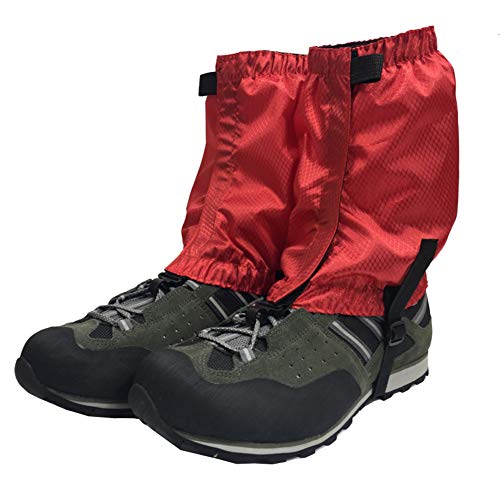
HomDSim Leg Gaiter Waterproof Anti-Tear Ankle Gaiters

Leg Shield Leg Gaiters with Hook and Loop Straps

Outdoor Research Rocky Mountain Low Gaiters

Azarxis Gaiters Low Gators Snow Ankle Gaiters

MAGARROW Leg Gaiters Hiking Snow Boot Gaiter

Pasanava Leg Gaiters Waterproof and Adjustable Snow Boot Gaiters

Pasanava Leg Gaiters Waterproof and Adjustable Snow Boot Gaiters
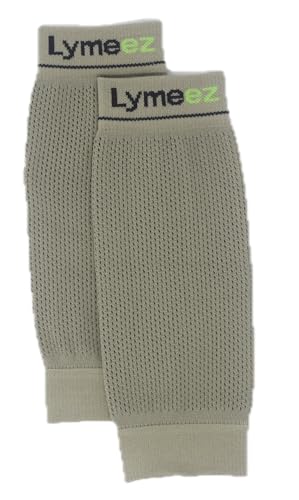
LYMEEZ Stretch Mesh Tick Gaiters
More Details On Our Top Picks
This pair leans hard toward rough use, which makes sense for backpacking routes that mix scree, brush, and damp edges. The anti-tear build is the part that matters most here, because lower gaiters take the most abuse from trail grit and boot contact.
Compared with the softer Leg Shield option later in this list, this one feels better suited to harsher miles and gear that gets stuffed in and out of a pack often. The honest read is that it’s a sturdier-style pick, not a delicate one, so it fits hikers who care more about protection than a barely-there feel.
Strong Points
- Anti-tear material suits rough trail edges and repeated contact.
- Ankle-height coverage keeps debris out without adding much bulk.
- Works across hiking, climbing, hunting, and snow travel.
- Simple lower-leg shape is easy to pack and stash.
Things To Consider
- That tougher build can feel less supple than neoprene.
- Lower coverage may leave more of the calf exposed than taller pairs.
- Trail mud and dust still call for regular wiping after use.
Core Details
Who It Suits Best
Backpackers who spend time on rocky tread or brushy side trails will get the most from this tougher style.
Where A Sibling Pick Shines
Leg Shield Leg Gaiters with Hook and Loop Straps suits lighter-duty walkers who want softer neoprene feel and simpler lower-leg coverage.
Soft neoprene changes the feel here, and that makes this pair easier to live with for lighter trail days or around camp chores. Hook and loop straps are plain old convenient, which matters when you want something quick to secure before a short outing or a damp walk.
Compared with HomDSim’s tougher shell, this is the gentler choice, though it also feels less built for abrasive backpacking routes. You may find it suits mixed home-and-trail use better than long alpine miles, especially for lower-leg protection without much fuss.
What We Like
- Soft neoprene gives a more forgiving feel against the leg.
- Hook and loop straps make adjustment straightforward.
- Useful for yard work and casual outdoor movement too.
- Low-key construction keeps packing and storage simple.
Room For Improvement
- Neoprene tends to feel less rugged on rough trail days.
- Lower-protection focus may not satisfy hikers in deep brush or snow.
- Hook and loop closures can gather lint, dust, and grit over time.
Feature Snapshot
Right Fit For
Casual hikers and weekend backpackers who want easy lower-leg coverage without a stiff build will get along with this pair.
Another Choice May Suit
Outdoor Research Rocky Mountain Low Gaiters is a better match for hikers who want a more trail-focused low-profile design.
Low gaiters earn their keep on fast-moving hikes, and this pair sits squarely in that lane. The lower cut keeps bulk down, which helps you move naturally on maintained trails and still get some help against dust, pebbles, and trail splash.
Compared with the Leg Shield neoprene pair, this feels more tuned to trail use than chores, and that difference matters once your days start getting longer. In our view, it suits backpackers who want a neat fit around the boot collar without climbing into taller snow-gaiter territory.
Highlights
- Low profile works well with lighter backpacking setups.
- Less bulk helps natural stride and easier packing.
- Unisex design broadens the fit range for shared gear.
- Good match for warm-weather dust and light debris.
Softer Spots
- Low height leaves more of the lower leg open.
- Not the right style for deep snow or heavy brush.
- Smaller gaiters still need occasional brushing or rinsing after dusty miles.
Details At A Glance
Best Suited To
Backpackers who favor light, tidy gear on maintained trails will appreciate this lower-cut shape.
Where A Sibling Pick Shines
Azarxis Gaiters Low Gators Snow Ankle Gaiters makes more sense for hikers who want a lighter-feeling option with broader backpacking coverage cues.
This one reads like the middle ground many backpackers actually need, not the heavy armor version and not the ultra-simple kind either. Lightweight build, adjustable fit, and the sand-proof angle make it useful on dusty approaches, mixed trail days, and shoulder-season trips.
Compared with Outdoor Research’s low gaiters, this feels broader in use case and more flexible across walkers, youth, and adults. The trade-off is that a lighter frame usually asks you to be more realistic about brush and snow depth, so it works best on varied but not extreme routes.
Upsides
- Lightweight feel keeps lower-leg wear from getting clunky.
- Adjustability helps you dial in a more secure fit.
- Sand-proof intent suits dusty trails and desert edges.
- Broad age range makes it useful for family trips.
Worth Noting
- Lightweight gear usually gives up some ruggedness.
- Lower ankle coverage may not satisfy snow-heavy routes.
- Dust and grit can still work into adjustment points, so a quick shake-out helps.
Spec Overview
Who Should Grab It
Day hikers and backpackers who split time between dry dust, light wet ground, and general trail travel should find this shape comfortable.
Reach For A Different Pick When
HomDSim Leg Gaiter Waterproof Anti-Tear Ankle Gaiters is the stronger call for hikers who expect rougher rock contact and harder use.
Oxford fabric gives this pair a more structured feel than the softer neoprene option from Leg Shield, and that matters on wet, cold, or slushy days. It’s the sort of gaiter you’d keep near the rest of your trail kit when weather turns ugly but the route still calls for movement.
Compared with Azarxis, this looks a bit more purpose-built for snow boot coverage, though it may feel less airy on warm approaches. The honest read is that it suits backpackers who want one pair that leans toward wet protection and everyday outdoor use.
Best Bits
- Oxford fabric adds a sturdier-feeling outer layer.
- Waterproof construction suits wet trail days and slush.
- Boot-cover format helps seal the lower edge more fully.
- Useful for backpacking, snow travel, and general outdoor wear.
Areas To Watch
- Heavier-feeling materials can feel warmer during long climbs.
- Boot-cover shape may be more than you need for mild trails.
- Wet fabric still benefits from drying before storage.
Feature Card
The Right Fit
Backpackers who deal with wet trail edges, slush, and frequent weather shifts will find this the most reassuring of the mid-weight group.
Skip It When
Outdoor Research Rocky Mountain Low Gaiters is the cleaner match for hikers who want less fabric around the ankle and a lighter trail feel.
This Pasanava pair lands in the useful middle, the kind of option that can handle weekend backpacking, walking, hunting, and climbing without demanding a special packing strategy. One size and adjustability make it attractive for shared gear or for someone who wants fewer fit decisions.
Compared with MAGARROW’s more fabric-forward build, this one aims more squarely at broad utility. You may find it less specialized than the higher-contrast choices above, yet that can be the appeal, especially for mixed outdoor weeks that bounce between trail and camp.
Positives
- One-size approach keeps selection simple.
- Adjustability helps secure it over different boots and pants.
- Wide activity range suits more than one outdoor routine.
- Easy to fold and keep in a daypack pocket.
Small Caveats
- One-size gear can be less precise than sized options.
- Broad use means it may not feel specialized for extreme terrain.
- Adjustable parts deserve occasional checking after dusty miles.
Core Details
Whose Shelf It Belongs On
Weekend backpackers and mixed-sport outdoor users who want one versatile lower-leg layer will get the most from this style.
A Better Fit Elsewhere
LYMEEZ Stretch Mesh Tick Gaiters suits hikers who want a more specialized answer for brush-heavy summer routes.
This second Pasanava listing gives you the same broad-use shape, and that makes it useful as a spare set or a simple duplicate for a second pack. The draw here is reliability through familiarity, not drama, which can be enough for casual backpacking plans.
Compared with the first Pasanava option, this one serves the same general lane, so your choice comes down to stock, fit preference, or color handling on the listing. In a small gear closet, a dependable backup can be more useful than a fancier design that sits unused.
Bright Spots
- Broad outdoor use keeps it versatile across trips.
- Adjustable fit helps it adapt to different boot shapes.
- One-size format simplifies packing and sharing.
- Works as a spare set for frequent hikers.
Honest Caveats
- Its appeal overlaps heavily with the previous Pasanava option.
- Shared fit style may not feel as exact as more tailored pairs.
- Storage is easy, but loose straps should be kept tidy to avoid tangles.
Feature Rundown
Made For
Backpackers who want a no-drama backup gaiter for mixed outings will find this style easy to slot into a gear shelf.
Swap It Out When
HomDSim Leg Gaiter Waterproof Anti-Tear Ankle Gaiters is the better fit for harsher terrain and more abrasion-heavy use.
This is the most specialized pick in the list, and the goal is plain from the design: slow upward movement along the gaiter surface and keep treated fabric in the mix. The ClimbDisrupt architecture and permethrin-treated fabric make more sense on brushy routes where ticks are part of the outdoor picture.
Compared with the general-purpose backpacking gaiters above, this one is less about snow or abrasion and more about tick-focused trail wear. The trade-off is simple, specialty gear does a tighter job in its lane, so it fits hikers who spend time in overgrown grass, edge trails, or warm-season camps.
Reasons To Buy
- Mesh structure is built to slow upward movement on the surface.
- Treated fabric gives it a more specialized outdoor role.
- Useful for brush-heavy hikes and summer trail edges.
- Lightweight style should pack easily with the rest of your kit.
Points To Note
- Its purpose is narrower than the other gaiters in this roundup.
- Mesh construction is less suited to snow or abrasive rock.
- Fabric treatments need sensible care so the gaiters stay usable over time.
At A Glance
Best Suited To
Backpackers who spend summer miles in tall grass, edge trails, or overgrown camp access paths will value this specialized build.
Not Your Match When
MAGARROW Leg Gaiters Hiking Snow Boot Gaiter makes more sense for wet, cold, or snow-leaning routes that call for a fuller shell.
How To Choose The Right Gaiters For Backpacking
Match The Cut To Your Trail
Low gaiters suit lighter mileage, maintained paths, and pack-light trips where you mostly want to block grit and small trail splash. Taller or snow-oriented styles make more sense for brush, slush, and routes that scrape the lower leg more often.
The cut also changes how hot they feel during a climb, so lower profiles usually breathe better and pack smaller. That trade-off matters on long uphills, where extra fabric can feel like dead weight in your kit.
Choose The Material For The Terrain
Neoprene brings a softer feel and often works well for casual outdoor use, while Oxford fabric and tougher shells lean more toward abrasion resistance. Stretch mesh sits in its own lane, because it favors airflow and surface coverage over heavy shielding.
Think about what your trail days actually look like. Brush, snow, wet mud, and dust all push the material in a different direction, and the wrong fabric can feel either overbuilt or underprepared.
Fit And Closure Matter More Than They Seem
Adjustable straps, hook and loop closures, and one-size designs change how secure a gaiter feels once you’re moving. A secure hold helps keep debris out, but it also needs to stay comfortable enough that you won’t keep fiddling with it every mile.
Backpackers who wear bulkier boots or thicker pants should pay close attention to the closure layout. A clean closure saves time at camp and reduces the chance of straps snagging on brush or collecting trail grit.
Think About Real Ownership, Not Just The Trail
Gaiters live a rough life, so easy cleaning and simple storage are worth more than they look on the product page. Dust, mud, and damp grass build up quickly, and a pair that dries reasonably well is easier to keep in rotation.
Shared gear also benefits from a flexible fit and simple adjustment. That makes the choice friendlier for families, couples, and anyone who likes a backup pair in the pack.
Things Worth Knowing First
Common Shopping Slip Ups
Many people focus on waterproof claims and forget about coverage height. A low gaiter can be great for light debris, but it won’t act like a snow gaiter in rougher conditions.
Another common miss is choosing comfort-first material for terrain that regularly scrapes gear. Soft neoprene feels nice, though it may not satisfy hikers who spend long days in rock and brush.
Where The Extra Money Goes
Higher-tier gaiters usually pay for stronger fabric, more thoughtful shaping, and better fit control. That matters when your trail days involve repeated wear, wet ground, or pack weight that already taxes your lower legs.
The upgrade tends to make sense for frequent backpackers, alpine hikers, and anyone who wants a more secure feel over boots. Casual walkers can often stay with simpler construction and still get what they need.
Closing Thoughts
For backpacking, the best gaiter is the one that matches your trail, not the one with the loudest claims. A low-profile pair works well for dust and light debris, while tougher or more specialized options suit brush, slush, and warm-season overgrowth. Choose the cut, material, and closure style that fit how you actually move, then keep the rest of your kit simple.