

You want campsite power that doesn’t feel fussy, noisy, or oversized. This roundup focuses on portable units and power stations that suit camping rigs, weekend trailers, and backup-minded travelers who need a practical mix of output, runtime, and portability.
You’ll see gas, dual-fuel, and battery-based options here, plus RV-ready outlets, CO shutoff features, and inverter designs that are easier on sensitive gear. The right match depends on how much you run, how much you carry, and whether you want fuel freedom or simpler plug-in use.
The Shortlist At A Glance

Westinghouse 2550 Peak Watt Super Quiet Portable Inverter Generator

Jackery Explorer 2000 v2 Portable Power Station
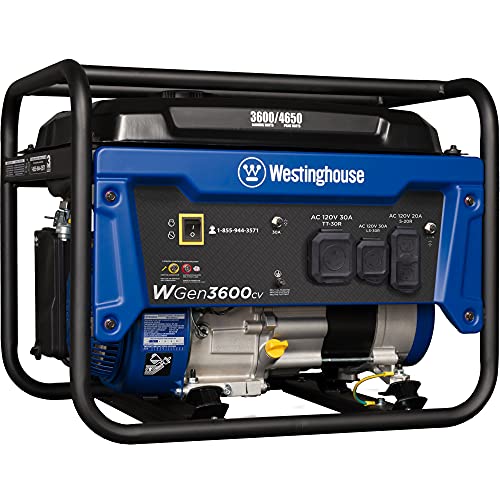
Westinghouse 4650 Peak Watt Portable Generator

Oxseryn Power Equipment 4400 Watts Inverter Generator

WEN 3600-Watt Portable Inverter Generator (56360i)

WEN Quiet and Lightweight 3600-Watt Dual Fuel Portable Inverter Generator (DF360iX)

AIVOLT 4300W Inverter Generator Gas Powered Quiet RV Generator for Camping
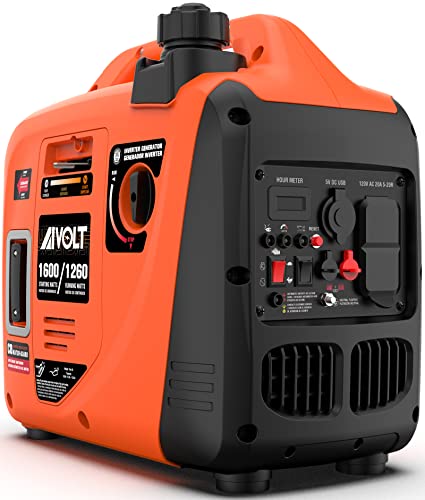
AIVOLT 1600W Super Quiet Inverter Generator 28lbs Portable for Camping
More Details On Our Top Picks
Campers who want a lighter gas unit often start here, because the 30A RV outlet makes the setup feel less improvised. The dual-fuel design gives you gas or propane flexibility, and that matters on long weekends where fuel planning can be the difference between calm and scramble.
The trade-off is straightforward: this sits in the smaller-output lane, so it suits modest loads better than a power-hungry trailer. The CO sensor adds a useful layer of caution for typical campsite use, and parallel capability leaves room to grow later.
Strong Points
- RV-ready 30A output suits camper hookups.
- Dual-fuel flexibility helps with fuel planning.
- Lightweight build is easier to move around camp.
- Parallel support gives you a growth path.
- CO sensor adds a sensible safety feature for shared outdoor spaces.
Points To Note
- Smaller output means you need to keep appliance loads modest.
- Gas and propane use still call for routine fuel handling and storage.
- Lightweight portability usually comes with less headroom than larger units.
Feature Snapshot
Who It Suits Best
Weekend campers and small RV setups benefit most, especially when you want straightforward backup power without jumping into a heavier generator class.
A Better Fit Elsewhere
Jackery Explorer 2000 v2 Portable Power Station suits quiet campers who prefer battery power and indoor-friendly convenience over fuel handling.
Battery power changes the camping experience in a very practical way, especially around sleeping areas or shared sites where engine noise feels intrusive. With 2042Wh of capacity and 2200W AC output, this Jackery leans into substantial plug-in support without fuel fumes or pull-start routines.
The LiFePO4 battery, a lithium iron phosphate pack, is valued for stable chemistry and long service life patterns compared with many standard lithium packs. USB-C PD 100W fast charging matters for modern devices and work gear, though the solar panel is optional, so off-grid replenishing depends on what you add to the setup.
What We Like
- Large battery capacity supports longer unplugged stays.
- 2200W AC output covers many camping essentials.
- LiFePO4 chemistry suits frequent use patterns.
- USB-C PD 100W is handy for newer laptops and phones.
- Quiet operation fits campsites where engine noise feels out of place.
Room For Improvement
- Battery power is great for silence, but recharge planning matters.
- Solar input depends on adding the panel separately.
- Heavier-capacity stations are less about portability and more about stationary convenience.
Core Details
Who Will Love This
Quiet-focused campers, van travelers, and anyone who wants battery backup for devices and small appliances will find the fit especially strong.
Another Choice May Suit
Westinghouse 4650 Peak Watt Portable Generator works better for campers who want a gas-powered unit with more traditional output and RV-ready utility.
This Westinghouse lands in a more traditional generator lane than the Jackery, so it makes sense for campers who want gas-powered output instead of battery storage. The 30A RV outlet is the key detail here, since that’s what lets a trailer setup feel properly supported rather than patched together.
The CO sensor adds a safety-minded touch for campsites and driveway use, and the higher peak-watt class gives you more breathing room than the smaller 2550-watt model above. It still calls for fuel management and routine upkeep, so it suits travelers who don’t mind the usual engine-side chores.
Upsides
- Higher peak output gives you more load flexibility.
- RV-ready outlet simplifies camper hookup.
- CO sensor adds a useful safeguard for outdoor use.
- Gas power suits longer stays where refueling is easier than recharging.
Softer Spots
- Gas units need fuel storage and basic maintenance attention.
- Heavier generator classes are less convenient to move solo.
- The extra capacity makes sense only when you actually need it.
Details At A Glance
Built With In Mind
Campers with medium-duty power needs and a trailer hookup will get the most out of this one.
Where A Sibling Pick Shines
WEN Quiet and Lightweight 3600-Watt Dual Fuel RV-Ready Portable Inverter Generator (DF360iX) suits camp setups that want propane flexibility alongside quieter inverter-style power.
The open-frame shape makes this Oxseryn feel a bit more utility-first than the fully enclosed inverter units above. That matters in camp and backup use, because you get a generator that aims at solid power delivery, ECO mode efficiency, and RV readiness without pretending to be featherweight.
It’s a sensible middle ground for travelers who want more muscle than the smaller camping units but don’t want to jump straight into a large contractor-style machine. The honest read is that the open-frame format may not be the quietest path for every campsite, yet it often suits mixed-use owners who split time between camping and home backup.
Bright Spots
- 4400-watt class brings more headroom for appliances and tools.
- ECO mode helps the engine settle down under lighter loads.
- RV-ready design keeps it useful for trailer trips.
- Open-frame layout often feels easier to service and inspect.
Minor Gripes
- Open-frame construction usually takes up more visual and physical space.
- Campers who want the quietest possible setup may prefer a fully enclosed inverter unit.
- Utility-first designs can feel less refined to carry and store.
Feature Rundown
Perfect Match For
Campers who also want backup utility at home, especially those with a few power-hungry appliances, fit this model well.
Swap It Out When
AIVOLT 1600W Super Quiet Inverter Generator 28lbs Portable for Camping makes more sense for solo travel and light-load trips where carry weight matters more than output.
WEN keeps this one nicely focused on the everyday stuff that camping trips actually ask for. The 3600-watt inverter design and RV-ready setup make it an easy fit for modest trailers, while the quiet, lightweight framing should appeal to people who don’t want a generator that dominates the campsite.
Fuel shut off is the detail that often gets overlooked, yet it matters for storage habits because it helps clear fuel from the carburetor before the unit sits. That sort of maintenance-minded feature is useful for seasonal campers, though the overall output still sits in the midrange rather than the heavy-duty tier.
Reasons To Buy
- Midrange output works well for practical camper loads.
- RV-ready design keeps hookups straightforward.
- Lightweight construction helps with loading and stowing.
- Fuel shut off supports better off-season storage habits.
Areas To Watch
- Midrange power suits common camping gear, not the heaviest setups.
- Portability is good, but still best handled with care.
- Quiet inverter operation does not remove the need for smart campsite placement.
Quick Facts
Whose Shelf It Belongs On
This suits campers who want a dependable mid-size inverter unit with a little maintenance convenience built in.
Look Elsewhere When
Jackery Explorer 2000 v2 Portable Power Station is the better match for noise-sensitive setups that lean toward battery-backed silence.
This WEN keeps the same camper-friendly 3600-watt class as the previous model, but dual fuel is what changes the daily feel. Gas and propane flexibility helps you work around fuel availability, and CO Watchdog gives you a clearly named safety feature that many campsite owners will appreciate.
Compared with the single-fuel WEN 56360i, this one asks for a bit more decision-making about fuel storage, yet it gives you more ways to keep the trip running. That makes it a smart fit for travelers who like options and don’t mind a slightly busier setup process.
Standout Traits
- Dual fuel support expands your campsite fuel choices.
- RV-ready design keeps trailer use straightforward.
- CO Watchdog adds a named protective shutdown feature.
- Quiet, lightweight framing keeps the handling sensible.
Honest Caveats
- Dual fuel convenience also means more fuel planning.
- Propane and gas storage both need basic care.
- Midrange output remains a better fit for moderate loads.
Technical Sheet
Made For
Campers who want fuel flexibility and a named safety feature will feel right at home with this model.
Reach For A Different Pick When
Westinghouse 2550 Peak Watt Portable Inverter Generator (RV Ready) is the better fit for lighter trailers that value a smaller footprint and easier carrying.
AIVOLT gives you a strong camping-oriented inverter generator with a useful balance of output and noise control. The 3450W running figure and 60dBA noise claim place it in a comfortable middle lane for group trips, where you want usable power without turning the campsite into a racket.
The clean power rating under 3% THD, meaning total harmonic distortion, matters for electronics that prefer steadier output. Pair that with CO auto-shutoff, parallel readiness, and ECO mode, and you get a feature stack that feels well thought through for travelers who keep a mix of devices and appliances on hand.
Best Bits
- Running output is strong enough for a broad camping setup.
- 60dBA claim keeps the noise profile in a usable range.
- Under 3% THD supports more device-friendly power delivery.
- Parallel readiness gives you room to expand later.
- ECO mode can reduce fuel use under lighter demand.
Small Caveats
- Gas power still means routine fuel handling.
- More output usually brings more weight and storage demands.
- The feature set is broad, so setup may take a little more attention than simpler units.
Core Details
The Right Fit
Group campers and trailer users with mixed device loads will benefit most from this model.
Where Shoppers Go Wrong
WEN 3600-Watt Portable Inverter Generator (56360i) is the cleaner fit for anyone who wants a simpler midrange unit with a smaller feature load.
Weight matters a lot on camping trips, and at 28 pounds this AIVOLT keeps the carry manageable for solo loading or quick changes around camp. Its 1260W running output is sized for lighter loads, so it suits phones, small electronics, and simpler appliance needs rather than full trailer duty.
The 57dBA noise claim and pure sine wave output, meaning smoother AC power, make it feel well matched to quiet campsites and electronics that prefer cleaner delivery. The 8-hour ECO mode adds practical runtime context, though the smaller capacity class means you should treat this as a light-duty companion, not a whole-site power source.
Highlights
- 28-pound carry weight keeps transport easy.
- 57dBA claim supports quieter campsite use.
- Pure sine wave output suits sensitive electronics.
- ECO mode extends usefulness during lighter use periods.
Worth Noting
- Light-duty output fits modest camping loads only.
- Smaller generators often ask for more careful load planning.
- Compact size is a plus, but it also limits expansion room.
At A Glance
The Right Fit
Solo campers, short-trip travelers, and light-load setups suit this compact generator well.
Skip It When
Westinghouse 4650 Peak Watt Portable Generator is the better choice for larger trailers or camps that need much more output headroom.
How To Choose The Right Generators For Camper
Match Output To Real Camp Loads
The first number to check is running wattage, which tells you what the unit can support continuously. Campers running lights, phones, a fan, and a coffee maker can often stay in the smaller or midrange class, while trailers with multiple appliances need more headroom.
Peak wattage matters too, because startup surges from compressors and some kitchen gear can jump higher than steady use. A generator that looks sufficient on paper can feel cramped the moment a fridge, blender, or pump starts at the same time.
Choose The Fuel Style That Fits Your Routine
Gas models remain practical for longer stays because refueling is familiar and quick. Dual-fuel units add propane flexibility, which can help during travel or storage-heavy seasons, while battery stations keep the campsite quiet and avoid fuel handling entirely.
The trade-off sits in the middle of convenience and independence. Fuel units often bring longer runtime per refill, battery stations bring silence and simplicity, and your best fit depends on how often you want to recharge or refuel.
Think About Noise, Weight, And Storage
Quiet ratings matter more in campgrounds than many people expect, especially around neighbors and early mornings. Lighter units are easier to load into a truck bed or stow in a trailer compartment, but very small models usually give up power reserve.
Open-frame generators can feel sturdier and easier to service, while enclosed inverter styles often suit quieter, more compact use. A unit that stores neatly and lifts comfortably tends to get used more often, which is the real measure that matters.
Things Worth Knowing First
Traps First Timers Fall Into
Many people size a generator for the devices they own now, then forget startup surge and future gear. That leads to an undersized setup that works on paper and feels strained in a real campsite.
Another common miss is ignoring outlet style. An RV-ready 30A outlet can save hassle for trailer use, while a battery station without the right charging plan can leave you waiting longer than expected.
The Upgrade Payoff
Higher-tier models usually cost more because they add capacity, cleaner inverter output, better fuel flexibility, or quieter operation. Those differences matter most for campers who run medical devices, work gear, refrigeration, or multiple appliances at once.
That extra spend also tends to buy better convenience features, such as fuel shutoff, parallel capability, or dual-fuel support. For occasional weekend use, a simpler unit may be enough, but frequent travelers usually notice the difference in daily ease.
Final Thoughts
Your best match depends on how you camp, not just how much power sounds impressive on a page. The Westinghouse and WEN options suit trailer-friendly gas use, Jackery fits quiet battery-minded trips, and AIVOLT covers the light to midrange lanes with a clear focus on camping convenience. Keep your loads honest, match the outlet to your rig, and choose the format you’ll actually want to carry and maintain. That’s usually the simplest path to the right setup.