

Camping power is less about bragging rights and more about keeping the lights on, the cooler cold, and your phone alive after dark. You need a generator that matches your campsite, your RV setup, and how much noise you can live with around a tent wall. This roundup sorts the field by real use, from tiny charge-anywhere power stations to heavier gas units for longer stays.
The Shortlist At A Glance
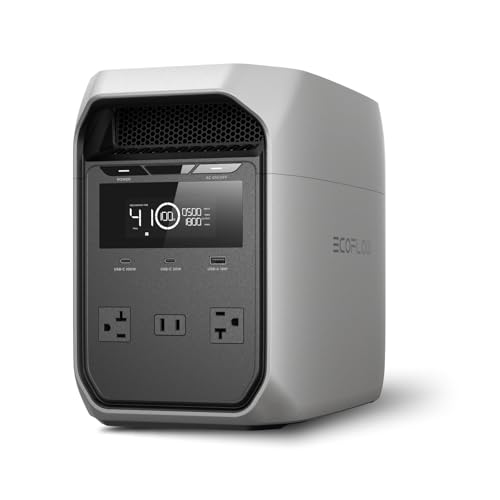
EF ECOFLOW Delta 3 Classic 1024Wh
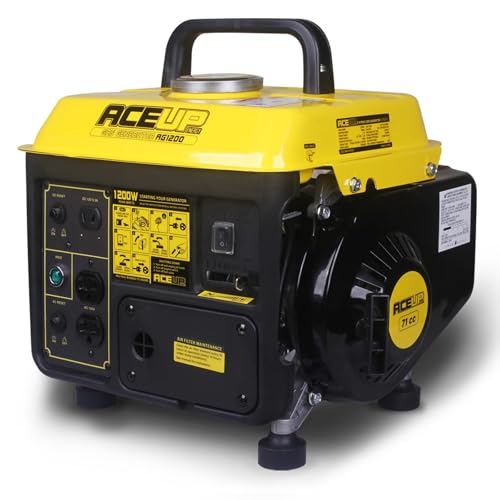
Aceup Energy 1,200W Gas Powered Generator

Jackery Explorer 2000 v2 Portable Power Station
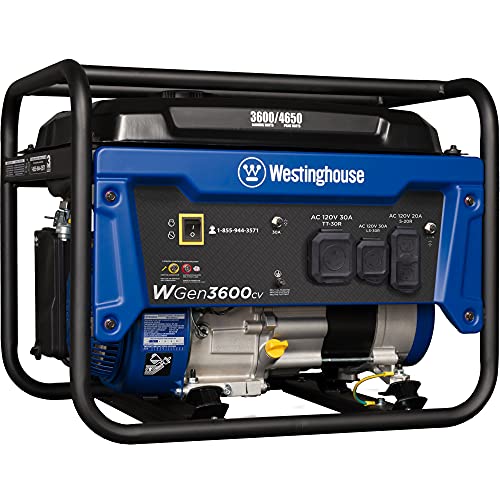
Westinghouse 4650 Peak Watt Portable Generator

Oxseryn Power Equipment 4400 Watts Inverter Generator

ERAYAK 2400W Portable Inverter Generator
Portable Power Station 300W, 220Wh Solar Generator

WEN Quiet and Lightweight 3600-Watt Dual Fuel Portable Inverter Generator
More Details On Our Top Picks
Camping power gets easier to manage with a box like this, because the 1024Wh battery gives you more breathing room than a tiny phone charger bank. The 1800W AC output and 3600W surge headroom make it better suited to heavier campsite loads than the smaller Apowking unit later in this list. A 100W USB-C port is handy for modern laptops, and the LiFePO4 battery chemistry usually appeals to campers who want a long-haul power station instead of something disposable-feeling.
The 10ms UPS function is the quiet detail that matters most for backup use, since it helps bridge brief power cuts at a cabin or in an RV setup. One trade-off is that it still lives in the power-station lane, so you get cleaner operation and simpler indoor-friendly handling, but not the raw fuel flexibility of a gas machine like the WEN DF360iX. For frequent travel or weekend base camps, that balance makes sense.
Reasons To Buy
- 1024Wh capacity gives you room for phones, lights, and a laptop without constant recharging.
- 1800W continuous output supports a broader spread of campsite electronics than pocket-sized units.
- 100W USB-C charging suits newer notebooks and fast top-ups for compatible gear.
- LiFePO4 battery construction is a strong fit for campers who want steadier long-term use.
- 10ms UPS support adds a useful backup layer for cabin or RV power handoffs.
Areas To Watch
- Heavier loads still need realistic planning, since a power station is not the same as a high-output gas generator.
- The usefulness of fast charging depends on your outlet access and campsite power setup.
- For very small outings, the capacity may feel more than you need.
Core Details
Who It Suits Best
Weekend campers, RV travelers, and cabin users who want a quiet power station with enough headroom for real gear.
A Better Fit Elsewhere
The WEN Quiet and Lightweight 3600-Watt Dual Fuel RV-Ready Portable Inverter Generator (DF360iX) suits campers who want fuel choice and a more traditional generator setup.
Some camping trips need a plain gas generator more than a battery box, and this Aceup unit fits that lane neatly. The 1,200W output keeps it in the light-duty bracket, which suits charging gear, running small appliances, and covering basic campsite needs without a large footprint. Compared with the ECOFLOW and Jackery power stations above, it gives you a more old-school fuel-based route instead of a rechargeable battery bank.
The ultralight angle is useful for car campers who move gear in and out of a trunk or truck bed, though the trade-off is obvious, you are not buying a heavy-power machine here. Its EPA and CARB compliance labels matter for people camping in places that care about emissions rules, even though the paperwork never makes the generator feel glamorous. For short stays, it’s a sensible, no-frills option.
What We Like
- 1,200W output suits basic campsite charging and very modest appliance use.
- Small size makes storage easier in packed vehicles or garage shelves.
- Light build helps when you need to lift and reposition gear often.
- Gas power gives you a familiar setup for outdoor backup use.
Points To Note
- Output stays limited, so larger camp appliances sit outside its comfort zone.
- Gas units need fuel handling and regular upkeep, which adds a little work.
- It makes more sense for simple use than for a full family base camp.
Feature Snapshot
Made For
Car campers and light-duty users who need a compact gas generator for basic power support.
Another Choice May Suit
ERAYAK 2400W Portable Inverter Generator suits campers who want a quieter, more camping-friendly inverter style with more headroom.
The bigger battery class shows up immediately here, and that matters on longer camping trips where you do not want to ration every charge. With 2042Wh of storage and 2200W AC output, this Jackery sits well above the smaller 300W and 1,200W picks in the list. It’s a strong fit for campers running more devices at once, from a laptop and fan to kitchen gear with modest draw.
The LiFePO4 battery type is worth paying attention to because it usually appeals to campers who want steadier long-term ownership rather than a throwaway feeling. Solar-panel support is optional, so you can build out your setup later instead of committing on day one. The honest read is that the size and capability make sense for serious trip use, not quick park picnics.
Bright Spots
- 2042Wh capacity gives you a wide cushion for multi-device camping use.
- 2200W AC output supports more demanding gear than the smaller power stations here.
- USB-C PD up to 100W helps with modern laptops and faster device charging.
- LiFePO4 battery chemistry suits travelers who want a more durable battery format.
- Solar-panel optionality leaves room for a gradual setup.
Room For Improvement
- The size makes it less convenient for quick carry-in, carry-out trips.
- Solar support depends on adding the panel separately.
- For light camping, the capacity may feel larger than necessary.
At A Glance
Who Will Love This
Campers who stay out longer, carry more electronics, or want a serious portable power station for cabin backup.
Where A Sibling Pick Shines
EF ECOFLOW Delta 3 Classic 1024Wh fits people who want a similar power-station format in a smaller, more compact package.
This Westinghouse leans into practical campsite utility, especially for RV travelers who want a 30A outlet ready for trailer power needs. The peak watt figure signals a sturdier gas setup than the tiny Aceup unit, while the CO sensor adds an important layer of real-world awareness for outdoor use. That makes it a decent middle path for campers who want more muscle without jumping straight to a bulky contractor-style machine.
Compared with inverter units, this style is a little more old-school in how it fits camp life, so it suits people who care more about output and RV hookup convenience than ultra-quiet operation. The CO sensor is the sort of detail that matters around campsites and enclosed spaces, though you still need smart placement and good habits. For trailer owners, the fit is easy to understand.
Positives
- RV-ready 30A outlet simplifies trailer and camper hookup.
- 4650 peak watts give you more headroom than the smaller gas pick here.
- CO sensor adds an important safety-oriented feature for outdoor setups.
- Useful for longer stays where you need a sturdier power source.
Minor Gripes
- The higher-output gas format usually takes more storage space and upkeep.
- It is less grab-and-go than the compact battery stations in this list.
- Noise and fuel handling matter more here than on inverter-style options.
Details At A Glance
Perfect Match For
RV campers and trailer owners who want a gas generator built around practical hookup needs.
Skip It When
Jackery Explorer 2000 v2 Portable Power Station makes more sense for campers who prefer battery power and quieter operation.
Open-frame inverter units sit in an interesting middle ground, and this Oxseryn model leans into that idea with RV-ready utility and ECO mode. The 4400W figure gives you noticeably more room than the ERAYAK or Aceup options, which helps on trips where you want to run more than charging cables and a lantern. For mixed use at a camp site, it looks like a solid fit on paper.
The low-noise claim paired with inverter design is the key attraction here, because inverter generators usually make power that’s friendlier for electronics than basic gas units. The trade-off is that open-frame styling often feels less compact and less polished than a closed carry-style power station. Still, for campers who want wattage without leaping all the way into larger RV-class machines, it lands in a useful spot.
Plus Points
- 4400W output gives you extra room for bigger campsite loads.
- ECO mode helps match engine output to demand more sensibly.
- RV-ready design helps for trailer-oriented camping setups.
- Inverter build is a better fit for electronics than a basic utility generator.
Softer Spots
- Open-frame construction usually means more bulk than a small power station.
- Fuel handling and upkeep remain part of ownership.
- The style suits utility first, not minimalist packing.
Quick Facts
Whose Shelf It Belongs On
Campers who want a more muscular gas inverter for RV trips and layered power needs.
Look Elsewhere When
EF ECOFLOW Delta 3 Classic 1024Wh suits you better if quiet battery operation matters more than raw fuel output.
This ERAYAK sits in the sweet spot for campers who want quieter power without overcommitting to a huge machine. The 2400W inverter design gives you more breathing room than the 1,200W Aceup generator, while the ECO mode helps keep the setup sensible during lighter loads. For weekend trips, that usually feels easier to live with than a louder open-frame rig.
Because it’s a portable inverter generator, it fits better around electronics and shared camp spaces than a basic utility unit would. The trade-off is still fuel-based ownership, so you’ll need to think about storage, refueling, and routine care. For many campers, that is a reasonable compromise for the quieter operation and compact footprint.
Standout Traits
- 2400W output gives you a useful step up from very small generators.
- Inverter design is a friendlier match for modern electronics.
- ECO mode helps keep engine response more measured on lighter use.
- Its size makes sense for camping and emergency backup alike.
Worth Noting
- It still requires gas and regular upkeep.
- More capable units in this roundup offer either bigger batteries or more output.
- For very quiet, no-fuel use, a power station fits better.
Spec Overview
The Right Fit
Weekend campers who want a quieter inverter generator with enough output for practical gear.
Swap It Out When
Portable Power Station 300W, 220Wh Solar Generator suits light packers who only need small-device charging and a simpler battery setup.
For a light camping kit, this 220Wh power station is the easiest kind of power backup to live with. The 300W output and pure sine wave AC outlet make it a better fit for small electronics than for serious appliances, which is exactly why it belongs near the bottom of the size ladder here. Think phones, tablets, and a laptop on a weekend trip, not a full camp kitchen.
The pure sine wave output matters because that cleaner wave shape is generally preferred by sensitive electronics, and the built-in AC outlet keeps the setup straightforward. Compared with the Jackery and ECOFLOW units, this one is clearly the smaller companion, so the trade-off is limited capacity in exchange for easier packing. It feels like a practical travel buffer rather than a full power source.
Best Bits
- 220Wh capacity covers small electronics and brief charging sessions.
- 300W output keeps the unit focused on low-demand devices.
- Pure sine wave AC helps for sensitive electronics.
- Compact format is easy to tuck into a camping tote or vehicle pocket.
Small Caveats
- The capacity is modest, so power-hungry appliances stay out of scope.
- Without a solar panel in the box, charging expansion depends on your setup.
- It suits short trips better than extended off-grid stays.
Feature Card
Built With In Mind
Light packers, solo campers, and travel setups that only need basic portable charging.
Reach For A Different Pick When
Jackery Explorer 2000 v2 Portable Power Station suits you better for longer stays and heavier camping power needs.
The WEN DF360iX is the kind of pick that makes sense once your camping setup starts feeling more serious. Dual-fuel capability matters because it gives you more flexibility in how you plan fuel for longer stays, and the 3600W output puts it well above the tiny power-station class. Compared with the ERAYAK, it is the more versatile utility play for RV campers who want extra options at the fuel line.
Fuel shutoff is a useful ownership detail because it helps with storage routines, while the CO watchdog adds an extra layer of awareness for outdoor use. You may find the machine more involved than a battery station, but that’s the trade-off for broader capability and dual-fuel flexibility. For RV travel and mixed campsite duties, it earns its place near the top of the list.
What We Like
- Dual-fuel design gives you more flexibility around fuel planning.
- 3600W output is a meaningful step up from smaller camping generators.
- RV-ready setup suits trailer use well.
- Fuel shutoff supports easier end-of-trip storage routines.
- CO watchdog adds a useful awareness feature.
Honest Caveats
- Dual-fuel convenience comes with a more involved setup than a simple power station.
- Gas ownership still means refueling and routine care.
- For very short, quiet trips, battery power may feel simpler.
Technical Sheet
Who Should Grab It
RV campers and mixed-use shoppers who want a flexible inverter generator with more than basic output.
A Better Fit Elsewhere
EF ECOFLOW Delta 3 Classic 1024Wh suits campers who want quieter battery power and simpler carrying.
How To Choose The Right Generators For Camping
Match Output To Your Camp Routine
Power needs change fast once you move from solo trips to family camps. A 220Wh or 300W station can handle phones, headlamps, and a laptop, while a 1024Wh or 2042Wh unit gives you more headroom for fans, CPAP-adjacent device setups, or longer evenings off-grid. Gas generators sit in a different lane, where wattage numbers matter more for appliances and RV hookups than for simple device charging.
A small mistake here is buying for a fantasy setup instead of the trips you actually take. Weekend tent campers usually do better with a compact power station or a quiet inverter generator. RV travelers and longer-stay campers usually need more reserve, more outlet flexibility, or both.
Decide Between Battery And Fuel
Battery power stations are easier to live with around campsites because they avoid fuel storage and usually keep noise low. That matters when your tent is close to other people or your trip centers on calm evenings around a fire ring. Gas generators make more sense when you need longer runtimes, heavier output, or a setup that can keep going without waiting for a recharge.
The trade-off is simple, battery units feel cleaner and friendlier, while gas units ask for more handling and routine care. Inverter gas models usually sit between those worlds, since they aim for better electronics compatibility than older open-frame machines. For mixed camping and RV use, that middle ground can be the sweet spot.
Pay Attention To Noise, Size, And Carry Style
Noise becomes a bigger deal than most people expect once you camp near others. Inverter generators and power stations usually fit shared campgrounds better than basic open-frame gas units, especially when you want early nights or quiet mornings. Size matters too, because a generator that looks manageable in a listing can feel awkward once you lift it in and out of a hatchback.
Carry style affects daily use in a very real way. Small stations slide into storage bins or truck corners, while larger gas generators usually need their own space and a more deliberate setup. The right choice is the one you can move, place, and store without dreading the process.
Think About Maintenance Before You Choose
Battery stations keep ownership simpler, but they still need sensible charging habits and safe storage. Gas units need fuel management, periodic checks, and a little more attention after each trip. Dual-fuel machines add flexibility, yet they also add another layer of planning.
That’s why the best camping generator is rarely the biggest one. It’s the one that fits your campsite, your vehicle, and the amount of effort you’re willing to spend before and after the trip. For many people, ease of use matters just as much as raw output.
A Quick Reality Check
Where Shoppers Go Wrong
A common mistake is chasing wattage without thinking about how the generator will actually be carried, stored, and fueled. Another is choosing a noisy gas unit for a quiet campground, then regretting the sound after the first evening. Campers also overlook outlet types, especially RV-ready plugs, USB-C output, and whether a battery station includes the charging setup that fits the trip.
The simpler fix is to map the machine to your gear first. List the essentials you really bring, then choose the lightest system that covers them with a little breathing room. That approach usually works better than aiming at the biggest number on the page.
Where The Extra Money Goes
Higher-tier models usually cost more because they store more energy, offer stronger continuous output, or pack in features like LiFePO4 batteries, dual fuel, ECO modes, and CO monitoring. Those details matter because they change how the generator behaves in real use, not just how it sounds in a listing. A stronger battery station can also feel easier to own for frequent trips, since you recharge instead of handling fuel.
That upgrade makes sense for campers who stay out longer, use more electronics, or want a better match for RV life. For short weekend trips, the extra money can be harder to justify. The sweet spot is spending up only when the added capacity or flexibility will actually get used.
Closing Thoughts
The best camping generator for you comes down to how you travel. A small battery station makes sense for light packing and quiet nights, while a gas inverter or dual-fuel unit fits RV travelers and heavier campsite loads. The roundup above gives you a clear path from compact backup power to more serious off-grid support. Choose the one that matches your trips, not the one that sounds biggest on paper.