

Camping in a pop up camper usually means balancing comfort, noise, weight, and the amount of power you actually need. The right generator can keep lights, chargers, a roof fan, and small appliances running without turning the campsite into a headache.
This roundup focuses on compact inverter models, dual-fuel options, and lighter power stations that fit real travel routines. You’ll see which picks suit quiet campgrounds, short weekend trips, and longer stays where steady output matters more than raw wattage.
The Shortlist At A Glance
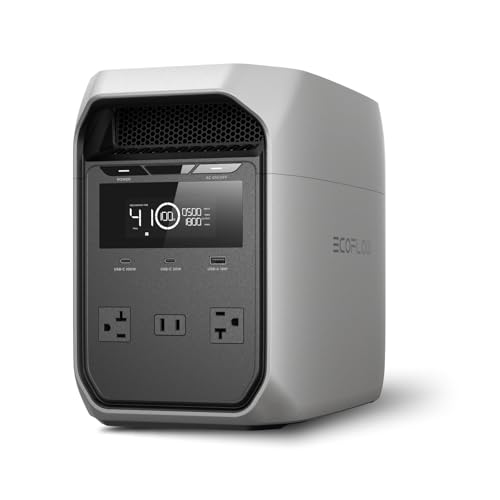
EF ECOFLOW Delta 3 Classic 1024Wh Power Station

Westinghouse 2550 Peak Watt Portable Inverter Generator
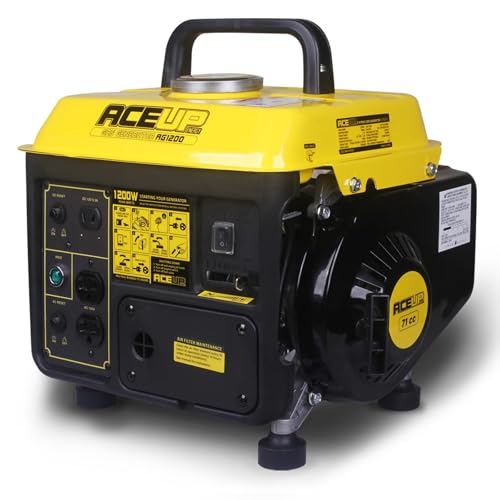
Aceup Energy 1200W Gas Powered Generator

Oxseryn Power Equipment 4400 Watts Inverter Generator

WEN 3600-Watt Portable Inverter Generator 56360i

WEN Quiet and Lightweight 3600-Watt Dual Fuel Inverter Generator DF360iX
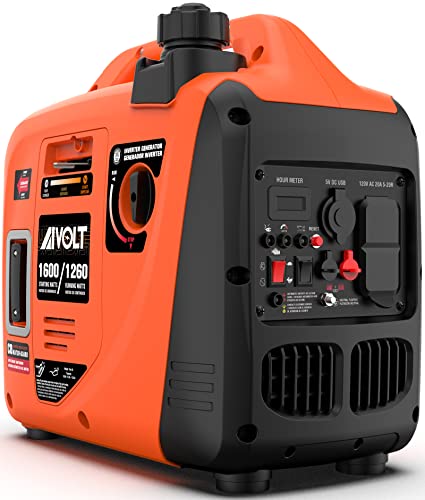
AIVOLT 1600W Super Quiet Inverter Generator 28lbs

AIVOLT 4300W Inverter Generator Gas Powered RV Generator
More Details On Our Top Picks
For a pop up camper, a power station like this makes sense when you want indoor-friendly power without engine noise. The 1024Wh battery gives you a meaningful reserve, while the 1800W AC output and 3600W surge rating point to stronger appliance handling than a tiny travel pack.
The 100W USB-C output helps with modern laptops and tablets, and the 10ms UPS function means it can shift to backup mode quickly in a home or trailer setup. The trade-off is simple, you’re choosing battery capacity and clean output over the endless refill style of a gas unit.
Strong Points
- LiFePO4 battery chemistry, meaning lithium iron phosphate, usually suits long-term ownership better than many older battery styles.
- Fast recharge support reduces wait time between outings, which matters after a full day of fan use or device charging.
- High surge headroom gives you more breathing room for appliance startup loads.
- USB-C at 100W is handy for newer laptops in a compact camper layout.
Things To Consider
- The unit makes more sense for electrical convenience than for running everything in a heavily loaded camper all day.
- Battery-based setups still reward sensible power planning, especially on longer trips with a fridge or other high-draw gear.
Feature Snapshot
Who It Suits Best
Weekend campers who want quiet cabin-style power and a strong charging station will get the most from it.
Where A Sibling Pick Shines
WEN Quiet and Lightweight 3600-Watt Dual Fuel RV-Ready Portable Inverter Generator with Fuel Shut Off and CO Watchdog (DF360iX) suits campers who want fuel-powered runtime instead of a battery-first setup.
This Westinghouse unit sits in the sweet spot for campers who want a gas generator without jumping to a much heavier frame. The RV-ready 30A outlet is the practical detail here, because it fits the kind of hookup many pop up camper owners actually use.
Gas and propane capability adds flexibility, which helps on longer trips or in situations where you want a backup fuel path. The CO sensor is a useful layer, though you still need the usual common sense around placement, airflow, and campsite rules.
Upsides
- Dual-fuel operation gives you more ways to keep the campsite powered.
- Parallel capability lets you pair units for more output later, which can be a smart upgrade path.
- RV-ready 30A outlet lines up neatly with camper hookup needs.
- Lightweight framing makes moving it around camp less awkward than a larger open-frame option.
Worth Noting
- Two-fuel flexibility adds convenience, but it also means more attention to fuel storage and switching habits.
- The size is friendly for travel, though not as featherweight as the smallest camping-only generators.
Core Details
The Right Fit
Campers who want a practical fuel generator with RV hookup support will feel right at home here.
Another Choice May Suit
EF ECOFLOW Delta 3 Classic 1024Wh Power Station fits travelers who value silent, battery-based power over fuel storage.
This one leans small and practical, which makes it a good match for light camping loads rather than a full camper power plan. For a pop up camper with modest needs, that smaller footprint can be easier to store and easier to move around.
The ultralight angle matters most to people who pack and unpack often. Since the source data points to EPA and CARB compliance, it also fits campers who want to keep an eye on regional requirements, though you still need to match the unit to your actual electrical load.
Best Bits
- 1200W output works well for basic lighting, charging, and other low-demand campsite tasks.
- Ultralight build helps with carry-in, carry-out routines at campsites.
- Small size is easier to tuck into a tight camper storage bay.
- Compliant labeling gives you a cleaner fit for places with stricter equipment rules.
Room For Improvement
- The smaller power ceiling rules it out for many appliance-heavy camping setups.
- Light-duty units like this often ask for more careful load planning, especially with startup spikes.
Quick Facts
Who Will Love This
Light-pack campers who need a simple generator for small devices and occasional use should start here.
Reach For A Different Pick When
Westinghouse 2550 Peak Watt Portable Inverter Generator suits pop up camper setups that need more output and RV-style connection support.
Compared with the smaller Aceup Energy and the quieter battery option from EF ECOFLOW, this Oxseryn model is for campers who need more room in the power budget. The open-frame style usually points toward a more utilitarian setup, and the ECO mode helps soften the operating profile during lighter loads.
RV-ready support makes it easier to pair with a camper setup that expects more than bare-bones charging. In a busy campground, that extra output can be useful, though the bigger frame naturally asks for more storage space and a little more planning.
Highlights
- 4400 watts gives you more headroom for larger camper loads.
- ECO mode can trim noise and fuel use under lighter demand.
- RV-ready design suits campers that want direct hookup compatibility.
- Open-frame construction tends to feel straightforward for routine generator use.
Areas To Watch
- The larger chassis takes up more room in a tow vehicle or storage area.
- Open-frame designs usually feel less compact than suitcase-style inverter units.
Spec Overview
Perfect Match For
Campers with larger electrical needs and enough room to store a full-size portable unit should look closely here.
Look Elsewhere When
AIVOLT 1600W Super Quiet Inverter Generator 28lbs Portable for Camping suits travelers who care more about easy carrying than high output.
This WEN sits in the middle of the pack in a way that makes sense for pop up campers. The 3600-watt class is a practical middle ground, and the RV-ready design plus fuel shut off give it a more travel-friendly feel than a bare minimum gas unit.
Quiet operation and light weight matter most during camp evenings, where a loud generator can feel like a dinner-table intruder. The honest read is that this pick suits people who want fewer compromises than the smallest generators without moving into a much bulkier frame.
Reasons To Buy
- 3600-watt capacity fits a broad slice of camper loads.
- RV-ready construction simplifies hookup for travel trailers and pop up campers.
- Fuel shut off is a useful storage and maintenance touch, especially between trips.
- Quiet, lightweight design makes it easier to live with during routine camping.
Small Caveats
- Gas operation still means fuel management and periodic upkeep.
- For very small trips, it can be more generator than you need.
Details At A Glance
Whose Shelf It Belongs On
You’ll likely appreciate this one most if your camper trips call for a balanced, easy-to-manage fuel generator.
Swap It Out When
EF ECOFLOW Delta 3 Classic 1024Wh Power Station fits campers who want silent battery power instead of a gas engine.
This version pushes a little further than the standard WEN 3600 because dual fuel gives you more flexibility in how you travel. For people who split time between short campouts and longer stays, that flexibility can feel like carrying two routes to the same destination.
The CO Watchdog feature is a notable add-on, and the fuel shut off makes storage feel more organized between trips. You still get the RV-ready, lightweight shape, so the upgrade isn’t only about extra features, it’s about a more adaptable camper routine.
Positives
- Dual fuel support adds propane convenience alongside gas use.
- CO Watchdog gives you an added built-in monitoring layer.
- Fuel shut off helps reduce hassle at the end of a trip.
- RV-ready format keeps it relevant for camper hookups.
- Lightweight framing makes it easier to move around camp than bulkier open-frame units.
Minor Gripes
- Dual-fuel convenience usually means a little more planning around cylinders and gas cans.
- The feature set is stronger than the standard WEN 3600, so the fit matters most for people who’ll use those extras.
Core Details
Built With In Mind
Travelers who want propane flexibility and a more feature-rich camper generator will get the most out of this model.
Consider Something Else When
WEN 3600-Watt Portable Inverter Generator 56360i makes more sense for shoppers who want the same general size without the dual-fuel layer.
Weight is the first thing that stands out here, because 28 pounds is much easier to live with on campsite moves and storage swaps. The smaller 1260W running figure tells the real story, though, this is a generator for light loads, not for powering every comfort item in a busy camper.
That lower output comes with nice perks for minimal setups, especially when quiet operation matters around sleeping areas. The pure sine wave output is also useful for devices that like cleaner electrical waveforms, which helps this model make more sense for chargers and small electronics.
Positives
- 28-pound weight keeps transport far less awkward than many fuel units.
- 57 dBA noise rating supports a calmer campsite atmosphere.
- Pure sine wave output is a smart fit for sensitive electronics.
- ECO mode can extend usable run time under lighter demand.
- CO auto-shutoff adds another practical monitoring layer.
Areas To Watch
- The running output is modest, so heavy appliances are outside its comfort zone.
- Small generators like this reward careful load planning in real camper use.
Feature Rundown
Best Suited To
Minimalist campers and weekend travelers who only need light electrical support will find this the easiest fit.
Look Elsewhere When
WEN 3600-Watt Portable Inverter Generator 56360i suits pop up camper owners who need more overall output and broader appliance support.
This AIVOLT is the heavyweight of the list, and the 3450W running figure gives you a stronger margin for camper appliances than the smaller units above it. For larger pop up camper setups, the parallel-ready design and RV focus make it feel more like a main power source than a casual backup.
The 60dBA rating and ECO mode help keep it from feeling overly rough around the edges, though size and storage still matter. You get a lot of capability here, but that same capability asks for more space, more fuel awareness, and a setup that can justify the added heft.
Positives
- 3450W running output supports a wider spread of camper loads.
- Parallel readiness gives you a path to expand output later.
- Clean power with under 3% THD suits electronics and appliances that prefer steadier output.
- RV-ready framing keeps the use case clear for travel setups.
- ECO mode can help reduce strain during lighter periods of use.
Honest Caveats
- The larger output class comes with a bigger physical presence.
- Campers with light electrical needs may never use the full range of this generator.
- Storage and fueling take a bit more planning than with a compact camping unit.
Technical Sheet
Who Should Grab It
You’ll appreciate this most if your camper setup needs a serious power cushion and enough room to store a larger unit.
Where Shoppers Go Wrong
AIVOLT 1600W Super Quiet Inverter Generator 28lbs Portable for Camping makes more sense for lighter use, especially when carry weight matters more than output.
How To Choose The Right Generators For Pop Up Camper
Match Output To Real Camper Loads
Start with the gear you actually plan to run, not the biggest number on the product page. A roof fan, phone charging, LED lighting, and a small coffee maker ask for a very different setup than an air conditioner or a heavier kitchen appliance.
Running watts describe what a unit can sustain, while surge watts cover brief startup spikes. That matters because motors and compressors often pull harder at startup, and a generator that looks large on paper can still feel short in a real campsite routine.
Choose The Fuel Style You’ll Live With
Gas units still make sense for many campers because runtime is simple to extend with more fuel on hand. Dual-fuel models add propane flexibility, which can help with storage habits and trips where you want a different fuel option.
Battery power stations bring a different kind of ease. They’re quieter, simpler to place near a camper, and often easier for short charging sessions, but they rely on stored capacity rather than refillable fuel.
Pay Attention To Noise, Weight, And Setup
Quiet operation matters more than many shoppers expect, especially in packed campgrounds where sound carries. A quieter inverter unit often feels more considerate around sleeping areas, late meals, and early mornings.
Weight and form factor are just as important. A 28-pound model can be far easier to move than a larger open-frame unit, while an RV-ready outlet can save you from awkward adapter chains.
Look For The Small Details That Save Hassle
CO sensors, fuel shut off, ECO mode, and parallel capability all sound technical, but each one ties to everyday convenience. CO monitoring adds another layer of awareness, fuel shut off helps with storage, ECO mode can trim output under light loads, and parallel support leaves room to grow later.
Those extras matter most for campers who travel often or stay out longer. A generator that fits your routine cleanly is usually better than one that feels impressive but awkward to live with.
What To Weigh Before You Commit
Wrong Turns To Avoid
Many shoppers focus on peak output and ignore the running number, which creates a mismatch once the camper is actually plugged in. Another common slip is choosing a generator that fits the power need but not the storage space or lifting comfort.
Noise is easy to underestimate too. A unit can look fine on paper and still feel intrusive around nearby campsites, so the quieter inverter models make more sense for close quarters.
The Upgrade Payoff
Higher-tier units often cost more because they add cleaner power, dual-fuel support, stronger outputs, or battery chemistry that suits repeated use better. More refined control features also help a generator behave more smoothly around sensitive electronics and camper routines.
That extra spend makes sense for frequent travelers, larger camper setups, or anyone who wants fewer compromises on noise and flexibility. For lighter weekend use, a simpler unit can still cover the job without loading the gear list with extras you may never use.
Closing Thoughts
The right generator for a pop up camper depends on how you travel, not just how much power sounds impressive. Quiet battery backup works well for light, peaceful trips, while RV-ready gas and dual-fuel models fit longer stays and bigger electrical demands. A good match feels easy to store, easy to place, and easy to live with after dark. Pick the one that suits your camp routine, and the rest gets simpler fast.