
Cold hands can turn a good ride into a short one, especially on early commutes, wet weekends, or long stretches of exposed road. The right pair does more than add warmth, it changes how well you can brake, shift, and handle a phone without pulling everything off at the curb.
This roundup focuses on gloves and handlebar mitts that fit real winter riding habits, from snug liner-style picks to bulkier weather barriers. You’ll see where each option makes sense, where it asks for a trade-off, and which rider profile it fits best.
Quick Look At Our Winter Cycling Shortlist

Aerynx Winter Gloves Women Men Cold Weather Touch Screen 3-Layers Liner Glove

GripGrab Ride Waterproof Winter Cycling Gloves
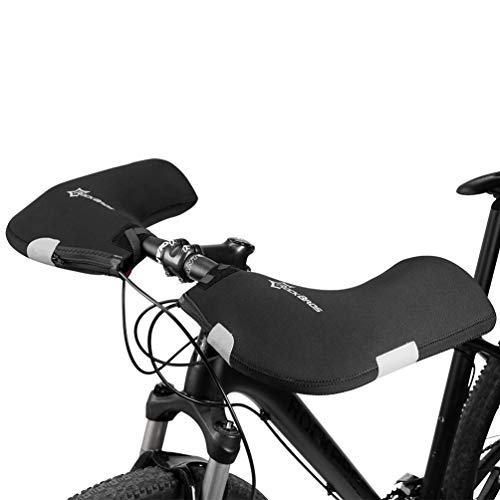
ROCKBROS Bike Pogies Windproof Neoprene Handlebar Mitts
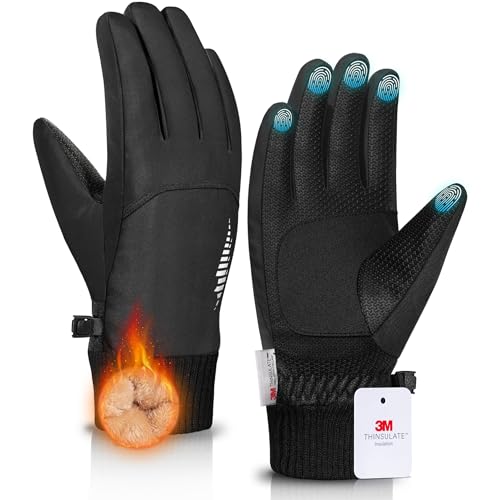
rivmount Snow Winter Gloves Waterproof Touchscreen Thermal Warm

GripGrab Waterproof Knitted Thermal Cycling Gloves Full Finger Rain Glove

rivmount Winter Gloves Women Men Cold Weather Touch Screen Liner Glove
ROCKBROS Cycling Gloves for Men Women Breathable Gel Pad
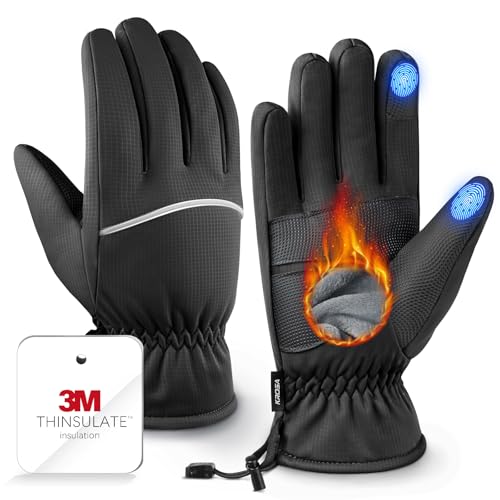
krosa Winter Gloves Men Women 3M Insulation Plush Lining
More Details On Our Top Picks
Three-layer construction puts this Aerynx pair in the practical middle ground, because it leans toward everyday warmth without turning bulky. For a commute, a dog walk, or a chilly ride with a few stops, that matters more than flashy extras.
The touchscreen fingertips help you handle a phone without stripping the gloves off at every red light, and the liner style makes them easy to pair under heavier shells. The trade-off is obvious enough, they suit moderate cold more naturally than deep-winter, high-wind routes.
Best Bits
- Three-layer build helps trap warmth for stop-and-go rides.
- Touchscreen use keeps quick phone checks less annoying.
- Light liner format works on its own or under another glove.
- Broad use case suits cycling, hiking, driving, and errands.
Areas To Watch
- Thin liner styling will not feel as protective as insulated winter shells.
- Riders in very wet weather may want a more weather-sealed option.
- Fit matters here, and the sizing split can feel close for some hands.
Feature Card
Who It Suits Best
Commuters and casual cyclists who want a light winter layer with everyday versatility will get the most from this pair.
Where A Sibling Pick Shines
Riders who face wetter roads and want stronger weather shielding should look at GripGrab Ride Waterproof Winter Cycling Gloves, which offers a more focused cold-rain setup.
GripGrab goes harder on weather protection than the first pick, and that shows up in the membrane, the fleece lining, and the padded palm. Road riders and gravel riders who stay out through damp winter mornings will likely appreciate that more than a simple liner glove.
The close fit is part of the appeal, because a snug cycling glove usually keeps bar feel cleaner, but that also means sizing deserves attention. You may want to size up from your summer pair, especially for longer rides where a little extra room keeps the fit from feeling tight.
What We Like
- Waterproof and windproof membrane helps on spray-heavy rides.
- Fleece lining adds a warmer, more cushioned hand feel.
- 4 mm DoctorGel padding softens pressure from rough bars.
- Silicone palm grip supports steadier braking and shifting.
- Hook-and-loop cuff closure gives a cleaner wrist seal.
Points To Note
- Snug performance fit may feel close for riders with broader hands.
- Washing and drying need a little care to keep the lining in shape.
- Padding helps comfort, but it adds some bulk compared with a liner glove.
Core Details
Who Will Love This
Cyclists who ride in wet cold weather and want a performance-oriented glove for road, MTB, or gravel use will get the most from this pair.
Swap It Out When
Riders who want a looser, lighter everyday layer should look at Aerynx Winter Gloves Women Men Cold Weather Touch Screen 3-Layers Liner Glove instead.
Pogies are different from gloves, and that difference matters in deep winter. Instead of wrapping only your hand, these handlebar mitts create a bigger sheltered pocket around the controls, so your fingers can ride behind the wind break rather than sitting in it.
That setup suits bitter mornings, snowy commutes, and riders who keep a thin glove inside for dexterity. The honest read is that they feel less nimble than standard gloves, yet they often make more sense than adding thicker layers when the cold gets sharp.
Reasons To Buy
- 6 mm neoprene gives a thicker barrier against winter wind.
- Water-resistant build helps with slush and damp conditions.
- Reflective detailing adds a little visibility on dim routes.
- Velcro setup makes installation less fussy on most handlebars.
- Room for a thin inner glove helps you fine-tune warmth.
Softer Spots
- Handlebar mitts add bulk, so steering feel changes a bit.
- Storage takes more space than a normal glove pair.
- They suit direct cold protection more than quick off-bike use.
Details At A Glance
Built With In Mind
Winter cyclists who ride in very cold, exposed conditions and want the warmest bar-mounted option will get the most value here.
Another Choice May Suit
Riders who want cleaner pocketable gear for commuting should look at GripGrab Ride Waterproof Winter Cycling Gloves instead.
This rivmount pair sits closer to a general-purpose winter glove, which helps on days that move from riding to walking to quick errands. Compared with the grip-focused GripGrab options, it leans more toward broad comfort than race-like bar feel.
Touchscreen support and thermal warmth make it a sensible choice for mixed winter use, especially for cyclists who want one pair for several cold-weather tasks. You may find it more useful than a pure cycling glove during everyday stop-and-go travel, though the exact fit will still decide how cozy it feels.
Upsides
- Waterproof build helps in wet snow and slushy conditions.
- Touchscreen fingertips reduce the need to strip the gloves off.
- Thermal warmth supports cold-weather rides and off-bike errands.
- Works across several activities, so storage stays simpler.
Small Caveats
- General-purpose shape may feel less bike-specific than performance gloves.
- Riders who want a very precise bar grip may prefer a tighter cycling cut.
- As with most winter gloves, keeping the lining dry helps comfort over time.
Quick Facts
Perfect Match For
Commuters, casual cyclists, and anyone who wants one winter glove for riding plus everyday outdoor tasks will get the best fit here.
Where A Sibling Pick Shines
Riders chasing a more dialed-in road feel should look at GripGrab Ride Waterproof Winter Cycling Gloves instead.
This GripGrab pair looks built for riders who want a more rounded winter glove than the lighter liner style in Pick 1. The knitted body, membrane, and full-finger cut make it feel like a more complete shield for rainy rides, especially on road or gravel routes with lots of exposure.
The reinforced thumb area is a useful detail, because that zone takes repeated stress from shifting grips, opening zips, and general wear. The trade-off is that the glove asks for a little more commitment from your hands, so it suits people who value protection over a barely-there feel.
Bright Spots
- Windproof and breathable membrane helps with winter comfort.
- Anti-slip palm supports steadier control in damp conditions.
- Reflective details help add visibility in dim traffic.
- Reinforced thumb crotch should handle routine wear well.
- Full-finger format gives broader coverage than partial layers.
Honest Caveats
- Knitted structure can feel warmer than a bare-bones cycling shell.
- Riders who want very fine bar feedback may prefer a lighter glove.
- As with most knit winter gear, regular drying matters after wet rides.
Spec Overview
Who Should Grab It
Road, gravel, and MTB cyclists who want a weather-focused glove with a little more structure will be well served here.
Look Elsewhere When
Riders who want a lighter budget layer can look at rivmount Winter Gloves Women Men Cold Weather Touch Screen Liner Glove instead.
Among the liner-style options here, this rivmount pair stands out for keeping the feature set simple and useful. The three-layer construction and touchscreen fingertips make sense for people who ride, walk, and drive in the same week, because the gloves slot easily into different cold-weather routines.
The lower-key build also makes them easy to pack, which helps on trips or in a commuter bag. One thing worth considering is that liner gloves tend to do their best work as a versatile layer, not as the sole answer for harsh wind or heavy rain.
Standout Traits
- Three-layer design brings more warmth than a basic single-layer liner.
- Touchscreen support keeps quick phone use less awkward.
- Light, packable feel suits commuting and travel.
- Broad activity fit gives you more use from one pair.
Room For Improvement
- Liner format will not replace a heavier winter shell in rough conditions.
- Very wet routes call for a more weather-sealed glove.
- Fit can feel close, so hand shape matters more than with roomier styles.
Feature Rundown
The Right Fit
Minimalist winter commuters and mixed-use shoppers who want a light layer for everyday cold will get the most out of this pick.
Reach For A Different Pick When
Riders who want stronger rain protection should move to GripGrab Ride Waterproof Winter Cycling Gloves instead.
Not every winter ride needs a thick insulated glove, and this ROCKBROS pair speaks to that middle-season reality. The gel padding and breathable mesh point toward longer comfort on milder cold days, especially for riders who feel pressure through the palms on city commutes or trail loops.
It’s also the least winter-intense option in the group, which is a feature rather than a flaw for shoulder-season riding. The trade-off is straightforward, warmth is not its main job, so deep cold riders will want something more protective than this.
Positives
- Gel padding helps soften pressure on longer rides.
- Breathable mesh keeps hands from overheating as fast.
- Fits MTB and outdoor use without feeling too specialized.
- Useful for transitional weather, where a heavy glove feels excessive.
Worth Noting
- Warmth sits below the cold-weather gloves elsewhere in this list.
- Best use case is milder riding, not exposed winter roads.
- Breathable materials may need more frequent cleaning after sweat-heavy rides.
Core Details
Whose Shelf It Belongs On
Riders in mild winter climates, shoulder-season commuters, and trail cyclists who want palm cushioning without much bulk will like this pair most.
Skip It When
You need real deep-cold protection, in which case krosa Winter Gloves Men Women 3M Insulation Plush Lining is the stronger cold-first choice.
This krosa pair leans into serious cold-weather structure with 3M insulation and a plush lining, so it reads as the most winter-focused glove in the group. Compared with the lighter rivmount liner options, it gives you a more insulated feel for exposed roads, ski days, or long waits outside between rides.
The reflective strips and touchscreen fingertips add practicality without softening the cold-weather brief. The honest read is that this style makes the most sense for riders who spend real time in harsh conditions, because the extra warmth can feel like overkill on mild days.
Highlights
- 3M insulation supports stronger cold-weather protection.
- Plush lining adds a softer interior feel.
- Windproof and water-resistant build suits rough winter rides.
- Reflective strips bring a small visibility boost.
- Touchscreen fingers keep basic screen use available.
Minor Gripes
- Warmth-first build may feel too much for mild weather.
- Heavier insulation can reduce the bare-hands level of dexterity.
- Bulkier winter gloves usually need a little extra drying time after wet use.
Feature Snapshot
Made For
Riders in harsh winter climates who want insulation-forward gloves for cycling, snow travel, or long outdoor stretches will benefit most here.
Look Elsewhere When
People who ride in milder weather should look at ROCKBROS Cycling Gloves for Men Women Breathable Gel Pad for a lighter, cooler feel.
How To Choose The Right Gloves For Winter Cycling
Warmth Starts With Your Route, Not The Label
Short city rides usually need less insulation than long exposed stretches, especially when wind cuts across open roads. A liner-style glove can handle moderate cold, while insulated gloves or handlebar mitts make more sense for frozen mornings and slower rides. The right choice follows your actual route, not the toughest weather headline.
Wind protection matters just as much as padding or thickness. A breezy 35-degree ride can feel colder than a still 25-degree one, so membrane-based gloves and pogies often earn their keep on real commutes.
Grip, Control, And Brake Feel Still Matter
Thicker warmth can dull control, and that trade-off shows up fast on drop bars, brake hoods, or technical trails. Silicone palms, gel pads, and snug cuffs help, but the goal is steady handling, not a padded mitten feel. For road riders, that balance usually matters more than max loft.
Riders who spend time on rough pavement often benefit from gel padding, while those on smooth city routes may prefer a thinner shell for cleaner bar feedback. The honest choice is the one that lets you shift and brake without fighting the glove.
Touchscreen Use Is Handy, But Fit Comes First
Touchscreen fingertips save time at stops, yet they do little good when the glove fits poorly. A close fit keeps the fingers aligned with the screen zones and helps heat stay where it belongs. Too much room can make the tips feel vague, especially on smaller hands.
Measure hand size against the brand’s guidance instead of assuming your usual casual size will work. Winter cycling gloves often run snug by design, and a correct fit usually feels better than a thick glove that leaves the fingers floating inside.
Choose Between Layering And Built-In Protection
Liner gloves shine when you want flexibility, because they can stand alone in moderate cold or sit under a shell. Built-in winter gloves suit riders who want one item to handle the whole job, especially in rain or wind. Handlebar mitts sit in a different lane, giving you the most shelter but the least quick-draw convenience.
Your storage habit matters too. A pair that fits in a jacket pocket gets used more often than bulky gear left at home, while heavier options usually reward riders who keep them by the door or in a ride bag.
A Quick Reality Check
Wrong Turns To Avoid
Plenty of winter glove frustration starts with picking for warmth alone. A glove that feels cozy in the package can still make shifting awkward or leave your palms sweating on short climbs. Match the insulation level to the way you actually ride.
Another common miss is ignoring cuff style and closure. A loose wrist lets cold air creep in, and that small gap becomes annoying fast on damp days.
When Paying More Pays Off
Higher-tier gloves usually spend the extra money on membranes, better palm grip, padding quality, and stronger wear zones. That matters most for riders who face wet wind, long commutes, or repeated use across a whole season. Cleaner construction often means the glove feels less clunky once you’re on the bike.
Upgrading is worth it when your rides are frequent and the cold is real, not just occasional. For casual use in mild weather, a simpler liner or midweight pair can make more sense and save you from carrying more glove than you need.
Final Thoughts
Your best winter cycling glove depends on how harsh your route feels, how much bar control you want, and whether you need one pair or a layered setup. The list here covers the main lanes well, from lightweight liners to insulated winter shells and handlebar mitts. For most people, the sweet spot comes from choosing the least bulky pair that still handles your coldest ride of the week. That keeps your hands warmer, your steering steadier, and your winter routine a lot easier.