
Hiking navigation feels simple until the map gets vague, the signal drops, or daylight starts slipping away. The right handheld can keep your route clear, your pack lighter, and your next turn less stressful on wooded trails, ridge walks, and weekend backpacking trips. This roundup focuses on gear that suits different kinds of trail use, from basic waypoint checking to satellite messaging in places where phone service fades.
The Shortlist At A Glance

Spot X with Bluetooth 2-Way Satellite Messenger

Garmin eTrex 32x

Garmin eTrex SE


SPOT Trace Satellite Tracking Device

Spot Gen 4 Satellite GPS Messenger

Motorola Defy Satellite Link
More Details On Our Top Picks
Trail communication gets easier here, because the Spot X combines handheld navigation with two-way satellite messaging and Bluetooth pairing. That mix suits you on remote routes where a phone may not help much, especially on longer hikes with planned check-ins.
The trade-off is subscription planning, which matters more than the hardware itself for most hikers. Compared with the simpler Garmin eTrex models below, this one makes more sense when staying connected matters as much as map position.
Strong Points
- Two-way satellite messaging lets you send and receive notes from the trail.
- Bluetooth pairing keeps setup more convenient than a fully standalone workflow.
- Handheld format suits pack carry and jacket-pocket access.
- Useful for multi-day trips where check-ins matter.
- Works well for hikers who want location tools and communication in one device.
Things To Consider
- Subscription cost sits outside the device itself, so total ownership is higher.
- Satellite gear adds setup steps that casual day hikers may not need.
- The communication focus can feel like extra baggage on short local loops.
Feature Rundown
Who It Suits Best
You benefit most here as a backpacker, overlander, or trail user who wants to stay reachable in remote country.
A Better Fit Elsewhere
Garmin eTrex SE suits hikers who want longer battery life and a lighter communication load.
The eTrex 32x sits in that useful middle ground where a trail handheld feels substantial without becoming fussy. For weekend hikers and casual backpackers, that usually means straightforward route checks, dependable pocket carry, and a body that fits rougher use better than a phone.
Compared with the Spot X, you give up satellite messaging and move toward a more classic navigation-first setup. The honest read is that many hikers will prefer that simplicity, especially on day hikes where maps and waypoints matter more than communication extras.
What We Like
- Rugged handheld construction suits trail abuse better than a bare phone.
- Good fit for hikers who want a familiar GPS workflow.
- Small enough to pack without taking over your pocket space.
- Useful for route following, waypoint checks, and general trail planning.
Minor Gripes
- It focuses on navigation rather than message sharing or live contact.
- The feature set feels basic beside newer satellite-enabled picks.
- You still need to keep your own maps and route planning habits in order.
Core Details
Who Will Love This
You fit this pick best as a practical hiker who wants a durable, no-nonsense navigation tool.
Swap It Out When
Garmin eTrex SE makes more sense for longer trips where battery endurance matters more than the older-style interface.
Battery life is the headline here, and that matters more than flashy extras on long backcountry days. The eTrex SE also leans into multi-GNSS, which means it can work with more than one satellite navigation system, a useful edge in tree cover or broken terrain.
You also get Bluetooth pairing with Garmin Explore and an IPX7 water-resistance rating, which means it’s built to handle brief water exposure rather than dry-weather only use. Compared with the eTrex 32x, this feels like the smarter pick for hikers who stay out longer and want less charging anxiety.
Bright Spots
- Up to 168 hours of battery life suits long outings and multi-day trips.
- Multi-GNSS support helps with signal access in tougher terrain.
- Bluetooth pairing with Garmin Explore adds useful planning flexibility.
- IPX7 water resistance gives you more confidence in wet conditions.
- 2.2-inch display keeps the unit compact without making it feel cramped.
Room For Improvement
- The screen is still small, so detailed route viewing takes patience.
- Advanced features can add setup time for first-time handheld users.
- It rewards preparation, which is great on trips and less handy for casual spur-of-the-moment walks.
Technical Sheet
Built With In Mind
You suit this model best as a backpacker or long-distance hiker who values endurance over a large screen.
Another Choice May Suit
Garmin eTrex 32x makes more sense for hikers who want a more traditional handheld feel and do not need the extended battery focus.
The eTrex H keeps things refreshingly plain, and that can be a relief for hikers who want a basic GPS without learning a new menu maze. Garmin notes that it ships without batteries, but it works with AA cells, so you can stay flexible on trips where charging options are not part of the plan.
That battery choice makes it handy for occasional trail use and emergency backup carry. Compared with the SE and 32x, you give up modern polish, but you also avoid paying for features you may never use on shorter outings.
Best Bits
- AA battery compatibility gives you easy replacement options in the field.
- Simple handheld format suits straightforward navigation tasks.
- Low-complexity operation can feel friendlier for first-time GPS users.
Small Caveats
- Batteries are not included, so you’ll need to plan that first use.
- The older design lacks the modern refinements found on newer Garmin units.
- It makes the most sense for basic route checking rather than feature-heavy trips.
Details At A Glance
Who Should Grab It
You fit this pick best as a casual hiker or backup-gear shopper who wants simple navigation and easy battery swaps.
Where A Sibling Pick Shines
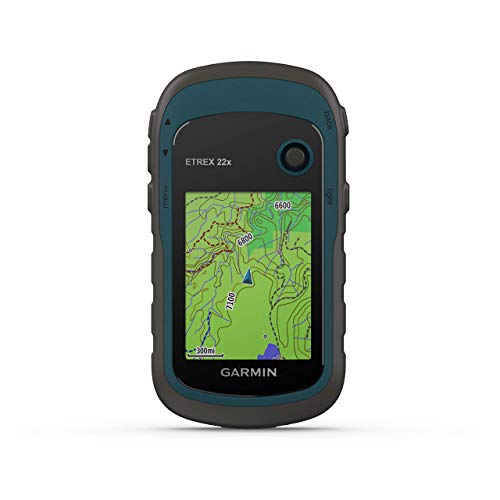
Garmin eTrex 22x is a stronger fit for hikers who want a more current rugged handheld without moving into satellite messaging.
The eTrex 22x feels like the practical middle step between the older eTrex H and the more feature-forward SE. That makes it attractive for hikers who want a rugged handheld from a familiar line without moving into satellite messaging or extra complexity.
Because the source material keeps the feature list lean, the real draw is the straightforward trail-first design. You may find it especially sensible for weekend hiking, where dependable basics matter more than a screen full of extras.
Upsides
- Rugged handheld format suits regular outdoor carry.
- Good step-up choice for hikers moving beyond very basic units.
- Its simple focus keeps learning time manageable.
Areas To Watch
- The source details are sparse, so feature expectations should stay modest.
- It does not aim at satellite messaging or advanced communication tools.
- Shoppers who want lots of extras will likely outgrow it faster.
Feature Snapshot
Whose Shelf It Belongs On
You fit this model best as a value-minded hiker who wants a reliable handheld and does not need messaging extras.
Look Elsewhere When
Garmin eTrex SE is a better match for longer treks where battery endurance and water resistance matter more.
Trace is more of a monitoring tool than a navigation handheld, so it fits a different kind of trail life. You can think of it as useful for tracking gear, vehicles, or other outdoor assets rather than following turn-by-turn routes.
That narrower role is the trade-off, and it’s a fair one for hikers who already have navigation sorted. Compared with the Spot X and Gen 4, this model is the better fit when tracking matters more than messaging.
Reasons To Buy
- Satellite tracking focus suits gear or vehicle monitoring.
- Compact tracking role can work well for outdoor logistics.
- Useful as a dedicated device instead of a do-everything handheld.
Points To Note
- It is not the same kind of trail navigator as the Garmin units in this list.
- Subscription planning matters, so ownership costs need a closer look.
- It makes less sense for hikers who want a map-first display in hand.
Core Details
Best Suited To
You fit this pick best as an outdoors person who wants satellite tracking for gear, vehicles, or similar assets.
Reach For A Different Pick When
Garmin eTrex 32x is the stronger choice for hikers who need a classic handheld navigator in the pack.
Gen 4 keeps the satellite messenger idea compact, which helps when you want less bulk in a pocket or pack strap. That smaller footprint is useful for hikers who value a simple carry shape and do not need the communication depth of the Spot X.
Its message-first identity makes sense for occasional check-ins and emergency-style communication on remote routes. The catch is the subscription requirement, so this works best when satellite communication is a real part of your trip planning.
Best Bits
- Compact size makes it easier to pack and carry.
- Satellite messaging suits remote travel and short check-ins.
- Cleaner profile than larger messenger-style units.
Worth Noting
- It still depends on a subscription, which affects long-term cost.
- The simpler messenger role gives you less navigation depth than the Garmin handhelds.
- It is best kept for trips where communication is the main job.
Feature Card
The Right Fit
You suit this model best as a hiker who wants a compact messenger for trail check-ins.
Where A Sibling Pick Shines
Spot X with Bluetooth 2-Way Satellite Messenger is the better choice for hikers who want two-way communication in a more feature-rich format.
Motorola takes a phone-linked route here, which changes the experience compared with the standalone SPOT units. That approach can feel tidy for hikers who already carry Android or iOS devices and want satellite messaging without adding a separate full navigator.
The real advantage is compatibility with the phone ecosystem, though the feature list in the source leans heavily toward the support and protection side of ownership. For some hikers, that makes it a sensible bridge between everyday phone use and remote-trail communication.
Plus Points
- Works with Android and iOS, which broadens device compatibility.
- Two-way global SMS support suits short, practical check-ins.
- Emergency SOS alerting adds a useful layer for remote outings.
- Phone-linked setup may feel more familiar than a dedicated handheld messenger.
Softer Spots
- It depends on a companion phone, so it is not as self-contained as a dedicated GPS unit.
- The source details lean more toward support coverage than trail hardware specifics.
- Hikers who want a full navigation display may prefer a Garmin handheld instead.
Core Details
Who It Suits Best
You fit this pick best as a phone-centered hiker who wants satellite messaging without switching to a full handheld GPS.
Look Elsewhere When
Garmin eTrex SE is a better fit for hikers who want an all-in-one handheld with longer battery endurance.
How To Choose The Right Gps Devices For Hiking
Match The Device To Your Trail Length
Short day hikes usually reward a simple handheld with clear waypoint support and an easy-to-read screen. Longer backpacking trips change the equation, because battery life, water resistance, and signal flexibility start to matter much more than a tidy pocket profile.
The Garmin eTrex SE stands out for endurance, while the eTrex H keeps the job basic. That difference matters in real use, because a one-hour loop and a three-day ridge route ask very different things from the same pack slot.
Decide Whether Messaging Matters
Satellite messaging is useful when your route takes you beyond dependable phone coverage. Spot X, Spot Gen 4, SPOT Trace, and the Motorola Defy Satellite Link serve different communication needs, but they all push you beyond pure navigation.
For many hikers, that extra layer only makes sense on remote trips, not on busy local trails. In town-adjacent parks, a rugged GPS navigator may be enough and easier to live with.
Look Past The Device And Think About Ownership
Subscription-based models can cost more over time, so the purchase decision starts with how often you’ll actually use satellite communication. The hardware can look similar on a product page, yet the long-term commitment changes the real value a lot.
Battery type, charging habits, and expected weather exposure also shape the right choice. A model like the eTrex H works nicely with AA cells, while the eTrex SE leans into longer runtime and water resistance for hikers who stay out longer.
A Quick Reality Check Before You Choose
Mistakes Worth Dodging
Plenty of shoppers focus on screen size and forget the service model, which is a problem on satellite messengers. Another common miss is buying more communication than you actually need, then carrying extra complexity on short hikes.
It also helps to think about glove use, pocket size, and backup power. A compact unit that fits your pack and your habits usually serves you better than a feature list that looks impressive on paper.
When Paying More Pays Off
Higher-tier gear usually costs more because it mixes stronger batteries, better navigation support, and, in some cases, satellite messaging. That upgrade makes sense for backpackers, remote trail users, and anyone who wants less dependence on mobile coverage.
For casual hikers, the extra money may only buy features you rarely touch. For long routes and uncertain terrain, though, the added flexibility can feel well worth it.
Final Thoughts
A good hiking GPS should fit the trip, not just the spec sheet. The Garmin eTrex SE makes a strong case for long days, the eTrex 32x and 22x cover practical trail use, and the Spot models step in when communication matters as much as position. You get the best result by matching battery life, messaging needs, and carry style to the way you actually hike. That keeps the device useful instead of decorative.