
Backpacking GPS gear matters most once the trail gets quiet, the phone signal fades, and your map starts feeling like a suggestion instead of a plan. You want something that fits your travel style, from compact satellite messengers to rugged handheld units with longer battery life and better route tools.
This roundup keeps the focus on real trail use: finding your way, checking position, sharing location, and carrying a device that won’t feel awkward in a pack or jacket pocket. The eight picks below cover very different needs, so you can match the tool to your mileage, terrain, and comfort level.
Quick Look At The Shortlist

Spot X with Bluetooth 2-Way Satellite Messenger



Bushnell BackTrack Mini GPS

Garmin Instinct 2S Solar

Garmin inReach Mini 2 Satellite Communicator
More Details On Our Top Picks
Backpackers who want direct contact from remote country will notice the appeal here right away. The Bluetooth link lets you manage some functions from a phone, while the handheld format keeps the device ready for pack straps, camp use, or truck-side planning. The trade-off is that satellite messaging brings more commitment than a plain navigator, so this suits trips where staying connected matters.
The honest read is that this makes the most sense for long routes, solo stretches, or any trip that pushes beyond cell coverage. Compared with the simpler Bushnell BackTrack Mini GPS, this one leans far more toward communication than basic backtracking, and that difference matters once your route gets serious.
Strong Points
- Two-way satellite messaging helps you stay in touch beyond cell range.
- Bluetooth support keeps setup and message handling less fiddly.
- The handheld layout suits pack pockets and trail stops.
- Better fit for remote travel than a basic return-to-start tool.
Things To Consider
- Satellite service usually means more planning than a simple handheld GPS.
- You’ll want to keep the device charged and protected on rough trips.
- The extra communication features add complexity for casual day hikes.
Feature Snapshot
Who It Suits Best
Remote backpackers, solo hikers, and anyone who wants a handheld communicator with navigation support will get the most from it.
Where A Sibling Pick Shines
Garmin eTrex SE fits better for hikers who want a simpler GPS-first setup with very long battery life and less messaging overhead.
Some backpacking trips need a plain, sturdy navigator more than anything flashy, and that’s where the eTrex 32x fits well. Its rugged handheld format is easy to stash, easy to grab, and sensible for trail days where you want route awareness without extra communication tools. Compared with the Spot X, it keeps the focus on navigation rather than messaging.
You may find this especially comfortable on mixed hiking and camping trips, where a compact body matters as much as route checking. The honest read is that it suits traditional GPS users who want a familiar handheld shape and a tougher shell for pack life.
What We Like
- Rugged build fits rough trail use and pack storage.
- Handheld format keeps navigation straightforward.
- Compact size works well for day hikes and overnights.
- Simple focus on navigation helps reduce feature overload.
Worth Noting
- It does not add the communication layer you get with satellite messengers.
- Screen space feels more modest than larger map-first devices.
- Trail users who want advanced routing tools may want a richer model.
Core Details
Who Will Love This
Hikers who want a dependable handheld GPS without satellite messaging clutter will feel right at home here.
Another Choice May Suit
Garmin GPSMAP 65s is a stronger fit for hikers who want more route detail and added tools for demanding terrain.
Long-mile backpacking often rewards a device that doesn’t demand constant charging, and this eTrex SE leans hard into that need. Garmin’s multi-GNSS support means it can work with several satellite systems, which can help with position awareness in tougher environments, while the 2.2-inch display keeps the device compact. Compared with the eTrex 32x, this one feels more modern and easier to match with phone-based trip planning.
The honest read is that it’s a strong fit for hikers who value endurance and a smaller body over a large display. You may find the screen modest on route-heavy days, yet the battery span makes that a fair trade for many overnights and thru-hike style trips.
Highlights
- Up to 168-hour battery life supports long trail stretches.
- Multi-GNSS support broadens satellite access for navigation.
- Bluetooth pairing with Garmin Explore adds planning flexibility.
- IPX7 water resistance helps in wet trail conditions.
- Small display keeps the unit easy to carry.
Small Caveats
- The 2.2-inch screen may feel tight for map-heavy use.
- Smaller size can mean more scrolling than larger GPS units.
- You’ll still want to manage settings before a long trip.
Details At A Glance
Made For
Backpackers who want a compact GPS with serious battery stamina will get the best fit here.
A Better Fit Elsewhere
Garmin GPSMAP 65s suits hikers who want a larger color display and more advanced navigation tools.
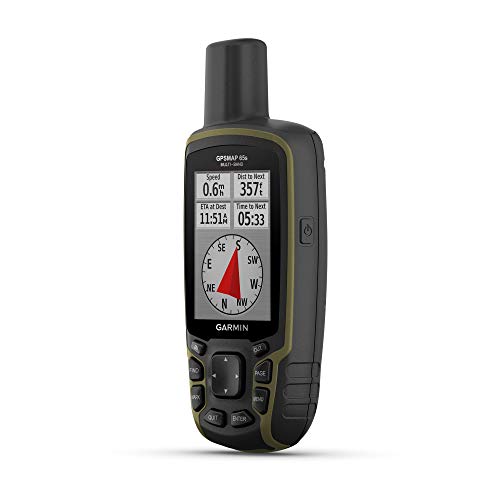
Routes with tricky terrain call for a more serious handheld, and the GPSMAP 65s is built for that role. The button controls suit gloved hands, the 2.6-inch color display gives you more room than the smaller eTrex SE, and the altimeter plus compass add useful trail context. Multi-band technology, which means it can use more than one signal band for positioning, is the kind of feature that makes sense on demanding routes.
The trade-off is that this is a more involved device than the Bushnell BackTrack Mini or the basic eTrex models. For hikers who map, compare elevation, and pay attention to route detail, the extra control is worth the added complexity.
Best Bits
- Button operation works well with gloves and cold hands.
- Altimeter and compass add valuable trail context.
- Expanded satellite support helps in varied terrain.
- Multi-band tech gives the unit a more advanced positioning setup.
- 2.6-inch color display is easier to read than smaller screens.
Room For Improvement
- The extra features make it more complex than simpler handhelds.
- Some backpackers will find the learning curve steeper at first.
- It carries more capability than casual trail users may need.
Quick Facts
Best Suited To
Backpackers who want advanced handheld navigation for rough terrain and glove-friendly control will benefit most.
Look Elsewhere When
Garmin eTrex SE makes more sense for hikers who want a lighter, simpler unit with longer stated battery life.
Minimalist trail tools still have a place, especially for hikers who want help getting back to camp or the trailhead without carrying a full map-centric unit. The BackTrack Mini captures trip or waypoint data, then uses that information to guide you back, which is a very different approach from the more feature-heavy Garmin handhelds above. Its waterproof build and glove-friendly buttons suit rough weather and cold mornings.
The honest read is that this feels best for straightforward navigation and simple return guidance, not detailed trip planning. You may find the limited display and lighter feature set refreshing on short outings, though serious map users will want something richer.
Positives
- Trip capture and return guidance keep things simple on trail.
- Waterproof construction helps in wet conditions.
- Glove-friendly buttons are useful in cold weather.
- Bluetooth support lets you sync trips to the companion app.
- Battery life up to 35 hours suits shorter outings.
Points To Note
- It is more of a backtrack helper than a full-featured navigator.
- Trail users who want richer mapping tools may outgrow it quickly.
- The simpler screen setup favors quick checks over deep planning.
Core Details
Whose Shelf It Belongs On
Hikers, hunters, and backpackers who want a compact return-to-start helper will get the most from it.
Swap It Out When
Garmin eTrex 32x suits you better once you want a more traditional handheld GPS with broader trail navigation support.
A wrist-worn GPS changes the feel of the whole trip, because your route data stays visible without digging in a pocket. The Instinct 2S Solar keeps the body smaller than many outdoor watches, adds solar charging support, and includes multi-GNSS plus TracBack routing, which is Garmin’s route-back tool for retracing your path. For hikers who want hands-free tracking and a watch they can wear all day, that mix is compelling.
The trade-off is obvious: a watch is convenient, but it does not replace a larger handheld when you want detailed on-device map work. Compared with the GPSMAP 65s, this is less about advanced field navigation and more about easy carry, daily wear, and steady trail awareness.
Upsides
- Watch format keeps GPS data available without extra gear in hand.
- Solar charging support can ease routine charging habits.
- Multi-GNSS support helps in varied outdoor conditions.
- TracBack routing adds a useful way to retrace your path.
- Smaller size works well for smaller wrists and lighter carry.
Minor Gripes
- A watch screen is naturally smaller than a handheld display.
- Map-heavy hikers may prefer a dedicated navigator.
- Solar support helps most when you spend time outdoors with light exposure.
At A Glance
Right Fit For
Backpackers who want GPS on the wrist and like the idea of solar support will find this especially practical.
A Better Fit Elsewhere
Garmin GPSMAP 65s suits hikers who need a larger screen and more precise handheld controls.
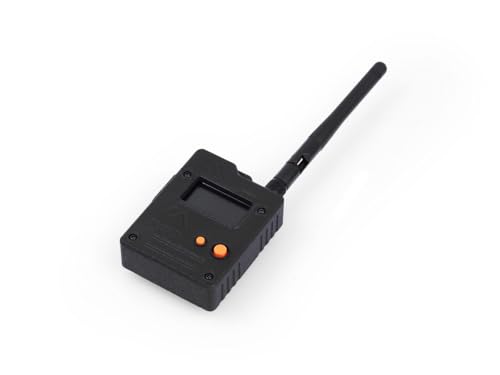
This pick stands apart from the handheld trail units because it looks built for tracking setups rather than a classic map-first backpacking routine. That makes it interesting for technically minded users who want flexibility around location projects, logging, or custom integrations. The honest read is that it suits a different kind of outdoor workflow than the Garmin handhelds, so you’ll want to match it to your own setup.
For overland-style tracking or experimental gear stacks, that flexibility can matter more than a familiar hiking interface. Backpackers who only need simple trail navigation may find the learning curve too steep, while tech-focused users could appreciate the room it leaves for a customized approach.
Bright Spots
- Flexible tracking use makes it appealing for custom projects.
- Compact form can suit gear bags and technical setups.
- Stands apart from simple trail GPS devices.
- Fits users who want location hardware with room to configure.
Areas To Watch
- It is less obviously tailored to casual backpacking than the Garmin picks.
- Setup may feel technical for hikers who want a plain handheld.
- You may need to spend time matching it to your own workflow.
Feature Card
Who Should Grab It
Technically minded users who want a flexible tracker for location-focused outdoor projects will benefit most.
Where Shoppers Go Wrong
Garmin eTrex 32x is the safer match for hikers who want a familiar handheld GPS built for straightforward trail use.
For backpackers who want a tiny off-grid communicator more than a full-size navigator, this bundle makes a lot of sense. The selling point is the mix of location sharing, SOS support, and a rugged compact body, so it feels especially suited to long routes where staying in touch matters. Compared with Spot X, this Garmin option leans into portability and a lighter carry profile.
The honest read is that it suits hikers who prioritize compact carry and satellite communication over a larger trail screen. You may find it feels almost pocket-sized beside the GPSMAP 65s, which is a very different kind of trail tool.
Reasons To Buy
- Compact design keeps trail carry easy.
- Location sharing adds practical peace of mind on remote trips.
- SOS support gives the device an important emergency role.
- Rugged build suits rough outdoor use.
- Lightweight format works well for minimalist packs.
Softer Spots
- It focuses more on communication than full map navigation.
- Small size means a less expansive on-device viewing experience.
- Backpackers who want richer navigation tools may prefer a handheld GPS.
Technical Sheet
Perfect Match For
Ultralight backpackers and remote trekkers who want compact satellite communication will get the most value here.
Not Your Match When
Garmin eTrex SE is the better fit for hikers who want longer stated battery life and a more traditional GPS hand unit.
How To Choose The Right Gps For Backpacking
Start With The Job You Need Done
Trail navigation looks different from one trip to the next. A weekend hiker who just wants a reliable position check can live happily with a compact handheld or watch, while a remote traveler may need messaging, route recovery, or better satellite access. The right choice starts with the job, not the spec sheet.
Battery life matters because backpacking days run long and charging opportunities can be thin. Screen size matters too, since a 2.2-inch display keeps the body small but asks more from your eyes than a 2.6-inch color panel. That trade-off shows up fast on map-heavy routes.
Match The Device To Your Trail Style
Day hikers usually want simple, quick access to location data. Multi-day backpackers lean harder on endurance, rugged housing, and route tools such as compass, altimeter, or TracBack-style backtracking. The more time you spend away from roads, the more helpful those extras become.
Backcountry users also benefit from considering how they carry gear. A wrist-worn watch keeps navigation close at hand, while a handheld with buttons feels better in gloves and bad weather. On steep or wet trails, that small ergonomic detail can matter more than a long feature list.
Think About Navigation Versus Communication
Some devices focus on finding your way, and others are built to help you stay in touch from remote terrain. A satellite communicator like the Spot X or inReach Mini 2 suits people who want off-grid contact, while the eTrex and GPSMAP units stay closer to classic navigation. That difference changes not just the price tier, but the daily experience on trail.
Search for the balance that matches your habits. Solo backpackers, long-distance trekkers, and anyone managing uncertain routes often value communication more. Hikers staying on marked paths may prefer a straightforward navigator that keeps the learning curve lower.
What To Weigh Before You Choose
Mistakes Worth Dodging
Trail shoppers often fixate on a feature list and miss the basics. A device that looks packed with tools can still feel wrong if the screen is too small, the controls are awkward in gloves, or the battery plan doesn’t fit your mileage. Carry comfort and legibility matter as much as headline features.
Another common slip-up is buying for rare trips instead of the trips you actually take. A full satellite communicator sounds impressive, but a compact handheld may serve you better for most weekends. Match the device to your normal use, not the once-a-year adventure.
The Upgrade Payoff
Higher-tier units usually cost more because they add better position support, tougher bodies, bigger displays, or communication features that reach past simple navigation. That extra hardware takes space, power, and engineering, which is why the more capable models feel different in hand. You’re paying for more trail confidence, not just a fancier shell.
The upgrade makes the most sense for remote routes, poor weather, and longer trips where mistakes are expensive in time and energy. For short hikes on familiar ground, a simpler GPS is often enough. For deep backcountry travel, the added capability can feel well spent.
Bottom Line
Your best GPS for backpacking depends on how far you go, how much detail you want, and whether staying reachable matters alongside navigation. The Garmin eTrex SE and GPSMAP 65s cover strong trail-first use, while the Spot X and inReach Mini 2 push harder into off-grid communication. For a simpler return-to-start tool, the Bushnell BackTrack Mini keeps things light. Pick the device that fits your pack, your routes, and the kind of trail day you actually live.