

Kayaking asks a lot from a GPS, because your gear has to stay readable, handle spray, and make sense fast when you’re moving. This roundup leans toward handheld navigation, rugged marine units, and a couple of outlier picks that fit boat-based paddling or equipment tracking. You’ll find choices for quiet lake days, tide-changed routes, and longer trips where battery life and waypoint marking start to matter more than flashy extras.
Quick Look At Our Shortlist
PAJ 4G Magnetic GPS Tracker 90 Days Battery

Garmin eTrex 32x Rugged Handheld GPS Navigator

Garmin eTrex SE GPS Handheld Navigator 168h Battery

Garmin Striker Vivid 7cv GT20-TM Transducer 7-inch Color Fishfinder

Garmin GPS 73 2.6 inches Model 010-01504-00
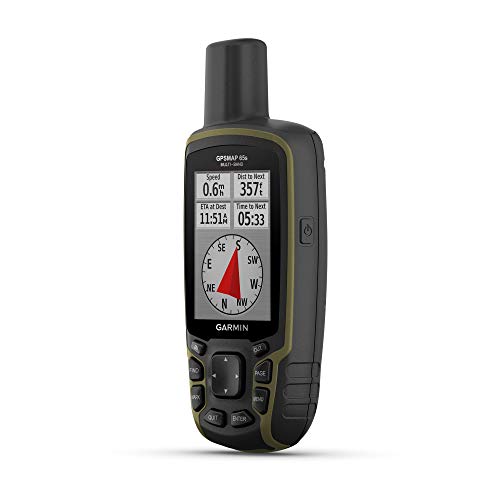
Garmin GPSMAP 65s Button-Operated Handheld with Altimeter and Compass

Garmin Oregon 700 Handheld GPS

GPS Navigation GPSMAP 86sci Satellite inReach BirdsEye Imagery
More Details On Our Top Picks
The magnet mount makes this one feel built for mixed-use ownership, especially for boats, trailers, and equipment that stays put between outings. The tracker relies on a subscription, so the value case is strongest when you want live location updates and not just a simple backup tag.
You may find the long battery window helpful for storage periods between launches, though real-world runtime still depends on how often the device reports position. Compared with handheld units like the Garmin eTrex models, this pick is less about trail navigation and more about keeping tabs on a vessel or gear from your phone.
What We Like
- Magnetic mounting keeps placement simple on metal surfaces.
- Live app tracking helps you check location without handling the unit.
- The long battery claim suits seasonal storage and occasional use.
- Geofence support adds a useful boundary alert layer for parked gear.
Points To Note
- Subscription cost is part of ownership, so the upfront device price is only half the picture.
- The format fits tracking better than on-the-water navigation.
- Magnetic placement works best on compatible metal surfaces, which narrows mounting options.
Core Details
Who It Suits Best
You get the most from this pick when you want a tracker for a kayak trailer, tender, boat, or other gear that’s stored away from home.
Where A Sibling Pick Shines
Garmin eTrex SE fits better for paddlers who want a handheld unit on the water, not a tracker that follows the asset from afar.
This is the sort of handheld you can stash in a deck bag without babying it. For paddlers who split time between shoreline route-finding and land-based hikes, the simple rugged shape makes sense, especially compared with the more specialized PAJ tracker above.
The 32x version usually appeals to people who want dependable navigation without a touch interface getting in the way. The trade-off is that it feels more utility-first than polished, so you’re paying for function rather than a wide, modern display.
Strong Points
- Rugged handheld format suits wet, messy, outdoor use.
- The compact body slips into small storage pockets.
- Its straightforward controls are friendly for quick checks on the water.
- Good fit for users who want a focused navigation tool, not a feature-heavy console.
Minor Gripes
- The interface feels more basic than touch-led options like the Oregon 700.
- You may miss a larger screen on fast-moving trips.
- It suits navigation better than media-rich or connected use.
Feature Rundown
Built With In Mind
You’ll like this most for simple route tracking during day paddles, especially on trips where you want a durable handheld rather than a dashboard-style display.
Another Choice May Suit
Garmin GPSMAP 65s is the better fit for paddlers who want more sensor depth and stronger positioning tools for remote routes.
Battery life takes center stage here, and that matters a lot on longer paddles where charging options are scarce. Compared with the eTrex 32x, this model leans harder into modern pairing and routing support, so it suits someone who likes a little more digital help without jumping to a larger marine unit.
The 2.2-inch screen keeps the body compact, which is useful in a kayak cockpit where every inch matters. The honest read is that the display is small, so you’ll prefer it for quick checks and route confirmation rather than long, map-heavy browsing.
Bright Spots
- Up to 168 hours of battery life fits extended trips and weekend travel.
- Multi-GNSS support broadens satellite access beyond a single system.
- Bluetooth pairing with Garmin Explore helps with trip planning and data syncing.
- IPX7 water resistance suits wet decks and sudden spray.
Areas To Watch
- The 2.2-inch display is compact, so map viewing feels tighter than on the Oregon 700.
- The small body is convenient, but it won’t feel luxurious in hand.
- For full-screen marine charting, a larger boat unit makes more sense.
At A Glance
Made For
You’re looking at a smart fit for long-distance paddlers, campers, and trip planners who value battery stamina more than a large display.
Look Elsewhere When
Garmin Striker Vivid 7cv suits kayaks used mainly as fishing platforms, because its larger screen and sonar tools are a better match for that setup.
This one makes the most sense for kayak anglers who want the screen to do some of the heavy lifting. The 7-inch color display is much easier to scan than the handheld eTrex units, and the included transducer pushes it firmly into boat-mounted territory.
Compared with the eTrex and GPSMAP handhelds, this Garmin is less about pocket portability and more about making structure, routes, and water changes easier to read. One thing worth considering is installation, because a transducer-based setup asks for a more fixed rig than a grab-and-go navigator.
Reasons To Buy
- The 7-inch color screen is easier to read from a seated kayak position.
- CHIRP sonar and ClearVü scanning sonar help you interpret what’s under the water.
- Waypoints, routes, and speed tracking support organized days on the water.
- Quickdraw Contours lets you build simple custom mapping as you paddle.
Things To Consider
- The setup is more involved than a handheld, so storage and mounting matter.
- It fits fishing kayaks better than minimal touring rigs.
- The larger display draws your eye, which is useful, but it also takes up cockpit space.
Technical Sheet
Whose Shelf It Belongs On
You’ll get the most from this model when your kayak doubles as a fishing rig and you want sonar plus navigation in one station.
Reach For A Different Pick When
Garmin eTrex SE is the cleaner choice for paddlers who need a lighter handheld instead of a mounted display.
The GPS 73 keeps things stripped down, which can be refreshing in a kayak cockpit where clutter adds up fast. Compared with the more connected eTrex SE and the sonar-heavy Striker, this one feels aimed at straightforward navigation and not much else.
That simplicity helps on short local paddles, dinghy runs, and backup-duty use, especially for someone who wants a compact screen and dependable basics. The trade-off is obvious: you are giving up the richer feature set that comes with newer Garmin handhelds.
Best Bits
- The compact 2.6-inch form fits neatly into smaller gear bags.
- It keeps navigation basic and easy to understand.
- Good as a backup unit for trips where simplicity matters.
- Less visual clutter can be welcome in a narrow cockpit.
Softer Spots
- The display is small, so map reading feels more constrained.
- Feature depth trails the newer GPSMAP and eTrex SE picks.
- It suits plain route work more than richer trip planning.
Key Specs
Right Fit For
You’re the best match for this if you want a no-frills handheld for short paddles, backup navigation, or simple route marking.
Swap It Out When
Garmin GPSMAP 65s makes more sense for deeper satellite support and more confidence on remote water.
This is the step-up option for paddlers who want more positioning confidence and don’t mind a button-driven layout. Multi-band technology can matter in tricky environments, and the included altimeter and compass make it feel better prepared for mixed terrain around launch points, portages, and shore routes.
Compared with the GPS 73, it brings a far richer toolset, while staying less bulky than a mounted fishfinder. You may find the physical buttons reassuring in rain or cold, though the interface asks for a little more learning than a bare-bones unit.
Standout Traits
- Multi-band support is the main draw for more demanding navigation needs.
- The altimeter and compass add useful context on land-to-water transitions.
- Button controls stay friendly when touchscreens get slippery.
- The 2.6-inch color display keeps the body compact.
- It feels well suited to serious route work without jumping to a full marine console.
Worth Noting
- The button layout is practical, but it asks for a bit of familiarization.
- The smaller display limits how much detail you see at once.
- It’s a more capable tool, so it makes sense mainly when you’ll use the added sensors.
Details At A Glance
Built With In Mind
You’ll appreciate this most on longer or less predictable routes where extra positioning tools feel worth the step up.
Where Shoppers Go Wrong
Garmin GPS 73 suits casual paddlers better when you only need a compact backup and not the extra navigation layers.
The Oregon 700 feels a little more like a field companion than a stripped-down instrument. Its 3-inch sunlight-readable touchscreen, landscape or portrait viewing, and ABC sensors, that’s the kind of setup that helps when you want a clearer interface on mixed land-and-water days.
Compared with the button-first GPSMAP 65s, this one leans more toward ease of reading and touch-driven use, though the battery life is shorter than the eTrex SE. You may find it especially handy on calm-water paddles where quick screen interaction matters more than maximum runtime.
Highlights
- Touchscreen operation makes quick map checks feel natural.
- Portrait and landscape viewing adds flexibility in a kayak mount or in hand.
- ABC sensors include a tilt-compensated electronic compass and a barometric altimeter.
- The rugged housing is made for dust, dirt, humidity, and wet use.
- Activity profiles cover hiking, biking, geocaching, fishing, and more.
Small Caveats
- Up to 16 hours of battery life is shorter than the eTrex SE’s listed runtime.
- The touch interface can feel less direct than physical buttons in heavy spray.
- The larger feature set may be more than casual paddlers need.
Core Details
Who Should Grab It
You’re a strong match here if you like a touch screen and move between kayaking, hiking, and other outdoor activities.
A Better Fit Elsewhere
Garmin eTrex SE is the easier pick for paddlers who want much longer battery life and a simpler carry profile.
This one leans hard into marine use, so it fits paddlers who spend real time on open water or near changing coastlines. Satellite inReach support, BirdsEye imagery, a barometric altimeter, and a 3-axis compass make it feel more prepared for route context than the simpler handhelds in this list.
Compared with the Oregon 700, it shifts from general outdoor use toward marine-first navigation. The trade-off is straightforward, because you’re buying a more specialized tool that makes the most sense when your kayaking happens in exposed water or on longer trips away from easy landmarks.
Plus Points
- Satellite communication support expands the device beyond basic navigation.
- BirdsEye imagery helps with a more visual sense of the route.
- The barometric altimeter and 3-axis compass add useful trip context.
- IPX7 waterproofing suits regular spray and wet conditions.
- MicroSD expansion gives you room for added data and map storage.
Honest Caveats
- The marine-first focus feels more specialized than a general handheld.
- It makes the most sense for open-water paddling, not casual pond use.
- Added capability usually means more setup attention and more menu depth.
Feature Card
The Right Fit
You’re in the sweet spot for this model when your kayaking takes you offshore, across bigger lakes, or into longer self-supported routes.
Not Your Match When
Garmin GPS 73 is a cleaner match for short, simple trips where you want a compact handheld without the extra marine layers.
How To Choose The Right Gps For Kayaking
Focus On Readability First
Bright water, glare, and splash make screen size matter more than most product pages suggest. A 2.2-inch or 2.6-inch handheld works for quick checks, but a 3-inch touchscreen or 7-inch marine display gives you more breathing room for maps and waypoints.
Touchscreens feel easy on calm days, while button layouts hold up better with wet hands and cold weather. That’s why the Garmin Oregon 700 and GPSMAP 65s solve different problems, even though both are built for outdoor use.
Match Battery And Use Time To Your Trips
Short evening paddles and all-day river runs ask for very different power budgets. The eTrex SE stands out for long runtime, while the Oregon 700 trades some battery life for a larger and friendlier screen.
The right call depends on how often you can recharge and how much you hate staring at a low-battery alert halfway through a return leg. For multi-day trips, battery stamina usually matters more than extra menus.
Decide How Much Navigation Depth You Need
Some kayaks need a simple waypoint tool, and others need sonar, contour mapping, or satellite communication. The Garmin Striker Vivid 7cv serves fishing kayaks well, while the GPSMAP 86sci makes more sense for exposed water and longer routes.
For casual lake paddling, extra layers can feel like baggage. For remote launches, coastlines, or unfamiliar channels, those layers can save you from flipping between too many tools.
Think About Mounting, Storage, And Maintenance
Handhelds tuck away easily, which helps in small cockpits and on crowded decks. Mounted units ask for more planning, but they pay that back with larger displays and easier viewing from a seated position.
Salt spray, grime, and sand also matter. A simple rugged shell is easier to keep clean than a more elaborate marine setup, and magnetic trackers or button-operated handhelds usually feel less fussy after repeated use.
Things Worth Knowing Before You Choose
Mistakes Worth Dodging
Many shoppers focus on feature lists and miss the shape of the actual trip. A kayak paddled on calm ponds does not need the same screen size or sensor stack as a coastal route in wind and chop.
Another common slip is forgetting about storage. A mounted fishfinder can be great, but it also asks for room, wiring, and a more fixed setup than a compact handheld.
The Upgrade Payoff
Higher-tier models usually cost more because they add better satellite support, stronger sensors, larger displays, or marine-specific mapping tools. Those extras matter most when navigation gets more demanding or your outings stretch beyond easy-to-see shoreline landmarks.
Spending up makes sense for remote water, fishing kayaks, and anyone who wants richer route detail. For simple day paddling, a lighter handheld often covers the basics without adding clutter.
Closing Thoughts
The right GPS for kayaking comes down to how you paddle, not just how many features a device lists. A compact handheld like the Garmin GPS 73 keeps things simple, while the eTrex SE and GPSMAP 65s bring more depth for longer or less certain routes. For fishing setups, the Striker Vivid 7cv and GPSMAP 86sci move into a different class of usefulness. Choose the tool that fits your water, your storage space, and the amount of information you actually want on deck.