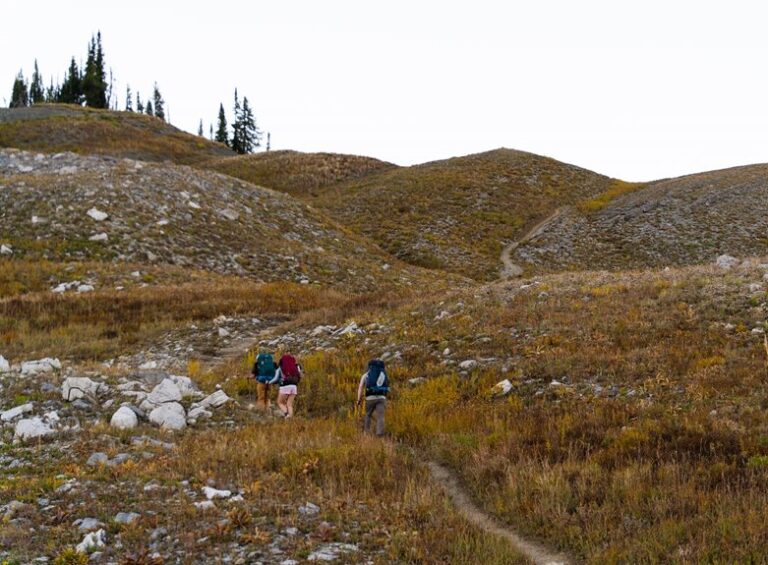

Trail navigation gets a lot easier when your gear matches the way you hike. Some of these picks focus on satellite messaging and emergency reach, while others lean into map handling, battery life, or plain, button-driven simplicity. You’ll also see a few options that make more sense for backpacking, hunting, or land measurement than for a casual weekend loop. The right choice depends on how far you roam, how often you lose signal, and how much detail you want on the device itself.
Quick Look At The Shortlist

Spot X Bluetooth 2-Way Satellite Messenger

Garmin eTrex 32x Rugged Handheld GPS Navigator

Garmin eTrex SE GPS Handheld Navigator

SPOT Trace Satellite Tracking Device

Spot Gen 4 Satellite GPS Messenger
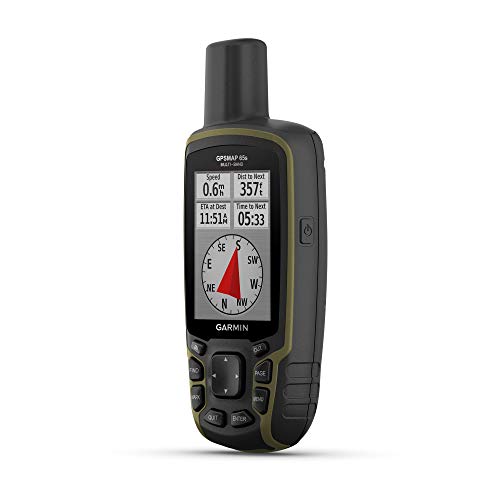
Garmin GPSMAP 65s Button-Operated Handheld

Bushnell BackTrack Mini GPS Navigation

More Details On Our Top Picks
Satellite messaging shifts this unit into a different lane than Garmin’s map-first handhelds. In a long backcountry day, the value comes from having a compact device that can handle check-ins without depending on cell signal.
The trade-off is the extra service commitment, so this fits best for hikers who truly need off-grid communication. You’ll also want to think about carrying a second device or power plan on longer trips, because any connected messenger adds one more thing to manage.
Strong Points
- Two-way messaging helps you stay in touch from remote trails.
- Handheld format keeps it easy to pack with other navigation gear.
- Useful for hikers, campers, and drivers who leave coverage behind.
- Pairs well with a route plan when you’re traveling far from town.
Areas To Watch
- Service commitment matters, so this is not a casual grab-and-go pick.
- You’ll need to keep the unit charged and stored safely in a pack pocket.
- Messaging focus means it’s less about full-screen mapping than the Garmin picks.
Core Details
Who It Suits Best
You benefit most here if your hikes run deep into remote terrain and you want a compact messenger, not a map-heavy navigator.
A Better Fit Elsewhere
Garmin GPSMAP 65s suits hikers who care more about detailed on-device navigation than messaging.
Compared with the Spot messenger, this one leans harder into old-school handheld navigation. That’s useful for day hikers and weekend backpackers who want a dedicated unit without the distraction of messaging features.
The rugged housing makes sense in muddy, rocky, or wet conditions, though you still need to keep the buttons and screen clean after rough trips. The honest read is that this is a steady, straightforward tool for people who want Garmin map handling in a familiar portable shell.
What We Like
- Rugged build suits trail use, pack storage, and rough handling.
- Button-driven controls stay usable with gloves or in cold weather.
- Works as a dedicated navigation tool without extra communication clutter.
- Good match for people who prefer a familiar handheld layout.
Minor Gripes
- Screen size is more compact than a phone-style device.
- Button navigation can feel slower than touch-based workflows.
- You’ll likely want a protective pouch for long pack carry.
Feature Rundown
Who Will Love This
You’re a good match for this if you want a reliable handheld without extra features getting in the way.
Another Choice May Suit
Garmin eTrex SE fits hikers who want longer battery focus and Bluetooth pairing in a leaner setup.
The long battery headline is the first thing that stands out here, and that matters on multi-day hikes or travel days between trailheads. Compared with the eTrex 32x, this one feels more tuned to people who want longer stretches between charges and a modern pairing workflow.
The 2.2-inch display is compact, so you get portability without adding much bulk to a shoulder strap or hip belt pouch. You may find the smaller screen perfectly fine for route checks, though it is not the device you’d choose for lots of on-screen detail.
Highlights
- Battery life is suited to longer trips and fewer charging stops.
- Multi-GNSS support broadens satellite access across varied terrain.
- Bluetooth pairing works well with a phone-based planning routine.
- IPX7 water resistance gives useful protection in wet trail weather.
Softer Spots
- 2.2-inch display keeps the footprint small, but detail space is limited.
- Compact size is great in a pocket, less so for dense map viewing.
- You’ll want to keep the screen clean for easier reading on the move.
Details At A Glance
Best Suited To
You’ll get the most from this if your hikes run long and you want a small handheld that stays light in the pack.
Where A Sibling Pick Shines
Garmin GPSMAP 65s suits you better when you want more onboard navigation tools and a larger 2.6-inch color display.
This pick is less about turn-by-turn hiking navigation and more about keeping track of something valuable in motion. For gear, vehicles, or travel bags, that tracking-first approach can feel more practical than carrying a full handheld map unit.
Compared with the Spot X and Spot Gen 4, this model is the quieter utility option in the lineup. The catch is simple, you need to know you want a tracker, not a full-featured navigator, or you’ll end up with the wrong kind of tool.
Bright Spots
- Tracking focus fits gear, vehicles, and other moving items.
- Small format keeps it easy to place where needed.
- Useful for hikers who also move equipment between trailheads.
- Good companion for organized trip planning and asset awareness.
Points To Note
- It is not a full navigation screen for route-following.
- Service-based ownership adds another ongoing factor to manage.
- Placement matters, so you’ll want to mount or stow it securely.
Feature Card
Right Fit For
You suit this best if you want location tracking for gear or travel items rather than a hike-by-hike navigator.
Look Elsewhere When
Garmin eTrex 32x is the better match for hikers who need a dedicated handheld to follow trails and waypoints.
This one sits close to the Spot X, but with a simpler mission and a more stripped-back feel. For campers and casual hikers who want portable messaging without a lot of extra navigation clutter, that can be exactly the right balance.
It’s also the kind of device that makes sense in a pack pocket for trips where you want a backup way to reach out. The trade-off is that you’re still signing up for a service-driven tool, so it suits committed off-grid use more than occasional weekend wandering.
Best Bits
- Portable messenger format is easy to carry on trail days.
- Works well for hiking, camping, and general outdoor travel.
- Simple profile keeps the learning curve low.
- Can complement a paper map or basic handheld GPS setup.
Room For Improvement
- Less feature-heavy than the Garmin handhelds in this roundup.
- Service commitment adds an extra ownership step.
- You’ll want to keep it stored where the buttons stay protected.
Quick Facts
Made For
You’ll appreciate this most as a simple, portable messenger for outdoor trips that regularly leave cell range behind.
Reach For A Different Pick When
Garmin eTrex SE suits you better if you want a longer-battery handheld with more map-oriented navigation.
Among the map-first choices here, this one feels the most trail-serious. The altimeter measures elevation, and the compass helps you keep your bearing, so the device suits hikers who want more orientation tools built in.
That extra capability comes with a more button-led workflow, which some backpackers prefer and others find slower than a phone-style interface. For steep routes, mixed terrain, or long backcountry days, the added control can feel worth the trade.
Reasons To Buy
- Altimeter and compass add useful trail awareness.
- Expanded satellite support suits tougher terrain and variable cover.
- Multi-band technology is a strong fit for demanding navigation use.
- 2.6-inch color display gives more room than the smaller eTrex SE screen.
- Button operation stays dependable in wet weather and with gloves.
Honest Caveats
- The feature set is richer, so setup takes more attention.
- Physical controls are steady, but they are not the fastest route for every user.
- You’ll want to keep the display protected in a loaded pack.
Core Details
Whose Shelf It Belongs On
You’re the right match here if you want a more advanced handheld for serious hiking and don’t mind learning a fuller control set.
Swap It Out When
Garmin eTrex SE suits you better if a lighter, longer-running handheld matters more than the GPSMAP 65s feature load.
This is the small, practical option for hikers who want a simple way back to camp, trailhead, or base area. Compared with the Garmin units, it trades deeper map handling for a lighter tool that’s easier to carry and easier to understand in a hurry.
The rugged, waterproof build suits wet brush, drizzle, and rough pack use, and the glove-friendly buttons matter more than they might sound. A pocket-sized device like this feels handy on shorter outings, though it won’t replace a full-featured navigator for route planning.
Positives
- Backtrack-style navigation helps guide you toward your starting point.
- Up to 35 hours of battery life suits day trips and short overnights.
- Bluetooth support lets you sync trips and waypoints to the companion app.
- Large buttons make it easier to use with gloves.
Small Caveats
- Navigation scope stays narrower than the Garmin handhelds here.
- Owners who want rich trail maps may find it too simple.
- You’ll want to keep it clean after muddy or wet outings.
Feature Snapshot
Perfect Match For
You’re a strong match for this if you want a compact backtrack tool for shorter hikes and don’t need full map management.
Not Your Match When
Garmin GPSMAP 65s fits you better when you want more detailed trail navigation and a larger display.
This one steps away from trail navigation and into land measurement work. For field tasks on slopes, broad flats, or uneven terrain, the GPS and GLONASS support give it a more surveying-minded angle than the hiking tools above.
The reported area error range of 1 to 2 percent is the key detail here, because that speaks to measurement use rather than casual waypoint tracking. In practice, that makes this a better fit for property, terrain, or worksite jobs than for backpackers looking for a simple route companion.
Upsides
- Built for land measurement rather than trail wandering.
- GPS and GLONASS support broaden satellite access.
- Precision focus suits field work on varied ground.
- Useful for mountain, slope, and flat-field measurement tasks.
Worth Noting
- This is a work tool, not a hiking-first navigator.
- You’ll want to match it to measurement tasks, not casual trail use.
- Handling precision gear usually means more care in storage and transport.
Technical Sheet
Built With In Mind
You’re the right fit for this if your main job is measuring land or terrain rather than following hiking routes.
Where Shoppers Go Wrong
Garmin eTrex 32x is a better match for hikers who want a true handheld navigator instead of survey gear.
How To Choose The Right Gps Units For Hiking
Start With The Way You Hike
Long-distance backpackers, day hikers, and off-grid campers need different tools. A messenger like Spot X or Spot Gen 4 makes sense for people who care about contact, while Garmin’s handhelds suit hikers who want route detail on the device itself.
Think about how often you leave reliable signal behind. That single question usually tells you whether messaging, tracking, or map navigation deserves the priority slot.
Screen Size, Buttons, And Carry Comfort
Small displays are easier to pack, but they demand a little patience on the trail. The eTrex SE and Bushnell BackTrack Mini keep the footprint light, while the GPSMAP 65s gives you more screen room for reading terrain data.
Buttons matter more than they sound, especially in cold weather or with gloves on. A physical control layout can feel old-fashioned, yet it often stays easier to manage when your hands are wet or tired.
Battery Life And Power Planning
Battery life changes the whole ownership experience. The eTrex SE’s up-to-168-hour rating is built for longer stretches between charges, while the BackTrack Mini’s up-to-35-hour figure suits shorter trips and lighter use.
That difference becomes obvious on multi-day backpacking routes, where every charging stop adds another task to your pack list. Power habits should match the trip length, not just the spec sheet.
Mapping Depth Versus Simplicity
Garmin’s trail units lean toward navigation depth, especially the GPSMAP 65s with its altimeter, compass, and multi-band support. The Bushnell BackTrack Mini stays simpler, which helps it feel approachable for quick out-and-back hikes.
Choose the tool that matches your patience level in the field. A stripped-down device can be a blessing on a short day hike, while a richer navigator pays off when you spend hours away from a trailhead.
What To Weigh Before You Choose
Traps First Timers Fall Into
It’s easy to shop for the wrong category and end up with a tracker when you really wanted a navigator. The Spot Trace is useful for location tracking, but it won’t replace a handheld map device on a winding trail.
Another common miss is underestimating battery needs. A compact unit can look ideal on the product page, then feel limiting once you start planning a long weekend in the backcountry.
Why Top Tier Costs More
Higher-end handhelds tend to add better satellite support, more navigation tools, and more usable displays. That’s why something like the GPSMAP 65s sits above a simpler model such as the BackTrack Mini.
Paying more makes sense when trail confidence depends on those extra layers of data. For casual hikes, the extra capability can be more than you need, so the smarter spend is often the simpler device.
Closing Thoughts
The best choice depends on how much trail detail you want and how far you travel from reliable signal. For communication, Spot X and Spot Gen 4 make sense; for navigation depth, Garmin’s eTrex and GPSMAP options stand out. A lighter pick like the Bushnell BackTrack Mini suits shorter outings, while the BEVA belongs in a work cart, not a daypack. Match the device to your actual route, and the rest gets much easier.