
Choosing the right handheld GPS can make a long hunt feel far less chaotic. You want something that holds a signal in rough country, survives damp gear, and stays readable in early light or under a tree canopy. This roundup focuses on sturdy models with different strengths, from simple waypoint tools to larger screens and richer navigation features. Some are better for backcountry trips, while others fit property work, scouting, or group outings.
Quick Look At The Shortlist

Garmin eTrex 32x, Rugged Handheld GPS Navigator

Garmin eTrex SE, GPS Handheld Navigator

Garmin GPS 73, 2.6 inches, Model:010-01504-00
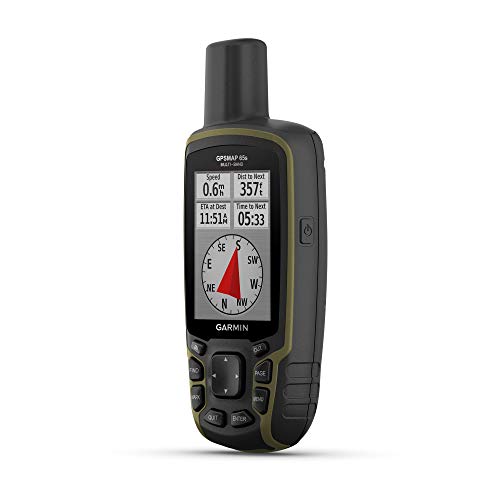
Garmin GPSMAP 65s, Button-Operated Handheld

Bushnell BackTrack Mini GPS Navigation

BEVA GPS Land Measuring Instrument

Garmin Montana 700, Rugged GPS Handheld

Garmin Rino 700, Rugged 2-Way Radio and Handheld GPS Navigator
More Details On Our Top Picks
The eTrex 32x stays attractive because it keeps the formula lean and rugged. For hunts that involve marking camp, glassing points, and a few return routes, that kind of stripped-down layout is often easier to live with than a crowded screen.
It suits you best when you want a familiar handheld shape without a lot of menu hunting. The trade-off is plain enough, it does not promise the richer navigation tools found on the GPSMAP 65s or the larger Montana 700.
Strong Points
- Compact body that fits easily in a cargo pocket or pack lid.
- Simple handheld format keeps route marking and backtracking approachable.
- Good match for hunters who want a dependable, no-drama setup.
- The smaller footprint makes it easier to carry during long walks.
Things To Consider
- The display and control style feel modest beside the bigger Montana 700.
- Owners who like richer mapping tools may want a more advanced model.
- Small-screen navigation can feel tight during quick route checks.
Feature Snapshot
Whose Shelf It Belongs On
You benefit most from this one as a hunter who values compact gear and straightforward waypoint use over extra screen size.
Where A Sibling Pick Shines
Garmin GPSMAP 65s suits you better when you want more navigation depth, especially for rough terrain and longer backcountry routes.
The eTrex SE shifts the conversation toward endurance and phone pairing. That matters on a weekend hunt or scouting day, because Bluetooth linking with Garmin Explore gives you a cleaner way to move saved routes and waypoints without juggling a lot of gear.
The 2.2-inch display keeps the body compact, and the IPX7 water resistance rating means it’s built for wet brush and ugly weather. You may still prefer a larger screen for map-heavy work, but this one makes a strong case for long outings where battery life matters more than a roomy panel.
Bright Spots
- Battery life up to 168 hours suits long trips and slow-moving hunts.
- Multi-GNSS support broadens satellite access across different terrain.
- Bluetooth pairing helps you move trips and waypoints into Garmin Explore.
- IPX7 water resistance adds calm in wet woods or rain.
- The small display keeps the unit pocketable.
Areas To Watch
- The compact screen will feel cramped for frequent map checking.
- Bluetooth features make sense only when you want phone app support.
- The tiny size is handy, though it leaves less room for fast visual scanning.
Details At A Glance
Made For
You fit this pick best when your hunts stretch over several days and you want a small handheld that leans into battery life.
Another Choice May Suit
Garmin Montana 700 is the better match for you when screen size and route viewing matter more than pocketable bulk.
The GPS 73 leans into a very direct style, which helps in the field when you want less fuss and fewer screen distractions. For shoreline access, bait runs, or property edges, a 2.6-inch display can be enough to keep navigation readable without taking up much room.
Compared with the eTrex SE, this one reads like a simpler tool rather than a connected companion. That stripped-back feel can be a plus for hunters who value quick glances and button-driven control more than app pairing.
Positives
- 2.6-inch display gives a bit more room than the smallest eTrex screen.
- Button-first control helps in cold weather or with gloves.
- Compact footprint makes storage easy in a vest or pack pocket.
Room For Improvement
- It feels more basic than the GPSMAP 65s for advanced route work.
- The smaller screen still asks for close attention during map checks.
- You may prefer a more connected setup for phone-based trip sharing.
Core Details
Right Fit For
You suit this unit best if you want a compact handheld for simple route marking and don’t need a large map interface.
Look Elsewhere When
Garmin eTrex SE makes more sense for you when longer battery life and phone syncing are higher priorities than a basic layout.
The GPSMAP 65s moves into more serious territory, especially for hunters who track terrain changes and want extra navigational context. The built-in altimeter measures elevation and the compass gives directional reference even before you’re moving, which helps in steep or brush-heavy country.
Multi-band technology and expanded satellite support are the kind of details that matter most in difficult cover, where signal quality can get messy. Compared with the simpler eTrex models, this one feels better suited to people who spend real time off-trail and want a more information-rich handheld.
Upsides
- Altimeter and compass add useful field awareness.
- Expanded satellite support broadens route-finding confidence.
- Multi-band support is useful in more demanding terrain.
- Button controls keep operation reliable with gloves.
- The 2.6-inch color display balances size and readability.
Points To Note
- It asks for a bit more attention than the simpler GPS 73.
- The display is still compact compared with the Montana 700.
- Advanced features make the learning curve steeper for casual use.
Technical Sheet
Built With In Mind
You suit this handheld best if you hunt steep country, track elevation often, and want more field tools in one unit.
Where A Sibling Pick Shines
Garmin Montana 700 makes a better match for you when a larger touchscreen matters more than button-first control.
The BackTrack Mini is built around one job, helping you return to where you started. That makes it especially useful for short hunts, scouting runs, or backpacking days where you don’t want to lean entirely on a phone that can lose battery or signal.
Its glove-friendly buttons and readable display are practical touches, and the Bluetooth link to the Bushnell Connect app adds a handy way to view and save trips. The honest read is that it suits simple navigation more than complex mapping, but for many field days that’s enough.
Reasons To Buy
- Easy trip-back style keeps the purpose clear.
- Up to 35 hours of battery life works well for weekend outings.
- Waterproof, rugged build suits rough field conditions.
- Glove-friendly buttons help during cold or wet hunts.
- Bluetooth sync adds a useful app connection.
Softer Spots
- It does less than fuller handhelds such as the GPSMAP 65s.
- The small screen is best for simple navigation, not detailed route study.
- App syncing adds a second device into the routine.
Quick Facts
The Right Fit
You fit this pick best when your priority is getting back to camp or the trailhead without carrying a more complicated navigator.
A Better Fit Elsewhere
Garmin eTrex SE makes more sense for you when battery endurance and multi-GNSS support matter more than ultra-simple trip recovery.
This BEVA unit sits a little apart from the other picks because it’s aimed at land measurement rather than classic hunting navigation. That makes it a stronger fit for property checks, boundary work, or rough slope and flat-field readings than for a fast-moving backcountry hunt.
The source data points to GPS and GLONASS support, and GLONASS is the Russian satellite navigation system, used here to broaden position access alongside GPS. Owners who work open land or manage acreage may appreciate the tighter measurement focus, while casual hunters may find it more specialized than they need.
Best Bits
- Targets land measurement tasks rather than general trail use.
- GPS and GLONASS support can improve position access.
- High-precision positioning suits acreage and slope work.
- The stated 1 to 2 percent area error gives a clearer sense of fit for property tasks.
Worth Noting
- It is more specialized than the Garmin handhelds in this list.
- Not the best match for hunters who mainly want waypoint backtracking.
- The product-page focus leans toward survey-style work, so everyday field use feels narrower.
Feature Rundown
Who Should Grab It
You suit this pick best if your real need is measuring land, not tracking game routes through brush or timber.
Where Another Pick Fits Better
Garmin GPSMAP 65s is the better choice for you when hunting navigation matters more than survey-style area work.
The Montana 700 stands out because it gives you a 5-inch color touchscreen, which is a real comfort on route-heavy days. For hunters who also run trails, roads, and mixed terrain, that larger panel can feel like a clearer map spread across the dash of your hand.
Glove-friendly operation matters more than it sounds, especially during cold mornings when a smaller interface starts to feel fiddly. The rugged build is rated to MIL-STD 810 for thermal, shock, water, and vibration, so it suits hard outdoor use, though the larger body is less pocketable than the eTrex line.
Highlights
- Large 5-inch touchscreen makes map viewing easier.
- Routable mapping works well across roads and trails.
- Glove-friendly design suits cold-weather handling.
- MIL-STD 810 rating covers thermal, shock, water, and vibration.
- Good fit for mixed-use outdoor navigation.
Minor Gripes
- The larger size takes more room than the compact eTrex models.
- Touchscreen navigation can feel different from button-only units.
- It may be more than you need for simple waypoint marking.
Feature Card
Best Suited To
You suit this pick best if you want a larger-screen handheld for trail systems, scouting routes, or all-day mapping work.
Swap It Out When
Garmin eTrex 32x makes more sense for you when smaller size and lighter carry matter more than a big touchscreen.
The Rino 700 is the most communication-focused option here, and that changes the game for group hunts. GPS and GLONASS help with navigation, while the built-in two-way radio means you can keep in touch without carrying a separate radio rig.
That combination is handy for coordinating partners across timber, fields, or ridge lines, especially when line of sight breaks down. The 2.2-inch display keeps it compact, though the small screen means you’re trading map space for communication hardware.
Standout Traits
- Built-in two-way radio reduces gear overlap.
- GPS and GLONASS support cover core positioning needs.
- Compact size works well in a vest or pack.
- Useful for keeping a group coordinated across spread-out terrain.
Small Caveats
- The screen is smaller than the Montana 700’s 5-inch panel.
- Radio functions add complexity you may not need for solo trips.
- It feels more specialized than the eTrex line for basic waypoint work.
Core Details
Who Will Love This
You suit this model best if your hunts involve a partner or small group and you want nav plus voice communication in one unit.
Where A Sibling Pick Shines
Garmin GPSMAP 65s is the better route when you want more of a pure navigation tool and less radio complexity.
How To Choose The Right Gps Units For Hunting
Start With Your Terrain And Carry Style
Dense timber, steep hills, and open farmland all favor different layouts. A compact unit like the eTrex SE or eTrex 32x is easier to pocket, while a bigger touchscreen like the Montana 700 gives you more room for map detail.
Carry style matters just as much as screen size. A vest pocket, daypack hip belt, or chest rig can make a small handheld feel ideal, while a larger unit becomes more natural when it stays in a pouch or mounted spot.
Battery Life And Satellite Support Change The Feel Of A Hunt
Long outings reward models with longer battery endurance, especially when the day runs past sunset or includes a slow walk back to camp. The eTrex SE stands out here with its long stated battery life, while simpler units tend to suit shorter trips or lighter use.
Satellite support also deserves attention. Multi-GNSS means the device can work with more than one satellite system, which is helpful in broken cover, steep draws, or places where trees and terrain can interrupt a cleaner path to the sky.
Controls Should Match Gloves, Weather, And Stress
Button-driven units make sense when you expect rain, cold hands, or thick gloves. The GPSMAP 65s, GPS 73, and Rino 700 all lean this way, while the Montana 700 gives you a touchscreen that feels better for map browsing and route planning.
The real question is how you’ll use it in motion. If you want fast waypoint entry and simple turns of the hand, buttons are steady. If you study maps often, a larger display can save time and reduce squinting.
Think Beyond Navigation Alone
Some units do more than mark position, and that extra layer can matter. The Rino 700 adds two-way radio communication, while the BEVA model is aimed more at land measurement than hunting routes.
That’s where use case fit becomes the deciding factor. Pick the tool that matches your day, not the one with the longest feature list, because a clean fit usually feels better in the field than extra functions you won’t touch.
Things Worth Knowing First
Common Shopping Slip Ups
It’s easy to overbuy screen size and underbuy battery life. A giant display looks appealing, but a shorter outing may never justify the bulk.
Another common mistake is ignoring how you carry gear. A handheld that feels fine in a jacket pocket can feel awkward in a chest rig, and a radio-heavy unit can be more than you need for solo hunts.
Where The Extra Money Goes
Higher-tier models usually spend more on screen size, satellite handling, rugged construction, and extra field tools. The Montana 700 brings a 5-inch touchscreen, while the GPSMAP 65s adds altitude and directional tools along with more advanced navigation support.
That upgrade makes sense for hunters who spend serious time in rough country or who split time between scouting, trail travel, and hunt days. For simple waypoint use, a more basic handheld often gives you enough.
Closing Thoughts
The right handheld depends on how far you roam, how often you check maps, and whether you want pure navigation or extra features like radio contact. For compact carry, the eTrex line stays appealing, while the GPSMAP 65s and Montana 700 make stronger cases for tougher terrain and bigger map views. The Rino 700 stands apart for group coordination, and the Bushnell BackTrack Mini keeps things simple for trip-back use. Match the unit to your routine, and the field feels a lot less scattered.