

You want a fish finder that fits a kayak, slips into a boat bag, or stays handy on ice without turning your day into a wiring project. Handheld units make sense when you need quick depth checks, a clearer read on structure, or a portable way to scout water before you settle in. Some lean on simple wired sonar, while others hand the picture to your phone or tablet. The right pick depends on how much setup you want and how much screen you trust in rough weather.
Quick Look at the Shortlist
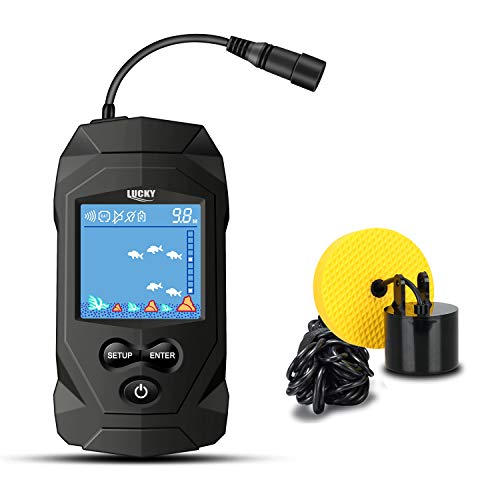
LUCKY Wired Kayak Fish Finder Kit
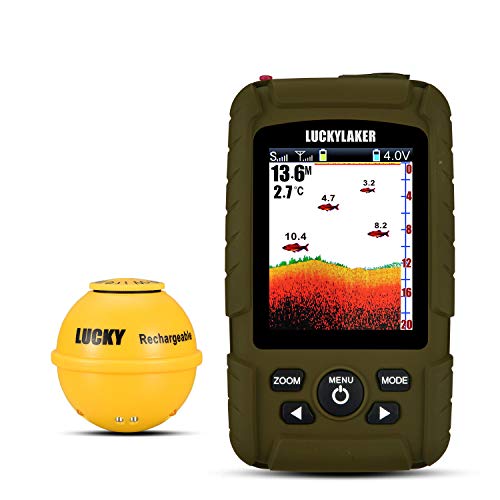
LUCKY Portable Sonar Wireless Fish Finder

Garmin Striker Cast Castable Sonar

Hawkeye DT1H Handheld Depth Finder

Yoocylii Handheld Fish Finder
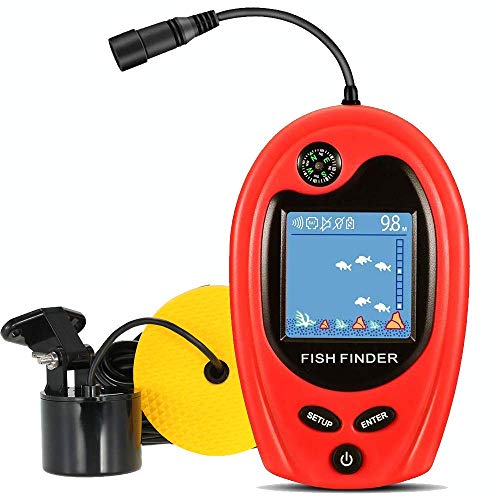
LUCKY Sonar Portable Fish Finder

FishPod 5X Bluetooth Fish Finder
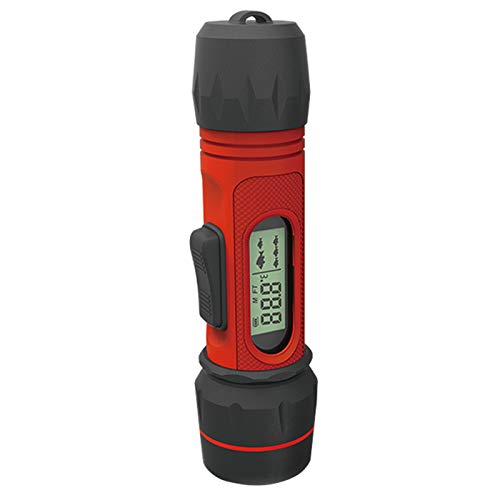
RICANK Portable Ice Depth Finder
More Details On Our Top Picks
Wired setups still make sense for kayak anglers who want a plain depth read without phone juggling. This LUCKY kit leans into that straightforward style, so you get a portable sonar path that suits boat use, ice fishing, and tight storage spaces.
The trade-off is the corded layout, which takes a little more planning at launch and stow time. For people who prefer a steady handheld unit over app screens, that simplicity is the point, and it pairs better with calm, repeatable outings than with casual hop-on hop-off use.
What We Like
- Wired transducer support keeps the signal path simple.
- Portable body suits kayaks, boats, and ice shelters.
- LCD readout is easier to glance at than a phone in glare.
- Useful for quick depth checks at new spots.
Things To Consider
- The cable adds a bit of setup and coil management.
- More moving parts means more care during storage.
Feature Snapshot
Who It Suits Best
Weekend anglers who want a basic handheld sonar tool for kayaks, boats, or winter holes will get the most from it.
Where A Sibling Pick Shines
Garmin Striker Cast fits better for anglers who want sonar on a smartphone or tablet instead of a built-in LCD.
This LUCKY model shifts away from the corded feel of Item 1, so it suits anglers who move between shore, dock, and kayak without wanting to keep a wire routed around gear. The wireless layout gives you a cleaner carry, and that matters on quick sessions where setup time can steal the fun.
The honest read is that wireless convenience tends to favor flexibility over absolute simplicity. For most casual trips, that trade feels worth it, especially when you want one handheld sonar tool that moves with your day instead of staying tied to one hull.
Positives
- Wireless layout reduces cable clutter at the water’s edge.
- Portable format makes packing and transport easier.
- Works well for changing spots during a short outing.
- Handheld style suits shore casting and kayak drifting.
Minor Gripes
- Wireless gear can feel a little less direct than a wired setup.
- Battery management becomes part of routine prep.
- Small accessories are worth storing together so nothing goes missing.
Quick Facts
Made For
Shore anglers and kayak users who want a handheld sonar unit that’s easy to move between spots will feel at home with it.
Another Choice May Suit
LUCKY Wired Kayak Fish Finder Kit is the better fit for anglers who prefer a direct cable connection and a more fixed layout.
Garmin takes a different path here, because the display lives on your mobile device instead of a built-in screen. That makes the Striker Cast feel more like a smart tool than a classic handheld sonar, which is handy for anglers who already keep a phone or tablet in a dry case on deck.
The flip side is obvious, though, since your device becomes part of the setup. For tech-friendly use on a dock or boat seat, that approach feels clean and modern, and it compares well against the more self-contained style of the LUCKY and Hawkeye picks.
Highlights
- Castable sonar design reduces dependence on a built-in display.
- Phone or tablet viewing can make screen size feel more flexible.
- Good match for anglers who already organize gear around mobile apps.
- Easy to pair with a modern electronics setup.
Worth Noting
- Your mobile device becomes part of the core workflow.
- Dry storage for phone or tablet matters more here than on the LCD models.
- Less appealing for folks who want a self-contained unit.
Core Details
The Right Fit
Anglers who like app-based gear and want sonar on a larger mobile screen will get the most from this design.
Swap It Out When
Hawkeye DT1H suits you better when you want a dedicated handheld depth gauge with no phone pairing at all.
The DT1H keeps things narrow and useful, which is exactly why some anglers prefer it over app-heavy options. Depth plus temperature is a handy combo for quick reads at the dock, and that can save you from guessing before you anchor or cast.
Compared with the Garmin Striker Cast, it asks less from your phone and less from your setup time. The trade-off is that it stays focused on core measurements rather than broad sonar visuals, so it suits practical trips better than detail-hungry scouting.
Best Bits
- Depth and temperature on one handheld unit.
- 300-foot depth rating supports a wide range of water checks.
- Straightforward format feels easy to carry and use.
Areas To Watch
- Focuses on basic readings rather than richer sonar imagery.
- Simple gear benefits from careful battery and storage habits.
At A Glance
Built With In Mind
Dock anglers, bank fishers, and casual boat users who want a direct depth read without app handling will appreciate it.
Where A Sibling Pick Shines
RICANK Portable Ice Depth Finder fits better for people who want contour readout and water-condition detail in tougher winter or mixed-water use.
Yoocylii keeps the formula familiar, so it makes sense for someone who wants sonar support without moving up to a more app-driven setup. The LCD display and transducer pairing give you a traditional handheld feel, which is nice on a kayak where you want your gear to stay straightforward.
In most small-boat situations, that plain layout is enough. The compromise is that it doesn’t bring the extra polish of Garmin’s mobile-first design, but it also avoids the learning curve that comes with it.
Positives
- Traditional handheld setup feels familiar fast.
- LCD display keeps the readout self-contained.
- Works well for kayak and portable fishing gear use.
- Good fit for no-fuss depth scouting.
Softer Spots
- Less feature-forward than the app-based options.
- Simple gear still needs tidy storage after wet outings.
Details At A Glance
Whose Shelf It Belongs On
Kayak anglers and newer fishers who want a simple sonar helper without extra app steps will feel comfortable with this one.
Look Elsewhere When
FishPod 5X Bluetooth Fish Finder suits tech-forward users who want phone-based sonar and a more connected workflow.
This LUCKY pick feels built for regular outings, not one-off novelty use. The wired transducer keeps the reading path direct, and that can be reassuring on a small boat where you want a dependable depth check without juggling a phone or a more complex interface.
Compared with the Yoocylii unit, it lives in the same simple lane but leans a little more toward routine boat use. The honest read is that it suits anglers who want a familiar portable sonar tool and are fine managing the cable that comes with it.
Reasons To Buy
- Good match for routine depth checks on boats and kayaks.
- Wired transducer keeps the setup straightforward.
- Portable format suits anglers who move gear often.
Points To Note
- Cable handling adds a small amount of prep.
- Wet storage calls for a little extra care after use.
Feature Rundown
Right Fit For
Anglers who fish often from boats or kayaks and want a no-frills portable depth finder will be well served here.
A Better Fit Elsewhere
Hawkeye DT1H is the cleaner choice for people who want depth and temperature without managing a wired transducer.
FishPod 5X moves the category toward a phone-linked workflow, so it stands apart from the simpler LCD units earlier in the list. Bluetooth pairing and AI-driven positioning put it in a lane for anglers who like connected gear and want more digital structure around each outing.
That extra layer can feel rewarding on longer sessions, though it also asks for more comfort with setup and app-based navigation. For tablet users and tech-minded boat anglers, it offers a more modern way to read the water without carrying a bulky display unit.
Best Bits
- Bluetooth connection suits a connected gear setup.
- AI-related positioning language suggests a more guided workflow.
- Useful for users who prefer phones or tablets over a built-in screen.
- Compact in concept compared with traditional handheld displays.
Small Caveats
- Phone pairing adds a step to every outing.
- More app dependence can feel less direct than a standalone unit.
- Keeping charging and storage routines organized matters.
Spec Overview
Who Will Love This
Tablet and smartphone users who already rely on app-based gear will get the most out of this model.
Where Another Pick Fits Better
LUCKY Portable Sonar Wireless Fish Finder is the better fit for anglers who want wireless convenience without leaning as hard on app features.
RICANK aims at anglers who fish in harsher, more varied conditions and want more than a plain depth number. The contour readout, temperature display, and fast-updating depth data make it feel more information-rich than the simpler Hawkeye DT1H, especially on ice or around changing bottom shapes.
The rugged, water-resistant build also stands out for mixed-use days near spray or splashes. One thing worth considering is that the extra detail helps most when you actually need contour and fish-group information, so casual dock use may not justify the added complexity.
Reasons To Buy
- Shows depth, fish group, fish size, and temperature.
- Depth updates four times per second for a responsive readout.
- Wide 2.5 to 300-foot range supports many fishing spots.
- Water-resistant, rugged build suits harsher outings.
- Useful across ice, lake, river, sea, kayak, and offshore use.
Honest Caveats
- The extra functions can feel like more than you need for basic depth checks.
- The fish lamp is aimed at light-sensitive fish, so its usefulness depends on conditions.
- Waterproof gear still benefits from drying and careful storage after a trip.
Core Details
Built With In Mind
Ice anglers, kayak anglers, and shore fishers who want a rugged handheld unit with broader data will get the most from it.
Reach For A Different Pick When
Hawkeye DT1H is the simpler match for anglers who only want depth and temperature without contour and fish detail.
How To Choose The Right Hand Held Fish Finders
Match the screen to your fishing style
A handheld fish finder can live on its own screen, on your phone, or inside a paired app. Built-in LCD models feel simpler on a kayak, in an ice shelter, or on a small boat where you want fewer moving parts, while mobile-device models suit anglers who already keep a phone or tablet nearby in a dry case. The trade-off is obvious, the more the display depends on another device, the more your setup depends on battery habits and water protection.
Pay attention to sonar setup and portability
Wired transducers usually feel direct and easy to understand, because the sensor and display stay closely linked. Wireless or castable sonar gives you more freedom around the dock, but that freedom often comes with a little more prep and a little more care during storage. For anglers who change spots often, the lighter carry can matter as much as the reading itself.
Think about the kind of detail you actually need
Basic depth and temperature readings suit many casual trips, especially on familiar water. More advanced readouts, like contour information or fish-group data, help when you’re scouting unfamiliar structure or fishing in winter conditions where the bottom matters more than the surface. The extra detail is useful, but only worth paying for when your outings call for it.
Don’t overlook durability and cleanup
Water-resistant housing, rugged shell materials, and simple controls matter more than flashy extras after a long day on wet decks or in slush. A unit that lives in a tackle bag or boat compartment needs to dry cleanly and store without tangled cables or loose accessories. That’s the part that keeps handheld gear pleasant to own, not just impressive on paper.
What To Weigh Before You Decide
Common Shopping Slip Ups
A common mistake is picking a model for the headline feature and ignoring the setup it needs day to day. A phone-based sonar tool sounds sleek until your battery is low or your screen is already busy with maps and messages. Cable length, storage space, and how often you move between shore and boat deserve just as much attention as the display style.
Another trap is buying more data than your fishing style can use. A contour readout looks useful, but a casual dock session may only need a clean depth number and water temperature. Keep the use case in focus, and you avoid paying for complexity that stays untouched in the tackle bin.
What The Higher Tier Buys
Higher-tier handheld fish finders usually spend money on better connectivity, richer sonar output, or more polished screen handling. That can mean castable designs, app pairing, faster refresh behavior, or more detailed underwater views, which matters on unfamiliar water or in colder seasons. The upgrade makes sense when you fish often enough for those little time savings to add up.
You also tend to get a more refined ownership feel. That may show up in a sturdier housing, better portability, or a clearer workflow between transducer, display, and storage. For occasional outings, a simpler unit is often enough, but frequent anglers usually notice the difference pretty quickly.
Final Thoughts
Handheld fish finders work best when you match the tool to the trip, not the other way around. A wired LCD unit suits straightforward kayak and boat use, while phone-linked and castable designs make more sense for anglers who want flexibility and app support. The most practical choice is usually the one that fits your water, your storage space, and your tolerance for setup. Keep those three things in view, and you’ll land on a model that feels useful every time you pack up.