

Handheld Marine Vhf Radios matter most when you want clear channel access, weather alerts, and a unit you can carry from dock to dinghy without fuss. On a busy harbor day or a long paddle to shore, the right model keeps your setup simple and your communication ready. This roundup focuses on water-ready builds, battery style, channel range, and the small details that make daily use easier.
The Shortlist At A Glance
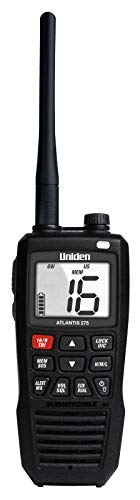
Uniden Atlantis 275 Handheld Two-Way VHF Marine Radio
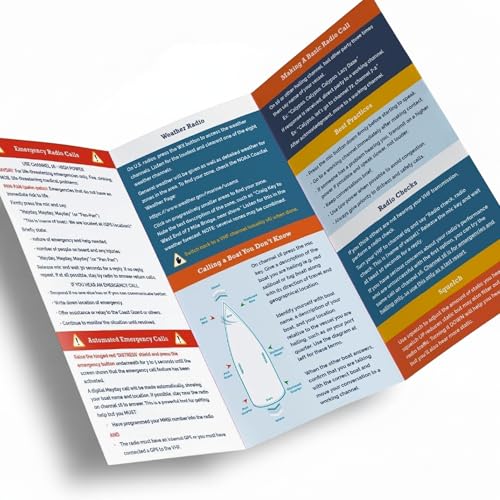
The Boat Galley Quick Guide for VHF Radio Marine
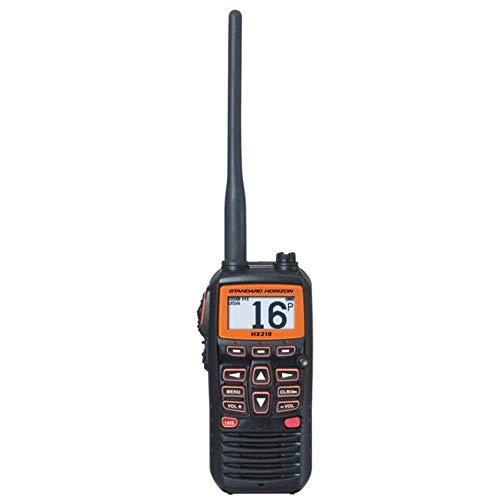
Standard Horizon HX210 6W Floating Handheld Marine VHF Transceiver
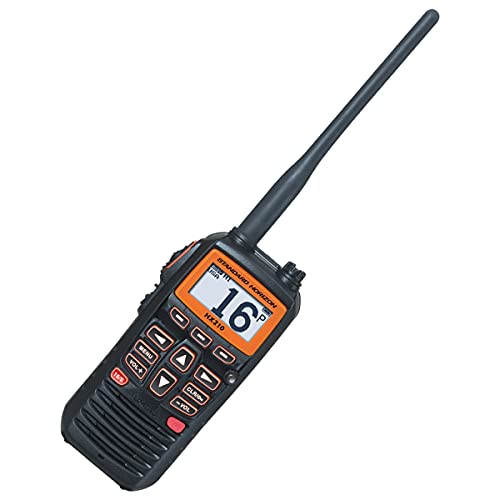
Standard Horizon HX210 6W Floating Handheld Marine VHF Transceiver

Retevis RM01 3W Marine Radio VHF IP67 Floating

Retevis RM01P 3.5W Marine Radio VHF IP67 Floating

Retevis RM21 5W VHF Radio Marine IP67 Floating

Icom M94D 21 USA VHF Marine Transceiver
More Details On Our Top Picks
The Atlantis 275 leans into practical range and water resistance without feeling stripped down. An IPX8 submersible build means it’s made for serious wet handling, and the floating body helps during dock work or kayak use. The larger dual-color screen should suit you better than tiny monochrome displays on the simpler picks.
Its 6-watt output and access to USA, international, and Canadian marine channels make it a flexible carry option for coastal trips and mixed boating plans. NOAA weather alerts add another layer of usefulness for day runs, though the larger feature set also means you’re carrying more radio than a bare-bones backup. That trade-off feels fair for boaters who want one handheld to cover many jobs.
Strong Points
- IPX8 submersion support suits wet decks and spray-heavy outings.
- Floating design adds a useful layer of security near water.
- Dual-color screen should be easier to read in changing light.
- 6-watt output gives you more headroom than the smaller 3-watt class.
- Channel access across USA, international, and Canadian bands broadens where it fits.
- NOAA weather alerts help during stormy coastal days or changing forecasts.
Things To Consider
- The feature set is richer than a minimal backup radio, so it isn’t the most stripped-down carry.
- Larger displays and added functions can mean a little more menu familiarity is needed.
- Anyone who only wants a simple dockside spare may find the extra capability more than necessary.
Feature Snapshot
Who It Suits Best
You get the most from this one on coast-hopping trips, mixed-location boating, or any setup where a tougher handheld earns its keep.
Where Another Pick Suits Better
The Boat Galley Quick Guide for VHF Radio Marine is a smarter companion for first-time users who want a fast reference more than a full radio feature set.
This isn’t a radio, but it belongs in the conversation because handheld VHF use gets much easier with a clear reference nearby. The guide covers the phonetic alphabet, channel use, emergency calls, safety calls, radio checks, weather radio, squelch, and power selection, so you’re not guessing under pressure. Bright colors and large type make that help quicker to find in a cockpit bag or cabin drawer.
For new boaters, the appeal is simple, less fumbling and fewer dead moments while you figure out what to say. Compared with a full radio like the Uniden Atlantis 275, this is the lighter, cheaper-feeling kind of help that lives beside the handset instead of replacing it. It’s handy on charter boats, family outings, and any boat where more than one person may need a refresher.
Highlights
- Covers everyday VHF topics in a compact format.
- Large type helps you scan for answers quickly.
- Bright color layout makes the pages easy to spot.
- Useful for refreshers before docking, checking in, or calling weather.
Areas To Watch
- It supports learning, not voice communication on its own.
- Pocket-size convenience means there’s less room for deep instruction than a full manual.
- Boats that already carry a crew expert in VHF basics may need less from it.
Core Details
Who Should Grab It
You’ll get the most value from this guide as a new boater, a charter guest, or anyone who wants a quick VHF reference within arm’s reach.
Swap It Out When
Standard Horizon HX210 6W Floating Handheld Marine VHF Transceiver makes more sense once you need an actual radio with charger hardware rather than a learning aid.
The HX210 lands in a sweet spot for people who want a no-drama handheld with enough output for regular boat use. It floats, and the box includes the antenna, a rapid charger cradle, and documentation, so the setup path looks cleaner than with basic radio-only listings. The 6-watt class also puts it in the same practical lane as the Uniden Atlantis 275, though the feature story here is more straightforward.
The 3-year waterproof warranty listed in the source data gives it a strong trust signal for owners who keep gear on the water often. That said, the appeal here is less about bells and whistles and more about dependable carry, clear parts support, and a charger cradle you can leave on board. For most weekend skippers, that’s enough to matter.
What We Like
- 6-watt output suits standard handheld marine use.
- Floating design adds practical peace of mind near the dock.
- Box includes antenna, charger cradle, and documentation.
- Cleaner accessory bundle makes it easier to get set up on the boat.
- Three-year waterproof warranty stands out as a strong ownership detail.
Worth Noting
- It focuses on core radio function rather than extra feature stacking.
- The package is useful, though not as packed with advanced extras as the Icom M94D 21 USA VHF Marine Transceiver.
- For casual dockside use, the 6-watt class may be more radio than you need.
Technical Sheet
Made For
This fits boaters who want a reliable floating handheld with a tidy accessory bundle and a fairly simple learning curve.
Reach For A Different Pick When
Retevis RM21 5W VHF Radio Marine IP67 Floating suits you better if clearer voice handling matters more than a straightforward bundle.
Same HX210 family, but this listing stands out for the service and coverage notes in the source data. That makes it feel like a steadier pick for people who want the radio itself plus a safety net around the purchase path. In use, the 6-watt floating design should feel familiar to anyone who liked the earlier Standard Horizon model.
The trade-off is simple, you’re not getting a long list of headline extras here. What you are getting is a practical handheld class and the kind of repair coverage that can soften the usual worries around drops, spills, and breakdowns. For a boat bag that sees seasonal use, that sort of backing is reassuring.
Bright Spots
- 6-watt output keeps it in the useful handheld range.
- Floating body is helpful for dock, tender, and kayak work.
- Coverage notes point to broad repair support for mishaps and breakdowns.
- Good fit for routine carry on boats that want a dependable spare.
Softer Spots
- The listing focuses on support coverage more than detailed feature extras.
- Owners who want channel expansion or advanced communication tools may prefer the Icom M94D 21 USA VHF Marine Transceiver.
- Like many floating radios, it still needs routine care after saltwater exposure.
Details At A Glance
The Right Fit
You’ll appreciate this one most as a routine boat radio with support-minded ownership, especially for family boats and seasonal use.
Where A Sibling Pick Shines
Uniden Atlantis 275 Handheld Two-Way VHF Marine Radio gives you more visible feature depth, which suits you better for mixed coastal travel.
The RM01 looks built for smaller craft, especially kayaks where every ounce of bulk matters. IP67 floating protection, vibration drainage, and the dual-color screen make it feel more thought-through than a stripped toy radio, though the 3W output keeps it in the lighter-duty bracket. Five AAA batteries also tell you a lot about the intended use, quick replacement over built-in recharge convenience.
Its 88-channel support across US, Canada, and international use adds flexibility for casual coastal trips and lake time. Tri-watch is useful because it lets you monitor more than one channel pattern while you do other things on deck. Compared with the HX210 models, this one feels more compact and less ambitious, which is exactly the point for short outings.
Positives
- IP67 floating build fits wet kayak and small-boat use.
- Vibration drainage is a smart touch after splashes or spray.
- Dual-color screen can be easier to follow in changing light.
- Tri-watch adds useful monitoring flexibility for active outings.
- AAA battery power is convenient for quick replacement on the go.
Points To Note
- 3W output is lighter duty than the 5W and 6W models in this roundup.
- AAA cells are handy, though you’ll need to keep spares on hand for longer days.
- The smaller footprint is practical, but not as feature rich as the Uniden Atlantis 275.
Feature Rundown
Whose Shelf It Belongs On
This fits paddlers, lake cruisers, and casual boaters who want a small floating radio with no awkward bulk.
Look Elsewhere When
Retevis RM01P 3.5W Marine Radio VHF IP67 Floating makes more sense if USB-C charging and a longer battery span matter more.
USB-C puts this Retevis model in a friendlier lane for people who already carry modern charging cables. The 15-hour battery claim, paired with floating IP67 construction, makes it a decent fit for day outings on lakes, fishing trips, and water sports where convenience matters as much as durability. It also keeps the same compact spirit as the RM01, but with a little more output and a cleaner charging story.
Global channel support and NOAA weather alerts round out the package, while vibration drainage helps after splashes or a wet deck. The 3-watch feature gives you a useful monitoring layer without turning the radio into a complicated gadget. For travel and mixed use, that balance is easy to live with.
Plus Points
- USB-C charging is easier to manage with modern gear.
- 15-hour battery claim supports longer day use.
- Floating IP67 design fits wet, active boating days.
- Global channel support broadens where the radio makes sense.
- 3-watch monitoring adds convenience for multitasking on the water.
Room For Improvement
- 3.5W output stays in the lighter power class.
- For louder or more crowded boat traffic, the Retevis RM21 5W VHF Radio Marine IP67 Floating offers more transmit muscle.
- Travel users still need to keep cables and charging access organized.
Spec Overview
Best Suited To
You’ll appreciate this model most for travel, fishing, and water-sports days where a compact charged-up radio makes life easier.
Where A Sibling Pick Shines
Uniden Atlantis 275 Handheld Two-Way VHF Marine Radio fits better for you when higher output and a larger display matter more than USB-C convenience.
The RM21 looks aimed at noisier boating environments where voice clarity starts to matter more than simple portability. A 1-press AI noise reduction function is the headline here, and in plain terms that means the radio is designed to cut down background clutter in your transmissions. Pair that with 5W output and IP67 floating construction, and you get a stronger all-around tool than the lighter RM01 and RM01P.
The 1800mAh battery gives this model a more serious endurance profile on paper, which should help on longer coastal runs or full fishing days. Global channels and NOAA weather alerts keep it versatile, while the yacht-focused positioning makes sense for users who spend time around engines, wind, and open water chatter. It’s not tiny, but the voice-focused tuning is the reason to notice it.
Reasons To Buy
- Noise reduction is useful in louder cockpit and deck settings.
- 5W output is stronger than the 3W and 3.5W Retevis models.
- 1800mAh battery points to better day-long staying power.
- Floating IP67 build suits working boat environments.
- Global channels and weather alerts add broad use-case flexibility.
Minor Gripes
- The extra voice-processing focus may feel unnecessary for very quiet lake use.
- Users who want the most feature-dense package may still prefer the Uniden Atlantis 275.
- Noise-reduction features can help clarity, though they also add another setting to learn.
Core Details
Who Will Love This
You’ll like this most on louder boats, coastal fishing trips, and travel days where voice clarity deserves a higher priority.
Another Choice May Suit
Standard Horizon HX210 6W Floating Handheld Marine VHF Transceiver is the steadier fit for shoppers who want a simpler brand story and included charger cradle.
The M94D sits at the more advanced end of this lineup because it adds DSC and AIS receiver support. DSC means digital selective calling, a feature used for direct radio calls, while AIS stands for automatic identification system, a way of receiving vessel identity and movement data. In practical terms, that puts this model closer to serious navigation-minded use than the simpler handhelds from Uniden, Standard Horizon, and Retevis.
Source data labels it for the USA channel set, which matters for domestic marine use, and the extra receiver functions make the price of entry easier to explain. For offshore-minded boaters, captains, or anyone who wants more situational awareness from a handheld, this is the clear step-up item. The honest read is that it’s more radio than casual lake use needs, but that’s exactly why it stands apart.
Upsides
- DSC support adds a more advanced calling method.
- AIS receiver support helps bring in nearby vessel data.
- USA channel set keeps the focus clear for domestic use.
- Best suited to users who want more navigation-minded information in a handheld.
Honest Caveats
- It asks for more budget than the simpler floating options.
- Casual weekend boaters may not use the extra receiver features often.
- Its value depends on whether you actually want DSC and AIS in a handheld format.
Feature Card
Perfect Match For
You’ll get the strongest fit from this model as an offshore, navigation-minded handheld for serious boating use.
Skip It When
Uniden Atlantis 275 Handheld Two-Way VHF Marine Radio makes more sense for casual coastal use where a bigger screen and weather alerts are enough.
How To Choose The Right Handheld Marine Vhf Radios
Power, Range, And Real Use
Transmit power matters because it shapes how confidently you can call from a small boat, a crowded marina, or a longer coastal run. The 3W and 3.5W models suit shorter, lighter-duty use, while 5W and 6W options give you more headroom for noisy or wider-area communication.
Range still depends on terrain, antenna setup, and conditions, so the honest move is to match the radio to your boating pattern instead of chasing the biggest watt figure. Dockside check-ins, kayak trips, and lake outings usually need less than offshore-style sailing. That’s why a compact set can be enough for one person and still feel thin for another.
Water Protection And Float Design
Look closely at the water rating and the shape of the radio body. IP67 and IPX8 ratings point to better resistance against wet handling, and floating construction can save you a headache during a slip near the dock or over the side of a dinghy.
The trade-off is size and complexity, because tougher housings and larger displays can take up more space in a pocket or pouch. For kayak anglers and small-boat crews, that matters a lot. For cabin boats, the extra bulk usually feels less bothersome.
Battery Style And Charging Habits
Battery design changes daily ownership more than many shoppers expect. USB-C is convenient for travel and modern gear bags, while AAA-powered units are easy to restock before a short trip. Built-in battery capacity, such as 1800mAh, also helps you judge how often the radio will need attention.
Think about where the radio will live, on a charger cradle, in a dry box, or in a day bag. A quick-replacement battery setup is handy for casual use, while a recharge-focused model suits people who keep one charger on board. Less friction usually means the radio gets used more.
Extra Features That Actually Help
Weather alerts, tri-watch, channel breadth, and voice-cleanup tools are worth attention because they reduce small annoyances in real boating life. NOAA weather support helps when forecasts shift, tri-watch keeps multiple channels in view, and noise reduction can make engine-heavy conversations easier to follow.
DSC and AIS raise the capability level even more, but they only make sense when you want a more advanced communication setup. A weekend pontoon owner may never need them, while an offshore skipper could see them as worth the step up. The right call comes from your route, not from the longest feature list.
Things Worth Knowing First
Mistakes Worth Dodging
Many shoppers start with output alone and miss the details that shape daily use. A radio can have solid wattage and still frustrate you if the screen is hard to read, the battery setup is awkward, or the body doesn’t suit your boat.
Another common slip is buying a radio with more capability than your trips call for. A simple lake cruiser rarely needs advanced receiver functions, while a coastal skipper may regret choosing a bare-bones set that lacks weather support. Match the tool to the trip.
When Paying More Pays Off
Higher-tier models usually cost more because they add stronger transmit power, more resilient housings, larger displays, or advanced functions like DSC and AIS. You’re also paying for comfort details such as charger cradles, clearer screens, and more flexible channel support.
That extra spend makes sense when the radio will see frequent wet use, longer days, or heavier traffic. A premium handheld can feel like a better long-term fit for captains and serious coastal users, while casual boaters often do fine with a simpler unit. The upgrade is about fit, not bragging rights.
Closing Thoughts
You have a clear spread here, from simple reference help to feature-rich handhelds that suit bigger boating needs. The Uniden Atlantis 275 and Icom M94D 21 USA VHF Marine Transceiver sit at opposite ends of the capability curve, while the Standard Horizon and Retevis models cover the middle with useful compromises. For most people, the right choice comes down to how often you’re on the water, how wet the radio will get, and whether you want basic voice contact or more advanced tools. Pick the one that matches your boat life, and the rest gets easier.