
Handheld radios matter most when a phone signal thins out, power gets shaky, or your group needs a simple way to stay in step. You want something that charges cleanly, holds up in rough storage, and matches the kind of emergency planning you actually do, not a fantasy setup.
This roundup focuses on eight radios and weather sets that make sense for home kits, vehicles, camps, and outage prep. You’ll see where each one fits, what it does well, and where the trade-offs show up once it leaves the product page.
Quick Look At The Shortlist
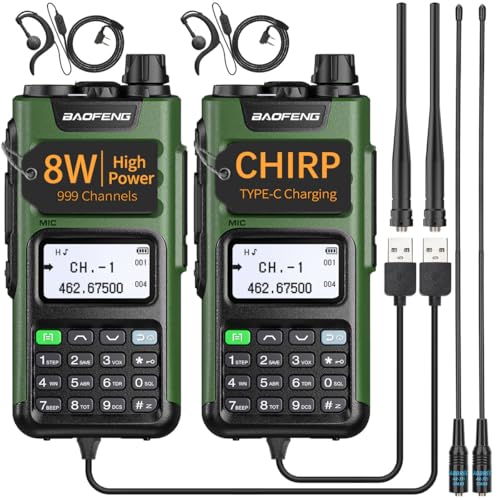
BAOFENG GM-15 Pro GMRS Handheld Radio 2-Pack

BAOFENG UV-5G Plus GMRS Handheld Radio 2-Pack

BAOFENG 5RM 10W Handheld Long Range Radio

BAOFENG K5PLUS Radio Ham Radio 10W

BTECH GMRS-V2 5W GMRS Two-Way Radio

TIDRADIO TD-H9 10Watt GPS/APRS GMRS Handheld Radio

Roxicosly Emergency Weather Radio 12000mAh

OnLyee Emergency Radio 12000mAh
More Details On Our Top Picks
This two-pack fits neatly into a family kit, because GMRS works best when you want straightforward group communication without overcomplicating setup. The included earpiece helps in noisy spaces, and the USB-C charging keeps it aligned with the same cables you likely already carry for other gear.
Compared with the more feature-heavy TIDRADIO TD-H9 later in the list, this BAOFENG stays closer to the basics. That makes it easier to hand to a spouse, teen, or camping partner who just needs a radio that feels familiar after a short briefing.
Strong Points
- The two-radio pack makes it easier to split duties across home and vehicle.
- GMRS support suits simple group use, especially for family comms around camp or during outages.
- USB-C charging reduces cable clutter in a prep box, which helps during short-notice packing.
- The earpiece supports quieter use in shared spaces where speaker volume would be annoying.
Worth Noting
- The design leans practical rather than polished, so don’t expect a premium shell feel.
- Range always depends on terrain, so wooded property or dense neighborhoods can narrow expectations.
- A two-pack helps a lot, but it also means you’ll want a tidy storage spot for both units and charging leads.
Feature Snapshot
Who It Suits Best
Family-oriented prep kits and casual outdoor use fit this radio well, especially for anyone who wants GMRS without a steep learning curve.
A Better Fit Elsewhere
BAOFENG UV-5G Plus GMRS Handheld Radio 2-Pack suits you better when programming flexibility matters more than keeping the setup simple.
The UV-5G Plus is the more tinkerer-friendly BAOFENG here, with CHIRP compatibility and a long 15.5-inch antenna that signals a more adjustable setup. In a prepper drawer, that matters because you can fine-tune channel management instead of living with a fixed layout.
Compared with the GM-15 Pro, this one asks for a little more attention but gives back more control. It suits you best when your camp group, trail convoy, or rural property plan benefits from a radio that can be set up to match your own routine.
What We Like
- CHIRP compatibility opens the door to more organized programming on a computer.
- The repeater-capable design can help extend practical coverage in the right setup.
- USB-C charging keeps the charging routine easy to manage in mixed gear bags.
- The 2-pack gives you a matched pair for pairwise communication right away.
- The long antenna may help in open areas where reach matters more than pocket size.
Areas To Watch
- A 15.5-inch antenna is less convenient for tight storage or pocket carry.
- Programming tools help a lot here, so it’s not the simplest option for someone who wants zero setup.
- The more adjustable nature of the radio also means a bit more homework before everything feels dialed in.
Details At A Glance
Who Will Love This
Prepper setups that rely on custom channels and repeatable programming suit this radio better than a barebones handheld.
Swap It Out When
BAOFENG GM-15 Pro GMRS Handheld Radio 2-Pack fits better for anyone who wants a simpler radio with less setup time.
For you, this one stands out because it combines 10W output with a pair of antenna lengths, including a compact 6.1-inch option and a longer 15.12-inch 771 antenna. That kind of flexibility matters when you’re moving between vehicle use, field work, and a shelf in the gear room.
Compared with the UV-5G Plus, the 5RM feels more straightforward on the surface but still offers a strong feature set for emergency-minded use. The honest read is that the larger antenna may be more awkward to store, though it often makes sense for people who value reach over pocket convenience.
Highlights
- 10W output puts it in a stronger power bracket than the earlier 8W model.
- Two antenna lengths let you choose between compact carry and a more extended setup.
- NOAA support helps you follow weather updates during storm prep or travel.
- The 2500mAh battery fits into a recharge routine that’s easier to plan around.
Minor Gripes
- The longer antenna adds length, so storage in smaller kits takes a little planning.
- A stronger feature set can also mean more menu time before everything feels familiar.
- Single-unit packaging works for solo setups, but you’ll need another radio for a true pair.
Core Details
Built With In Mind
Trail users, hunters, and emergency kit builders who want more transmitter headroom tend to get the most from this radio.
Where A Sibling Pick Shines
BTECH GMRS-V2 5W GMRS Two-Way Radio suits you better when weather resistance and channel tailoring matter more than raw output.
The K5PLUS leans into signal reach with its extra high-gain antenna, which can stretch to 15.35 inches and flex into shape more easily than a shorter fixed stick. That makes it a sensible step up for preppers who spend more time on acreage, along fence lines, or in uneven terrain.
Compared with the 5RM, the trade-off is mostly about fit and handling, not a huge shift in mission. You may find it more useful when antenna placement matters more than minimal carry size, and that’s a fair trade in a roadside kit or base camp bag.
Bright Spots
- The included high-gain antenna is the headline reason to look here.
- Its flexible design makes it easier to adjust the radio’s physical profile in the field.
- 10W output gives it plenty of headroom for a handheld in this group.
- NOAA weather support keeps it relevant during storm planning and travel watch duty.
Points To Note
- The longer antenna can feel awkward in smaller organizers or glove compartments.
- Because the antenna is the main draw, the rest of the package is best judged as a straightforward support system.
- More length usually means more attention to storage, especially in packed emergency bins.
Feature Card
Whose Shelf It Belongs On
You’ll get the most from this radio when your prep space favors reach and antenna flexibility over compact size.
Another Choice May Suit
BAOFENG GM-15 Pro GMRS Handheld Radio 2-Pack suits family kits better if you want two radios and a simpler setup path.
This BTECH feels like the more polished GMRS choice in the group, especially because of its IP54 weatherproof rating and dual-band scanning support. IP54 means it’s built to shrug off limited dust ingress and light moisture, which is useful in a truck console, garage shelf, or damp campsite.
Compared with the BAOFENG options ahead of it, this one gives you a more organized, less rough-edged ownership experience. It suits prepper setups that prioritize channel planning, weather awareness, and a radio you can keep around without treating it like delicate gear.
Upsides
- 200 customizable channels make it easier to segment different routes, groups, or fallback plans.
- IP54 weather resistance adds peace of mind in wet or dusty storage spots.
- USB-C charging keeps the daily routine simple and familiar.
- Repeater compatibility helps it fit more serious GMRS plans.
- FM radio and NOAA weather broadcast support broaden its everyday usefulness.
Small Caveats
- Five watts is more modest than the higher-output handhelds in this list.
- The richer feature set can take a little time to sort out the first time around.
- Weatherproofing helps, but you still want sensible drying and storage habits after wet use.
Spec Overview
Made For
Home base prep kits and organized GMRS setups fit this radio well, especially when durability matters as much as channel control.
Reach For A Different Pick When
TIDRADIO TD-H9 10Watt GPS/APRS GMRS Handheld Radio suits you better if navigation tools and message functions matter more than weatherproofing.
The TD-H9 is the most capability-packed pick here, with GPS, APRS, text messaging, spectrum analysis, Bluetooth programming, and web-based updates. GPS gives location awareness, APRS is an amateur-radio messaging and position-sharing system, and spectrum analysis helps you inspect crowded signal conditions before you settle on a channel.
Compared with the simpler BAOFENG models, this one feels built for a prepper who likes data and control. The trade-off is complexity, so it suits you best when you’re comfortable learning menus and want a radio that can do more than basic voice duty.
Best Bits
- GPS and compass tools add location awareness for travel and field planning.
- APRS support expands the radio’s communication role beyond plain voice use.
- Text messaging can help in settings where short written notes are easier than voice.
- Bluetooth programming and web upgrades make ongoing setup feel more modern.
- Spectrum analysis gives you a clearer sense of channel congestion before you transmit.
- AM, FM, and NOAA coverage broaden the listening side of the radio.
Honest Caveats
- The feature depth means a steeper learning curve than the more basic radios above.
- More modes and menus also mean more time spent setting it up the way you want.
- For pure family voice comms, some of its power may simply be more than you need.
Technical Sheet
Best Suited To
Tech-comfortable preppers, ham hobbyists, and anyone building a more advanced field comms kit fit this radio well.
Look Elsewhere When
BTECH GMRS-V2 5W GMRS Two-Way Radio is the calmer choice for users who want simpler operation and weatherproofing.
This Roxicosly radio takes a different path from the handheld comms above, because it focuses on weather coverage, self-charging, and household outage support. The large solar panel, hand crank, and 12000mAh battery make it a sensible shelf companion for storms, travel backups, or a car kit that might sit untouched for long stretches.
You also get an LED flashlight, reading lamp, SOS alarm, and phone-charging support, which makes the unit feel more like a compact emergency station than a simple broadcast radio. That broad utility is useful, though the larger footprint means it belongs more on a shelf or table than in a pocket.
Reasons To Buy
- The solar panel and hand crank give you multiple ways to refill power.
- A 12000mAh battery can support longer downtime between charging sessions.
- AM, FM, and NOAA coverage keep the radio useful for weather and general listening.
- The flashlight and reading lamp help when power is out and the room goes dark.
- Phone charging support adds real value in a home emergency station.
Room For Improvement
- It is larger than the handheld voice radios, so storage takes more room.
- The broader feature mix makes it better for backup duty than for carry-on use.
- Keeping the crank and panel clean will help it stay pleasant to use over time.
Core Details
The Right Fit
Households building a storm shelf, power outage kit, or cabin backup station fit this radio especially well.
Where A Sibling Pick Shines
OnLyee Emergency Radio with Hand Crank & Solar suits smaller storage spaces better because it keeps the same emergency idea in a more compact body.
OnLyee trims the emergency-radio formula into a smaller form while keeping the same core ingredients: 12000mAh capacity, solar charging, hand crank support, and NOAA alerts. The 8500mm² solar panel is a useful detail because a larger panel area can help the radio gather more light in the situations where solar backup matters most.
Compared with the Roxicosly unit, this one feels easier to stash in a compact kit or closet shelf. You still get AM, FM, and WB support, plus a 5W flashlight, reading light, and 120dB SOS alarm, so it stays practical without taking over the whole storage bin.
Highlights
- The smaller body makes it easier to keep in a tight emergency drawer or go-bag.
- Solar and crank charging give you more than one way to keep it ready.
- NOAA weather alerts keep it useful during severe weather planning.
- The 120dB SOS alarm adds a loud attention signal for emergency setups.
- AM, FM, and WB support broaden the listening side beyond weather duty.
Things To Consider
- Compact size usually means less room for big controls, so handling can feel a bit tighter.
- The radio is easier to store than the larger Roxicosly option, but it also gives up some bulk for that convenience.
- Keeping the solar surface clean helps preserve the value of the panel area.
Quick Facts
Who Should Grab It
Small-space preppers and anyone building a compact outage kit will get the most from this radio.
Skip It When
Roxicosly Emergency Weather Radio 12000mAh fits better for you if a larger body and more table-friendly layout matter more than compact storage.
How To Choose The Right Handheld Radios For Preppers
Start With The Job, Not The Spec Sheet
A radio built for family check-ins does not need the same feature load as a unit for vehicle convoys or ham hobby use. GMRS models keep voice comms simple, while advanced radios like the TIDRADIO TD-H9 add GPS, APRS, and message tools that matter more to technical setups.
Channel count helps only when you actually plan to organize contacts or use different zones. For a small home kit, a clean interface and USB-C charging may matter more than chasing the highest power number on the box.
Match Power And Antenna Length To Your Space
Higher wattage can help in open terrain, but it won’t fix dense walls, hills, or heavy metal obstructions. The BAOFENG 5RM and K5PLUS lean into stronger output and longer antennas, while the GM-15 Pro keeps things easier to store.
Long antennas often help with reach, yet they can feel awkward in glove boxes, daypacks, or compact bins. That’s the trade-off, a bit like carrying a larger flashlight that makes storage less tidy but gives you more to work with.
Think About Charging, Weather, And Storage
USB-C is a practical detail because it reduces cable clutter and fits more modern power banks. Weatherproofing, such as the IP54 rating on the BTECH GMRS-V2, matters for damp garages, truck storage, and rough field use.
For outage kits, radios with solar panels, hand cranks, and larger batteries belong in a different lane from the handheld voice units. They serve as shelf-ready backup tools, while the two-way radios earn their place through fast coordination and clearer group communication.
Choose The Level Of Complexity You Can Live With
Some prepper radios feel easy on day one, then become frustrating later because the menu system is too bare or too fussy for your habits. You’ll usually be happier picking the model that matches your comfort with programming and channel management.
A simple two-pack suits families and casual camp use. A feature-heavy unit makes more sense for tech-minded users who want more control and are willing to spend time setting it up properly.
Things Worth Knowing First
Common Shopping Slip Ups
It’s easy to overbuy power and underbuy usability. A strong handheld with a long antenna can still be a poor match for a small bag or glove box, and a feature-loaded radio can sit unused when the menu feels too busy.
Another common miss is forgetting the environment. Wet storage spots, crowded neighborhoods, and hilly property all shape how much value you actually get from the radio you choose.
When Paying More Pays Off
Higher-tier models usually spend the extra money on programming flexibility, weather resistance, added navigation tools, or better connectivity options. That’s why the TIDRADIO TD-H9 and BTECH GMRS-V2 feel more capable than the simpler BAOFENG units.
The upgrade makes sense when you want better channel organization, more durable housing, or tools that help you manage a larger comms plan. For a basic home outage drawer, that extra spend can be unnecessary, but for a serious prepper kit it often earns its place.
Closing Thoughts
The best handheld radio for your prep kit depends on how you actually use it, not just how impressive the feature list looks. A simple GMRS pair works well for family coordination, a weather radio earns its keep in outages, and a feature-rich unit belongs with users who want more control. Pick the model that fits your storage space, your comfort level, and the kind of emergencies you plan around. That’s the part that tends to matter long after the box is opened.