
Power cuts, rough weather, and long stretches away from the grid all make a handheld radio feel less optional and more practical. The right one keeps weather alerts, charging, and basic communication within reach, which matters most when your phone battery is fading fast. You also want a model that fits the way you travel, camp, or prep at home, because a survival tool that sits awkwardly in a drawer helps nobody. This roundup keeps the focus on useful features, honest trade-offs, and the kind of setup that makes sense in real life.
Quick Look At The Shortlist

Mesqool Solar Radio Emergency Hand Crank 12000mAh
Vokida Emergency Radio Hand Crank Solar 10000mAh/37000mWh

BAOFENG Radio 5RM 10W Handheld Long Range Walkie Talkies

Roxicosly Emergency Weather Radio with Large Solar Panel 12000mAh

OnLyee Emergency Weather Radio 12000mAh Solar Hand Crank NOAA Radio
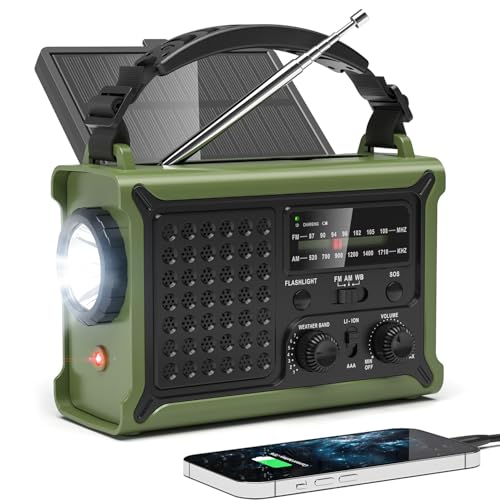
PPLEE Emergency Radio 12000mAh/44400mWh NOAA Weather Radio
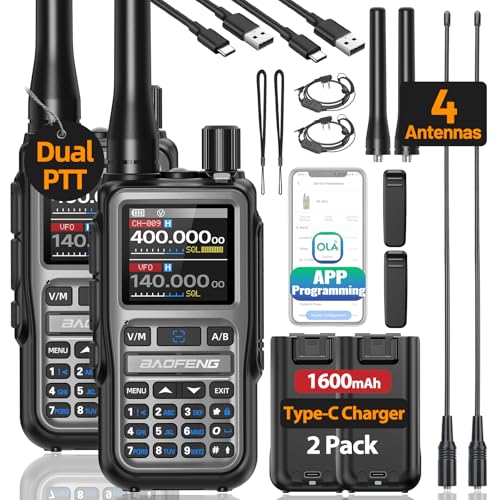
BAOFENG Radio UV-5R Mini Ham Radio Long Range Handheld Two Way Radio

Midland GXT67 5-Watt GMRS Two-Way Radio
More Details On Our Top Picks
The Mesqool model leans into backup confidence, with a 12000mAh battery, AM, FM, and NOAA coverage, and a hand crank for power in a pinch. That combination matters in a storm kit, because you can keep one item on the shelf for news, alerts, and basic charging without packing several separate devices.
In a house that loses power during summer storms, that 2-mode LED flashlight gives you a simple lamp-and-torch mix without taking much room. The trade-off is that the listing focuses on utility rather than polish, so you may prefer a slimmer radio from BAOFENG or Midland for more specialized use.
Strong Points
- 12000mAh capacity gives you a solid backup reserve for a household emergency kit.
- AM, FM, and NOAA coverage keeps routine listening and weather alerts in one place.
- The hand crank adds a useful charging path during long outages.
- 2-mode LED lighting helps around tents, hallways, or a dark kitchen.
- Dual outputs make it more flexible for charging more than one kind of device setup.
Things To Consider
- It reads more like a preparedness tool than a refined travel radio.
- The larger battery brings more usefulness, but it also suggests a bulkier carry profile.
- For daily commutes, a smaller handheld can feel easier to stash.
Feature Snapshot
Who It Suits Best
You get the most out of this pick as a home emergency radio for storm prep, especially around families that want one device covering alerts, light, and emergency charging.
A Better Fit Elsewhere
Midland GXT67 5-Watt GMRS Two-Way Radio suits off-road groups and moving vehicles more cleanly, since its focus is coordinated short-range communication rather than broad household backup.
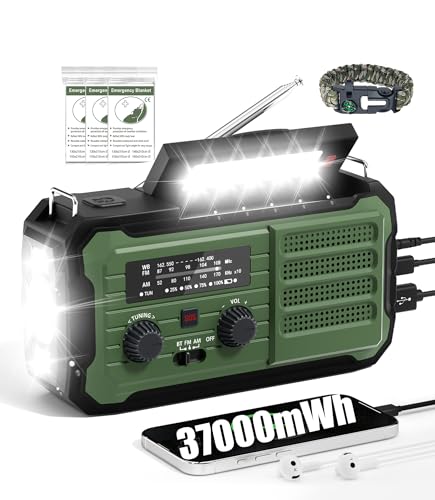
Vokida builds this around a 10000mAh, 37000mWh battery, so the focus is practical reserve without the heft of the bigger 12000mAh options. The included thermal blanket and survival bracelet shift it toward a compact emergency kit, which makes sense for a glove box, cabin shelf, or grab-and-go bag.
The honest read is that this one feels more like a starter kit than a do-everything command center. That works nicely for a weekend camper or a household that wants a backup radio with a few extra survival pieces already bundled in.
Bright Spots
- The battery size is still substantial for a compact emergency setup.
- NOAA, AM, and FM coverage keeps the radio useful beyond storm alerts.
- The thermal blanket and bracelet add readiness without extra shopping.
- It stores more easily than the larger, more equipment-heavy picks.
Softer Spots
- The bundled extras make it less minimal than a plain radio.
- For users who want the most radio-first feel, the add-ons may be more than necessary.
- It looks better suited to backup storage than daily carry.
Core Details
Made For
You fit this best as a practical emergency-kit shopper who wants a radio plus a couple of compact preparedness extras in one package.
Another Choice May Suit
Mesqool Solar Radio Emergency Hand Crank 12000mAh suits you better for home outage coverage, since it gives you a larger battery and broader household backup feel.
This BAOFENG pick moves away from emergency-radio simplicity and into serious two-way communication, with 10W output, 999 channels, and USB-C charging. For hunting camps, trail teams, or hobby operators who need more control, that extra range and channel depth can matter more than the flashlights and blanket-style extras found on the other picks.
The 6.1-inch and 15.12-inch antenna options make it more adaptable than a compact pocket radio, though the longer setup does ask more from your carry space. The honest trade-off is that it suits users who already understand handheld radio basics, because the feature set is deeper and a little less casual.
Upsides
- 10W output gives it a stronger communication focus than the emergency-only radios here.
- 999 channel capacity supports more flexible channel organization.
- USB-C charging is easier to live with during travel or at camp.
- Two antenna lengths add flexibility for different carry and reach needs.
- It makes sense for field use where two-way talk matters more than weather-only monitoring.
Areas To Watch
- The broader radio feature set asks for more familiarity from the person using it.
- It is less of an all-in-one storm kit than the Mesqool or Roxicosly radios.
- The larger antenna setup can feel awkward in a small daypack.
Feature Rundown
Best Suited To
You match this best as a hobbyist, field worker, or campground lead who wants a capable handheld two-way radio more than a simple weather backup.
Where A Sibling Pick Shines
PPLEE Emergency Radio 12000mAh/44400mWh fits you better for home outages, since it centers on weather listening, AC input, and basic emergency support rather than ham-style operation.
Roxicosly leans hard into multi-use emergency lighting, with a large solar panel, a hand crank, a 12000mAh battery, LED flashlight, reading lamp, SOS alarm, and phone charging support. That mix suits a garage shelf or cabin drawer especially well, because you get a radio that can handle more than just listening.
Compared with the Mesqool pick, this one spreads its value across more built-in tools, so the package feels busier but also more versatile. For most households, that extra reading lamp can be the quiet detail you remember on the first dark night.
Best Bits
- The large solar panel gives the charging system a stronger off-grid angle.
- AM, FM, and NOAA coverage keeps it relevant for weather and daily listening.
- The reading lamp helps in tents, bedrooms, or during late-night power loss.
- SOS alarm and phone charging add layers of practical emergency utility.
Worth Noting
- The larger feature set means a more crowded control experience.
- More built-in functions can also mean more to learn and manage.
- It makes more sense for preparedness storage than for a slim pocket carry.
Technical Sheet
Who Will Love This
You are the best match here if you want one emergency radio to cover alerts, light, and limited charging for a cabin, basement, or camper.
Skip It When
OnLyee Emergency Weather Radio 12000mAh Solar Hand Crank NOAA Radio fits you better for a more compact, army-green emergency setup with a simpler shape to store.
OnLyee keeps the formula focused, with a 12000mAh battery, an 8500mm² solar panel, a 5W flashlight, SOS support, and a phone charger. The army-green finish gives it a less gadget-like look than some of the brighter emergency radios, which may suit a vehicle kit or RV shelf a little better.
That larger solar surface matters most for people who plan to lean on daylight charging during camping or long outages. The trade-off is that the radio stays more utility-first than feature-packed, so you get clear purpose rather than lots of side extras.
Reasons To Buy
- The 8500mm² solar panel is a useful size for a radio in this class.
- 12000mAh capacity gives the unit real backup staying power.
- The 5W flashlight is practical for campsite walking or room use.
- Army green styling suits vehicle storage and general preparedness gear.
Small Caveats
- It is built around straightforward utility rather than lots of extras.
- For people who want an integrated lamp, Roxicosly gives more lighting variety.
- Day-to-day portability may feel secondary to shelf or vehicle storage.
Details At A Glance
The Right Fit
You fit this best as a camper, RVer, or home prep shopper who wants a straightforward emergency radio with a larger solar panel and no cluttered extras.
Reach For A Different Pick When
Vokida Emergency Radio Hand Crank Solar 10000mAh/37000mWh suits you better for a bundled emergency kit, since it adds a thermal blanket and survival bracelet around the radio core.
PPLEE stands out because it adds AC input to the usual hand crank and solar setup, so you can recharge from the wall and still keep backup options ready. That makes it especially handy in a house that wants a radio near the kitchen outlet during calm weather, then ready to move during outages.
The 12000mAh and 44400mWh figures point to a battery-first design, and the AM/FM plus NOAA mix keeps it useful beyond emergency alerts alone. The honest trade-off is that the stronger battery story may matter more than the styling, so you should expect practical rather than polished appeal.
Highlights
- AC input gives you a useful charging path that many backup radios skip.
- Hand crank and solar charging keep the power options flexible.
- AM/FM and NOAA coverage make the radio useful day to day.
- The battery capacity is well suited to routine emergency storage.
- It fits neatly into a home power-outage plan.
Room For Improvement
- The design leans toward function, not decorative appeal.
- For hikers, a smaller body can be easier to carry.
- The battery-focused layout may matter more than portable flair.
Quick Facts
Whose Shelf It Belongs On
You fit this best as a home preparedness shopper who wants wall-power convenience plus backup charging paths in the same radio.
Look Elsewhere When
BAOFENG Radio UV-5R Mini Ham Radio Long Range Handheld Two Way Radio suits you better for tighter carry and more compact two-way use.
BAOFENG trims the footprint down with the UV-5R Mini format, which is useful any time you want a handheld radio that disappears into a pack instead of taking over it. Dual PTT, app programming, frequency copy, 999 channels, and USB-C charging make it much more flexible than a basic emergency weather radio.
That flexibility comes with a small learning curve, though, and this is the point where casual storm-prep shoppers may prefer the simpler Mesqool or OnLyee picks. For radio hobbyists, event staff, or small team coordination, the compact shape is the whole appeal.
Best Bits
- The mini body is easy to stash in a pocket, pouch, or small pack.
- USB-C charging keeps the power side simple.
- 999 channels and frequency-copy tools add real setup flexibility.
- Dual PTT makes operation feel more streamlined in active use.
- NOAA weather support keeps it relevant outside hobby talk.
Minor Gripes
- The feature depth can feel busy for first-time handheld users.
- It is more communication tool than all-in-one emergency lantern.
- A compact radio like this often rewards a little menu familiarity.
Spec Overview
Perfect Match For
You fit this best as a radio hobbyist or compact-gear shopper who wants a small handheld with deeper control than a simple survival radio.
Swap It Out When
PPLEE Emergency Radio 12000mAh/44400mWh fits you better for wall-to-backup household use, since it leans harder into power options and home emergency readiness.
Midland’s GXT67 is the rugged choice in this group, with a 5-watt GMRS design, IP67 waterproofing, repeater capability, a rechargeable battery, and a hard case included. That makes it a strong match for convoy use, overlanding, or off-road weekends where dust, splash exposure, and rough handling are part of the plan.
Compared with the more general emergency radios, this one feels built around communication discipline and durability first. The catch is that its strength is specific, so it’s less about weather alerts and more about reliable team talk in harsh conditions.
Reasons To Buy
- IP67 waterproofing gives it a tougher field-ready profile than most of the shortlist.
- GMRS support suits organized group communication.
- Repeater capability helps extend usefulness in the right setup.
- The included hard case is useful for storage and transport.
- It feels especially well matched to vehicle-based travel.
Worth Noting
- It is more of a team communication tool than a classic emergency weather radio.
- For house-wide outage coverage, a model like Mesqool gives a broader backup feel.
- Its rugged focus may be more than casual weekend campers need.
Feature Card
Built With In Mind
You fit this best as an overlanding or off-road traveler who wants a rugged two-way radio for vehicle teams and trail communication.
Where A Sibling Pick Shines
Roxicosly Emergency Weather Radio with Large Solar Panel 12000mAh suits you better for household preparedness, since it packs in lighting and charging tools that matter more at home than on the trail.
How To Choose The Right Handheld Radios For Survival
Power Paths Matter More Than People Think
A survival handheld works best when it gives you more than one way to stay on. Hand crank input, solar panels, AC input, USB-C charging, and rechargeable batteries each solve a different problem, and the right mix depends on whether you’re planning for storm outages, roadside delays, or off-grid travel. A larger battery helps on the shelf, while a hand crank and solar panel help when the wall outlet is gone.
That trade-off shows up fast in real use. Bigger-capacity radios usually feel steadier for home prep, while smaller two-way sets like the BAOFENG UV-5R Mini make more sense for packing light. You get better results by matching the charge path to the way you actually store and carry the radio.
Match The Radio Type To The Job
Weather radios and two-way radios are not the same thing, even though both live under the survival umbrella. NOAA weather coverage helps you hear alerts and updates, while GMRS, ham, or other two-way systems are about talking to people in your group. That’s why Mesqool, Roxicosly, OnLyee, Vokida, and PPLEE lean toward emergency listening, while BAOFENG and Midland lean toward communication.
The honest read is that most households want weather monitoring first, then two-way features only when they have a clear use for them. Campers, trail teams, and hobby operators benefit from deeper channel control, but a kitchen drawer or car kit usually needs simpler operation.
Look Past The Battery Label
mAh is the battery capacity rating, and it only tells part of the story. A 12000mAh radio can still feel different from another 12000mAh model depending on flashlight modes, screen behavior, charging speed, and how often you plan to use the lamp or radio speaker. For long outages, reserve matters, but so does how conveniently you can recharge it.
That’s why feature balance matters. A model with AC input, like PPLEE, suits a home base better than a purely crank-and-solar unit, while a model with a larger solar panel, like OnLyee, better serves people who expect daylight charging. The best fit is usually the one that reduces your daily friction.
Storage, Durability, And Carry Style
Handheld radios for survival spend a lot of time waiting, so shape matters almost as much as electronics. A hard case, waterproof housing, or compact frame can make the difference between gear that stays ready and gear that ends up buried under towels or tools. Midland’s IP67 build speaks to rough transport, while the emergency radios with flashlights and alarms are better as household anchors.
For most garages, go-bags, and RV cabinets, easy storage wins. You want a radio that charges cleanly, fits where you’ll actually keep it, and doesn’t ask for a complicated setup every time the weather changes.
Things Worth Knowing Before You Choose
Mistakes Worth Dodging
Shoppers often fixate on battery size and forget about the job the radio actually needs to do. A huge battery does little good if you really need simple weather alerts, while a compact two-way set can be the wrong tool for a power outage at home. The cleaner path is to start with the use case, then match the features.
Another common miss is forgetting storage and charging habits. A radio that relies on solar alone can sit unused for months, and a heavier kit can be awkward to keep near the door or in a vehicle cubby. The easier it is to store, the more likely it stays useful.
What The Higher Tier Buys
Higher-tier models usually spend more on sturdier housings, broader charging choices, and more complete control sets. On the radio side, that can mean more channels, repeater support, stronger output, or a case that travels better in rough settings. On the emergency side, it often means extra lighting, larger solar surfaces, or an AC input path.
The upgrade makes sense when the radio is part of your actual routine, not just a backup item. Off-road groups, ham hobbyists, and households that expect repeated power interruptions tend to benefit most from the added flexibility. For casual storm prep, a simpler radio is often enough.
Final Thoughts
The best handheld radios for survival are the ones that match your real scenario, not the flashiest spec sheet. For home outage coverage, Mesqool, Roxicosly, and PPLEE feel especially practical, while BAOFENG and Midland make more sense for communication-focused use. Vokida and OnLyee sit comfortably in the middle for compact preparedness kits, and the UV-5R Mini suits you best when space is tight. Pick the radio that fits your storage space, your charging habits, and the kind of emergency you’re actually planning for.