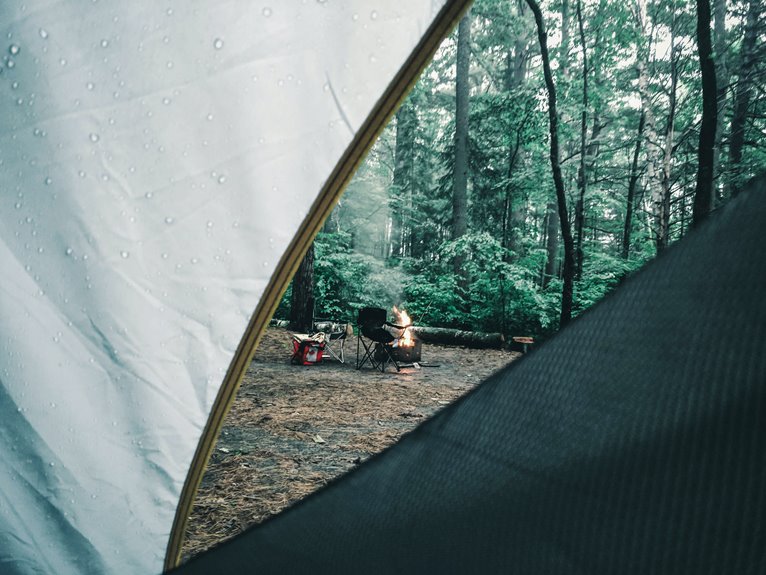

Handheld radios earn their keep in places where phones get patchy, crowded, or awkward to use. That means storm prep, job sites, marine outings, camping trips, and daily carry in a bag or glove box. You need something that fits your routine, holds a charge or takes simple batteries, and feels easy to handle under pressure. This roundup keeps the focus on practical use, not flashy claims.
Quick Look at the Shortlist

Solar Radio Emergency Hand Crank 12000mAh

BAOFENG UV-5G Plus GMRS Handheld Radio 2 Pack

SAMCOM FPCN30A Two Way Radios Long Range 5 Watts Walkie Talkies

Retevis RB48 IP67 Waterproof Walkie Talkies Long Range
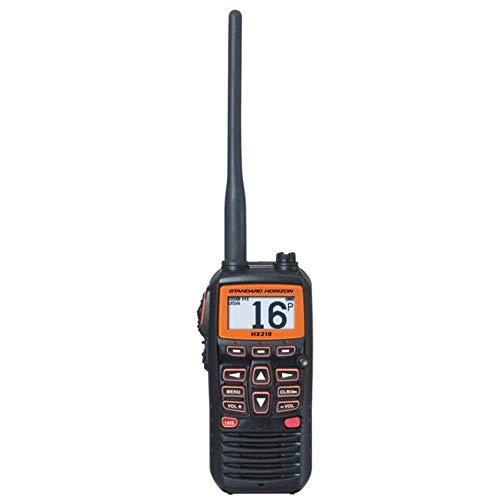
Standard Horizon HX210 6W Floating Handheld Marine VHF Transceiver

Coby Portable AM/FM Radio Retro Battery Operated Pocket Radio

Motorola Solutions T605_H2O Talkabout Two Way Radios Waterproof Walkie Talkie 2 Pack
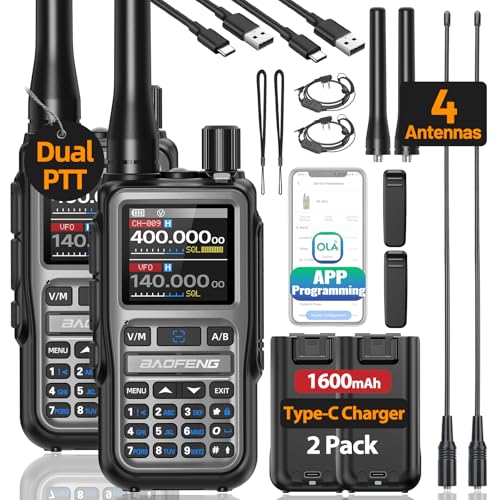
Baofeng Radio UV-5R Mini Ham Radio Long Range Handheld Two Way Radio
More Details On Our Top Picks
The big draw here is backup power, and that matters most during outages, long storms, or a weekend away from outlets. A 12,000mAh battery gives you much more breathing room than a tiny pocket radio, while the hand crank and solar charging add fallback options that feel reassuring in a kit.
The dual-output setup also makes sense for emergency bags, since you can keep one device powered and still charge another small item. The trade-off is size, because a battery this large usually means more bulk in a drawer or pack, so it suits preparedness-minded households more than minimalist carry.
Strong Points
- Large-capacity battery supports longer off-grid use.
- Hand crank and solar input add backup paths.
- AM, FM, and NOAA weather reception widen everyday usefulness.
- LED lighting helps during outages or campsite tasks.
- Dual outputs add practical charging flexibility.
Worth Noting
- Bulk is the main trade-off for the bigger battery.
- Emergency gear like this takes a little storage planning.
Feature Snapshot
Who It Suits Best
You’ll get the most from this in a home emergency kit, a cabin, or a glove box that needs a serious backup layer.
Where A Sibling Pick Shines
BAOFENG UV-5G Plus GMRS Handheld Radio 2 Pack suits campers and trail crews better, since voice-to-voice communication matters more than built-in lighting and charging backup.
This pair leans into flexibility, which is handy for camping groups, off-road convoys, or property work where two radios make more sense than one. The 999-channel setup and Chirp compatibility point toward users who like to organize channels carefully, and the USB-C charging makes day-to-day power management less fussy.
The 15.5-inch antenna is a sign that range and reception are part of the pitch, though the longer profile can feel awkward on a belt. That’s the trade-off here, more reach-minded hardware and more setup freedom, but a less pocketable shape than the Coby or the compact Baofeng UV-5R Mini.
What We Like
- Two-pack format works well for pairs or small teams.
- Chirp compatibility helps with channel setup and copying.
- USB-C charging is easier to handle on the road.
- GMRS format suits family outings and outdoor group use.
- Long antenna design supports a more range-focused layout.
Areas To Watch
- The taller antenna can be less convenient in tight carry setups.
- Feature depth comes with more learning than a simple travel radio.
- Best results depend on sensible channel planning.
Quick Facts
Made For
You suit this best if you manage group channels, travel in pairs, or want a radio setup that feels more configurable than basic.
A Better Fit Elsewhere
Coby Portable AM/FM Radio Retro Battery Operated Pocket Radio suits casual listeners better, since it stays simpler and lighter for pure broadcast listening.
Six radios in one box changes the math for crews, and that’s the point here. A 5-watt output is a useful clue for business teams that need stronger voice coverage than toy-grade walkie talkies, while the included earpieces help in noisy places like construction zones or warehouse aisles.
The 1,500mAh battery is decent for work shifts, though the larger six-pack format makes this less casual than a family-trip set. You’ll appreciate the group-call style setup most in team environments, and the honest read is that it makes more sense for coordinated work than for a solo hiker.
Highlights
- Six-pack bundle suits teams and shared use.
- 5-watt output gives the radio a work-focused profile.
- Earpieces help in loud environments.
- UHF design fits many jobsite and building scenarios.
- Rechargeable batteries reduce disposable battery hassle.
Minor Gripes
- The pack size is more than most households need.
- More units mean more charging to keep track of.
- Best value shows up in group use, not solo carry.
Core Details
Best Suited To
You fit this well if your crew needs several radios at once for construction, property work, or warehouse coordination.
Swap It Out When
BAOFENG UV-5G Plus GMRS Handheld Radio 2 Pack is the better fit for smaller groups that want more flexible personal setup rather than a bulk work bundle.
This set is built for rough workdays, and the IP67 rating makes that obvious right away. IP67 means it’s sealed against dust and can handle short water immersion, which matters on muddy sites, rainy docks, and jobs where gear gets knocked around.
Compared with the SAMCOM six-pack, this one feels more about toughness than headcount. The floating design, vibration alert, and large front PTT button all point toward quick use with gloves or wet hands, though the heavier-duty shell can feel a bit less casual in a pocket.
Upsides
- IP67 sealing adds serious weather and dust resistance.
- Floating design is reassuring near water.
- Large front PTT button is easy to hit with gloves.
- Vibration alert helps in loud work areas.
- NOAA support adds useful weather awareness.
- Four-pack format covers a small crew neatly.
Softer Spots
- Rugged construction usually adds some bulk.
- The feature set leans more worksite than casual use.
- Four radios may still be more than a single household needs.
Details At A Glance
Built With In Mind
You’ll appreciate this most on construction sites, marinas, farms, or outdoor jobs where dust and moisture are part of the routine.
Another Choice May Suit
Motorola Solutions T605_H2O Talkabout Two Way Radios Waterproof Walkie Talkie 2 Pack suits family trips better, since it stays a little lighter for casual emergency carry.
Boating gear asks for a different kind of reliability, and this handheld leans hard into that lane. The floating design is the headline here, because dropping a radio near water is less dramatic when the unit is made to stay recoverable, and the included rapid charger cradle helps keep it ready between outings.
The 6W output is a helpful clue for boaters who want a more assertive handheld, though marine radios also tend to reward users who already know the basics of channel use. In that sense, it feels more specialized than the Motorola pair or the simple Coby radio, which makes it a smarter match for dock days and small craft than for casual backyard listening.
Best Bits
- Floating design fits water-bound use very well.
- 6W output gives it a confident marine profile.
- Rapid charger cradle helps with dockside charging.
- Box includes the antenna and documentation.
- Marine VHF format suits boating communication needs.
Points To Note
- Marine radios are more specialized than general walkie talkies.
- Best use shows up on boats and near water.
- The bundle is geared toward function over casual convenience.
Core Details
Who Should Grab It
You suit this best if you boat often, keep a dinghy, or want a marine handheld that feels purpose-built rather than general-purpose.
Reach For A Different Pick When
Motorola Solutions T605_H2O Talkabout Two Way Radios Waterproof Walkie Talkie 2 Pack is the easier fit for family outings that stay on land.
Not every handheld radio needs channels, programming, or rugged shells, and this one keeps the idea refreshingly simple. It’s a pocket AM/FM set with a retro feel, strong speakers, and a claimed 800-hour battery figure, so it works well for travel bags, kitchen counters, and backup listening at home.
The 3.5 mm audio jack is useful for private listening, and the small size makes it easier to stash than the larger emergency or two-way picks above. The honest trade-off is that this is a broadcast radio, not a communication tool, so it fits listeners more than teams.
Reasons To Buy
- Simple AM/FM use keeps setup easy.
- Pocket size helps it disappear into a bag.
- Strong speakers suit shared listening at home or outdoors.
- 800-hour battery figure points to very light upkeep.
- 3.5 mm jack gives you a private listening option.
Room For Improvement
- It does not serve two-way communication needs.
- Those wanting weather or team channels need a different pick.
At A Glance
Perfect Match For
You’ll like this most for casual listening, travel, or a low-stress backup radio at home.
Look Elsewhere When
BAOFENG UV-5G Plus GMRS Handheld Radio 2 Pack is the better path for anyone who needs voice communication instead of broadcast reception.
This Motorola pair sits in a very practical middle zone, where a family can use it for trips without feeling buried in settings. The waterproof design and rechargeable build make it feel ready for camping, backyard projects, or emergency kits, and the 22-channel layout keeps communication straightforward.
Compared with the Retevis RB48, it feels less worksite-tough and more family-friendly, which is exactly why it fits a wider mix of day trips and preparedness bags. One thing worth considering is that the shape and channel setup reward a little familiarization, but the trade-off is a cleaner all-around package.
Plus Points
- Waterproof design helps in messy weather or near water.
- Rechargeable format is convenient for repeat use.
- 22 channels keep basic communication organized.
- Two-pack format suits family travel and shared backup.
- Orange and black housing is easy to spot in a bag.
Honest Caveats
- Users who want heavy-duty jobsite toughness may want the Retevis RB48 instead.
- Channel management takes a little learning at first.
Spec Overview
Who Will Love This
You suit this best if you want a dependable two-pack for family trips, emergency bags, or casual outdoor coordination.
Skip It When
Retevis RB48 IP67 Waterproof Walkie Talkies are the stronger fit for crews that need more rugged jobsite handling.
This one leans into the hobbyist side of handheld radios, which is why it suits more experienced users than casual emergency kit shoppers. The UV-5R Mini name matters because it suggests a smaller take on a well-known Baofeng style, while NOAA support, dual PTT, app programming, copy frequency, and 999-channel capacity point to a radio that expects you to tinker.
USB-C charging keeps the basics easy, but the real appeal is feature density rather than simplicity. Compared with the Coby or the Motorola pair, this is less about grab-and-go use and more about users who want control, flexibility, and a compact body that still carries a deep toolset.
Standout Traits
- Compact body carries a surprisingly deep feature set.
- 999 channels support extensive organization.
- App programming and copy frequency add setup flexibility.
- NOAA weather support makes it useful beyond hobby use.
- USB-C charging keeps powering simple.
Small Caveats
- Feature depth makes it less friendly for total beginners.
- The many controls suit tinkerers more than casual users.
- App-based setup may take some patience up front.
Feature Rundown
The Right Fit
You fit this best if you already know the basics of handheld radio use and want a compact model with more control.
Where Shoppers Go Wrong
Coby Portable AM/FM Radio Retro Battery Operated Pocket Radio is the saner choice for someone who only wants simple listening without programming.
How To Choose The Right Handheld Radios
Match The Radio To The Job
Start with the setting, because that decides almost everything else. A marine handheld like the Standard Horizon HX210 belongs on a boat, a rugged work radio like the Retevis RB48 fits dust and rain, and a simple AM/FM unit like the Coby makes more sense for listening than talking.
Channel needs matter just as much. GMRS, FRS, UHF, and marine VHF are different tools, and the best match is the one that suits your route, your group, and your day-to-day environment.
Check Power And Charging
Battery size shapes how often you think about charging, but the right answer depends on use. A 12,000mAh emergency unit gives you a very different experience from a smaller rechargeable handheld, and USB-C makes topping up easier for travel or shared gear bags.
Hand cranks, solar panels, and charging cradles add backup paths, which matters most in outages or on long trips away from outlets. Those extras can add size or setup steps, so the trade-off is convenience versus resilience.
Look Closely At Durability
Waterproofing and dust resistance matter more than many shoppers expect. IP67 on the Retevis RB48 signals stronger protection than a basic pocket radio, while a floating marine radio adds another layer of reassurance near water.
Military-style durability claims, glove-friendly push-to-talk buttons, and vibration alerts all point to rougher use. Those features usually make the radio larger or less subtle in a pocket, so they suit job sites and outdoor work better than casual home listening.
Think About Ease Of Use
Simplicity matters as much as range. A two-pack with 22 channels is easier to hand to family members than a 999-channel radio with app programming, while a pocket broadcast radio wins when you want fast, no-fuss operation.
That’s the cleanest way to avoid regret: choose the model that matches your comfort level, not just the spec sheet. A more complex radio can pay off, but only when you actually want the control it brings.
What To Weigh Before You Click
Mistakes Worth Dodging
Two easy missteps show up often in this category. First, people buy a communication radio when they only want music or weather updates, and second, they choose a simple listen-only radio when they actually need two-way talk.
Another common miss is ignoring size. A long antenna or rugged shell can be great in the field, but it feels clumsy in a daypack or coat pocket.
Where The Extra Money Goes
Higher-tier handheld radios usually spend that money on tougher housings, stronger water protection, better charging systems, and more advanced channel control. You also tend to get more usable extras, like charging cradles, earpieces, or programming options.
The upgrade is worth it when the radio lives outdoors, rides in a work bag, or needs to serve a group. For casual home listening, a simpler pocket model often does the job without the extra complexity.
Final Thoughts
Your best handheld radio depends on what problem you’re solving, not just how many features it lists. The Mesqool emergency radio makes sense for backup power, the Standard Horizon HX210 is the marine specialist, and the Coby keeps things easy for plain listening. For work crews, the SAMCOM and Retevis picks bring more toughness, while the BAOFENG models suit users who want more setup control. Match the radio to the setting, and you’ll end up with gear that actually earns space in your kit.