
Backpacking hats do a lot of quiet work. You want shade, packability, steady fit, and enough breathability to stay comfortable through climbs, campsites, and long breaks in the sun.
This roundup leans toward real trail use, not just shelf appeal. You’ll see simpler caps for lighter carry, broader brims for harsher exposure, and neck-flap styles for days when the sun feels relentless.
The Shortlist At A Glance

Columbia Mesh Snap Back

Columbia Mesh Snap Back

ZOORON Bucket Hat UPF 50+ Boonie Hat
Connectyle Outdoor UV Protection Safari Hat

Connectyle Outdoor UV Protection Safari Hat

Camptrace Wide Brim Men Sun Hat with Neck Flap
Camptrace Wide Brim Men Sun Hat with Neck Flap

Camptrace Wide Brim Men Sun Hat with Neck Flap
More Details On Our Top Picks
Mesh caps like this make sense for warm, low-drama trail days, especially when you want less bulk than a wide brim. The snap-back fit keeps things simple, and the lighter build should feel easier to stash beside snacks, a shell, or a map.
Compared with the brimmed hats later in this list, this Columbia option gives you a smaller profile and a more casual look. That trade-off matters on humid climbs, where less coverage can still feel worth it for airflow.
Strong Points
- Mesh construction should breathe well during steady hiking.
- Snap-back adjustment makes it easier to dial in fit.
- Small shape packs neatly inside daypack pockets.
- Works for camp chores, short walks, and town stops.
Things To Consider
- Coverage is lighter than the boonie and safari styles here.
- Open mesh leaves more skin exposed to direct sun.
- Light fabrics usually need occasional cleaning after dusty trips.
Feature Snapshot
Who It Suits Best
Trail walkers and casual backpackers who prefer a light, familiar cap will get the most from this one.
A Better Fit Elsewhere
ZOORON Bucket Hat UPF 50+ Boonie Hat suits hikers who want broader shade and a more protective brim.
This second Columbia listing sits in the same easygoing lane as the first, but it still works as a separate shortlist entry for shoppers comparing color or fit options. In most trail settings, the appeal is the same, a light cap you can wear without thinking much about it.
The honest read is that this style favors convenience over full coverage. That makes it a tidy match for shorter outings, road walks to trailheads, and backpackers who want less heat around the head.
What We Like
- Light feel keeps it unobtrusive under a hood or pack strap.
- Mesh layout helps reduce that closed-in cap feeling.
- Adjustable back strap gives you room to fine-tune fit.
- Easy to toss into a pocket between trail sections.
Room For Improvement
- It offers less sun coverage than the brimmed options.
- Casual cap styling may not suit every backcountry look.
- Dust and sweat can call for regular washing after active days.
Core Details
Made For
Backpackers who want a simple, casual cap for warm conditions will find this easy to live with.
Swap It Out When
Camptrace Wide Brim Men Sun Hat with Neck Flap makes more sense for hikers who want broader face and neck coverage.
Once you move from a cap to a boonie-style hat, the coverage story changes fast. This ZOORON pick brings a foldable shape and a broader brim, which helps on exposed ridgelines, open campsites, and beach-to-backcountry travel days.
The UPF 50+ rating describes fabric built to reduce ultraviolet exposure, and that matters most on long sunny stretches where shade is limited. You still trade away some compact simplicity, though the foldable design softens that a bit.
Upsides
- Broader brim gives you more face and neck shade.
- Foldable shape makes it easier to pack in a side pocket.
- Useful for hiking, fishing, beach walks, and travel days.
- Bucket-hat profile feels less bulky than some full safari styles.
Small Caveats
- More coverage can mean a slightly larger packed shape.
- Loose brim styles can feel fussier in breezy conditions.
- Light outdoor fabric usually needs a quick rinse after dusty use.
Details At A Glance
Perfect Match For
You’ll like this most for hot weather trekking, travel, and any route with a lot of open sun.
Look Elsewhere When
Columbia Mesh Snap Back is easier to live with for backpackers who prefer a smaller, cooler cap shape.
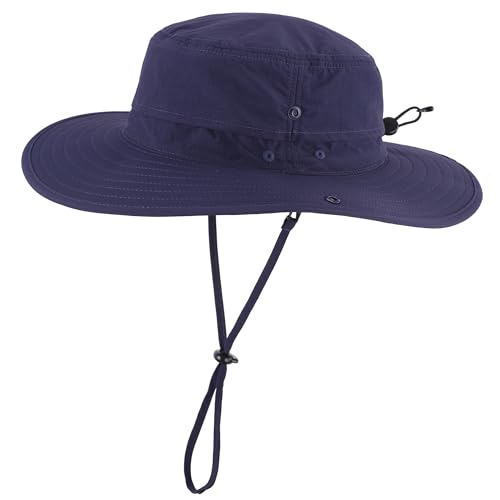
This Connectyle hat leans into a classic safari shape, which gives you a more structured look than the soft bucket-style ZOORON option. For long days that split time between trail, campsite, and gear handling, that steadier brim profile can feel reassuring.
Breathability matters here, because a brimmed hat can get warm quickly without some airflow. The trade-off is a little more visual presence on your head, so it suits backpackers who like coverage without a floppy silhouette.
Highlights
- Safari styling adds broader shade than a basic cap.
- Breathable build helps on warmer uphill stretches.
- Fits hiking, gardening, and fishing without feeling overly specialized.
- Works well for backpackers who prefer a cleaner, structured profile.
Worth Noting
- The wider brim can feel larger than a simple trail cap.
- Structured styles may take a bit more care when packed.
- Outdoor fabrics usually benefit from routine spot cleaning.
Spec Overview
Who Should Grab It
Backpackers who want a breathable brimmed hat for mixed outdoor use will appreciate this shape.
Another Choice May Suit
ZOORON Bucket Hat UPF 50+ Boonie Hat is easier to pack for hikers who want a softer, more compact profile.
This second Connectyle listing belongs in the same broad safari-hat lane, but it still earns a separate spot for shoppers comparing variants. The shape suits day hikes, garden work around camp, and backpacking routes where you want more coverage than a cap without moving into full neck-flap territory.
One thing worth considering is how much brim you actually want to carry through tight brush or windy overlooks. For most mixed-use trips, this style sits in a comfortable middle ground.
Best Bits
- Balanced brim coverage helps on sunny routes and rest stops.
- Breathable styling should feel comfortable in steady heat.
- Versatile enough for hiking, fishing, and camp chores.
- Simple profile makes it easy to wear all day.
Areas To Watch
- It is still larger than a cap in a crowded pack.
- Brimmed hats can need occasional reshaping after storage.
- Less enclosed coverage than neck-flap designs on exposed routes.
Feature Card
Best Suited To
You’ll get the most from this if you split your time between backpacking, fishing, and general outdoor chores.
Where A Sibling Pick Shines
Columbia Mesh Snap Back is easier to carry for hikers who want the lightest, least bulky headwear here.
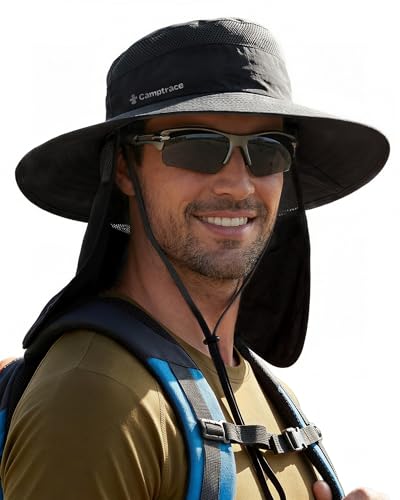
Neck-flap hats solve a different problem than the earlier caps and safari styles, because they add coverage where sunburn tends to sneak in. Camptrace builds this one from lightweight nylon, and that matters on long, hot routes where heavier fabric can start to feel tiring.
The sweat-wicking band helps manage moisture around the forehead, while the adjustable chin cord gives you a steadier hold in windy weather. For exposed desert paths, summit breaks, or river corridors, that combination can be very practical.
Reasons To Buy
- Neck flap adds coverage beyond the brim alone.
- Lightweight nylon keeps the hat from feeling overly bulky.
- Mesh vents improve airflow during all-day wear.
- Sweat-wicking band helps on sweaty climbs and warm campsites.
- Chin cord adds security when wind picks up.
Softer Spots
- More coverage also means a more technical look.
- Neck-flap styles can take more space than a simple cap.
- Nylon gear usually benefits from careful drying after washing.
Technical Sheet
Built With In Mind
Backpackers on exposed routes who want the most coverage in this list will get the most from this design.
Reach For A Different Pick When
ZOORON Bucket Hat UPF 50+ Boonie Hat is the lighter, simpler call for hikers who want less structure and easier everyday packing.
This Camptrace version keeps the same basic silhouette, but it matters because some shoppers want the same neck-flap idea in a separate color or configuration. For long backpacking days, the wide brim and mesh vents make a good case for comfort without forcing you into a heavy hat.
The trade-off is familiar, more coverage means a bigger presence in your pack and on your head. Still, for alpine sun, open desert, or any route with little shade, that extra structure makes sense.
Bright Spots
- Wide brim supports face coverage on sunny trails.
- Neck flap adds another layer of shade at the back.
- Mesh ventilation helps the hat feel less stuffy.
- Packable build is useful for travel and multi-day treks.
Minor Gripes
- Like most technical sun hats, it asks for a bit more storage space.
- The longer shape may feel less casual than a cap.
- Fabric gear usually lasts longer with simple cleaning and air drying.
Feature Rundown
Whose Shelf It Belongs On
Backpackers who already know they prefer more coverage than a boonie will appreciate this style.
Another Choice May Suit
Columbia Mesh Snap Back is easier for hikers who want a smaller, lighter cap for less exposed routes.
This last Camptrace entry is the kind of hat that makes sense for changing itineraries, because foldable gear tends to be easier to keep on hand. For backpacking trips that move from bright trail miles to camp chores and then back again, the neck flap gives you coverage that a standard cap just can’t match.
There’s a small trade-off in bulk, but that’s the price of a more protective shape. The honest read is that travelers who value one hat for many sunny stops will probably find this easier to justify than a minimal cap.
Positives
- Wide brim and neck flap work together for broader shade.
- Foldable construction helps it travel well inside a backpack.
- Mesh vents support airflow during warm, active days.
- Sweat-wicking band adds comfort for long wear.
Honest Caveats
- It takes more room than a compact trail cap.
- More technical styling may not suit every casual outing.
- Nylon hats usually benefit from gentle cleaning and air drying.
Core Details
The Right Fit
You’ll get the most from this on backpacking trips where sun coverage matters more than a low-profile look.
Where A Sibling Pick Shines
Columbia Mesh Snap Back is the simpler carry for hikers who want the lightest, least fussy option in this group.
How To Choose The Right Hats For Backpacking
Match The Brim To Your Miles
Backpacking hats are a trade between coverage and convenience. A baseball cap like the Columbia Mesh Snap Back stays light and low-profile, while boonie and safari styles bring more shade to your face, ears, and often the back of your neck.
That matters most on exposed ridgelines, desert trails, and long summer approaches where the sun feels relentless. A smaller cap can be enough for shaded forest routes, but broader brims pay off fast once open sky becomes the norm.
Look At Ventilation And Fabric
Mesh panels, breathable crowns, and lighter fabrics all matter because heat builds up quickly under a hat. The Columbia caps and the Camptrace nylon styles show two common approaches, one favors simple airflow, the other layers in broader coverage with mesh vents.
You’ll usually feel the difference most on uphill grades and during late-morning climbs. Less ventilation can feel fine in cool weather, but in midsummer the right fabric can make the hat disappear into the day instead of becoming the thing you keep adjusting.
Think About Pack Space And Shape
Foldable and packable hats suit backpackers who need gear that can vanish into a side pocket or top lid. ZOORON’s boonie style and the Camptrace options are stronger matches for that kind of trip than a more structured brimmed hat.
Shape also affects reliability in wind and around camp chores. A chin cord, like the one on the Camptrace models, helps when a gust turns a loose brim into a nuisance.
Choose For Your Usual Conditions
Trail runners and fast packers often lean toward caps because they’re simple and easy to live with. Hikers who spend hours above tree line usually get more value from broader coverage, especially if they burn easily or carry a light pack with little spare room.
That’s why the right choice depends less on style and more on where you hike most. A hat that feels slightly oversized on one route can be the one that makes the next hot, exposed day much easier.
What To Weigh Before You Choose
Common Shopping Slip Ups
One common mistake is treating every backpacking hat like a cap problem. A cap can work well, but it won’t give you the same shade as a boonie, safari, or neck-flap design.
Another slip-up is overlooking how the hat stows in your pack. A rigid brim can be annoying in a cramped bag, while a foldable style is much easier to keep with the rest of your trail gear.
What The Upgrade Pays For
More expensive hats in this category usually spend the extra money on coverage, ventilation, and fit control. Mesh vents, sweat-wicking bands, chin cords, and more specialized shapes all add comfort on long, exposed outings.
That upgrade starts to make sense the moment your hiking days get hotter, longer, or less shaded. Casual weekend walkers may not need all of it, but regular backpackers often notice the difference right away in comfort and convenience.
Frequently Asked Questions
What hat style works best for long backpacking days?
A brimmed hat or boonie style usually gives you the most practical sun coverage. Caps work better for lighter carry and cooler routes.
Are neck flaps worth it for backpacking?
They help most on exposed trails, desert trips, and high-sun travel days. The trade-off is a more technical feel and a bit more bulk.
Does UPF matter in a backpacking hat?
UPF describes how the fabric is built to handle sun exposure, which matters on long bright days. Higher-rated fabrics are a smart match for open terrain and extended mileage.
What kind of hat packs the easiest?
Foldable nylon styles are usually easier to stash than structured brimmed hats. Soft caps also pack down neatly, especially in smaller daypacks.
Should you choose mesh for warmer trails?
Mesh helps air move, so it’s useful in heat and on steep climbs. The trade-off is lighter coverage, which matters more in strong sun.
Closing Thoughts
The right backpacking hat makes long days feel easier because it handles shade, sweat, and packing without asking for much attention. A cap works well for lighter, simpler trips, but broader brims and neck flaps earn their keep once the route turns hot and exposed. Your best choice depends on how much sun you face and how much space you want to spare in your pack. Pick the shape that fits your trail habits, and the rest gets a lot easier.