

Outdoor temperature sensing looks simple until your heat pump starts reacting to the wrong number. Then you notice how much comfort depends on a small part doing its job cleanly, whether that means reading the yard reliably, coordinating a thermostat outlet, or matching a greenhouse setup that needs steadier control.
This roundup keeps the focus on practical fit rather than flashy claims. You’ll see a mix of wireless sensors, controller-style outlets, and replacement probes, so you can match the item to your system instead of forcing a mismatched setup.
Quick Look At The Shortlist
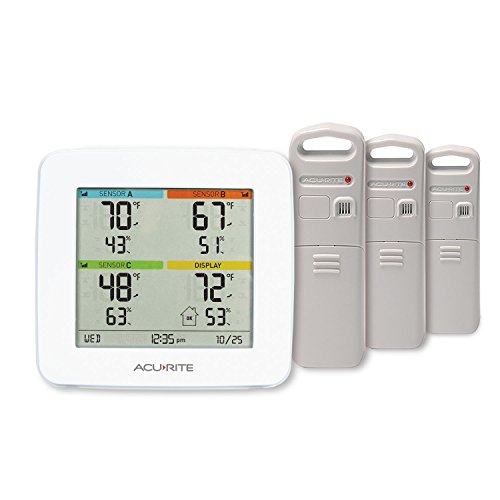
AcuRite 01094M Temperature & Humidity Station (White)

AcuRite 01096M Temperature & Humidity Station

DIGITEN DTC151 110V 15A Plug-In Thermostat Controller

Honeywell C7089R1013 Wireless Outdoor Sensor
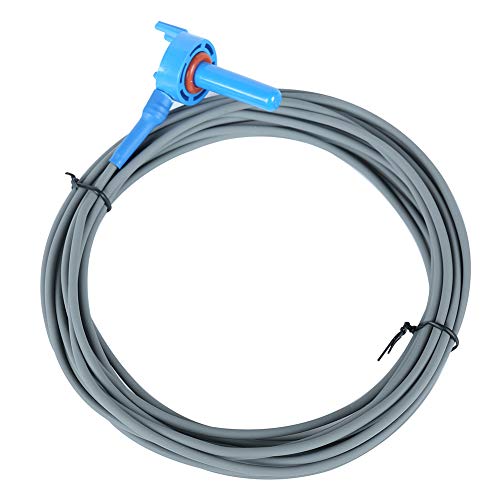
AR-PRO 520272 Air/Water/Solar Sensor, 20-Foot Cable

WH2408 10A 1200W Digital Thermostat Outlet Switch

DEWENWILS 15A/1800W Temperature Controller, VA Display
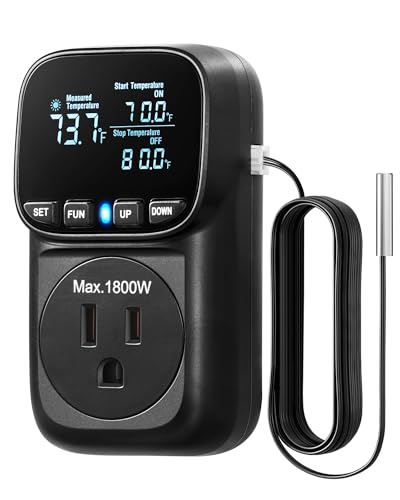
DEWENWILS 15A/1800W Temperature Controller, Black
More Details On Our Top Picks
Three sensors give this AcuRite station a practical edge for homes where temperatures vary from room to room, porch to basement, or wall to wall. That matters more than it sounds, because a heat pump setup often needs a sense of the whole space, not just one spot near the unit.
The white housing keeps things plain and easy to place, and the mix of indoor and outdoor sensing suits households that like to watch patterns over time. The trade-off is that this is more of a monitoring station than a direct controller, so it fits best beside an HVAC setup rather than inside the control loop itself.
What We Like
- Three sensors help you track multiple zones at once.
- Indoor and outdoor coverage supports broader comfort checks.
- Useful for homes with rooms that warm unevenly.
- Simple layout suits low-fuss placement on a shelf or counter.
Points To Note
- It watches conditions, but it doesn’t directly control heating.
- Sensor placement still matters, so avoid cramped or drafty spots.
Feature Snapshot
Who It Suits Best
Households that want a straightforward monitoring station for a heat pump area, a basement, or a multi-room home will get the most from it.
Where A Sibling Pick Shines
Honeywell C7089R1013 suits you better for a dedicated HVAC outdoor-sensor setup, especially when you need a more direct fit for system control.
This AcuRite station follows the same three-sensor idea as the first pick, but without the white finish calling as much attention to itself. For a hallway shelf, utility room, or kitchen counter, that quieter look can feel easier to live with day after day.
It suits homes where you want a clearer read on indoor and outdoor conditions without turning the setup into a project. The honest read is that it still belongs in the monitoring camp, so you get information rather than direct automation.
Bright Spots
- Three sensors make it easier to compare different spots in the home.
- Low-profile styling keeps the unit from feeling bulky.
- Works well for households watching comfort shifts across rooms.
Softer Spots
- It does not act as a thermostat controller.
- Like most sensor stations, placement choices affect the quality of the readings.
Core Details
Whose Shelf It Belongs On
Homeowners who want a simple environmental monitor for a heat pump area or a multi-room house will find the fit sensible.
Another Choice May Suit
DIGITEN DTC151 110V 15A Plug-In Thermostat Controller suits you better for direct temperature switching in a greenhouse, terrarium, or other managed enclosure.
This DIGITEN unit moves from monitoring into direct control, which is a real shift for people running heat mats, terrariums, aquariums, or greenhouse accessories. The plug-in format keeps installation simpler than hardwired gear, and that can be a relief in small setups where you want function without extra fuss.
Heating and cooling mode support makes the controller more flexible than the AcuRite stations above. The trade-off is that it serves a narrower use case, so it makes less sense for broad household monitoring and more sense for a single controlled zone.
Strong Points
- Direct plug-in control helps automate a single heating or cooling load.
- Heating and cooling modes add useful flexibility.
- Works well in compact enclosures and hobby environments.
Small Caveats
- It fits a narrower job than a general-purpose sensor station.
- Placement and setup matter, especially in enclosed hobby spaces.
- It is better for controlled equipment than whole-home visibility.
Details At A Glance
Made For
Hobbyists managing a single enclosure, mat, or tank get the clearest benefit from this controller.
Skip It When
Honeywell C7089R1013 is the better match for a more conventional HVAC outdoor-sensor role in a home system.
Honeywell takes a more direct HVAC route here, and that makes this sensor the most system-focused option in the group. For a heat pump setup, that matters because you want an outdoor reading that fits the control logic cleanly instead of acting like a general household monitor.
Wireless placement also helps reduce cable clutter, especially around exterior walls or service areas where a neat install matters. The trade-off is that this is a compatibility-sensitive part, so matching it to the right system is the whole game.
Reasons To Buy
- Wireless setup keeps the outdoor install cleaner.
- Strong fit for HVAC-focused temperature sensing.
- Works well where you want fewer visible cables.
Room For Improvement
- System matching matters, so check compatibility before you commit.
- It serves a focused job rather than broad environmental tracking.
Technical Sheet
Right Fit For
Homeowners working with a compatible HVAC system will get the clearest benefit from this sensor.
A Better Fit Elsewhere
AR-PRO 520272 Air/Water/Solar Sensor suits you better for pool, spa, or long-cable replacement needs.
The 20-foot cable is the headline here, and in pool or spa replacement work that extra reach can save a lot of awkward routing. Compared with Honeywell’s wireless outdoor sensor, this one is less about system-level HVAC pairing and more about replacing a probe in a specific wet or sunny environment.
It suits setups where the sensor needs to sit away from the control body, which is common around water equipment or sun-exposed areas. The trade-off is that longer cable runs are less tidy, so installation planning matters more than it does with a wireless part.
Upsides
- Long cable gives you more placement freedom.
- Useful for pool and spa replacement jobs.
- Can support air, water, or solar sensing roles.
Areas To Watch
- The cable length can create a messier install than compact sensors.
- It is purpose-built, so it won’t suit every HVAC setup.
- Replacement jobs still depend on matching the original part style.
Feature Rundown
Best Suited To
Pool and spa owners who need a replacement sensor with a long lead will find the fit sensible.
Look Elsewhere When
DEWENWILS 15A/1800W Temperature Controller, VA Display suits you better for enclosed climate control in a greenhouse or incubator.
WH2408 keeps things compact, which is helpful in terrariums, seedling mats, homebrew setups, and similar spaces where every outlet matters. Compared with the AR-PRO replacement probe, this one is about direct switching rather than sensor replacement, so it fits people who want control in a small footprint.
The 10A, 1200W rating gives you a clear sense of load size, and that helps you judge compatibility before installation. The trade-off is straightforward: it suits lighter-duty control jobs better than bigger heating rigs.
Best Bits
- Small outlet format keeps the setup tidy.
- Heating and cooling control broadens usefulness.
- Good fit for compact hobby environments.
- Clear power rating helps with basic load planning.
Honest Caveats
- It is better suited to smaller loads than heavy equipment.
- The plug-in style may take up outlet space in crowded strips.
Spec Overview
Who Will Love This
People managing small terrariums, seedling mats, or a single brewing station will get the clearest value here.
Swap It Out When
Honeywell C7089R1013 suits you better for a more conventional outdoor HVAC sensor role tied to a home heat pump system.
The larger 15A, 1800W rating gives this DEWENWILS controller more headroom than WH2408, and that difference matters in greenhouse and incubator setups with stronger loads. The VA display is a useful touch too, because a clear screen makes day-to-day checking less fussy in dim utility spaces.
The wider temperature span, from -40℉ to 210℉, also makes the unit feel more adaptable across hobby and climate-control tasks. The trade-off is size and complexity, since a heavier-duty controller tends to make more sense once you really need the capacity.
Highlights
- Higher load capacity than the smaller WH2408.
- VA display improves quick readability in low light.
- Useful for greenhouse, incubator, and homebrew control.
- Wide temperature span supports a broad set of tasks.
Worth Noting
- It may be more controller than a simple hobby setup needs.
- More capacity can mean a bit more bulk on the wall or outlet.
At A Glance
The Right Fit
Greenhouse, incubator, and homebrew setups that need more control headroom will appreciate this model.
Where A Sibling Pick Shines
WH2408 10A 1200W Digital Thermostat Outlet Switch suits you better for smaller, lighter-duty spaces that don’t need as much capacity.
This black DEWENWILS model keeps the same core control profile as the previous pick, but the darker finish can blend more cleanly into utility rooms, garages, or enclosed work areas. That makes it a nice fit for people who want the same heavy-duty function with a more subdued look.
The appeal stays in the load support, the temperature span, and the overall plug-in simplicity. The catch is that appearance aside, you should treat it like a dedicated controller rather than a casual add-on, because the capacity only matters when the rest of the setup is matched properly.
Positives
- Black finish blends easily into darker spaces.
- Same higher-capacity control profile as the matching DEWENWILS unit.
- Good fit for regular greenhouse or incubator routines.
Things To Consider
- It still serves a focused control role rather than a broad monitor role.
- Capacity is useful only when the connected load is appropriate.
Feature Card
Built With In Mind
People who want a dark-finish controller for greenhouses, incubators, or similar control-heavy spaces will appreciate this version.
Reach For A Different Pick When
AcuRite 01094M Temperature & Humidity Station suits you better when you want multi-point monitoring instead of a plug-in controller.
How To Choose The Right Heat Pump Outdoor Temperature Sensors
Match The Sensor To The Job
A true heat pump outdoor sensor should fit the control role first, not just read outside air. Wireless HVAC sensors belong with system-driven installs, while station-style monitors are better for checking conditions across a home, porch, or equipment room. Plug-in controllers work for enclosures and hobby spaces, which is a different job altogether.
Sensor placement matters just as much as the product type. A cable, a wall-mounted probe, or a wireless outdoor module all behave differently around shade, sun, siding, and moving air, so you want the format that fits the space you already have.
Read The Specs With Real Use In Mind
Voltage, current, and power ratings tell you how much load a controller can support, and those numbers matter more than shiny extras. A 10A, 1200W plug-in controller suits lighter setups, while a 15A, 1800W model leaves more headroom for stronger equipment. That gap can be the difference between a tidy install and an overmatched one.
For monitoring gear, count the sensors and look at where they can sit. Three sensors help you compare zones in a larger home, while one long cable makes more sense near a pool, spa, or other fixed installation.
Think About Placement, Maintenance, And Access
Outdoor sensing lives or dies by location. A wireless unit is cleaner around exterior walls, but a cable can be better when the sensor needs to sit far from the main body or away from heat sources. Either way, you want a spot that stays clear of direct discharge, harsh sun, and awkward maintenance access.
Cleaning is usually simple, yet easy access still matters. A sensor you can reach without dragging tools across a tight area is less likely to get ignored, and that keeps the setup easier to live with over time.
Pay For Capacity Only When You Need It
Higher-end models tend to cost more because they carry stronger load ratings, wider temperature ranges, clearer displays, or better integration with HVAC-style control. Those extras matter in greenhouses, incubators, or full system installs where steady control is worth more than a basic reading.
For a simple home check, that extra headroom may be unnecessary. For a heavier setup or a space that runs daily, the upgrade usually makes more sense than patching around a weak controller later.
A Quick Reality Check Before You Choose
Common Shopping Slip Ups
A common mistake is treating every outdoor sensor like the same kind of product. A monitoring station, a wired replacement probe, and a thermostat controller each solve a different problem, so the first step is making sure the item matches the system you already have.
Another miss is ignoring the install path. Cable length, wireless pairing, and outlet space all affect the final result, and a neat spec sheet does not fix a bad physical layout.
The Upgrade Payoff
More expensive units usually buy you stronger load handling, better visibility, or a fit that lines up with more demanding equipment. That matters most in setups that run for long stretches, where clearer control and fewer workarounds save annoyance later.
For lighter home monitoring, a simpler option often feels saner. For a greenhouse, incubator, or heat pump-related control task, spending up can bring the kind of stability that makes the whole setup easier to manage.
Frequently Asked Questions
Are outdoor temperature sensors all interchangeable?
No, the mounting style, signal type, and job can vary a lot. A heat pump outdoor sensor needs to match the system it serves, not just the outdoor environment.
Do you need a controller or a monitor?
A monitor shows conditions, while a controller can switch a load on and off. Heat pump-related setups usually need the right control-style part, not just a display.
Why does cable length matter so much?
Cable length changes where you can place the sensor relative to the equipment and the weather exposure. That matters in pools, spas, and enclosed setups where the reading point is not beside the main unit.
What rating matters most for plug-in controllers?
Current and wattage are the first numbers to check. Those ratings tell you whether the controller can comfortably handle the equipment you want to run.
Is wireless always the cleaner option?
Wireless can reduce cable clutter, which helps around exterior walls and tidy installs. A wired sensor can still be the better fit when the target location is distant or awkward.
Final Thoughts
You get the best result here by matching the part to the job, not by chasing the biggest spec sheet. Honeywell makes the most direct sense for HVAC-style outdoor sensing, while the AcuRite stations suit broad home monitoring and the DEWENWILS and DIGITEN units fit more controlled setups. The long-cable AR-PRO option fills a very different niche, especially around pool and spa replacement work. Choose the format that fits your space, your load, and your maintenance habits, and the rest gets much easier.