
Cold tent nights can turn a good trip into a long, grumpy one. You need gear that makes sense for your setup, whether that means a hot tent, a fast-warm cabin tent, or a campsite with a little electric heat nearby. This roundup focuses on practical choices for different camping styles, from car campers to off-grid setups and colder shoulder-season trips. You’ll see where each option fits, and where the trade-offs start to matter.
The Shortlist At A Glance
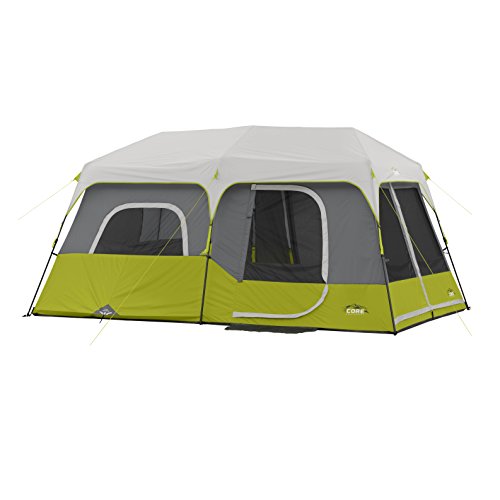
Core 9 Person Instant Cabin Tent 14′ x 9′ Green
Dura Heat EUH1465 Electric Forced Air Heater
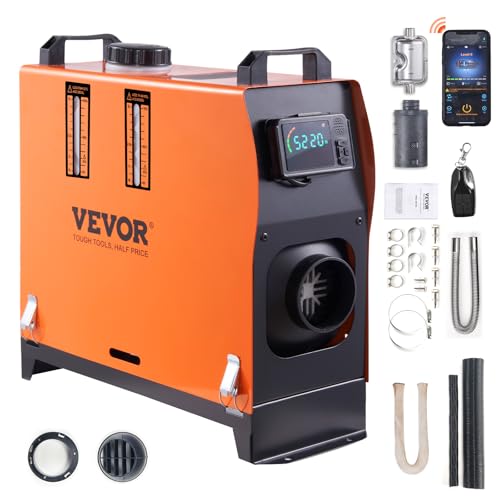
VEVOR 8KW Diesel Heater All in One

WESTTREE Camping Fan Oscillating Portable Fan 20000mAh

WESTTREE Camping Fan 20000mAh Rechargeable Battery Operated Fan
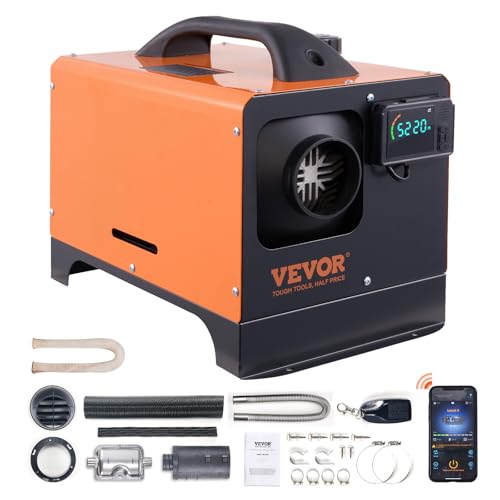
VEVOR Diesel Heater 12V All-in-one Diesel Air Heater

Hot Tent Stove, AVOFOREST Wood Burning Stove

Inflatable Tent with Skylight, Quick Setup Blow Up Tents with Pump
More Details On Our Top Picks
That 14-foot by 9-foot footprint gives you room to spread out, which matters on a rainy weekend or a family campground stay. The instant style also helps when daylight is fading and you’d rather spend less time wrestling poles.
Compared with the heater-heavy picks below, this one is really about making the tent itself easier to live in before you add warmth. For car campers and larger groups, that can be the smarter first step, though the bigger frame takes more site space than a compact dome.
Strong Points
- Large floor area suits group sleeping layouts.
- Instant setup helps on late arrivals.
- Cabin shape usually feels more livable inside.
- Good fit for gear bins and tall air mattresses.
Things To Consider
- The larger footprint needs a roomy campsite.
- It is more shelter than heater, so warmth still depends on your chosen heat source.
- Storage space at home will matter more than with the smaller picks.
Feature Snapshot
Who It Suits Best
Family campers and group trips get the most value here, especially for weekend stays with plenty of gear.
A Better Fit Elsewhere
Dura Heat EUH1465 Electric Forced Air Heater suits campers who already have enclosed shelter and want direct warm air in a smaller footprint.
For small enclosed camping setups, this is the kind of heater that aims for straightforward, focused warmth rather than clever extras. The ceramic heating element means the unit is built around quick air delivery, and the steel body should suit rougher storage in a garage or gear shed.
The pivoting base gives you some control over where the heat points, which helps in a tent vestibule, workshop-style shelter, or greenhouse use case. The trade-off is simple, though, electric heat stays tied to power access, so this fits campsites with hookups far better than remote backcountry nights.
What We Like
- Forced-air design moves warmth quickly in small areas.
- Steel body suggests better durability in rough storage conditions.
- Pivoting base helps direct heat where you need it.
- Useful for a tent area with power access.
Room For Improvement
- Needs electricity, so off-grid use is limited.
- Best in smaller spaces, not roomy cabins.
- Forced air can feel less gentle than radiant-style heat.
Core Details
Whose Shelf It Belongs On
Campers with electricity at the site, or anyone heating a small enclosed workspace, will get the clearest benefit here.
Where A Sibling Pick Shines
VEVOR 8KW Diesel Heater All in One makes more sense for off-grid vehicle setups where electric power is not the plan.
For campers who split time between vehicles, portable shelters, and colder shoulder-season travel, this heater brings a lot into one package. Bluetooth app control and the LCD give you more direct control than the basic electric option above, and automatic altitude adjustment is useful when your trip climbs into thinner air.
The honest read is that it suits committed overlanders and van travelers more than casual weekend tent users. It also leans more technical, so you’ll want to be comfortable with a setup that has more moving parts than a simple plug-in heater.
Highlights
- App control adds convenient remote adjustment.
- Automatic altitude adjustment helps in high-country trips.
- LCD display makes settings easier to read.
- Portable design suits vehicle-based camping.
Softer Spots
- More complex than a basic plug-in heater.
- Best for users comfortable with diesel gear.
- Works better in planned setups than casual setups.
Details At A Glance
Built With In Mind
Van campers, overlanders, and high-altitude travelers are the clearest match for this one.
Look Elsewhere When
WESTTREE Camping Fan Oscillating Portable Fan 20000mAh is the better fit for warm-weather tent setups that need airflow more than heat.
This is less about adding heat and more about making a tent feel less stuffy once the sun drops. The 20,000mAh battery gives you portable runtime without cords, while oscillation and a 270° pivot help spread air around a sleeping area or table.
The built-in light makes a practical difference for late-night camp chores, and the hook gives you more hanging options than a desk-only fan. For warm-season campers, that combination often matters more than raw cooling strength, although you do give up any actual heating function.
Bright Spots
- Battery power keeps it useful away from outlets.
- Oscillation helps circulate air across the tent.
- 270° pivot broadens hanging or placement options.
- Light adds value during evening camp tasks.
Points To Note
- It is a fan, not a heater.
- Battery runtime will depend on speed and light use.
- Colored finish may show wear more readily than plain dark housings.
Feature Rundown
Who Will Love This
Summer campers and festival-style setups get the most practical use from this fan.
Skip It When
Dura Heat EUH1465 Electric Forced Air Heater is the smarter pick for enclosed spaces that actually need warm air.
Compared with the oscillating WESTTREE fan above, this version feels a little simpler and easier to imagine using as a general camp companion. The knob-based speed control and 270° pivot keep the controls straightforward, while the hook and light make it handy for a tent corner, picnic shelter, or power outage setup.
That plain approach is a strength for casual campers who want one device to do several small jobs without much setup. The trade-off is that you lose the swinging airflow of the oscillating model, so coverage feels more directional.
Upsides
- Rechargeable battery supports cord-free use.
- Light and hook improve tent usefulness.
- Knob control keeps operation simple.
- Works well as a backup during outages.
Areas To Watch
- No oscillation, so airflow stays more focused.
- Best used as a fan, not a cooling solution for larger spaces.
- Battery care matters for long-term storage between trips.
Spec Overview
Perfect Match For
Campers who like uncomplicated gear and want a good everyday tent fan will appreciate this one.
Reach For A Different Pick When
VEVOR 8KW Diesel Heater All in One is the stronger choice for off-grid cold-weather vehicle camping.
This VEVOR setup leans hard into portable diesel heating for RVs, trucks, and other mobile shelters. The 5L fuel tank and LCD display make the system feel more self-contained than the electric heater, and the remote control helps you manage it without getting up from bed.
Automatic altitude compensation matters more than it sounds, especially for mountain trips where manual adjustment becomes one more chore. The catch is that this is still a more involved heating path than a compact plug-in unit, so it fits travelers who want range and control, not absolute simplicity.
Reasons To Buy
- Remote control makes adjustments easier from inside the shelter.
- LCD display supports faster setup and monitoring.
- 5L tank reduces how often you need to refuel.
- Altitude compensation suits high-elevation travel.
Small Caveats
- More involved than a basic electric heater.
- Best suited to mobile setups with room for installation.
- Regular fuel handling and storage planning matter.
Core Details
The Right Fit
RV campers, truck travelers, and mountain-route users are the clearest match for this heater.
Another Choice May Suit
Dura Heat EUH1465 Electric Forced Air Heater is simpler for campsite power hookups and smaller enclosed areas.
Wood heat changes the camping rhythm completely, and this AVOFOREST stove is built for that kind of setup. With seven stainless chimney pipes, it’s aimed at hot tents where you want a real heat source and the bonus of being able to cook on the same unit.
That makes it a strong match for ice fishing shelters, hunting camps, and cold-weather base camps where fuel and ventilation planning already matter. The honest trade-off is that wood stoves ask more from your setup, from stove management to careful chimney assembly, so they suit experienced tent users better than casual weekend campers.
Best Bits
- Wood-burning design works well for hot tent camping.
- Cooking use adds value beyond heating alone.
- Seven chimney pipes support a taller exhaust path.
- Useful in colder, more stationary camps.
Honest Caveats
- Setup takes more care than a plug-in heater.
- Fuel and chimney maintenance add ongoing chores.
- Best for people comfortable managing a stove in camp.
Feature Card
Who Should Grab It
Experienced hot tent campers and cold-weather anglers or hunters get the most out of this stove.
Where Shoppers Go Wrong
WildFinder Inflatable Tent with Skylight suits people who want a fast tent shell with a stove jack already built into the design.
This inflatable tent is built for campers who want a faster shell with a stove jack already in the design. The skylight gives the structure a brighter feel than many hot tents, and the included pump lowers the amount of manual setup you deal with at camp.
Compared with the AVOFOREST stove above, this is the shelter side of the equation, not the heat source itself. That pairing makes sense for cold-weather campers who want a quicker pitch without giving up stove compatibility, though inflatable tents still need more storage room than ultralight options.
Positives
- Inflatable structure cuts down on pole juggling.
- Skylight brings more daylight into the tent.
- Stove jack supports hot tent use.
- Included pump simplifies campsite setup.
Trade Offs
- Bulkier to store than compact frame tents.
- Best for campers who actually plan to use a stove.
- Needs more careful packing to protect the inflatable structure.
Technical Sheet
Best Suited To
Hot tent campers who want faster setup and a more comfortable interior profile will appreciate this shelter.
Swap It Out When
Core 9 Person Instant Cabin Tent 14′ x 9′ Green is the better call for large family groups that care more about floor space than stove readiness.
How To Choose The Right Heaters For Camping Tent
Match Heat Source To Your Camping Style
Electric forced-air heaters suit powered campsites and small enclosed shelters. Diesel heaters fit vehicle travel, van builds, and colder trips where you want more independence from campsite hookups.
Wood-burning stoves belong in hot tents, not casual nylon shelter setups. That’s the big split to keep in mind, because the wrong fuel type can make a tent feel awkward fast.
Focus On Power, Space, And Control
Output matters, but so does the size of the space you’re warming. A compact heater can feel perfect in a small tent or vestibule, while a larger shelter often needs either more output or a different heat strategy.
Controls matter too. A remote, app access, or a pivoting base can make cold evenings less fiddly, especially when you’re already settled in.
Don’t Skip The Setup Realities
Fuel storage, power access, and ventilation planning are part of the purchase, not afterthoughts. Diesel and wood units ask for more preparation, while electric models stay tied to availability of power.
Cleaning and storage matter as well. Heaters with fuel tanks, chimney sections, or moving fan parts usually reward careful packing between trips.
What To Weigh Before You Click Through
Mistakes Worth Dodging
A common mistake is matching a heater to the tent first and the power source second. That order causes trouble, especially for campers who end up with electric gear at a no-hookup site or a wood stove in a shelter that isn’t built for it.
Another easy miss is ignoring the space you’re actually heating. A unit sized for a garage can be awkward in a tight tent, while a tiny fan will not change the feel of a large cold shelter.
The Case For Spending Up
Higher-tier models usually bring better control, more flexibility, or a more specialized setup. That’s where app control, altitude adjustment, remote operation, or a stove-ready tent design can justify the extra spend.
The upgrade makes sense for frequent trips, cold climates, or vehicle camping where comfort carries real weight. Casual summer outings usually do not need that much hardware.
Frequently Asked Questions
Which heater style works best for tent camping?
For powered sites, electric forced-air heaters are the simplest match. For off-grid travel, diesel or wood-burning options make more sense.
Are camping fans useful in a heaters roundup?
Yes, because warm-weather tent use is part of the same shelter conversation. Fans help manage air movement and comfort when heat is not the goal.
What matters more, output or control?
You need both, but space and fuel source come first. A well-matched heater with simpler controls often feels better than a powerful one that does not suit your camp.
Are hot tents only for winter?
No, but they make the most sense in colder shoulder seasons and cold-weather camps. They also work well for hunters, anglers, and longer stays.
Do inflatable tents work with stoves?
Some do, and a stove jack is the key detail to look for. That feature matters because it supports the stove setup without forcing improvised modifications.
Closing Thoughts
A good tent heater setup starts with your camping style, not with the biggest number on a product page. Electric heat suits powered sites, diesel fits mobile cold-weather trips, and wood heat belongs in proper hot tent systems. Fans still earn a place for warm-weather camping because comfort is not only about heat. Choose the pick that matches your shelter, your power source, and your patience for setup, and the trip usually feels a lot smoother.