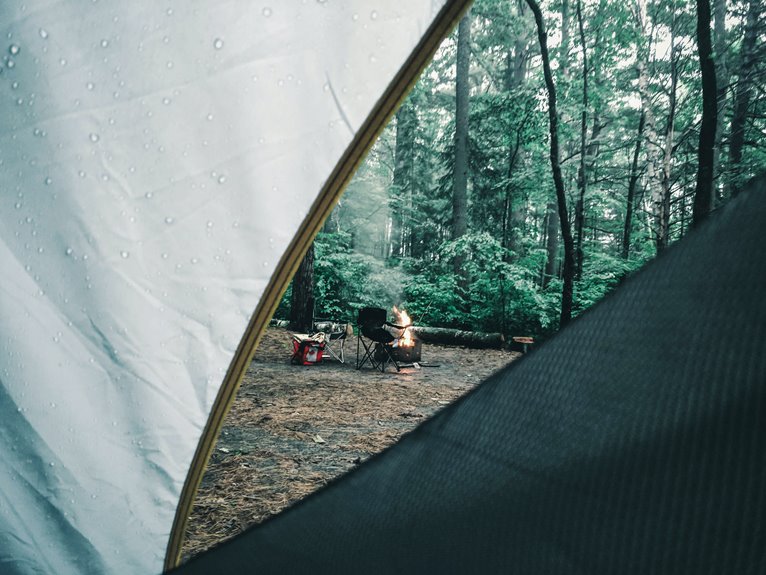

You want outdoor heat that matches the way you actually use your space, not just a bold wattage label. Some patios need a gas fire feature that doubles as a social focal point, while others work better with a slim electric tower beside a dining set or garage door.
This roundup keeps that split in mind. You’ll see heavier propane picks, cleaner electric options, and a few designs that make sense for porches, decks, poolside seating, and commercial-style setups.
Quick Look At The Shortlist
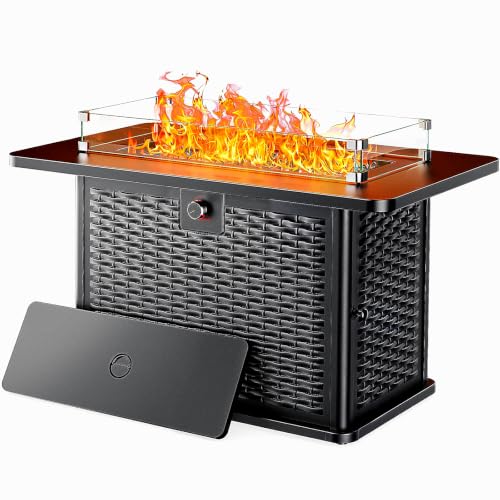
Ciays 43-Inch Rectangular Propane Fire Pit
EAST OAK 50,000 BTU Patio Heater
Legacy Heating Commercial Outdoor Patio Heater

Electric Outdoor Heater for Patio 1500W 40″

Planika Lighthouse Patio Heater Outdoor Fireplace
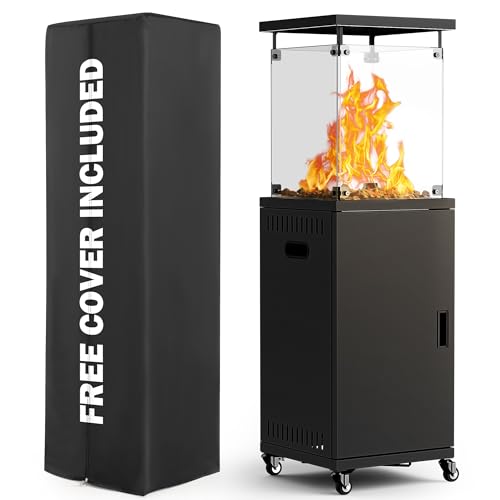
PATIOPIA 41,000 BTU Patio Heater

SereneLife Infrared Patio Heater 1500W

Pamapic 50,000 BTU Outdoor Heaters for Patio
More Details On Our Top Picks
Ciays leans into the fire-pit-table idea, so you get warmth and a usable surface in one piece. The 43-inch rectangular shape suits social seating better than a narrow tower heater, and the 60,000 BTU output gives it a more lounge-like feel for patios that stay open to the evening air.
The 304 stainless steel H-burner matters because stainless parts usually hold up better in outdoor settings than basic painted components. The trade-off is the added care that comes with a gas fire feature, especially since this item is non-returnable because of transportation rules, so you want to be comfortable with setup and handling before it lands on your porch.
Strong Points
- Fire pit and table in one footprint
- Rectangular layout works well around seating
- 60,000 BTU output suits open patios
- Stainless steel burner adds durability appeal
- Glass stones and wind guard refine the setup
Things To Consider
- Gas fuel means more upkeep than electric heat
- Transport rules limit return flexibility
- Best in spaces that can accommodate a larger table form
Feature Snapshot
Who It Suits Best
Patio hosts who want a statement piece for gatherings will get the most out of this one, especially around a sectional or a four-seat table.
Where A Sibling Pick Shines
EAST OAK 50,000 BTU Patio Heater suits you better for a classic upright heater that leaves more floor space open.
Compared with the Ciays fire-pit table, this EAST OAK pick stays in the more traditional upright-heater lane. That makes it easier to tuck beside a dining set or a conversation corner where you want heat without giving up the center of the patio.
The round table top is handy for small drinks or a plate, and the double-layer stainless steel burner points to a sturdier heat core than a single-layer design. The triple protection system adds peace of mind for everyday outdoor use, though the overall form still asks for enough clearance around it, so tight balconies may feel cramped.
What We Like
- 50,000 BTU output handles many backyard setups
- Round table top adds useful surface space
- Double-layer burner gives a more solid build cue
- Wheels make repositioning less of a chore
- Triple protection system suits regular family use
Room For Improvement
- Upright footprint still needs clear floor space
- Gas maintenance is part of ownership
- Round top helps, but it stays compact
Core Details
Who Will Love This
Households that want a dependable propane heater for regular patio evenings should feel at home with this format.
Look Elsewhere When
Ciays 43-Inch Rectangular Propane Fire Pit fits you better when the patio needs a more social centerpiece than an upright heater.
This Legacy Heating model looks built for places that stay busy, not just quiet family corners. The commercial label tells you a lot about the intended environment, so it makes sense for cafes, shared patios, and homes that want a sturdier upright heater with a no-nonsense presence.
The mocha finish gives it a warmer visual tone than the darker black units in this list, which can matter in a setup where the heater sits in view all season. One thing worth considering is that commercial-style equipment often feels a bit more utilitarian, so you may prefer it for function first and decoration second.
Bright Spots
- Commercial-style build suits heavier use
- Mocha finish softens the visual look
- Good match for shared outdoor seating
- Simple upright format keeps placement flexible
Points To Note
- Less decorative than the fire-pit style picks
- Commercial look may feel plain in a casual backyard
- Outdoor storage still matters for longevity
Details At A Glance
Best Suited To
Hosts managing larger gatherings or commercial seating areas should find this style especially practical.
A Better Fit Elsewhere
Pamapic 50,000 BTU Outdoor Heaters for Patio is the nicer match for residential spaces that still want a round table top.
Once you move away from propane, this Haoteey tower feels much easier to slot into everyday spaces. The 40-inch height and 1500W carbon fiber tube point to directed heat rather than room-filling flame, so it makes sense beside a garage work area, a covered deck, or a small outdoor sitting nook.
The carbon fiber element is the part that matters most here, because carbon fiber heating tubes usually respond quickly and focus warmth in a narrower path. The trade-off is plain enough, though, since an electric tower won’t create the same atmosphere as the fire pit options above, and it depends on a suitable power setup.
Upsides
- Electric setup avoids fuel handling
- 40-inch height helps direct warmth upward
- Carbon fiber tube supports quick-feeling heat
- Works in indoor and outdoor settings
Softer Spots
- Less ambient mood than flame-based models
- Needs a usable power source nearby
- Best for smaller heating zones than wide patios
Feature Rundown
Made For
Apartment patios, garages, and covered outdoor corners are the strongest matches for this style.
Swap It Out When
SereneLife Infrared Patio Heater suits you better if remote control and three heat levels matter more than a simpler tower form.
The Planika Lighthouse reads more like outdoor furniture with heat built in, which is a very different mood from the plain vertical heaters in the middle of this list. Because it uses propane and is meant for a 20-pound cylinder, it suits you best in a space where design matters as much as warmth.
The included cover and regulator are helpful touches, since those are the bits many people end up sourcing separately with other propane setups. The catch is that this style can feel more specialized and less casual, so it fits a patio that already leans polished rather than temporary.
Best Bits
- Fireplace-style look changes the whole patio mood
- Cover and regulator are included
- Uses a standard 20-pound propane cylinder
- Works well as a visual focal point
Small Caveats
- Style-forward design may not suit every layout
- Propane ownership still brings fuel management
- Transport restrictions affect return expectations
Technical Sheet
Whose Shelf It Belongs On
Style-conscious patios, lounge areas, and hospitality-inspired terraces suit this design best.
Reach For A Different Pick When
Ciays 43-Inch Rectangular Propane Fire Pit fits you better for a lower, more communal fire-table layout.
This PATIOPIA heater sits in a very usable middle ground, with enough output for a typical backyard without pushing into oversized territory. The lockable wheels and tempered glass make it feel easier to live with than some heavier propane units, especially when you move it between a patio, balcony, or poolside zone.
The included cover is a nice ownership detail because outdoor gear tends to sit through weather and dust whether you plan for it or not. One thing worth noting is that propane models still call for regular fuel and storage attention, so the convenience comes from mobility and familiar operation, not from zero maintenance.
Reasons To Buy
- 41,000 BTU output works for modest outdoor areas
- Lockable wheels make positioning easier
- Tempered glass adds a cleaner finished look
- Cover helps with storage between uses
Areas To Watch
- Propane upkeep is part of the routine
- Not as visually striking as the fire-table options
- Cover helps, but seasonal storage still matters
Core Details
Right Fit For
Home patios, balconies with room, and poolside setups are the best match for this balance-first design.
Another Choice May Suit
EAST OAK 50,000 BTU Patio Heater suits you better for a stronger output ceiling and a round table top.
SereneLife speaks to the kind of outdoor setup that needs simple, repeatable comfort. The remote control and three power settings make it easier to adjust heat from a chair, and that matters in restaurant seating, backyard hangs, or a garage workspace where you don’t want to keep walking back to the unit.
IP44 means the enclosure is built to tolerate splashes and dust ingress at a basic outdoor-rated level, which helps explain why this model fits decks and semi-sheltered spaces so well. The odorless operation is a welcome detail for close seating, though the electric format still feels more targeted than atmospheric, so it’s a function-first choice.
Highlights
- Remote makes heat adjustment more convenient
- Three power settings help fine-tune comfort
- Electric format keeps setup straightforward
- Works well for indoor and outdoor transitions
Honest Caveats
- Less visual warmth than flame-based heaters
- Best in sheltered or semi-sheltered spots
- Remote convenience depends on battery care
At A Glance
The Right Fit
You’ll appreciate this most in a deck, garage, or restaurant corner where easy control matters more than a fire feature.
Where Shoppers Go Wrong
Haoteey Electric Outdoor Heater for Patio suits you better when a tall carbon fiber tower and a faster-feeling heat path matter more than remote control.
Pamapic feels like the middle lane between the more decorative Planika Lighthouse and the simpler upright models. The round table design gives you a place to set a drink, while the 50,000 BTU output and 304 stainless steel burner point to a heater that’s meant to do real outdoor work on porches, gardens, and residential terraces.
The triple protection system adds another reason it suits everyday use, especially around homes that want a dependable propane heater without moving into a commercial look. The trade-off is familiar enough for this category, though, because propane brings fuel handling and seasonal storage into the picture.
Positives
- Round table top adds usable surface area
- 50,000 BTU output fits many patios
- 304 stainless steel burner supports durable use
- Triple protection system adds confidence in regular setups
Small Caveats
- Propane care remains part of ownership
- Round format still needs decent floor space
- Not as design-forward as the Planika Lighthouse
Key Specs
Built With In Mind
Porches, back gardens, and mixed residential or commercial spaces suit this balanced propane setup well.
Not Your Match When
SereneLife Infrared Patio Heater fits you better for remote-controlled electric convenience in semi-sheltered spaces.
How To Choose The Right Heaters For Outdoor Patio
Match The Heater To Your Layout
Patio shape matters more than a lot of shoppers expect. A rectangular fire-pit table works best in lounge-style seating, while a slim tower heater preserves walking room beside a railing or dining set.
Think about traffic flow, chair spacing, and where people actually gather. A crowded balcony needs a different footprint than a wide backyard sectional, and the wrong shape can make the whole area feel tighter than it should.
Choose Fuel Type With Your Routine In Mind
Propane models usually bring stronger atmosphere and more visual presence, but they also bring fuel storage and cylinder management. Electric heaters feel simpler for day-to-day use, especially near a garage outlet, covered deck, or restaurant patio with dependable power access.
The real question is whether you want a flame-centered gathering piece or a set-it-and-use-it appliance. Once you answer that, the rest of the shortlist gets easier to sort.
Look Past Output Alone
BTU, which means British thermal units, measures heat output for gas heaters, while electric models are usually judged by wattage. Higher numbers help, but placement, wind exposure, and seating distance decide how much warmth people actually feel.
A 50,000 BTU heater can still disappoint in an open, breezy patio, while a smaller electric tower may feel enough in a sheltered nook. That’s why material quality, burner design, and physical height deserve as much attention as the headline number.
Plan For Maintenance And Storage
Outdoor heat gear works better when you treat it like seasonal furniture, not a set-and-forget appliance. Covers, wheels, stainless steel parts, and simpler electric builds all reduce hassle, but they do not remove it completely.
Gas units need fuel handling and occasional cleaning, while electric picks ask for cord management and sensible weather placement. The easiest unit to live with is usually the one that fits your storage space and your willingness to put it away properly.
Things Worth Knowing First
Hidden Buying Traps
Many shoppers focus only on output and ignore footprint, which is how a heater ends up crowding the seating area. Another common miss is choosing a gas model for a space that really works better with electricity.
Look closely at where the heater will sit, how often you’ll move it, and whether the patio stays covered. Those details matter more than glossy photos.
The Upgrade Payoff
Higher-tier models often earn their keep through better materials, stronger burner construction, added controls, and a more polished design. Stainless steel burners, wheels, covers, and remote control features tend to make ownership smoother over time.
That extra spend makes sense for patios you use often, rental properties that need a better guest impression, or hospitality spaces where the heater sits in plain sight. For a casual corner used only a few times each season, a simpler pick may be enough.
Frequently Asked Questions
What size heater works best for a small patio?
A compact electric tower or a smaller propane heater usually fits tight spaces better than a fire-pit table. The key is leaving enough room around chairs and walkways so the area still feels open.
Are electric patio heaters easier to live with?
They usually are, especially for everyday use near an outlet. You avoid fuel storage, though you still need to manage cords and keep the unit in a sensible location.
Do BTU numbers tell the whole story?
No, because wind, patio cover, and heater placement change how warmth feels in real use. BTU helps compare gas models, but it does not replace common sense about the space.
Why do some heaters include table tops?
The table top gives you a place for a drink or small plate while the heater runs. That makes sense for conversation areas, though the trade-off is a larger footprint.
How do you keep outdoor heaters in good shape?
Use a cover, store the unit properly, and clean it according to the material and fuel type. That simple routine usually helps more than any flashy feature list.
Closing Thoughts
You have a real choice here, not just a long row of similar-looking heaters. A fire-pit table suits social patios, a slim electric tower fits quick everyday warmth, and a commercial-style propane unit makes sense where durability matters more than decoration. Match the heater to your layout, your fuel preference, and how often you actually sit outside. That’s the cleanest way to end up with outdoor warmth that feels natural in your space.