
Heavy cutting jobs ask for more than a sharp chain and good luck. You need a saw that fits the way you work, whether that means trimming storm-damaged limbs, bucking firewood, or clearing brush on a larger property. This roundup focuses on strong, practical options that make sense for homeowners, landowners, and weekend operators who need dependable cutting power without guesswork.
Gas models dominate this group, but cordless picks still earn a place for cleaner handling and easier storage. You’ll see a spread of bar lengths, engine sizes, and drive styles, which makes the right match easier to spot once you know what each one does well.
The Shortlist At A Glance
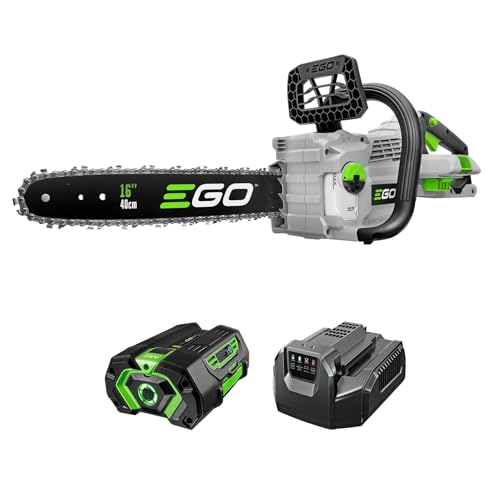
EGO POWER+ Chain Saw 16 Battery Powered Chainsaw CS1613

Husqvarna 130 Gas Powered Chainsaw 38-cc 16 Inch Chainsaw

PROYAMA 68CC Gas Powered Chainsaw 24 Inch 20 Inch Top Handle Chain Saw

SUPMIXTOOLS 62cc Gas Chainsaw 20 Inch Gas Powered Chainsaws

Husqvarna 135 Mark II Gas Powered Chainsaw 38-cc 16 Inch Chainsaw

Husqvarna 460 Rancher Gas Powered Chainsaw 60.3-cc 24 Inch Chainsaw

Husqvarna 450 Rancher 20 Inch Gas Chainsaw 50.2-cc 970613120

DongCheng 40V 16-Inch Brushless Cordless Chainsaw 2×4.0Ah Batteries
More Details On Our Top Picks
The EGO makes sense for someone who wants heavy-cutting capability without the fumes, pull starts, or fuel storage that come with gas. A 16-inch bar gives you enough reach for limb work and firewood prep, while the included 56V 4.0Ah battery and charger make the box feel complete rather than pieced together.
Compared with the gas saws lower in this list, it’s the cleaner, quieter route for suburban yards and regular cleanup. The trade-off is battery runtime, so large lots and all-day storm cleanup still favor the bigger gas rigs.
What We Like
- Cordless setup keeps startup simple and reduces routine upkeep.
- Included battery and charger help you get moving faster.
- 16-inch bar suits common yard and limb tasks.
- Quieter operation suits neighborhoods and close-in work.
Small Caveats
- Runtime depends on battery condition and the cut size.
- Heavy storm cleanup can drain cordless convenience quickly.
- Battery gear adds storage space compared with a bare tool.
Feature Snapshot
Who It Suits Best
Homeowners who want a capable cordless saw for regular property cleanup will get the most from this setup.
Where Another Pick Suits Better
Husqvarna 460 Rancher gas chainsaw suits large-property owners who need longer run times and stronger raw output.
This Husqvarna is aimed at the kind of work that fills a normal weekend, not a logging crew’s schedule. The 38-cc, 2-cycle X-Torq engine gives it a familiar gas-saw feel, and the automatic oiler takes one more chore off your plate during regular cutting.
Compared with the EGO above, you trade battery calm for gas convenience and longer working sessions between stops. It fits well for pruning and small tree work, though you’ll still want to respect that a 16-inch saw is a middleweight tool, not a brute.
Highlights
- Gas power suits longer sessions away from outlets.
- Automatic oiler helps keep the bar and chain supplied.
- Compact 16-inch format feels manageable in tight yard spaces.
Points To Note
- Gas upkeep means fuel handling and more routine attention.
- It’s less suited to oversized logs than the larger Rancher models.
- Vibration and noise are part of the gas-saw trade-off.
Details At A Glance
Built With In Mind
Property owners who want a straightforward gas saw for pruning and firewood prep should feel right at home here.
A Better Fit Elsewhere
Husqvarna 450 Rancher fits you better once the work shifts toward heavier logs and more frequent cutting.
PROYAMA leans hard into bigger jobs, and the 68CC engine makes that clear from the start. The top-handle layout and the choice of 24-inch or 20-inch bar sizes point toward more aggressive cutting, which suits land clearing, larger limbs, and serious property cleanup.
Compared with the Husqvarna 130, this is far less of a casual yard tool and much more of a workhorse shape. That extra reach is useful, but the trade-off is weight, fatigue, and the need for more careful handling in tight spaces.
Best Bits
- 68CC engine gives you a larger working envelope.
- Two bar-length options add some flexibility for different jobs.
- Top-handle design can suit certain overhead cuts and access angles.
- Good fit for clearing brush and larger limbs.
Honest Caveats
- Top-handle saws ask for more control and confidence.
- Larger gas saws usually mean more upkeep and fuel management.
- Big output can feel tiring during long sessions.
Core Details
Right Fit For
Experienced operators working on clearing, trimming, or bigger wood piles will get the most from this size and layout.
Swap It Out When
DongCheng 40V cordless chainsaw fits quieter neighborhood work and anyone who wants less fuel handling.
The SUPMIXTOOLS slot feels like a middle road between the smaller Husqvarna 130 and the larger PROYAMA unit. A 62cc gas engine and 20-inch bar give it more bite for wood cutting and trimming without jumping all the way into the heaviest class here.
That balance is useful for mixed chores around a larger yard, though the honest read is that gas saws like this still ask for regular attention. You’ll be dealing with fuel, bar oil, and cleaning, which is the normal cost of that kind of output.
Strong Points
- 62cc engine gives you a useful step up from smaller yard saws.
- 20-inch bar handles larger material more comfortably.
- Good fit for trimming, cutting, and general property cleanup.
Areas To Watch
- Gas maintenance stays part of the routine.
- Long sessions can feel heavy, depending on your grip and pace.
- Storage and cleaning need a little more care than cordless tools.
Quick Facts
The Right Fit
You’ll appreciate this more than a smaller saw for routine property work that crosses from light trimming into real cutting.
Look Elsewhere When
EGO POWER+ chain saw fits you better for quieter neighborhood jobs and simpler upkeep.
This version of the 135 Mark II keeps the formula compact and approachable. The 38-cc, 2.1-HP X-Torq engine and 16-inch bar make it easier to handle than the larger Rancher models, which helps during pruning, limb cleanup, and lighter firewood work.
Compared with the Husqvarna 130, you’re getting a touch more output without jumping into a much bigger saw body. That makes it a sensible middle step for homeowners who want gas power but do not need the size or reach of the 20-inch Rancher tools.
Reasons To Buy
- Compact 16-inch format stays manageable for home use.
- 2.1-HP output gives you a bit more muscle than ultra-light saws.
- X-Torq engine design fits regular yard and pruning jobs.
Worth Noting
- Still requires gas upkeep and routine cleaning.
- Not the right step for very large trunks or heavy clearing.
- Noise and vibration are part of the package.
Spec Overview
Whose Shelf It Belongs On
Homeowners who want an easy-to-manage gas saw for pruning and seasonal cleanup will find this a comfortable fit.
Where A Sibling Pick Shines
Husqvarna 450 Rancher suits you better once the cuts get thicker and the work becomes more frequent.
The 460 Rancher sits near the top of this field for raw yard-clearing power. A 60.3-cc, 3.6-HP engine and 24-inch bar create the kind of setup that makes sense for larger limbs, thick logs, and long work sessions on bigger properties.
Unlike the smaller 16-inch options, this one is built to keep pace with bigger tasks instead of feeling cautious around them. The automatic adjustable oil pump is a useful touch, since chain lubrication matters more as the work gets longer and the cuts get tougher.
Upsides
- Large engine size suits demanding cutting jobs.
- 24-inch bar helps with bigger wood and land clearing.
- Automatic adjustable oil pump supports longer sessions.
- Strong fit for property owners with heavy seasonal work.
Minor Gripes
- Size and power come with more weight to manage.
- More output usually means more maintenance and fuel planning.
- May feel excessive for simple pruning around the house.
Feature Rundown
Perfect Match For
You’ll get the most from this saw on larger properties where cutting volume and log size both matter.
Another Choice May Suit
EGO POWER+ chain saw fits better for smaller yards where cordless quiet and simpler storage matter more.
The 450 Rancher lands in a sweet middle zone for serious home use. With a 50.2-cc, 3.2-HP engine and 20-inch bar, it has more reach than the smaller 16-inch saws without jumping all the way to the bulk of the 24-inch workhorses.
That makes it appealing for yard cleanups, pruning, and firewood cutting where you want room to grow into the job. The honest read is that it still asks for gas maintenance, but the size and power balance feel easier to live with than the larger Rancher above it.
Positives
- 20-inch bar gives you broader cutting reach.
- 50.2-cc engine lands in a useful middle class.
- Good fit for mixed chores across a property.
- Less bulky than the 24-inch Rancher setup.
Softer Spots
- Gas setup still brings fuel and cleaning chores.
- More saw than a casual trim-only user may need.
- Heavier than the cordless EGO option above.
Technical Sheet
Made For
You’ll appreciate this most on properties that need one saw for pruning, cleanup, and occasional firewood.
Skip It When
Husqvarna 130 is the easier fit for lighter pruning and more compact storage needs.
DongCheng blends cordless ease with a more serious feature set than you usually see in a simple homeowner saw. The brushless motor is the key phrase here, since brushless designs avoid physical brushes inside the motor and often keep maintenance lighter than older motor styles.
With two 4.0Ah batteries, tool-free tensioning, and a 16-inch bar, it’s built for storm cleanup, firewood prep, and farm tasks where convenience matters as much as cutting ability. Compared with the EGO, it adds a second battery and a more work-focused control layout, though the usual battery-runtime limits still apply.
Bright Spots
- Brushless motor supports smoother, lower-maintenance operation.
- Two 4.0Ah batteries help extend work between swaps.
- Tool-free tension keeps chain adjustments simpler.
- Quiet electric operation suits shared property spaces.
Room For Improvement
- Battery use still limits nonstop work compared with gas.
- Battery storage takes planning, especially with two packs.
- May feel less forceful than a large gas Rancher on thick timber.
Core Details
Who Should Grab It
You’ll like this most if you want a cordless saw with enough practical features for regular cleanup and farm chores.
Reach For A Different Pick When
Husqvarna 460 Rancher suits bigger timber and longer work sessions better than this cordless setup.
How To Choose The Right Heavy Duty Chainsaws
Match Bar Length To The Job
Bar length affects what you can comfortably cut in a single pass. A 16-inch saw, like the EGO, Husqvarna 130, Husqvarna 135 Mark II, and DongCheng, suits pruning, limb cleanup, and moderate firewood work, while 20-inch and 24-inch bars give you more reach for thicker material.
Longer bars feel more capable, but they also ask for more control and more effort from you. For a suburban yard, a smaller bar often feels easier to live with, while larger properties usually justify the extra reach.
Choose Power Source Around Routine, Not Hype
Cordless saws keep startup simple and storage cleaner, which is handy for routine yard work and quick storm cleanup. Gas saws suit longer sessions, larger lots, and heavier cutting because you’re not managing battery charge cycles.
The trade-off is straightforward: cordless brings convenience, gas brings staying power. That’s why the EGO and DongCheng make sense for cleaner everyday ownership, while the Husqvarna Rancher models suit bigger cutting plans.
Look Closely At Engine Size And Output
Engine displacement, measured in cubic centimeters or cc, tells you the size of the motor’s working chamber. In plain terms, a 38-cc saw feels more modest than a 60.3-cc or 68CC machine, and that matters once you start cutting thicker wood.
Power ratings help, too. The PROYAMA and Husqvarna 460 Rancher sit in a heavier work class, while the smaller Husqvarna 130 and 135 Mark II are easier to handle for routine trimming.
Think About Maintenance Before You Decide
Gas chainsaws need fuel handling, oiling, and regular cleaning, so they fit you best when cutting is part of property upkeep rather than a rare task. Cordless saws skip much of that routine, though battery storage and charging become part of the picture.
Tool-free tension, automatic oiling, and included battery packs may sound small, but they save time in daily use. Those details matter most once the saw starts living in your garage, not just in a product listing.
Things Worth Knowing First
Common Shopping Slip Ups
Many shoppers focus on engine size and forget bar length, weight, and the kind of work the saw will actually do. A huge gas saw can feel like too much for a modest yard, while a smaller cordless option can feel underbuilt for large storm cleanup.
Another common miss is ignoring upkeep. Gas models need more attention, so the right choice depends on how much routine maintenance you’re comfortable handling.
The Upgrade Payoff
Higher-tier saws usually spend more on stronger engines, longer bars, better oiling systems, and more durable control layouts. That extra money often buys you less strain during heavy work and more confidence when cutting larger logs.
The upgrade makes sense when you move past trimming and into frequent wood processing or land clearing. For lighter household use, a smaller saw can be the smarter spend because it’s easier to store and easier to manage.
Frequently Asked Questions
What bar length works best for general yard cleanup?
A 16-inch bar fits most pruning and medium cleanup jobs well. A 20-inch bar helps once the limbs and logs get larger.
Are cordless heavy duty chainsaws strong enough?
Yes, for yard cleanup, pruning, and moderate firewood work they can be very practical. Large clearing jobs still favor bigger gas models.
What does X-Torq mean on Husqvarna saws?
X-Torq is Husqvarna’s two-cycle engine design. In simple terms, it’s part of how the saw is packaged and run in gas form.
Do larger gas chainsaws need more care?
They usually do, because fuel, oil, cleaning, and storage all matter. That extra routine is normal for the class.
Who should choose a 24-inch chainsaw?
Property owners handling thicker wood and broader cleanup tasks benefit most. For lighter trimming, a 16-inch or 20-inch saw is usually easier to live with.
Closing Thoughts
You have a clear spread here, from cordless convenience to serious gas muscle. The EGO and DongCheng fit cleaner everyday ownership, while the Husqvarna Rancher models and PROYAMA step up for bigger timber and longer sessions. For most properties, the right saw is the one that matches your yard size, your comfort with maintenance, and how often you’ll actually cut. Choose for the work in front of you, and the tool will feel far less tiring to own.