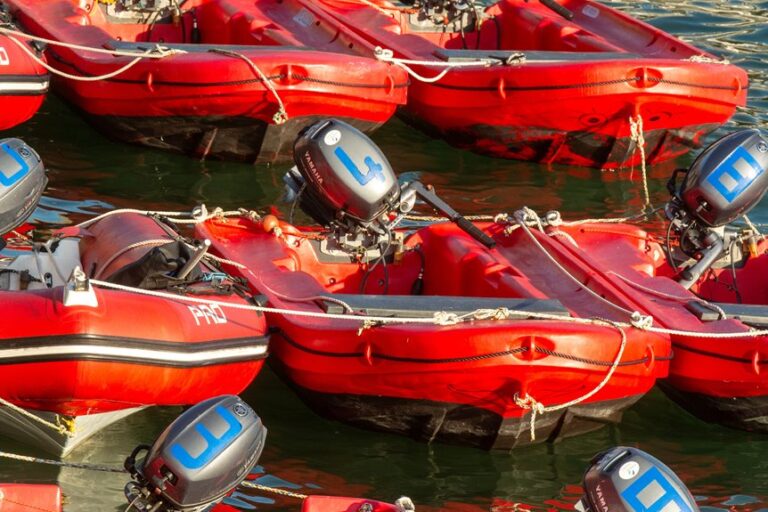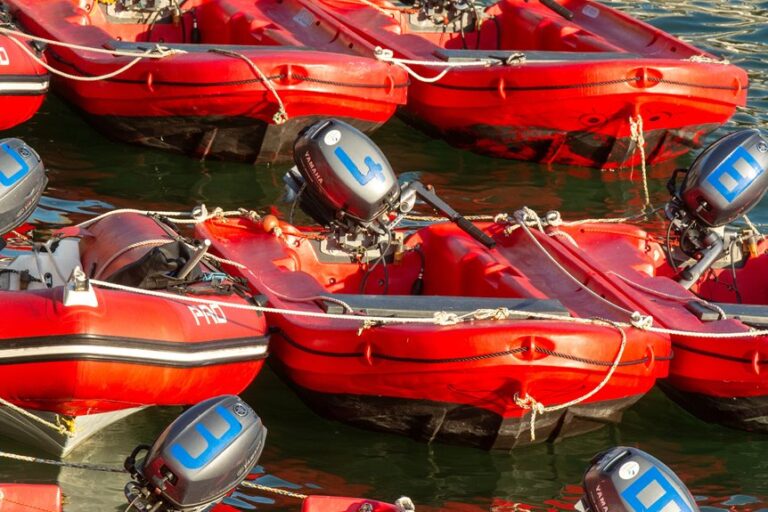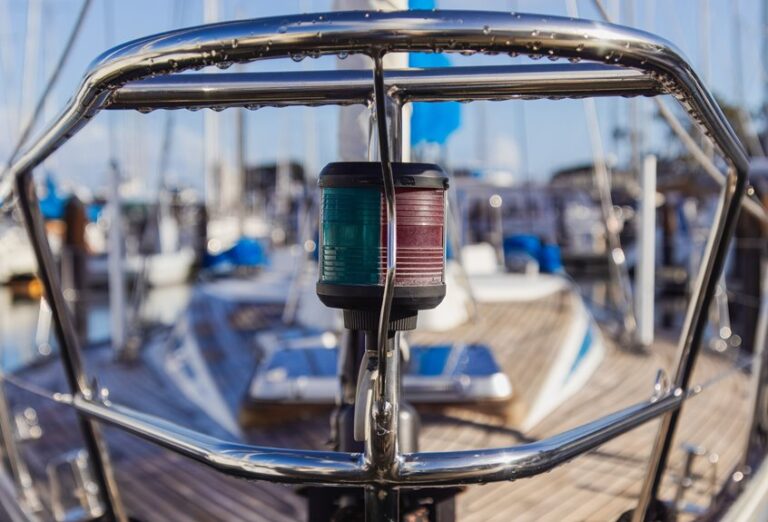


Boating stays enjoyable when basic precautions are taken before leaving the dock. Check the hull, fuel, battery, and safety gear so problems start off avoided. Monitor weather trends and watch for sudden shifts on the water. Load gear with balanced weight and secure loose items to prevent instability. Designate a sober, experienced operator to handle navigation and emergencies.
Common Boating Mistakes to Avoid
Even provided you’ve spent plenty of time on the water, small boating mistakes can still turn a fun day into a stressful one fast.
You can avoid most trouble by moving slowly, speaking clearly, and staying aware of everyone around you.
Good anchor etiquette matters because a sloppy drop can block traffic or tangle gear, so give others space and set it with care.
Propeller awareness matters too, especially whenever swimmers, lines, or floating debris drift close behind you.
You should also keep your speed steady in tight areas, watch your wake, and listen whenever your crew points out risks.
Whenever you stay calm and attentive, you help everyone feel safer and more included on the water. That’s how good boaters look out for each other.
Skip Pre-Trip Boat Checks
Before you launch, take a few minutes to check your boat, because small issues can turn into big problems fast. Look over the hull, fuel, battery, lights, and safety gear so you can catch trouble before it catches you. A quick pre-trip check gives you more peace of mind and helps your day on the water start smoothly.
Pre-Launch Safety Check
A quick pre-launch safety check can save your whole day on the water, because a missed problem at the dock can turn into a stressful fix once you’re already underway. Start with your pre launch checklist so you and your crew feel ready and included, not rushed or unsure.
Walk the boat, look for loose gear, and make sure every life jacket is easy to reach. Then give a short safety briefing so everyone knows the plan, where to sit, and what to do should something feel off.
Check that lines are clear, the area around the boat is tidy, and the fuel cap is secure. Whenever you take these few minutes together, you build trust, calm nerves, and launch with confidence.
Inspect Critical Systems
Now that you’ve done the walkaround, keep that calm momentum and inspect the boat’s critical systems before you cast off. Check the electrical systems for loose wires, dead batteries, and blinking faults.
Then examine bilge pumps so you know they’ll clear water when you need them most. Next, look over fuel lines for cracks, leaks, or weak clamps, because a small drip can steal your day fast.
After that, move the steering mechanisms and make sure they respond smoothly, with no sticking or play. If anything feels off, fix it now or ask for help.
You’re not being picky, you’re protecting your crew and your good time. A careful check helps you launch with confidence and join the water with the rest of us, not with avoidable stress.
Watch Weather and Water Conditions
Whenever you watch the sky and the water closely, you give yourself a much better chance of staying safe and calm on the boat. Check local forecasts before you leave, then keep an eye on shoreline forecasting as you move, because weather can change fast near bays and coves.
Build microclimate awareness by noticing dark water, sudden wind shifts, and rain clouds that seem to pop up out of nowhere. Should the breeze stiffen or the water starts to chop, slow down and reassess.
You’ll also feel more at ease whenever you trust your own observations instead of hoping conditions will hold. Stay connected with your crew, share what you see, and speak up promptly. That simple habit helps everyone feel prepared, included, and ready together.
Load the Boat Within Safe Limits
Before you push off, make sure your boat isn’t carrying more than it can handle. Check the maker’s limit, then match your gear, guests, and supplies to that number. Keep weight distribution even so the bow and stern ride level, and place heavier items low and near the center. That helps you steer with confidence and keeps everyone feeling steady.
Next, secure every bag, cooler, and box with strong cargo securing so nothing shifts whenever you turn or hit a wake. A loose load can throw off balance fast, and nobody wants that surprise.
In case your group brings extra gear, talk it through together and trim what you don’t need. Whenever you load smart, you protect your crew, your boat, and the easygoing day you came out for.
Handle Fuel and Battery Issues Early
Before you leave the dock, check your fuel level so you’re not stuck guessing as the engine starts to sputter.
You should also examine your battery often, since a weak battery can turn a smooth trip into a frustrating stop.
A few quick checks now can save you from a big headache later.
Check Fuel Levels Early
A quick fuel check can save your whole day on the water, and it’s one of those small habits that pays off fast. You belong out there with confidence, not worry. Before you untie, look at the fuel gauge and match it with your trip plan. Use reserve planning so you keep extra fuel for wind, detours, or a longer ride home. That simple habit keeps your crew calm and your plans on track.
| Check | Why it helps |
|---|---|
| Fuel gauge | Shows your starting point |
| Tank level | Tells you what’s usable |
| Trip length | Helps you estimate needs |
| Reserve planning | Gives you a safety buffer |
| Final look | Catches mistakes promptly |
When you check promptly, you protect your day and stay in the boating circle.
Test Battery Health Regularly
Often, a weak battery causes just as much trouble as a low fuel tank, so it helps to check battery health regularly and catch trouble promptly. You can keep your crew calm by making battery diagnostics part of your routine before every trip.
Initially, look for loose terminals, corrosion, or swelling. Then, use state of charge monitoring to see whether the battery can hold power overnight. In case the reading drops fast, charge it or replace it before you head out. You’ll save yourself from dead starts, dim lights, and awkward dockside help.
Also, keep connections clean and dry, because a small bit of grime can act like a sneaky gatekeeper. Whenever you stay ahead of battery trouble, your boat feels ready, and you feel like you belong out there.
Avoid Navigation and Chart Errors
Whenever you’re out on the water, even a small chart mistake can turn a calm trip into a stressful one, so it pays to slow down and double-check your route. You belong with boaters who trust their eyes and their tools. Stay current with chart updates, because shoals, buoys, and channels can shift. Mark waypoints before you cast off, then compare them with landmarks as you go.
| Check | Why it helps |
|---|---|
| Chart updates | Keeps you off new hazards |
| Waypoint marking | Confirms your planned path |
| Depth readings | Warns you in advance |
| Compass check | Catches heading drift |
At the time you spot a mismatch, pause and fix it prior to your continued movement. A calm review now saves nerves later, and it keeps your crew feeling steady together.
Dock Smoothly Without Scratches
Sliding into a dock can feel easy until a tiny bump leaves a fresh scrape on your hull, so take your time and line up promptly.
Keep your speed slow, and use small bursts of power so you stay in control.
Watch the wind and current, then angle in with calm hands and a steady eye.
Place fenders where they’ll meet the dock initially, because smart fender placement protects your paint and your peace of mind.
In case your boat has a bow thruster, use it gently to nudge the bow where you want it.
Then step off with confidence, and bring in your lines one at a time.
As you move smoothly, your crew feels relaxed, and your boat looks cared for every time.
Follow Basic Boating Safety Rules
You should wear a life jacket every time you’re on the water, because it can keep you safe whenever things go wrong fast.
Before you leave, check the weather so you don’t get caught in rough waves or sudden storms.
And should you be boating, skip the alcohol, since clear judgment helps you protect yourself and everyone with you.
Wear Life Jackets
Wearing a life jacket can feel like a small step, but it can make a huge difference the instant something goes wrong on the water. Once you suit up, you help your crew feel safer too, because everyone belongs in a boat where safety comes foremost. Pick a snug fit, and choose inflatable vests for adults who want easier movement. For kids, child specific lifejackets give extra support and peace of mind.
| Choice | Best For | Why It Matters |
|---|---|---|
| Standard vest | Short trips | Simple, dependable protection |
| Inflatable vests | Active adults | Comfort helps you keep it on |
| Child specific lifejackets | Young riders | Better fit means better safety |
If you wear yours every trip, you set the tone for the whole boat. That habit says, “We look out for each other.”
Check Weather Conditions
Before you untie the boat, check the forecast and the sky, because weather can change a calm day fast. You belong on the water whenever you prepare, not whenever you guess. Use weather forecasting tools before you launch, then look again right before you leave.
Watch for dark clouds, strong wind, lightning, and dropping temperatures. On lakes and bays, practice microclimate awareness, since one shore can stay sunny while another turns rough.
Should the wind pick up or the water starts to chop, head back promptly and keep your group informed. A quick check helps you avoid stress, protects your plans, and keeps everyone together. Good boating feels better so long as you stay one step ahead of the weather.
Avoid Alcohol Use
Alcohol and boating don’t mix well, even though the water looks calm and the mood feels easy. Whenever you’re on board, you need steady hands, clear eyes, and quick choices. That’s how your crew stays safe and close.
- Choose a designated skipper who stays alcohol free.
- Bring non alcoholic alternatives so everyone still feels included.
- Set the tone promptly and remind friends that one bad call can spoil the whole trip.
Alcohol slows your reactions and clouds your judgment, which can turn a fun outing into a scary one. In case someone pushes a drink, speak up kindly and stick together. You’re not being strict; you’re looking out for your crew. Safe boating feels better whenever everyone can relax, laugh, and know they’re in good hands.
Balance Passengers and Weight Properly
A boat feels steadier as you spread out people and gear with care. Good weight distribution helps everyone feel confident, and passenger spacing keeps the deck calm. You can ask friends to sit where the captain directs, then place coolers, anchors, and bags low and even.
| Place | Why it helps | Quick check |
|---|---|---|
| Bow | Keeps the front from dipping | Light items only |
| Center | Holds the ride steady | Seat a few riders here |
| Stern | Supports balance at rest | Avoid piling extras |
When you move as one team, the boat handles better and your group relaxes. Before you leave the dock, look around and adjust until the deck feels level. That simple habit builds trust, and it makes every trip more comfortable for everyone aboard.
Prevent Engine Trouble on the Water
Keep your engine happy, and your whole trip feels calmer. You belong on the water, so give your motor the same care you give your crew. Start with simple checks before you launch.
- Look for leaks, loose wires, and low fluid levels.
- Run propulsion diagnostics so you catch warning signs early.
- Keep cooling maintenance on schedule by flushing, inspecting, and clearing buildup.
If the engine starts to sound rough, slow down and listen. Small changes often show up before bigger trouble hits. You can also carry spare fuel filters and the right tools, which helps you stay ready without stress. Whenever you stay alert and calm, you protect your ride and keep your day moving with your boating people.
Build Better Boating Habits
Smart boating habits start long before you untie the dock line, and they often make the difference between a smooth day and a stressful one. You can build trust with your crew by checking gear, studying the weather, and keeping routine maintenance on track. Whenever you make these steps part of every trip, you protect everyone aboard and feel more confident, too.
Next, keep situational awareness sharp by watching other boats, shifting water, and changing wind. A quick scan can help you spot trouble prematurely and keep your group calm.
Also, learn the rules of your local waters, and share duties so no one feels lost. Small habits like these help you fit in with smart boaters and make every outing safer, easier, and more enjoyable.
Frequently Asked Questions
How Often Should I Replace My Boat’s Fire Extinguisher?
Replace your boat’s fire extinguisher whenever it reaches its replacement intervals or sooner if the inspection tags show damage or expiry. You will keep your crew safe, stay compliant, and be ready for every outing together.
What’s the Best Way to Store Life Jackets on Board?
You should keep life jackets in cabin storage or a quick access rack, dry and ventilated; 92% of unexpected splashes hit fast, so you will protect your crew like a lifeline, always ready.
How Do I Clean Saltwater off My Boat After Use?
You rinse immediately with fresh water, then wipe dry every surface. Do not forget rails, seats, and fittings. This simple habit helps you protect the finish, keep your boat looking great, and feel ready for the next trip.
Which Knots Are Most Useful for Everyday Boating?
You’ll use the Bowline knot for secure loops and the Cleat hitch for tying off dock lines. Learn these two and you’ll fit right in with confident boaters who handle everyday docking smoothly.
How Can I Reduce Glare on the Water While Boating?
Wear polarized sunglasses, raise an adjustable bimini and add an anti glare coating. Sunlight bedazzles water mirrors your crew sees clearly and you fit right in. Finish with a glare reducing visor for extra comfort.