
Camping for the first time becomes smooth with a few reliable basics. Bring a simple shelter, a warm sleeping system, and layered clothing for comfort. Pack straightforward food, a clean water plan, and a small cook setup that’s easy to use. Add safety items, weather-ready gear, and a tidy campsite routine to reduce stress. These steps create a relaxed, enjoyable overnight outdoor experience for beginners.
First Camping Trip Packing List
Before you zip up your bag and head out, it helps to build a camping packing list that keeps you calm, warm, and ready for the little surprises that come with your initial trip.
Start with the basics you’ll reach for fast: water, snacks, a flashlight, extra batteries, a map, and a simple primary-aid kit.
Then pack clothing that layers well, plus dry socks so you don’t feel stuck in damp gear.
Bring soap, a towel, sunscreen, and bug spray, because comfort matters more than looking tough out there.
Next, add items that support campfire etiquette, like a glove for handling hot tools and a small container for trash.
Finally, keep wildlife awareness in mind by storing food tightly and packing a whistle.
Choose the Right Camping Shelter
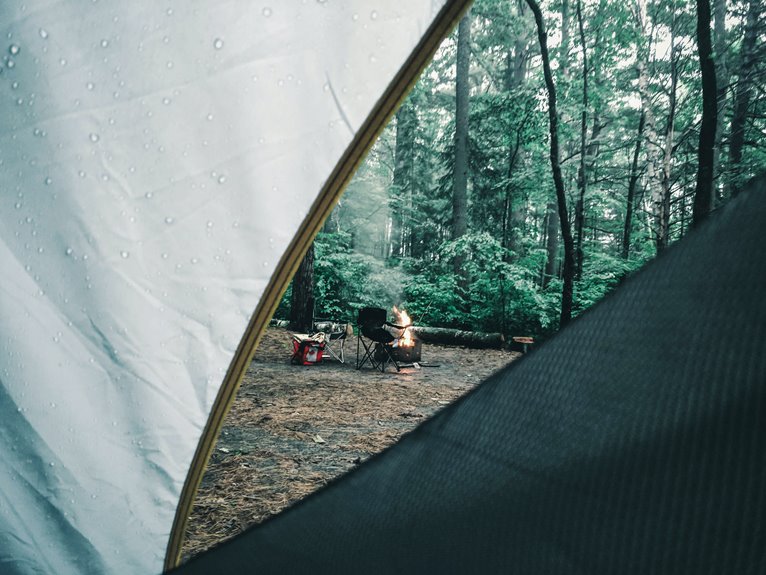
Whenever you choose your camping shelter, make sure it fits the number of people sleeping in it, because a tent that’s too small can turn a fun night into a cramped one fast.
You’ll also want weather protection features like a rainfly, strong seams, and good ventilation so you stay dry and comfortable should the weather change.
And in the event you’re new to camping, pick an easy setup option so you can spend less time wrestling poles and more time enjoying the trip.
Tent Size Matters
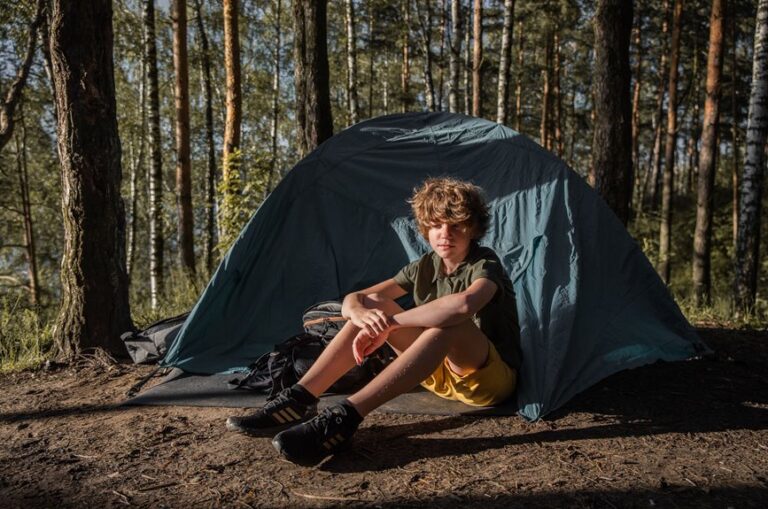
A tent can make or break your initial camping trip, so size matters more than you could suppose. You want enough room to sleep well, change clothes, and stash gear without bumping elbows. Start with the tent’s Peak capacity, then choose one size up so your group feels less cramped and more at home.
- Pick a two-person tent provided you’re solo and want space.
- Choose Vestibule storage for muddy shoes or packs.
- Check the floor length provided you’re tall or share with a friend.
When you match space to your group, you join the campsite crowd with confidence. A snug fit can feel cozy, but a thoughtful fit helps everyone relax, laugh, and enjoy the night.
Weather Protection Features
Weather can change fast outdoors, so the right shelter should do more than stand up. You need a tent that blocks wind, sheds rain, and holds warmth whenever the night turns cold.
Check for sealed seams, a strong rainfly, and a floor that keeps puddles outside where they belong. A higher bathtub floor helps you stay dry during the ground gets sloppy.
Good ventilation matters too, because trapped moisture can make you feel damp and cranky fast. Should you pack waterproof footwear, you’ll protect your feet once you step out at dawn.
And whenever temperatures drop, insulated gloves help you handle wet lines and chilly gear without losing comfort. With these features, your shelter feels like a small, reliable home.
Easy Setup Options
Provided you want your initial camping trip to feel calm instead of chaotic, start with a shelter that sets up fast and makes sense right away. You’ll feel better whenever your gear helps you join the campsite rhythm instead of fighting it. Quick shelters save time, and pop up options can help you settle in before daylight fades.
- Pick a tent with color-coded poles so you can match pieces without stress.
- Choose a freestanding design ought you want to move it around easily.
- Look for simple clips or hubs that lock in place with little effort.
Whenever you practice at home, you’ll walk into camp with more confidence. That small win matters, because comfort starts once your shelter feels like part of your team.
Pick Comfortable Sleep Gear
Upon selecting your sleep gear, begin with a pad that cushions your body and keeps the cold ground from stealing your rest. Then choose a sleeping bag that feels warm but not too tight, so you can sleep more easily and wake up ready for the next day. A little comfort at night can make your whole camping trip feel a lot better.
Choosing The Right Pad
A good sleeping pad can make the difference between a tired, cranky morning and a campsite night you actually enjoy. You want a pad that fits your body and your style, so you feel like you belong out there with everyone else. To begin, check thickness and insulation for the ground you’ll face. Second, choose between closed cell foam and an inflatable pad based on comfort and pack size. Third, confirm inflatable compatibility with your pump or sack, so setup stays easy.
- Assess the width in your tent.
- Look for quiet fabric that won’t squeak.
- Pick a pad that stays firm through the night.
When you match the pad to your trip, you sleep better and wake up ready to join the campfire crew with a smile.
Sleeping Bag Comfort Tips
Next, focus on your sleeping bag, because cozy gear can turn a chilly night into real rest. You want a bag that fits your body without squeezing your shoulders or leaving cold pockets around your feet. Check the temperature rating, then add temperature regulating liners provided the forecast swings up and down. They help you stay comfy without waking up sweaty or shivery.
Next, keep the zipper smooth, since a stuck zipper can ruin your mood fast. Use zipper maintenance tips like brushing away grit and trialing it before dark. Also, wear dry socks and a soft hat, because heat leaves through your head and toes. Once you settle in, fluff the bag, zip it slowly, and let yourself relax with the camp around you.
Pack Camp Kitchen Essentials
Tuck the camp kitchen basics into one simple bin, and you’ll save yourself a lot of stress once you reach the campsite. With a few smart pieces, you can cook like you belong there, even provided it’s your initial trip.
Start with these essentials:
- A sturdy plate, bowl, mug, and utensil set
- Campfire cookware that handles heat and cleans up fast
- A portable spice kit so your meals taste like home
Next, add a small cutting board, dish soap, and a quick-dry towel. Keep everything together, so you’re not hunting through bags when hunger hits.
Whenever your gear is easy to reach, you’ll feel calmer and more settled around the fire. Then you can focus on sharing easy meals and enjoying the group around you.
Bring Enough Food and Water
Before you hit the trail, make sure your cooler, water jugs, and snacks can carry you through the whole trip without worry.
You want enough food so nobody gets cranky by noon, and enough water so everyone stays steady and ready.
For simple meal preps, choose foods that travel well, like wraps, fruit, trail mix, and easy sandwiches.
Pack a little extra in case the hike runs long or the group gets hungrier than planned.
With hydration planning, fill reusable bottles before you leave and keep a spare jug in camp.
Also, store snacks where you can reach them fast, so you don’t dig through everything once hunger hits.
Whenever you plan ahead, you give your whole crew a calmer, happier start outdoors.
Dress in Layers for the Weather
When you camp, start with a base layer that keeps sweat off your skin, then add a mid layer for warmth and an outer layer for wind or rain.
This simple stack helps you stay comfortable whenever the weather changes fast, which it often does outdoors.
Base, Mid, And Outer Layers
Dressing in layers can make your initial camping trip feel a lot less stressful, because the weather can change fast and your comfort depends on staying ready for it. You’ll fit in better at camp whenever you dress smart and keep your body dry, warm, and covered.
- Start with a moisture wicking base to pull sweat off your skin.
- Add insulating midlayers like fleece so you hold warmth without feeling bulky.
- Finish with an outer layer that blocks wind and light rain, so you stay steady.
Whenever you choose each layer well, you don’t have to guess what the group will need next. Instead, you can move with confidence, join the fun, and feel like you belong out there.
Adapt To Temperature Swings
Weather in camp can flip fast, so your layers need to work just as hard as you do. Start with a breathable base, then add a warm middle, and keep a light shell ready. This helps you adjust as the sun drops behind trees or a breeze rolls through the site.
With microclimate awareness, you can notice how a shady creek bank feels colder than the sunny trail, even on the same day. That small shift matters.
Thermal inertia also works in your favor, since tents, rocks, and damp ground hold cool air longer than you may expect. So, zip up before you shiver, and peel off before you sweat. Whenever you stay ready, you feel calmer, cozier, and more at home outside.
Pack First Aid and Safety Essentials
Before you head out, pack a small initial aid kit and a few safety basics so you can handle little problems fast and stay calm whether something goes wrong. You’ll feel more at home outside once you know you’re ready for cuts, blisters, and sore muscles.
Build your kit with care, then tuck it where you can reach it quickly.
- Bandages, antiseptic wipes, and pain relief
- Tweezers, gloves, and any personal medicine
- A portable defibrillator and wilderness communication tools
These items help you respond with confidence in case someone gets hurt or separated. Check dates, replace used supplies, and learn the basics before you leave.
Whenever your group shares the same safety plan, everyone relaxes more and enjoys camp with less worry.
Bring Lighting and Power Supplies
Good lighting can keep a campsite calm, safe, and easy to move through after sunset, especially as you’re already tired from a long day outside.
Pack solar lanterns for steady light around your tent or picnic area, and let the sun do some of the work for you. Add rechargeable headlamps so you can keep both hands free whenever you’re settling in or walking at night.
A small power station helps you charge phones and other must-have devices whenever you need a little backup. Bring USB adapters too, since they make charging simpler and keep your setup flexible.
If you choose gear that fits together, you’ll feel more prepared, more relaxed, and more like part of the camping crowd.
Pack Useful Camping Tools
Next, pack a few multi-use tools that can handle small jobs without taking much space in your bag.
You’ll also want to keep your lights and power items close, since they help you stay safe and comfy after dark.
Finally, tuck in a small repair and safety kit so you can fix little problems fast and keep your trip moving smoothly.
Must-Have Multi-Use Tools
A small, smart tool kit can make your initial camping trip feel a lot less stressful, because the right gear solves little problems before they grow into big ones.
You’ll fit in fast whenever you carry compact multi tools that handle chores without crowding your pack.
Choose survival multitools that open cans, cut cord, and tighten loose gear, so you can stay ready with less fuss.
- Pick a folding knife with a sturdy blade.
- Add pliers for quick repairs and grip.
- Carry a bottle opener and screwdriver combo.
Then stash each tool where you can reach it quickly.
Whenever a strap loosens or a tent line snags, you won’t panic.
You’ll just handle it, keep moving, and feel like part of the campsite crew.
Lighting And Power
Once the sun drops, your campsite can feel calm and cozy, but only provided you can see what you’re doing and keep your devices alive. Pack battery lanterns so you can light the tent, cook dinner, and read without straining your eyes. You’ll feel more settled whenever the glow is steady and easy to move from table to trail.
Add a headlamp too, since it keeps both hands free whenever you’re zipping bags or finding snacks. For power, bring solar chargers and give them sun time during the day. That way, you can top off your phone, GPS, or camera without hunting for an outlet. A small power bank helps on cloudy days, so you stay connected and part of the crew.
Repair And Safety Kit
As you’re out in the wild, small problems can turn into big headaches fast, so a repair and safety kit gives you peace of mind before that occurs. You’ll fit right in with campers who stay ready and calm. Pack duct tape hacks for torn tarps, loose poles, and quick patch jobs. Add a sewing kit so you can fix ripped seams before a chilly breeze sneaks in. Then keep a small multi-tool, spare lighter, bandages, antiseptic wipes, and whistle close at hand.
- Duct tape for rapid fixes
- Sewing kit for fabric repairs
- Primary-aid and signal items for safety
When you can solve little issues on the spot, you spend less time stressing and more time enjoying the trail, the fire, and the good company around you.
Bring Toiletries and Personal Care Items
Packing toiletries can feel like a small thing, but it makes a big difference once you’re out in the woods. You’ll feel more at home whenever you pack travel size toiletries, biodegradable soap, a compact toothbrush, menstrual supplies, and a quick dry towel. Add deodorant wipes, sunscreen lipbalm, insect repellent, contact case solution, and a medicine organizer so you can handle freshening up with ease.
| Item | Why it helps | Easy win |
|---|---|---|
| Toiletries | Keeps you clean | Less stress |
| Personal care | Supports comfort | More confidence |
| Small extras | Fill daily gaps | Better camping |
Whenever you wash up, you’ll stay comfy and ready for the next trail stretch. Should you share gear with friends, these items help you blend in as part of the camp crew, not the “forgot my toothbrush” person.
Organize Your Camping Essentials Before You Leave
Spread your gear out before you zip up the last bag, because a little order now can save you a lot of stress at camp.
Whenever you do a pre trip inventory, you can spot missing socks, low batteries, or that mug you always forget.
Then use gear staging so each bag has a clear job, and you won’t feel like you’re hunting for supplies in the dark.
- Lay out clothing, food, and shelter items in one spot.
- Check each piece against your list and pack the same way every time.
- Keep small essentials in one pouch so they’re easy to reach.
That simple routine helps you feel ready, calm, and part of the camping crowd before you even hit the road.
Plan for Campsite Comfort and Cleanup
Even with the fun parts of camping, comfort and cleanup can make or break your mood once the sun goes down. You can build portable comfort with a soft chair, a headlamp, and a small table so everyone has a place to relax together.
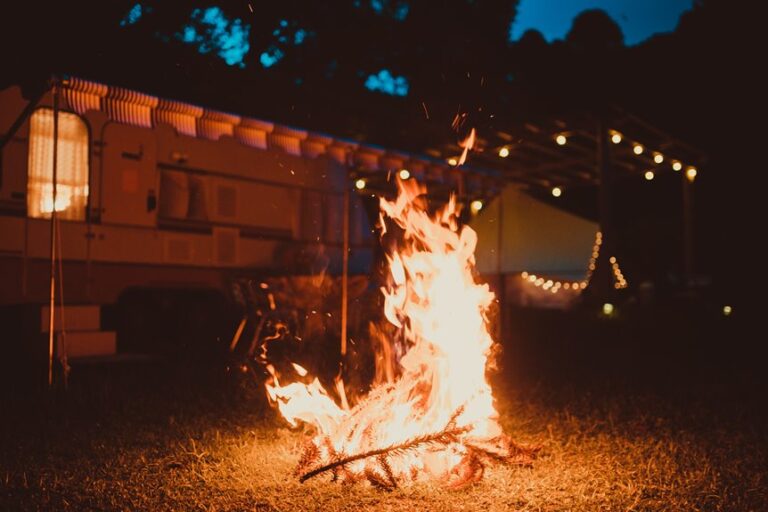
Keep your cooking area tidy, and follow campfire etiquette through clearing space around the fire ring and never leaving it alone.
For trash management, bring a sturdy bag, sort scraps fast, and stash food wrappers before they blow away. Then you’ll protect the site and feel like a careful camper, not a guest who forgot the rules.
To leave no trace, pack out every bit of waste, wipe down shared gear, and check the ground before you turn in.
Adjust Your Camping Essentials for the Weather
Once the weather shifts, your gear should shift with it, too, because a warm sunny afternoon can turn into a chilly, wet night before you know it. Build a weather checklist before you leave, then make gear swaps that match the forecast and help you feel at home outside.
- Pack layers you can add or remove, so you stay steady as temperatures change.
- Bring a rain shell and dry socks, because damp gear can drain your mood fast.
- Choose a warmer sleeping bag or blanket whenever nights look cool, so you rest easier.
Also, stash a hat, sunscreen, and a light tarp for sun or drizzle. If you check the sky and adjust beforehand, you join the campers who stay ready, calm, and comfortable.
Avoid Common First-Time Camping Mistakes
A little weather planning can save you from a rough night, and the same goes for a few simple camping habits that many novice-timers miss.
You’ll feel more at home outdoors once you check route planning before you leave, so you don’t arrive tired, lost, or rushing.
Pack a clear map, share your plan, and keep snacks handy for the drive in.
Once you’re at camp, set up your tent before dark and keep gear in one place so you’re not hunting for socks at midnight.
Then respect campfire etiquette by using only allowed wood, keeping flames small, and putting them out fully.
Small choices like these help you fit in with seasoned campers and make the whole trip calmer, safer, and way more fun.
Frequently Asked Questions
How Do I Choose a Beginner-Friendly Campground?
Choose a campground with easy amenities, gentle terrain, and clear rules. You will feel welcome once you find sites near restrooms, water, and trails. Is that the heart of comfort? Check reviews, then book confidently.
Do I Need Reservations for Popular Campsites?
Yes, you usually do. You should book ahead of time, especially during peak seasons, because popular sites fill quickly. Check reservation windows, then join the campers who plan ahead and avoid disappointment when you arrive.
How Early Should I Arrive at the Campsite?
Arrive early, ideally before midday. Why rush? You’ll claim a good spot, meet fellow campers, and keep your setup timeline relaxed. Even popular sites feel friendlier once you settle in ahead of the crowd.
What Camping Permits or Passes Might I Need?
You might need campground permits, backcountry permits, or park entry passes. You will usually buy them online or at the ranger station, and you will feel more at home aware you have everything set before arrival.
How Can I Keep Wildlife Away From My Campsite?
Lock away food in scent proof storage and make boundary noise whenever wildlife nears; silence draws them but your steady presence tells them you belong. Keep a clean camp and you’ll reduce curious visitors.