

A canoe seats higher with an open cockpit and often carries extra gear or a passenger. A kayak places the paddler lower, offering a closer feel to the water and better tracking for speed. Canoes turn slower but provide stability and roomy storage. Kayaks turn quicker and respond faster to strokes for agility. Choose based on desired comfort, cargo capacity, and the paddling style preferred.
What’s the Difference Between a Canoe and Kayak?
Although canoeing and kayaking look similar at initially glance, they feel different the moment you step inside each one. In a canoe, you usually sit or kneel higher, and the open design gives you more room to move and share space with others. A kayak places you lower inside a closed cockpit, so you feel snug and more connected to the water.
Their design evolution grew from different needs, which explains the fit you notice right away. Canoes trace cultural origins to travel, hauling, and family use, while kayaks came from hunters who needed speed and control. So whenever you choose one, you’re really choosing a different rhythm, one that matches how you want to belong on the water.
Canoe vs Kayak Gear
Your gear can shape your whole time on the water, so it helps to know what changes between a canoe and a kayak before you pack up. In a canoe, you usually want a wider seat, extra storage space, and gear that stays low and steady. You can bring dry bags, a cooler, and more layers without feeling crammed. In a kayak, the fit gets snugger, so a solo seat matters more, and you’ll likely use smaller bags that slip into tight spots. Many kayaks also include deck rigging, which gives you a handy place to secure gear within reach. That setup can make you feel more settled and prepared. So, whenever you choose your pack, consider about comfort, space, and how easy it’ll be to keep your stuff close.
How Canoes and Kayaks Are Paddled
Paddle strokes might look simple at initially, but the way you move in a canoe and a kayak feels very different once you’re on the water.
In a canoe, you usually kneel or sit higher, so your seating posture gives you reach and control. You switch sides to keep a straight path, and that changes your stroke mechanics and muscle engagement. In a kayak, you sit low with your legs forward, and you use a double-bladed paddle. Because of that, your rhythm stays steady, and each pull feels smoother. Blade angle matters in both boats, since a clean catch helps you move with less strain. As you practice, you’ll feel more connected to the boat, and that comfort makes every stroke easier.
How They Handle on the Water
On the water, canoes and kayaks don’t just feel different in your hands, they behave differently under you. In a canoe, you sit higher, so the hull catches more wind and shifts with your weight. That gives you a steady, roomy ride, but it asks for more attention whenever you turn. A kayak sits lower and hugs the water, so you get quicker tracking responsiveness and cleaner wake interaction.
| Craft | Water feel |
|---|---|
| Canoe | Taller profile, more drift |
| Kayak | Lower profile, tighter glide |
Which Is Easier for Beginners?
Kayaking is often easier for beginners to pick up because the boat feels more stable, moves in a straight line more naturally, and responds fast whenever you need to correct your path. You can relax sooner, which helps you feel like you belong on the water right away.
With good beginner stability, you spend less energy fighting wobble and more time learning the basics.
Canoes can still feel welcoming, but they ask for more balance and a bit more coordination from you. Your entry techniques matter too, since sliding into a kayak usually feels simpler for many new paddlers than stepping into an open canoe.
Should you desire a calmer initial experience, kayak lessons often give you confidence faster. That early win can make your day feel easier, safer, and honestly, a lot more fun.
Canoe vs Kayak for Trips, Fishing, and Fitness
For trips, fishing, and fitness, the better boat depends on what you want most from your time on the water. Should you love solo excursions, a kayak can feel quick, tidy, and easy to move. It also gives you a stronger workout because you use your core and upper body more.
In case you want room for gear, snacks, or a fishing setup, a canoe often feels more relaxed and welcoming. For group outings, canoeing can help you share space and talk more easily. Kayaks, though, can keep pace well on longer trips and steady exercise days.
How to Choose Between a Canoe and Kayak
You can choose a canoe should you want open space, room for gear, and steady control on calmer water.
Should you expect rougher water or want a lower, faster ride, a kayak might suit you better.
Consider your purpose, then match the boat’s stability and cargo space to the conditions you’ll face.
Purpose And Water Conditions
When you’re choosing between a canoe and a kayak, the best place to start is with where you’ll paddle and what you want the trip to feel like.
In case you plan calm lakes, gentle rivers, or seasonal conditions that change fast, a canoe can give you a relaxed, open ride that feels social and easy to share.
In the event you’re heading into wind, chop, or narrow urban waterways, a kayak usually feels quicker and more controlled, so you can move with confidence.
Consider your local routes, too. A short sunset paddle near the city could call for one choice, while a quiet morning on a sheltered inlet might call for another.
As you match the boat to the water, you join the right rhythm and enjoy the outing more.
Stability And Cargo Needs
Stability often decides how calm your paddle feels, and cargo space can make or break a trip. Should you want a steady ride, a canoe usually gives you more confidence because its hull width spreads your weight and helps with load distribution. That wider feel can ease your nerves whenever you pack a cooler, dry bags, or a sleepy dog.
A kayak, though, can feel more secure once you sit low and stay centered. It fits your body snugly, so you might worry less about tipping in rough water. Were you to like sharing gear, camping supplies, or family essentials, choose the boat that matches your load. Whenever you paddle with the right setup, you’ll feel relaxed, capable, and ready to belong on the water.
Canoe and Kayak Safety Basics
Before you push off, make sure your life jacket fits snugly and stays on, because it’s your best backup in case you hit cold water or lose balance.
You should also hold your paddle with both hands and keep it close to the boat so you don’t strain your shoulders or whack your partner by accident.
Whenever you use calm, steady paddle strokes, you’ll stay in better control and feel a lot more confident on the water.
Life Jacket Essentials
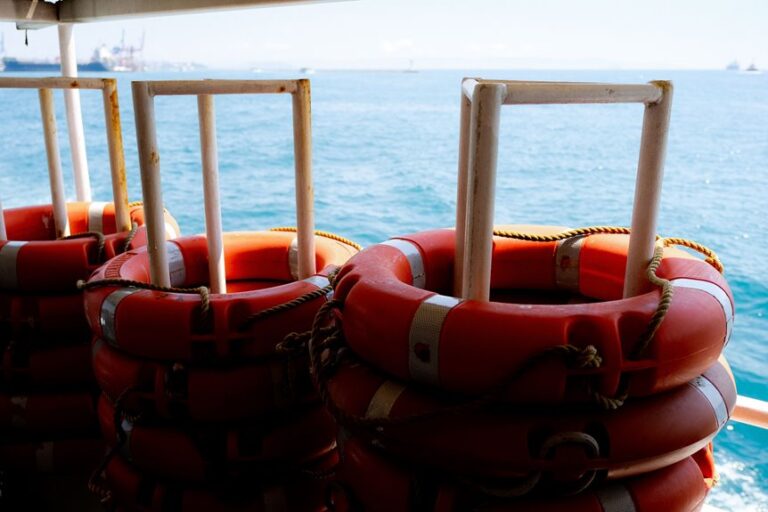
A life jacket can make the difference between a close call and a rescue, so you’ll want to treat it as essential gear every time you head out in a canoe or kayak.
Choose one that gives you proper personal buoyancy and feels comfortable enough to wear without fuss.
Fit examination matters, because a loose vest can ride up, shift, or distract you whenever you need calm confidence. You should check the straps, buckles, and sizing before launch, then make sure your jacket stays snug even whenever you lean forward or twist.
At the point you life jacket fits right, you join the group of paddlers who look out for each other and know safety starts with smart habits. It’s a simple step, but it supports your whole trip.
Paddle Safety Techniques
Once your life jacket feels secure, you can focus on how you move the paddle, because good technique keeps you safer and helps you stay in control. You’ll feel more at home on the water whenever each stroke stays smooth and deliberate.
Keep your hands relaxed, twist from your torso, and place the blade fully in the water before you pull. That helps you track straight and saves energy for the fun part.
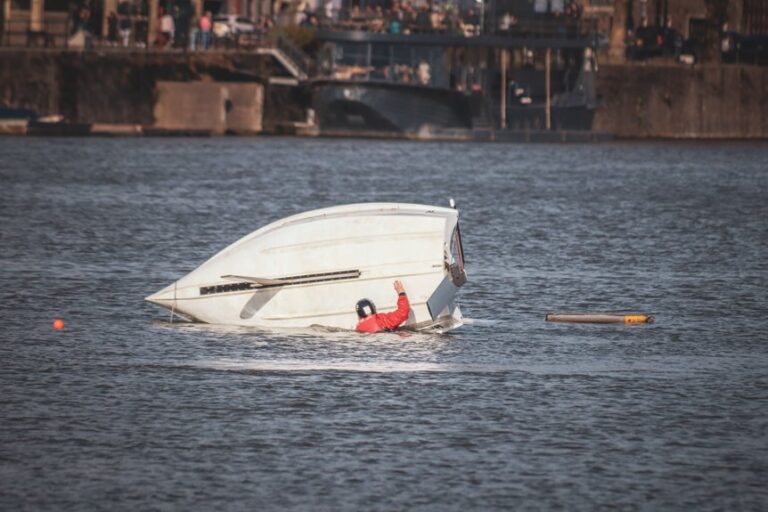
Should a wave bumps you, use brace strokes to steady yourself instead of fighting the water. In a kayak, practice wet exits in calm water so the motion feels familiar, not scary.
In a canoe, keep your grip balanced and your movements calm. Once you and your crew move with confidence, the whole trip feels safer and more connected.
Frequently Asked Questions
Can You Stand up in a Canoe?
Yes, you can stand up in a canoe provided it is stable, but you will need strong balance techniques. For stand up paddling you will usually feel safer with a wider craft and supportive crew around.
Which Is Faster, a Canoe or Kayak?
A kayak is usually faster; you’ll feel it slicing like a silver arrow through water. In this speed comparison, hull behavior favors kayaks, and you’ll fit right in with paddlers who prize quick, smooth strokes.
Are Tandem Kayaks Harder to Steer?
Yes, you’ll find tandem kayaks can be harder to steer, especially when you and your partner lack paddle coordination. Use steering techniques like matching strokes and clear communication, and you’ll feel more in sync together.
Do Canoes and Kayaks Need Different Trailers?
Yes, you will often use different trailers, but trailer compatibility varies across hull size and tie down setup. You will also want different loading techniques, and your paddling crew can help you choose the safest, easiest fit.
Can You Use a Kayak in Whitewater?
Yes, you can use a kayak in whitewater, where frothing currents surge like a vibrant river. You will need whitewater safety skills, the right boat, and the boofing technique. Join the crew and paddle confidently.