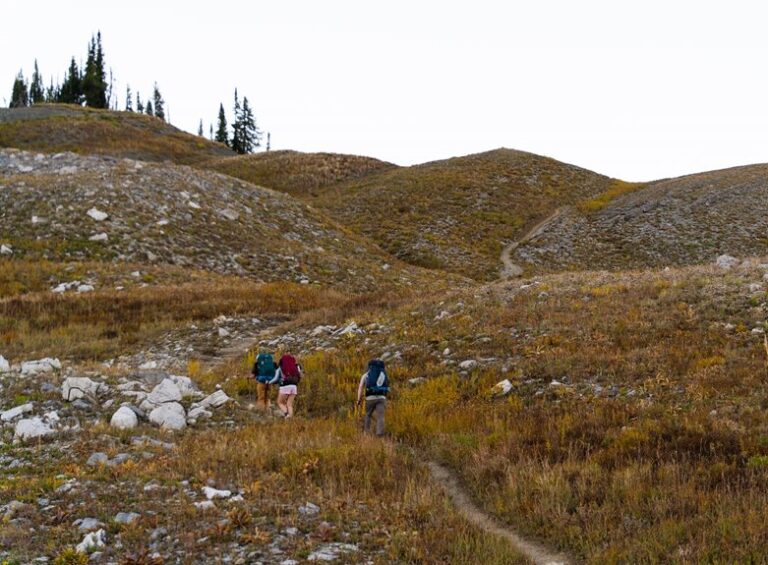


Walking on a shaded nature trail lowers stress and steadies heart rate. It reduces joint strain and improves balance through gentle, regular movement. Natural sounds and fresh air calm the mind and lift mood. Time outdoors sharpens focus and provides a restorative mental reset that urban walks rarely offer. Regular trail walks support physical fitness, better posture, and clearer thinking.
Why Nature Trail Walking Is So Healthy?
Walking onto a nature trail can feel like your whole body gets a fresh start. You slow down, breathe deeper, and notice the trees, birds, and trail under your feet. That sensory engagement helps your mind step away from stress and settle into the moment.
As you keep walking, your body also gets gentle movement, fresh air, and sunlight, which can support an immune lift over time. You don’t need fancy gear or perfect fitness to belong out there; the trail meets you where you are.
Because the pace feels friendly, you can keep going without pressure. So, each walk gives you calm, connection, and a simple way to care for yourself while feeling part of something bigger.
How Nature Trail Walking Supports Heart Health?
As you keep a steady pace on a nature trail, your heart gets a kind of friendly workout that feels easier than gym exercise. You join a calm rhythm, and your body responds with cardio adaptation over time. Your heart pumps more efficiently, and your vessels learn to open better, which supports endothelial function. That means blood can move with less effort, and your heart does not need to work as hard for the same pace.
| Trail Habit | Heart Benefit |
|---|---|
| Steady walking | Builds endurance |
| Gentle hills | Raises fitness |
| Fresh air | Supports pacing |
| Regular outings | Strengthens habits |
| Scenic focus | Keeps you engaged |
When you walk often, you give yourself a simple path toward stronger circulation and a healthier beat.
Why Trail Walking Reduces Stress?
As you walk a nature trail, your mind often slows down and your stress starts to ease.
The fresh air, soft sounds, and green views can help you feel calmer almost right away.
Even a short walk can give you a quiet break that helps nature do its soothing work.
Calmer Mind, Lower Stress
A quiet trail can do more for your mind than you could expect, because it gives your brain a break from noise, screens, and the constant push of daily life.
As you walk, you start to feel calmer, and your thoughts don’t race as much. That steady rhythm helps you settle in with the moment, almost like forest bathing for your nerves.
You also use sensory grounding whenever you notice the crunch of leaves, the cool air, and the smell of earth. Those simple details pull you back to yourself and away from stress.
Nature’s Soothing Effect
Nature has a quiet way of easing your stress before you even notice it. On a trail, you step into sensory immersion, where birds, leaves, and cool air pull your thoughts away from worry. This gentle shift helps your body slow down and your mind feel less crowded. You don’t have to force anything; you just keep walking, and the rhythm starts to settle you.
- You feel the crunch of the path, and that tiny sound says, “You’re safe here.”
- You see open green spaces, and your shoulders relax with them.
- You share a biophilic connection with the world around you, so you feel less alone.
Because the trail asks for simple attention, it gives you room to breathe, belong, and soften.
How Trail Walking Improves Mood and Focus?
If you stroll a nature trail, your mood can lift almost right away because fresh air, movement, and calm sights help your mind feel lighter.
You might also notice that your thoughts settle down, which makes it easier to focus on what’s in front of you.
Even a short trail walk can leave you feeling more upbeat and clear headed.
Mood Elevation
Trail walking can lift your mood in a gentle but powerful way, because it pulls you out of stressful routines and into a setting that feels calmer and more open. As you move, your body supports mood regulation, and that can bring a quiet serotonin lift that helps you feel more steady. You might notice your shoulders relax and your mind soften, almost like you’ve found your place again.
- You feel less alone whenever the trail seems to welcome you.
- You can share the path with others and feel quietly connected.
- You leave with a lighter heart and a more hopeful outlook.
If you walk where trees, birds, and fresh air surround you, you often feel seen, grounded, and ready to face the day with a little more warmth.
Sharper Focus
Sometimes, a simple walk on a nature trail can clear the mental fog faster than you expect. As you step over roots and hear birds nearby, your mind starts to settle. You notice your breathing, your feet, and the path ahead. That mindful walking gives your brain a break from constant noise, so you can ponder more clearly.
With each visit, you also practice attention training without even trying hard. You watch for rocks, curves, and shifting light, and that steady focus can carry into school, work, or busy home life. Even a short trail walk can help you feel more present and less scattered. In case you often feel pulled in many directions, this kind of quiet focus can feel like finding your place again.
How Trails Improve Balance and Coordination?
As you walk on a nature trail, your body has to make small, steady adjustments with every step, and that’s a big reason these paths help improve balance and coordination.
Uneven ground asks you to notice where you are, so sensory integration and proprioceptive training work together. Your feet, ankles, and eyes share quick information, and you stay centered without forcing it. That can feel reassuring, like you’re part of a steady group moving through the same green space.
- You might feel more sure-footed on roots and rocks.
- You can trust your body a little more each time.
- You often leave with a calmer mind and a lighter step.
Because the trail keeps changing, you practice control in a natural, friendly way.
Which Muscles Do Trail Walks Work?
Each step on a nature trail wakes up a surprising mix of muscles, and that’s what makes the walk feel both steady and full-body.
You use your calves with every push, so calf activation helps you move forward with ease.
Your glutes also join in, and steady glute strengthening supports each stride.
At the same time, your core engagement keeps you upright and centered, almost like an unseen hand at your middle.
Your hip stabilizers work too, helping your legs stay aligned as you turn, pause, and climb.
Together, these muscles help you feel capable and connected on the path.
Why Uneven Terrain Burns More Calories?
Those steady trail steps do more than work your muscles, because uneven ground asks your body to keep adjusting with every move. You lift, balance, and push off again, so your heart works a little harder and your calorie burn rises. That extra effort comes from Footwork variability, since rocks, roots, and slopes force quick changes in direction. As the path tilts, incline metabolism climbs too, and your body uses more energy to keep you moving with control.
- You feel stronger with each careful step.
- You belong on trails where every wobble becomes progress.
- You earn a real sense of grit, not just sweat.
How Fresh Air and Sunlight Boost Trail Walks?
Fresh air can change your whole trail walk in a quiet but real way, because it helps you breathe easier and feel more awake as you move. Whenever you step onto a trail, fresh air can feel clean and steady, almost like the path is welcoming you in. You could notice your thoughts settle, and that can make the walk feel more enjoyable and less rushed.
Sunlight adds another lift through warming your skin and helping your body make vitamin D. That small surge can support your mood, so you may well smile more without even trying. Together, fresh air and sunlight help you feel connected to the trail, the trees, and the people walking beside you. It’s a simple kind of belonging that makes each step feel lighter.
Why Trail Walking Is Easy on Your Joints?
Walking on a trail is often easier on your joints because the ground gives a little under your feet instead of hitting back hard like concrete. That softer surface helps you move with a cushioned stride, so each step feels smoother.
Once roots, dirt, and leaves replace hard pavement, you can settle into a joint friendly pace that feels kinder on your knees, hips, and ankles.
- You could feel less pounding, so walking can stay comfortable longer.
- You can relax into the rhythm and feel like you belong out there.
- You might finish with less stiffness, which makes the next walk feel more inviting.
If you’ve worried that walking would be too rough, trail paths can change that story. They let you keep moving with more ease and confidence.
How Nature Helps You Mentally Reset?
Whenever you walk a nature trail, the stress in your mind can start to loosen its grip as fresh air and quiet sounds help you breathe easier.
The steady rhythm of your steps can clear mental clutter, so you feel more focused and present.
Even a short stretch outdoors can give you a restorative pause that helps you return feeling lighter and more balanced.
Stress Relief Through Nature
Nature has a quiet way of easing your mind, and that calm can feel like a real reset after a long, tense day. As you walk a trail, forest bathing and sensory immersion invite you to slow down, breathe easier, and feel less alone with your stress. You notice leaves, birds, and fresh air, and your body starts to unclench.
- You hear rustling branches and feel your shoulders drop.
- You smell pine or damp earth and feel grounded.
- You see open green space and recall you belong.
This simple contact can soften worry without asking you to fix everything at once. Instead, nature gives you a safe pause, like a friendly nod from the world, and that can help you carry less weight home.
Mental Clarity On Trails
A calmer mind on the trail often shows up before you even notice it. Whenever you walk under trees, your thoughts can slow down and settle into place. You’re not forcing clarity; you’re letting it return.
| Trail cue | Mental shift |
|---|---|
| Birdsong | You refocus |
| Soft wind | You relax |
| Steady steps | You ponder clearly |
Use mindful mapping to notice the path ahead and keep your attention in the present. Then try sensory journaling after your walk. Write down one scent, one sound, and one color that stood out. These small notes help you see your own day with less noise. Take note your mind feels crowded, the trail gives you a place where you belong and can sort things out without pressure.
Restorative Outdoor Moments
Should your mind feels heavy, a quiet trail can help it loosen its grip and breathe again.
You step past noise, and the trees start working like kind company. Their steady shade, soft wind, and simple rhythm remind you that you don’t have to hold everything at once. With canopy listening, you catch leaves brushing overhead, and your thoughts slow to match them. Then wildflower spotting gives your eyes a small, bright job, which helps your mood settle.
- You feel less alone as birdsong fills the space.
- You notice your shoulders drop once the path opens.
- You return with a calmer pace and a lighter heart.
How to Start Walking Nature Trails Safely?
Step onto a nature trail with confidence through starting small, staying alert, and giving yourself time to settle in. Choose an easy path close to home, and tell someone where you’re going. Check the weather, wear sturdy shoes, and pack water, sunscreen, and a light layer; these gear essentials help you feel steady and ready.
Next, learn trail etiquette so you can share the space kindly. Stay right, pass with a friendly voice, and leave rocks, flowers, and trash alone.
Watch for roots, mud, and loose stones, and slow down on slopes. Keep your phone charged, but tuck it away so you can notice the path around you. In case you feel unsure, pause, breathe, and keep going at your pace.
How to Make Trail Walking a Habit?
Most of the time, a trail becomes a habit once it fits your real life, not once it feels like a big project.
You can make habit formation easier by tying walks to something you already do, like morning coffee or an after-work reset. Then keep route planning simple and choose the same nearby trail on busy weeks.
That steady rhythm helps you feel like you belong there, and the path starts to feel familiar, almost like a friendly face.
- You’ll feel proud whenever you show up, even on tired days.
- You’ll notice stress drop as the trees start to know you.
- You’ll want to return whenever the trail feels like your place.
If you miss a day, just start again tomorrow.
Frequently Asked Questions
What Shoes Are Best for Walking Nature Trails?
Trail sneakers usually win, unless you enjoy soggy socks, in which case water shoes can join the club. You’ll want grippy soles, support, and comfort so you can fit in with fellow trail walkers confidently.
How Long Should a Beginner Trail Walk Last?
You should start with 15 to 30 minutes, then build up gradually. Watch heart rate monitoring and keep it comfortable. You will fit right in through pacing yourself, listening to your body, and celebrating small wins.
Can Nature Trail Walking Help With Sleep Quality?
Yes, you can gently nudge your sleep toward calmer shores with trail walks; they often support improved REM and circadian alignment. You’ll feel more at home in your rhythm, especially with regular evening wind downs.
What Time of Day Is Best for Trail Walking?
You’ll usually enjoy trail walking most in the early morning or during golden hour, when cooler air, softer light, and shared quiet make you feel part of something welcoming, calm, and energizing.
Are Trail Walks Safe in Hot or Rainy Weather?
Trail walks can be safe provided you adjust for weather: use hydration strategies, check forecasts, and avoid heat related risks or slippery paths. You will feel more confident whenever you go with friends and stay prepared.