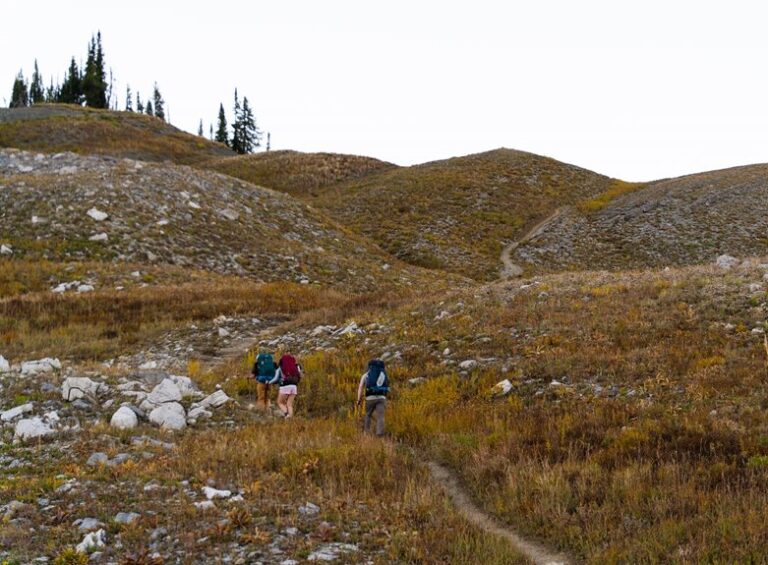


Plan the best outdoor adventure before packing a single bag. Match the route to your group’s pace, skills, and comfort while accounting for weather, permits, food, water, and safety. That approach prevents rushed days and sore feet. Next, choose a trip type that fits abilities and set a realistic budget. Finish by creating a practical plan that keeps the trip enjoyable from trailhead to return.
Choose Your Outdoor Adventure Trip Type
Start alongside narrowing down the kind of escapade that actually fits you, because the best trip is the one you’ll enjoy from start to finish. Consider how you like to move, breathe, and connect.
Should you want calm, choose a forest walk or paddle route. In case you want a jolt, try climbing, rafting, or a rugged trail. You’re not picking a label for bragging rights; you’re choosing your people and pace.
As you compare options, check trail length, weather, and skill level, then look at gear rentals so you don’t carry more than you need. Also, learn basic wildlife etiquette so you can share the space with respect.
Once you match the trip to your comfort, you’ll feel less nervous and more ready to belong out there.
Set Your Budget
Before you lock in your dates, take an honest look at what you can spend, because a trip feels a lot better whenever money isn’t hanging over your head. Start with the big costs, then fill in the small ones so nothing sneaks up on you.
- Add travel and stays.
- Price permits, parking, and trail fees.
- Set aside gear insurance in case something gets lost or damaged.
- Keep an entertainment budget for meals, snacks, and a fun stop with your crew.
Once you break it down this way, you can plan like part of the group, not the person stressing at checkout. You’ll know where your money goes, and you can make smart swaps without killing the vibe. That kind of control helps you feel ready and welcome before the journey even starts.
Prepare Your Fitness and Skills
Now that your trip budget has a shape, it’s time to get your body and your know-how ready for the expedition ahead.
You don’t need to turn into an athlete overnight. Start with steady strength training that builds your legs, back, and core, so carrying gear feels easier and safer. Add cardio like brisk walks, hikes, or biking to lift your stamina without burning you out.
Then, spend time on route-finding practice with maps, a compass, or a trail app, so you feel calm whenever the path gets tricky. You can also rehearse packing, tying knots, and setting up simple shelter.
These small steps help you join the quest with confidence, and they make you feel like you belong out there with your crew.
Choose a Destination and Route
Now that your fitness and skills are in place, you can pick a destination and route that match what you’re ready for.
Choose a path with a difficulty level you can handle, and make sure it still gives you the scenic spots that excite you.
Also, check for safety risks like weather, trail closures, and remote areas so you can enjoy the trip with less stress and more confidence.
Route Difficulty
Choosing the right route can make your outdoor expedition feel exciting instead of overwhelming, and that starts with matching the path to your skills and energy. Check terrain grading so you know whether the trail fits your legs, lungs, and nerves.
Pay attention to technical exposure, because steep drops or loose rock can turn a fun day into a tense one. Use this quick check:
- Read trail ratings initially.
- Match distance to your pace.
- Ask whether gear changes the challenge.
- Pick a route your group can handle together.
When you choose well, you build trust with your crew and feel more at ease on the trail. That confidence matters, because a route that fits helps everyone stay steady, connected, and ready for the next step.
Scenic Highlights
As you start looking at scenic highlights, let the scenery guide your choice of destination and route, because the best trip often feels like a moving postcard.
You can pick trails that give you sunrise vistas, quiet ridgelines, or lakes that mirror the sky.
Should you love wildlife viewing, choose paths near meadows, river bends, or forest edges where you’ll feel part of the wild crowd.
Next, notice how each route changes the mood of your day.
A winding valley road can feel calm and welcoming, while a mountain pass can give you wide-open views that lift your spirit.
You don’t have to chase the biggest landmark. Instead, find the places that match your pace, spark your excitement, and help you feel right at home outdoors.
Safety Considerations
The same views that make a route unforgettable should also help you stay safe while you plan it. You’re not just picking pretty stops; you’re choosing a path your group can trust. Check trail reports, weather, and road access to begin with, then match the route to your skill level. In the event you’re traveling with friends, talk through pacing, rest points, and emergency communication before you leave.
- Pick routes with clear markers.
- Share your plan with someone at home.
- Pack a map, charged phone, and backup battery.
- Learn wildlife awareness for the area, so you know how to act calmly.
When you choose carefully, you help everyone feel ready, included, and less stressed. That peace of mind lets you enjoy the trek together.
Check Weather and Trail Conditions
Before you head out, check the weather forecast so you know whether rain, wind, or heat could change your plans.
Then review trail alerts, because closures, fallen trees, or muddy paths can turn an easy hike into a surprise workout.
Whenever you know both, you can pack smart and feel more confident on the trail.
Weather Forecasts
What’s the sky planning for your trip? You can read the forecast like a friend who wants you safe and comfortable. Start with:
- Check rain timing.
- Note wind speed.
- Watch temperature swings.
- Compare mountain and town reports.
That last step matters because microclimate awareness helps you spot quick weather changes on ridges, valleys, and forests. Then use forecast interpretation to tell whether storms look brief or stubborn.
You’ll feel better whenever you pack the right layers, start promptly, or shift your route before the clouds win. Also, trust recent updates more than yesterday’s guesses. Whenever you and your group stay tuned together, you build calm and confidence. The sky might change fast, but your plans can stay steady.
Trail Alerts
Trail alerts can save you from a long, stressful day, so start checking them as soon as you pick your route. You want to feel ready, and trail notifications help you do that. Read park updates, ranger posts, and local hiking apps before you leave. Then check again the night before and the morning of your trip.
Look for hazard warnings about mud, snow, fallen trees, wildlife, or closures, because one small change can turn a fun hike into a rough one. Should the trail change, choose a safer path and tell your group. You’ll feel better appreciating everyone has the latest news. A quick check only takes a minute, but it can protect your plans, your energy, and your peace of mind.
Build Your Packing List
Start with the gear that keeps you safe, comfortable, and calm, because a good packing list should make your trip feel lighter, not heavier.
You don’t need to pack your whole closet, just the pieces that help you feel ready with your group. Choose layered clothing for changing weather, a rain shell, sturdy boots, and a hat.
Then add the small things that save the day:
- Map or offline directions
- Primary aid basics
- Headlamp with extra batteries
- Portable charger
Next, tuck these items into separate spots so you can find them fast. That little bit of order keeps stress low and confidence high.
Once you pack with care, you show up prepared, and that makes the outing feel more welcoming from the outset.
Plan Meals and Water Stops
Now that your pack is set, you can focus on meals that keep your energy steady and are easy to prep on the trail. Choose foods that travel well, like wraps, trail mix, and dried fruit, so you’re not stuck wrestling with messy snacks once you’re tired.
For water, map out refill points before you leave and carry a little extra, because staying hydrated makes the whole trip feel safer and a lot more comfortable.
Meal Planning Tips
Whenever you plan your meals and water stops ahead of time, you make the whole trip feel calmer and a lot more doable.
You already know what’s coming, so you can pack food that fits your pace and your group. Try this:
- Choose meals that travel well and cook fast.
- Pack energy snacks like trail mix, fruit, or jerky.
- Bring one or two easy extras for bad-weather days.
- Save room for campfire desserts that lift everyone’s mood.
You’ll feel more connected whenever everyone has food they like and enough to keep going.
Simple planning also cuts stress at mealtime, so you can relax, laugh, and enjoy the trail together without scrambling for answers.
Water Stop Strategy
Good food helps, and smart water stops keep that good feeling going, so your body doesn’t run on empty halfway through the day.
You can build a simple rhythm by sipping before you feel thirsty, then checking your hydration landmarks at trailheads, creek crossings, and rest breaks. That way, you stay in step with your group instead of playing catch-up alone.
Pack enough water for the initial stretch, then plan refill points from a map or app.
Should the day feel hot or steep, move your electrolyte timing earlier, especially after salty snacks or a big climb.
You don’t need a perfect system, just one that feels steady and friendly to your pace. Whenever you care for your water stops, the whole trip feels more comfortable.
Book Campsites, Permits, and Transportation
Lock in your campsites, permits, and transportation ahead of time so your trip feels calm instead of rushed. You’ll fit in better whenever your plans are set, and your group can relax together.
Start with campground comparison so you choose a spot that matches your trail, budget, and vibe. Then handle permits sooner, because popular areas fill fast. Next, set up shuttle coordination provided your route starts and ends in different places.
- Check dates and rules.
- Compare campsite features.
- Reserve permits before peak weeks.
- Confirm rides, parking, or shuttles.
Whenever you book each piece sooner, you avoid awkward scrambles and keep the excursion feeling shared. You’re not just planning a trip; you’re making room for everyone to belong.
Build Your Trip Safety Plan
After you’ve sorted campsites, permits, and rides, turn your attention to safety so the trip feels steady from the outset. You don’t need to guess alone; your group can build a simple plan that keeps everyone calm. Share emergency contacts with each person, and save them offline too. Set clear communication protocols, like whenever to check in and which channel to use should phones fail.
| Safety step | What you do |
|---|---|
| Contacts | List family, ranger, and doctor numbers |
| Signals | Pick a backup text or radio plan |
| Gear | Pack initial aid, light, and whistle |
| Roles | Decide who leads, calls, and checks in |
Whenever everyone knows the plan, you move like a team, not a crowd. That trust makes rough moments feel smaller.
Map Out Your Day-by-Day Itinerary
Map out each day before you pack your bags, because a clear itinerary can turn a big trip into something that feels calm and manageable.
You’ll feel more confident whenever you sort time allocations around the trail, camp, and rest stops. Then set an unexpected buffer so weather, sore legs, or a long lunch won’t throw you off.
- Start with your hardest activity initially.
- Group nearby stops to cut driving time.
- Leave room for gear shifts between hiking, paddling, and camping.
- End each day with a simple backup plan.
This kind of activity sequencing helps you move with your crew instead of chasing the clock.
As you build each day, keep it flexible, because your best escapade often comes from the little surprises.
Frequently Asked Questions
How Do I Handle Emergency Communication in Remote Areas?
You handle emergency communication by carrying satellite messengers, sharing your route, and practicing emergency protocols. You will stay connected and your crew can act fast should trouble hit even when cell service disappears.
What Should I Do if I Encounter Wildlife on the Trail?
Should you spot wildlife, stay calm and maintain distance; most trail encounters end safely. Make noise, move away slowly, and give animals room, because you are part of a respectful trail community.
How Can I Minimize My Environmental Impact While Camping?
You can minimize your impact by following Leave No Trace, packing out trash, using biodegradable toiletries, camping on durable surfaces, keeping fires small, and respecting wildlife so you help protect everyone’s shared outdoors.
What Travel Insurance Covers Outdoor Adventure Activities?
Look for expedition travel insurance that covers hiking, climbing, kayaking, and rescue; you are joining a safer trail community. Check coverage limits and exclusion clauses, because some policies will not protect you during high risk thrills.
How Do I Keep Valuables Secure During the Trip?
Keep your valuables close in a waterproof pouch, and stash backups in a concealed cache. You will blend in better if you pack light, share watchful routines, and trust your crew to help protect everyone’s gear.