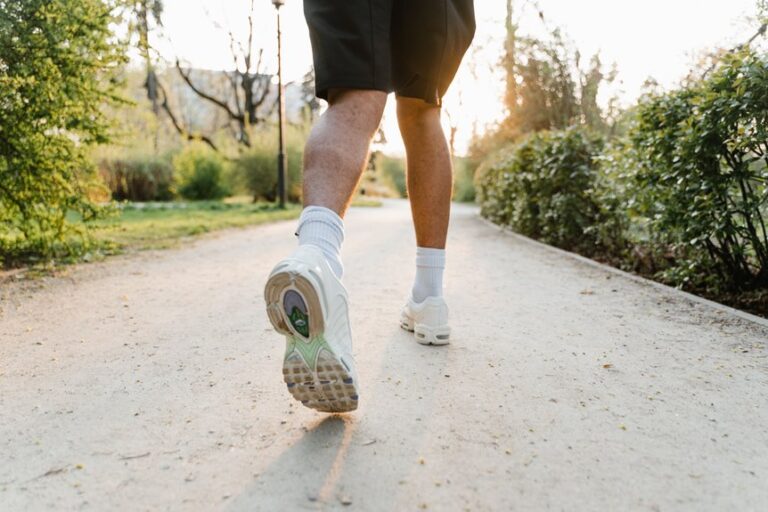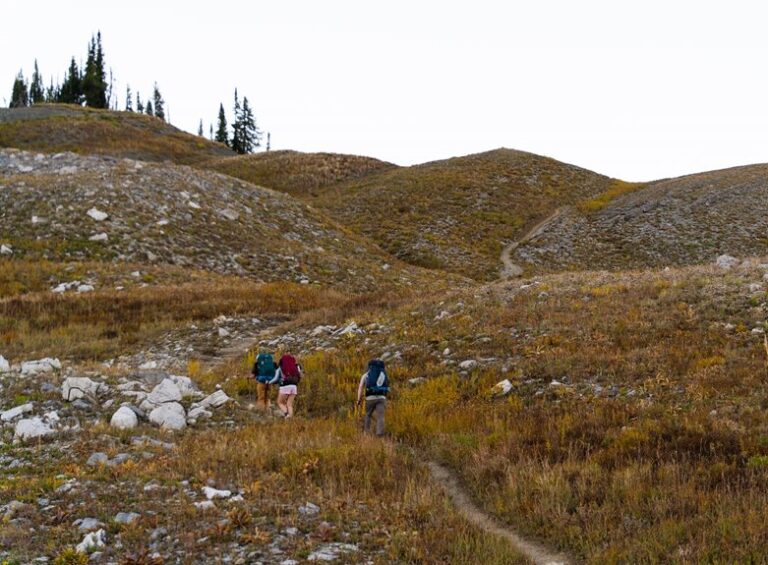


Extreme outdoor heat can cause rapid dehydration, heat exhaustion, and heat stroke, so plan ahead. Check local heat index and pick early morning or late evening for long activities. Wear lightweight, breathable clothing and a wide-brimmed hat, and stay in shade whenever possible. Drink water regularly rather than waiting until thirsty and avoid alcohol or heavy meals before exertion. Watch for dizziness, heavy sweating changes, or confusion and seek cool shelter and fluids at the first sign.
Check the Heat Index Before You Go
Before you head outside, check the heat index, not just the temperature, because that number tells you how hot it really feels on your body. You can feel more prepared whenever you glance at local forecasts and compare them with your plans for the day.
In case the heat index climbs, use shaded apps to find parks, trails, or routes with tree cover. Then pick the coolest time to leave, often early-morning or later evening.
Also, ask a friend or family member to check the forecast with you, so you both stay in the know. Whenever you make these choices together, you build a small circle of support. That little habit helps you stay comfortable, confident, and ready for the day ahead.
What Makes Extreme Heat Dangerous?
Extreme heat becomes dangerous because it pushes your body past its normal cooling limits, and that can occur rapidly whenever you’re active outside.
Whenever sweat can’t cool you fast enough, your core temperature climbs and your heart works harder to keep you going. That creates Cardiovascular strain, so you might feel weak, dizzy, or unusually tired.
At the same time, Cellular dehydration starts once heat pulls water from your cells and blood volume drops. Then your brain and muscles don’t get what they need, and simple tasks can feel much harder.
You’re not failing; your body is fighting to protect you. The risk grows fast whenever heat, sun, and effort team up. Watching for these changes helps you stay with the group and stay safe.
Dress for Extreme Heat Outdoors
As you head outside in extreme heat, pick light, loose fabrics that let air move around your body. You’ll feel cooler whenever your clothes don’t trap heat or cling to your skin.
For extra protection, wear sun-protective clothing that helps block harsh rays and gives you one less thing to worry about.
Choose Light, Loose Fabrics
Choose clothing that helps your body stay cool, because the right fabric can make a hot day feel a lot more manageable. You’ll fit in better with the crowd whenever you pick breathable fabrics and airy silhouettes that move with you instead of sticking to you. Light cotton, linen, and thin blends let heat escape, so you can keep going with less discomfort.
| Fabric | Why it helps |
|---|---|
| Cotton | Feels soft and lets air pass |
| Linen | Dries fast and stays light |
| Rayon | Drapes well and feels cool |
| Thin blends | Add comfort without extra weight |
Whenever you dress this way, you give yourself a calmer, easier day outside. Small choices like these can help you feel steady, confident, and ready to enjoy time with others.
Wear Sun-Protective Clothing
Sun-proof clothing can give you a real advantage during the heat is fierce, because it helps block harsh rays while also keeping your skin more comfortable. When you dress with care, you help yourself stay steady, cool, and ready to enjoy the day with everyone else.
- Pick UPF garments for stronger sun protection.
- Wear a wide-brim hat to shade your face and neck.
- Choose long sleeves that feel light and breathable.
- Add Cooling scarves to lower heat around your neck.
- Use sunglasses to protect your eyes and reduce strain.
Next, match your clothes with shade breaks and water, so your body doesn’t get swamped. You belong outdoors, and smart layers help you stay in the moment without fighting the sun.
Hydrate Before, During, and After
Keeping your body topped up with water before, during, and after time outside can make a big difference as the heat rises.
Start with pre hydration strategies the day before, so you don’t begin already dry. Drink water with meals, and add a salty snack since you’ve been sweating a lot, since electrolyte balancing helps your body hold onto fluids.
While you’re out, sip often instead of waiting for thirst to hit. Small, steady drinks work better than chugging all at once. In case you’re active or sweating hard, choose a drink with electrolytes so you can replace what you lose.
After you head back in, keep drinking until your urine looks pale. That simple check helps you stay connected to what your body needs.
Find Shade and Build in Breaks
Once you’re outside in extreme heat, finding shade promptly can take a lot of stress off your body. You belong in spaces that help you cool down, so look for trees, buildings, awnings, or a portable canopy before you feel drained.
Whenever you rest, sit or stand where the sun can’t reach you, and keep your skin covered if capable.
- Pick shade that stays steady, not shifting patches.
- Use scheduled pauses to reset prior to feeling wiped out.
- Share shaded spots with friends so no one feels left out.
- Set a timer so breaks happen without guesswork.
- Move to shade again as soon as you feel hot or dizzy.
These small pauses help your body recover and keep you steady.
Time Outdoor Activities for Cooler Hours
As the heat starts to build, plan your outdoor time for the coolest parts of the day, like dawn or later evening. You’ll fit in more fun whenever the sun feels gentler, and your body won’t have to work so hard. In early mornings, the air stays calmer, so you can walk, garden, or exercise with less strain. Late evenings also give you a better window for errands, play, or chores outdoors.
| Time | Best for | Why it helps |
|---|---|---|
| Dawn | Walking | Cooler air |
| Morning | Light work | Less sun |
| Late evening | Social plans | Easier energy |
| After sunset | Simple tasks | More comfort |
Whenever you and your group choose cooler hours, everyone gets a safer, easier rhythm together.
Pack Water, Sunscreen, and Cooling Gear
After you pick the coolest time to go outside, pack for the heat before you head out.
You’ll feel better once your bag holds the basics your group can share. Bring more water than you reckon you need, plus easy snacks and a hat.
Use sunscreen on every exposed spot, and reapply it as directed. Add light cooling gear so you can stay comfy together.
- A refillable water bottle
- Broad-spectrum sunscreen
- A portable misting fan
- An evaporative towel
- A wide-brim hat and shade cloth
Keep these items close, not buried in your pack. Whenever everyone can grab them fast, the whole crew stays more relaxed and ready for the day.
Small comforts can make a big difference whenever the sun feels strong.
Know the Early Signs of Heat Illness
Heat illness often starts quietly, so you need to notice the small shifts before they turn into a bigger problem. You might feel subtle fatigue, even though you’ve only been outside a short time.
Then the initial warning signs can show up in your skin clues, like flushed cheeks, hot skin, or sweating that suddenly changes. You could also spot cognitive changes, such as trouble focusing, slow replies, or a cloudy feeling that makes simple choices harder.
Should your mouth feel very dry or your head starts pounding, take that seriously too. Whenever you stay aware of these signals, you protect yourself and the people near you. That kind of lookout builds trust, because everyone deserves to feel safe and included in the heat.
What to Do if Someone Overheats?
Should you notice someone getting worse in the sun, act fast and stay calm. You can help your crew by moving them to shade and checking for confusion, nausea, or hot skin. Good signs recognition helps you spot trouble promptly, so trust your eyes and instincts. Then start emergency response without delay.
- Offer cool water provided they’re awake and able to sip.
- Loosen tight clothing to let heat escape.
- Fan them or place cool, wet cloths on the neck, armpits, and groin.
- Keep them lying down with feet slightly raised.
- Call 911 in case they faint, vomit, or don’t improve quickly.
Stay close, speak gently, and let them know they’re not alone. Your calm support can make a hard moment feel safer.
Stay Safe While Exercising in Heat
Whenever you exercise in the heat, pace yourself like your body matters, because it does. You belong in the game, but you also need smart limits. Start with heat acclimatization through easing into shorter, easier sessions for several days. Then build up as your body adapts.
| Smart move | Why it helps |
|---|---|
| Train at dawn or dusk | You avoid the hottest part of the day |
| Use interval training | You lower strain and recover between efforts |
| Drink before you’re thirsty | You support steady performance |
Choose breathable gear, seek shade whenever possible, and pause provided you feel dizzy, crampy, or unusually tired. Should you be pushing hard, cut the workout short and cool down. That’s not quitting. It’s staying in the crew and protecting your progress.
Protect Kids, Seniors, and Pets
You should give kids, seniors, and pets extra water breaks, since they can get dehydrated faster in extreme heat.
Keep them in shade whenever you can, and watch closely for signs of heat stress like tiredness, dizziness, heavy panting, or confusion.
Should anyone seem off, cool them down right away and don’t wait to act.
Extra Water Breaks
As the heat starts to press down, pause often and take extra water breaks before anyone feels thirsty. You help your group stay steady when you plan scheduled sips and set electrolyte alerts for long outings. Kids forget fast, seniors mightn’t notice thirst, and pets count on you to notice initially.
- Pack water for every person and pet.
- Offer drinks on a timer.
- Watch for dry lips or slowing down.
- Add a little flavor should plain water feel dull.
- Keep a spare bottle nearby.
Once you check in often, you make the day feel safer and calmer for everyone. A quick break can reset moods, keep energy up, and help your crew enjoy the heat without feeling wiped out.
Shade For Vulnerable
As the sun keeps climbing, shade turns into more than comfort, it becomes a simple way to protect the people and pets who wear out fastest.
You can set up portable canopies near play areas, benches, or pet spots so kids, seniors, and animals can rest without baking in the heat.
Should you be planning a longer stay, choose a route with trees and use tree planting at home or in your yard to build cooler places for the future.
You can also move chairs, strollers, and water bowls into cover before the hottest hours hit.
Whenever you keep your group together under shade, you help everyone stay calmer, safer, and ready to enjoy the day.
It’s a small move, but it feels like looking out for your own crew.
Watch For Heat Stress
Heat stress can sneak up fast, especially on kids, seniors, and pets who couldn’t speak up until they’re already in trouble. You can protect your crew through checking them often and acting promptly.
- Watch for heavy panting, confusion, or whining.
- Look for red skin, dizziness, or слаб?
- Offer cool water and rest in shade.
- Notice clothing cues like soaked shirts or flushed faces.
- Follow shade signals: when they cluster there, move too.
When you pause, kneel beside kids, and feel their necks. For seniors, ask simple questions and stay close. For pets, assess the pavement with your hand. Should anyone seem worse, head inside right away. Your quick care helps everyone stay safe together.
Use Cooling Tricks to Lower Your Temperature
As soon as your body starts to feel too hot, you can cool it down fast with a few simple tricks. Find shade, loosen tight clothing, and press a damp cloth on your neck, wrists, or forehead. In case you have portable misting, use it on your face and arms for quick relief.
Pair that with evaporative cooling by wetting a bandana or shirt, then letting air move across it. This works well whenever you keep walking slowly or stand near a fan.
You can also sip cool water often and rest with your feet up. Should you be with friends, check each other’s skin and mood so no one misses warning signs. Small moves like these help your body drop heat and help you stay steady outdoors.
Frequently Asked Questions
How Can I Tell if Pavement Is Too Hot for Bare Skin?
You can do a quick touch trial: press your palm briefly—if you can’t keep it there, it’s too hot. A surface thermometer gives you a safer reading. Trust your feet too.
Do Certain Medications Increase Heat Illness Risk Outdoors?
Yes. Some medications raise your risk: anticholinergic drugs dry you out, while diuretics can leave you depleted; heat blazes, sweat fades. You will fit in better outdoors once you ask your clinician about risks.
Can Humidity Be Dangerous Even When the Temperature Seems Moderate?
Yes. High humidity can make moderate temperatures feel much hotter, and you are at risk. With heat index awareness, you will notice sweat does not evaporate well, so you might overheat faster than you would expect, even outdoors.
What Foods Are Best to Eat Before Spending Hours in the Heat?
Hydrate first, then eat light salty meals with electrolyte snacks like bananas, yogurt, nuts, or pretzels. You will feel steadier, stay connected, and support your crew by choosing foods that help you keep going strong.
How Do I Protect Electronic Devices From Extreme Heat?
Keep your devices shaded, powered off whenever possible, and tucked in device insulation. You can use solar chargers but avoid direct sun. You will help your gear stay cool, reliable, and ready with the group.