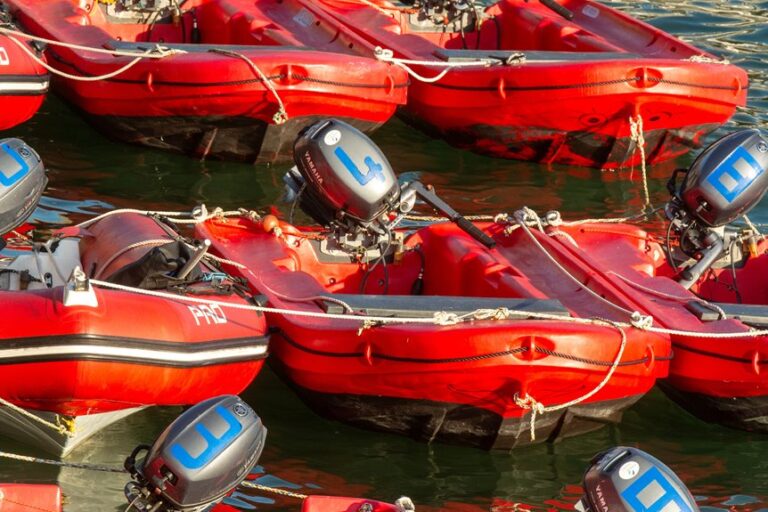


Weather and water conditions shape most boating incidents, so watching forecasts before leaving the dock matters. Strong winds can push a vessel off course and make steering difficult. High waves increase strain on gear and raise the risk of capsizing or swamping. Heavy rain, fog, or spray reduce visibility and hide other boats or hazards. Cold water and rapid tides elevate danger and shorten survival time after an accident.
How Weather Affects Boating Safety
As the weather shifts, boating safety can change fast, and that’s why you need to stay alert before and during every trip. Wind, rain, and sudden cold can shake your balance, slow your reactions, and make it harder for everyone to move safely.
When waves build, you and your crew might feel tense, so it helps to keep life jackets on and fitted right. Weather can also cut visibility, which makes steering and spotting others more stressful.
Should rough conditions start to build, you should speak up promptly, keep your group close, and use emergency signaling should you need help. Staying calm helps you protect your boat mates and yourself.
Whenever you look out for one another, the whole crew feels stronger.
How to Judge Safe Boating Conditions
To judge safe boating conditions, you need to look past the forecast headline and check what the water is doing right now. You can start with a pre launch checklist that covers sky, visibility, tide, and any warnings for your spot.
Then look at the shoreline and the surface for fast changes, because they often tell you more than a phone screen can. Should the water seem choppy, murky, or crowded with debris, pause and reassess with your crew.
Clear crew communication matters here, since everyone should agree on what feels safe before you cast off. Trust your gut provided something feels off. Whenever you take a calm, shared approach, you help your group stay confident, connected, and ready for a better day on the water.
How Wind Changes Boat Handling
Once the wind picks up, it changes how your boat feels, turns, and stops, so you need to stay a little more alert at the helm. You’ll notice quicker nudges from the bow and a little more wander in the stern, especially on a beam wind. Ease into turns, keep your eyes up, and make small corrections instead of chasing every sway.
Good sail trim helps the boat stay steady, while smart helm balance keeps you from fighting the wheel all day. Should a gust hits, relax your grip and let the boat settle before you add more pressure. You’re not alone out there; every skipper learns this rhythm with practice. Trust your feel, stay calm, and your boat will answer you more smoothly.
How Tides and Currents Change Your Ride
Whenever you plan your trip around the tide, you can make the water work for you instead of against you. Currents can speed you up or slow you down fast, especially near inlets where the water shifts and pushes your boat around.
In case you watch the timing and check the flow before you launch, you’ll handle the ride with more confidence and a lot less stress.
Tide Timing Effects
Tides can change your whole day on the water, and they do it faster than many boaters expect. Whenever you plan around tide timing, you ride with a friend, not against the bay. spring tides can make the water’s rise and fall feel bold, while diurnal inequality can give you one stronger tide than another, so your route could feel different each time. Watch the dock line, the channel markers, and the shoreline.
- Launch with the rising tide
- Return before the water drops low
- Check local tide tables
- Share plans with your crew
- Keep calm as the water shifts
With good timing, you feel more in control, and your boat handles the day with less surprise.
Current Speed Changes
Shifting water can change your ride faster than you could expect, and that can catch even careful boaters off guard.
You could feel your boat speed up, slow down, or drift sideways as the tide turns.
Whenever the current picks up, you work harder to keep a steady line, and the helm can feel less calm.
In some spots, speed shear makes one part of the water move faster than another, so your boat could rock more than you’d like.
You might also meet current eddies, which swirl water in little loops and nudge your boat off course.
Should you stay alert and watch the water’s surface, you can match your throttle and trim to the flow.
That helps you feel more confident, and you’ll fit right in with boats around you.
Navigation Near Inlets
Near an inlet, your boat can feel the tide’s pull in a very personal way, almost like the water is giving you a quick lesson whether you asked for one or not. You’ll notice the ride tighten and loosen as currents meet, then split. That’s why you need to watch channel markers and trust your eyes.
- Slow down before the narrowest spot.
- Keep both hands ready on the helm.
- Look for inlet eddies that can swing your bow.
- Give way promptly to boats already lined up.
- Time your pass with the tide whenever you can.
If you stay alert, you’ll move with the water instead of fighting it. That makes the inlet feel less tricky and more like part of your crew.
Why Rain and Rough Water Slow You Down
Rain can blur what you see, so you need to slow down and watch for boats, markers, and shorelines that can fade fast.
Rough water also pushes back against your hull, which makes steering harder and cuts your speed.
Whenever both hit at once, you have less control and more risk, so easing off the throttle is the smart move.
Reduced Visibility Risks
At the moment the sky turns gray and the water starts to chop, your view from the helm can shrink fast, and that makes boating more stressful than it should be. Rain blurs shapes, and spray turns windows into a dull veil. You might miss markers, docks, or another boat until they’re close, so you need to slow down and stay alert.
- Harbor lights fade into soft halos.
- Night smokestacks blend with dark shorelines.
- Small waves hide floating debris.
- Wet glass scatters every beam.
- Friends aboard depend on your calm focus.
When you keep your speed low and your eyes moving, you protect your crew and help everyone feel steady. In rough weather, that shared caution matters.
Choppy Water Resistance
Whenever the water turns choppy, your boat has to push harder just to keep moving straight. Rain and rough water create drag, so you lose speed even whenever the throttle stays steady.
Each wave changes your hull’s path, and wave reflection can bounce extra energy back into the boat. That means you fight the water instead of gliding with it. As the chop builds, you might feel hull slamming, which jars your ride and wastes momentum.
You’re not doing anything wrong; the water just demands more from you. So, should you notice slower handling, trust that the weather is part of the problem. Stay calm, keep a firm grip, and give yourself extra room. Your crew will feel safer, and you’ll move with more confidence.
Fog, Visibility, and Safe Navigation
As fog rolls in, it can turn a familiar route into a guessing game, and that’s why clear reasoning matters so much on the water.
In a harbor fogscape, you lose landmarks fast, and a thermal inversion can trap that gray curtain close to the surface. You can still move safely whenever you slow down and stay connected to your crew.
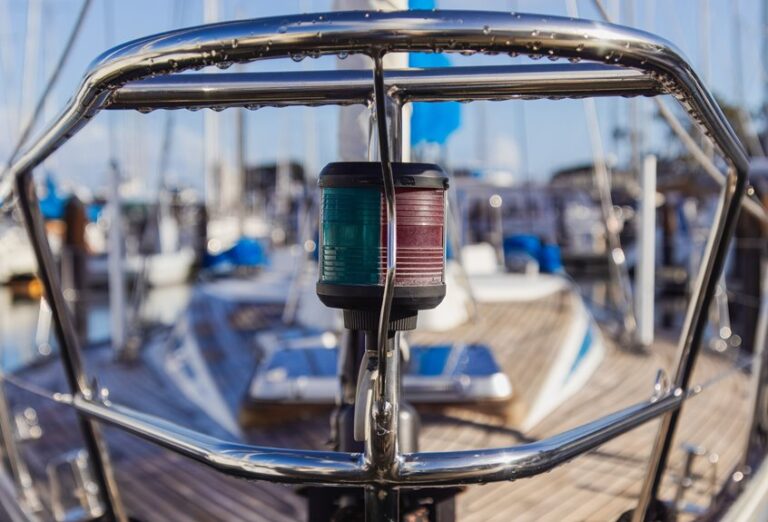
- Turn on navigation lights promptly.
- Use radar and GPS together.
- Listen for bells, horns, and engines.
- Keep a steady lookout ahead.
- Talk clearly and confirm each turn.
These steps help you stay calm once visibility drops. You’re not alone out there, and smart habits give everyone aboard more confidence.
Whenever you treat fog as a signal to focus, you protect your boat and everyone who trusts you.
Heat, Sun, and Boating Fatigue
Heat can wear you down faster on the water than most people expect, and strong sun makes that tired feeling creep in before you notice it. You might start alert, then feel slow, headachy, and less patient with your crew.
To stay sharp, use hydration strategies before you feel thirsty, and sip water often instead of waiting for a break. Wear light, long sleeves, a hat, and sunglasses so your body doesn’t fight the glare all day.
In case your boat has shade structures, use them promptly and frequently so you can cool off without losing your place in the fun. Whenever you share the ride and check in with each other, you help everyone stay comfortable, steady, and ready to enjoy the day together.
How Thunderstorms Create Real Risks
Thunderstorms can turn a calm trip rough in minutes, and you need to watch for lightning because it can strike your boat, the water, or nearby metal parts.
You also have to be ready for sudden wind gusts, since they can shove your boat off course, kick up waves, and make control much harder.
As dark clouds build rapidly, it’s smart to act quickly and keep everyone safe.
Lightning Strike Hazards
As dark clouds build fast over open water, lightning can turn a normal trip into a dangerous one in seconds. You and your crew need to treat thunder as your cue to act fast, not panic. Metal hulls can attract energy, so check grounding points and keep everyone inside the cabin. Portable detectors might help you notice rising threat levels, but they don’t make you safe. Watch the sky for bright flashes, and lower your exposure by avoiding tall gear and wet decks.
- Move below
- Stow loose electronics
- Unplug charging devices
- Keep hands off rails
- Wait for the storm to pass
When you stay together and stay alert, you protect each other and keep the ride calm.
Sudden Wind Gusts
Sudden wind gusts can flip a calm boating day into a tense one in seconds, so you need to stay alert the moment storm clouds start building. When thunderheads grow, gusty windshear can hit from different angles and shove your boat off course. You might feel the deck lurch, then see spray whip sideways.
| Sign | What You Feel | What To Do |
|---|---|---|
| Dark clouds | Air turns heavy | Head to shore |
| Sharp gusts | Boat jerks hard | Slow down |
| Whitecaps | Waves rise fast | Secure loose gear |
| Sudden silence | Storm is near | Wear life jackets |
This is where boat tipover risk climbs fast, especially on small craft. So trim your speed, keep everyone seated low, and talk calmly with your crew. You’ve got this, and staying ready helps everyone feel safer together.
Cold Weather and Hypothermia Hazards
Once cold air settles over the water, your body can lose heat much faster than it does on land, and that can turn a fun trip into a serious risk before you realize what’s happening.
You and your crew can stay safer whenever you notice the early signs and act fast.
Cold shock can hit hard after a splash, and shivering often means trouble is starting.
- Wear thermal layering to trap warmth.
- Keep dry clothes close in a sealed bag.
- Protect your head, hands, and feet.
- Sip warm drinks whenever you can.
- Watch each other for confusion or clumsy movement.
Whenever you look out for one another, you build a safer ride and help everyone feel like they belong on board.
Checking Marine Forecasts Before You Launch
Before you untie the lines, check the marine forecast so you know what the water is planning for you. You’ll feel more at ease whenever you read wind speed, wave height, and storm chances before leaving the dock. Good forecast interpretation helps you match your plan to the day instead of guessing and hoping for the best. Look at your local buoyancy report too, because water levels and currents can change how your boat handles. Then compare the forecast with your route, your crew, and your skills. Provided the day looks calm, you can relax and enjoy the ride with your people. Should it look rough, you can choose a safer time. That’s smart boating, and it keeps your whole crew in the loop.
What to Do When Weather Turns Fast
Provided that the sky darkens faster than you expected, stay calm and act right away so you can keep everyone safe. You’re not alone out there, and quick teamwork matters.
- Turn the boat toward the safest path.
- Slow down and watch for waves.
- Tell everyone to put on life jackets.
- Head for nearshore shelters should you be able to reach them soon.
- Drop emergency anchors only when you need extra control.
Next, keep your eyes on the water and your hand on the radio. Should lightning flash or wind jump, avoid open areas and hug the shoreline. You can also ask a nearby boater for help; most people on the water understand that sudden weather can rattle anyone. Stay focused, speak clearly, and move together.
Frequently Asked Questions
What Clothing Is Best for Boating in Changing Weather?
You’ll stay comfortable in layered fabrics and waterproof outerwear, so you can adjust fast as weather shifts. Add breathable base layers, warm mid layers, and grippy, quick dry shoes to feel prepared and part of the crew.
How Often Should Boat Weather Gear Be Replaced?
You should replace boat weather gear every few seasons, or sooner if safety inspections spot material degradation. Gear can look sturdy yet fail quietly, and you will feel safer once your crew trusts it too.
Can Weather Affect a Boat’s Fuel Consumption?
Yes. Weather can affect your boat’s fuel consumption. You will burn more fuel whenever winds, waves, or currents increase engine load and hull drag. Staying aware helps you run smarter and feel confident with your crew.
Do Different Boat Types Handle Weather Differently?
Yes, different boat types handle weather differently, mate. Your hull design shapes how you ride waves, while stability systems help you stay confident. You will feel more secure whenever your boat matches the conditions and your crew.
How Should Passengers Be Seated in Windy Conditions?
You should brace inward, sit low, and face waves so everyone stays steady together. Anchor near the center, keep weight balanced, and talk calmly. You are helping your crew feel secure and included.