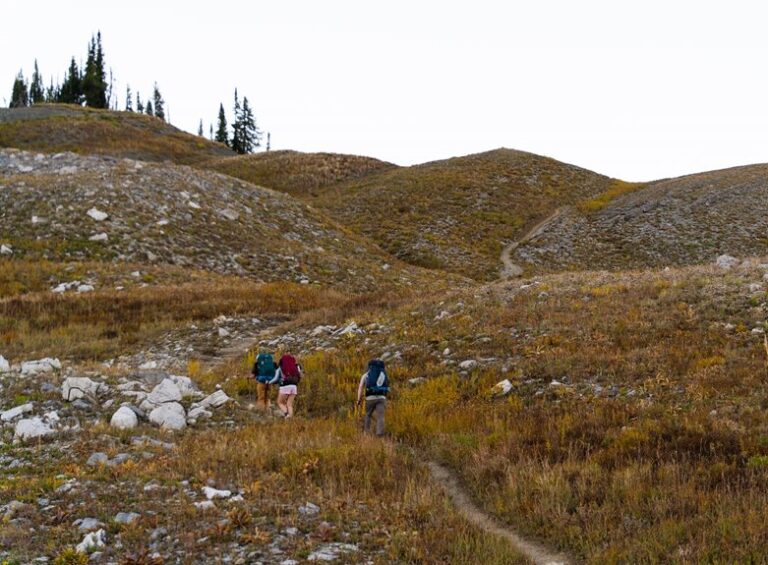


Leave No Trace means planning ahead, staying on durable surfaces, and carrying out all trash. It means protecting plants, wildlife, and water by keeping distance and avoiding disturbance. Keep noise low and minimize campsite impact to preserve natural soundscapes. Use established fire rings or cook without open fires and leave sites as found. These habits help people move lightly outdoors and keep wild places healthy for everyone.
What Leave No Trace Is
Leave No Trace is a simple outdoor ethic that helps you enjoy nature without leaving a heavy footprint behind. You use it whenever you want to protect trails, campsites, and wild spaces for everyone who comes after you.
It’s part of environmental ethics, because your choices show what you believe about caring for the land. It also supports outdoor stewardship, which means you help keep nature healthy and welcoming.
Whenever you follow this approach, you respect plants, animals, water, and other hikers with the same easy care you’d want for your own favorite place. That shared respect builds a stronger sense of belonging, because you’re not just visiting nature, you’re helping guard it with the rest of the outdoor community.
Plan Ahead for Safer Adventures
Before you head out, a little planning can turn a good trip into a safer, calmer one. Whenever you reflect ahead, you help your group feel ready, connected, and confident.
Start with 1. route planning: check maps, distance, weather, and daylight. 2. Share your plan with someone at home, so people know where you’ll be. 3. Pack an emergency kit with first aid, a light, water, and extra food. 4. Match your skills to the trail, so you don’t push too far too fast.
Then talk through backup options, because plans can change. Small choices like these protect your fun and your peace of mind. They also help your crew move together with trust, which makes the whole outing feel safer and more welcoming.
Stay on Durable Surfaces
Footsteps matter outdoors, so stay on the most durable ground you can find. Whenever you hike with your group, choose established trails, bare rock, gravel, or dry soil. That’s trail etiquette, and it helps everyone feel welcome on the path.
In case you must step aside, use the edge of the trail, not soft plants or muddy patches. In tight spots, spread out your weight and keep moving with care.
Around streams or campsites, rock hopping can protect fragile ground when done slowly and only where the rocks are stable. You’re part of a shared outdoor community, so your choices teach others too.
Whenever you stay on durable surfaces, you leave less damage, keep routes clearer, and help the whole crew enjoy the wild space.
Pack Out Trash and Waste
Packing out trash and waste is a simple habit that keeps wild places clean, healthy, and welcoming for everyone. Whenever you carry out what you bring in, you protect the trail for the next friend who comes behind you.
- Sort your trash initially, so recycling stays separate from food scraps and other waste.
- Pack a small bag for wrappers, tissues, and leftovers.
- Use proper waste composting only where rules and facilities allow it.
- Check your campsite before you leave, then sweep the area for tiny bits you could miss.
This kind of care helps your crew feel proud, because you’re not just visiting nature, you’re looking after it together. A clean pack-out also makes your hike smoother, since less mess means less stress and more room for the good stuff.
Leave Natural Objects Where They Are
Some of the best parts of time outdoors are the small things you notice, like a smooth stone, a bright pinecone, or a feather lying on the trail. You can enjoy those gifts without taking them home. Whenever you leave natural objects where they are, you protect the place for the next hiker, family, or friend who comes after you.
Should you identify fossils, admire them, but don’t pick them up unless rules allow it. Also, avoid plant removal, even for a tiny flower or leaf. That living organism helps the whole area stay healthy.
You belong outdoors most whenever you treat each trail like shared ground. So pause, look closely, and let nature keep its treasures. Your care makes the experience better for everyone.
Minimize Campfire Damage
A safe campfire starts with careful choices, and that small effort can protect the whole campsite.
Whenever you gather with friends, you can still enjoy warmth without leaving a scar. Initially, check for fire rules and use stove alternatives whenever a flame isn’t needed. Then choose an existing fire ring so you don’t make a new mark on the ground. Keep the fire small, because a tiny flame is easier to share and control.
- Clear leaves and twigs from the area.
- Use ground protection like a fire pan or mineral soil.
- Burn only what you need, and never toss on extra wood.
- Put the fire out completely, then stir the ash until it’s cool.
That way, you help the next camper feel welcome too.
Keep Wildlife at a Safe Distance
You help wildlife stay calm whenever you give animals plenty of space and let them keep their normal routines. Use binoculars every time you want a closer look, so you can enjoy the scene without crowding or stressing the animal.
Should you stay back, you protect both the creature and your own safety, and the moment feels better for everyone.
Respect Animal Space
Keeping wildlife at a safe distance protects animals, protects you, and helps nature stay calm. Whenever you respect animal space, you help every hiker feel welcome in the wild too.
- Maintain distance so animals don’t feel trapped or alarmed.
- Observe feeding, and let animals eat without your presence nearby.
- Move slowly and speak softly whenever you spot wildlife on the trail.
- Stay on the path, because wandering closer can stress nests, dens, and young animals.
You don’t need to get close to enjoy the moment. In fact, space often makes the sighting feel more special.
Through giving animals room, you show care for the whole outdoor community, and you help keep the trail peaceful for everyone.
Use Binoculars Always
Binoculars can turn a quick wildlife sighting into a calm, unforgettable moment, and they help you enjoy animals without stepping closer than you should. You keep your distance, and you still share the trail with the wild.
| Why it helps | What you do |
|---|---|
| Protects animals | Watch from far away |
| Builds trust | Move slowly and quietly |
| Sharpens detail | Use optical clarity |
| Honors groups | Follow birdwatching etiquette |
| Keeps trails peaceful | Let others look too |
When you reach for binoculars initially, you show care for the animal and the people beside you. You avoid crowding nests, startling deer, or breaking the quiet that makes wild places feel special. In a group, you help everyone feel included, because everyone gets a better view without pushing forward. That simple habit keeps wildlife safe and makes your outing feel kinder, calmer, and more connected.
Keep Noise Down Around Others
Quiet moments matter a lot on the trail, especially whenever other people come out to rest, contemplate, or enjoy the sounds of nature. You help everyone feel welcome provided you keep your voice low and your gear quiet. Soft voices let your group connect without stealing the peace around you, and quiet electronics keep the trail calm for hikers, birdwatchers, and families nearby.
- Speak at a level that stays friendly and gentle.
- Turn down music, alerts, and ringtones.
- Save loud calls for places far from others.
- Pause often and notice whether your noise carries.
As you move through shared spaces with care, you show respect and build a better experience for everyone. Small choices like these make the outdoors feel open, kind, and easy to enjoy.
Practice Leave No Trace at Campsites
Caring for your campsite starts the moment you set down your pack. Initially, check the campsite layout and choose the tent pad in case one exists, because that small area protects nearby plants and roots.
Then keep your gear on durable ground so you don’t widen the site.
Next, handle trash, food, and soap with care, and use scent storage so wildlife won’t come sniffing around like nosy neighbors.
Should you need to dig catholes, stay far from camp and water sources, and cover them well when you’re done.
Also, keep fires small or skip them provided rules ask you to.
Before you leave, sweep the site, pick up crumbs, and make sure it looks ready for the next camper to feel at home.
Practice Leave No Trace on Water
Whenever you’re on the water, keep your wake small so you don’t erode shorelines or disturb other people nearby.
You can also paddle quietly, because less noise helps wildlife feel safe and keeps the experience calm for everyone.
As you move along, give animals and fragile banks plenty of space so your trip leaves only ripples behind.
Minimize Wake and Noise
Because your boat, kayak, or canoe can affect more than just your own trip, it helps to move in a way that keeps the water calm and the shoreline safe.
Whenever you choose quiet habits, you help everyone enjoy the same peaceful space. Try these simple steps:
- Paddle smoothly and avoid sudden turns.
- Use silent paddling whilst the water is still.
- Keep your engine mufflers in good shape.
- Share calm water with care and ease.
Small choices like these lower wake, cut noise, and make room for a friendlier outing for all.
You’ll feel more connected to the group on the water, and others will likely return that same respect.
A gentle approach doesn’t just protect the trip, it helps the whole place feel welcoming.
Respect Shoreline and Wildlife
Wildlife and shorelines often need a little extra space, so your calm choices on the water matter more than you could envision. As you paddle, stay in buffer zones and give birds, turtles, and marsh plants room to breathe. During nesting seasons, keep farther back, because one small scare can send parents away from their eggs or young.
| What you do | Why it helps |
|---|---|
| Slow down near banks | You cut stress on animals |
| Watch for signs | You spot nests and resting spots |
| Paddle wide around colonies | You protect fragile habitat |
| Leave no trash behind | You keep feeding areas safe |
Make Leave No Trace a Daily Habit
Leave No Trace starts to feel natural the more you practice it, and that’s good news because small habits are easier to keep than big rules.
Whenever you build daily mindfulness around your choices, you protect the places you love and feel part of a bigger outdoor community. Try this:
- Pack reusable gear so you waste less.
- Check your bag before you leave, and take out trash.
- Stay on marked paths to guard plants and soil.
- Pick up one extra piece of litter, even provided it’s not yours.
These simple moves fit into hiking, camping, and even park visits.
Over time, you’ll notice they save effort and set a good example. That’s how you make care feel normal, not hard.
Frequently Asked Questions
How Does Leave No Trace Differ Between National Parks and Local Trails?
You’ll find the rules aren’t radically different, but park policies can be stricter in national parks while local trails rely more on trail etiquette. You should still pack out trash, stay on the path, and respect others.
What Should I Do if I Accidentally Damage a Protected Plant?
You should stop, avoid further harm, and take restoration steps by gently protecting the area. Then report location details to park staff. You are helping your community care for this place and heal it together.
Are There Leave No Trace Rules for Pets on Outdoor Trips?
Yes, treat your pet like a courteous guest: follow pet etiquette, obey leash rules, practice waste management, build trail training, watch wildlife interactions, and read behavior cues so you and your pack belong outdoors.
How Can I Teach Leave No Trace to Children Effectively?
You can teach kids effectively through age appropriate activities and story based lessons. You will make them feel included by modeling respect, inviting questions, and celebrating small wins as they practice caring for nature together.
What Gear Helps Reduce Environmental Impact While Camping?
You’ll want reusable gear: lightweight cookware, a durable water bottle, a headlamp, and biodegradable soap so you can camp like a civilized forest goblin, not a trash flinging legend. Pack smart, fit in, and tread lightly.