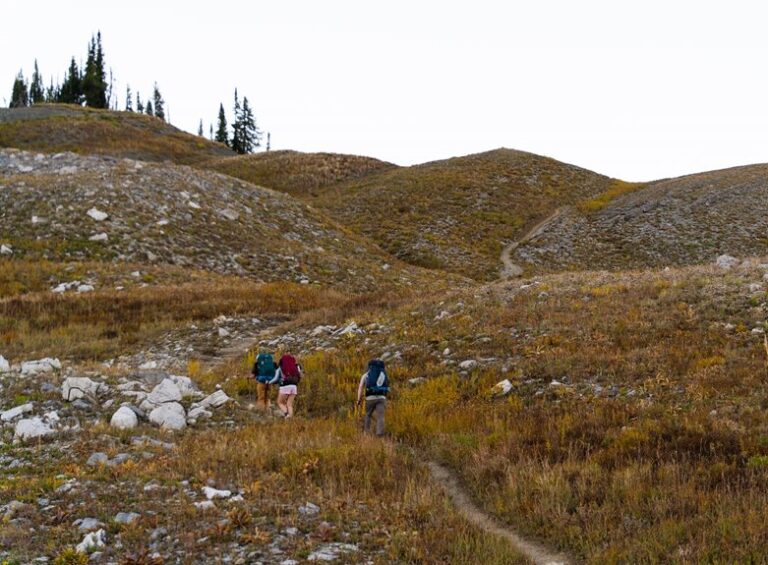


Dehydration on the trail shows up quickly and can derail a hike. Dry mouth, low energy, dark urine, and a dull headache are early clues that fluid levels are dropping. Progress can slow and muscles may cramp as dehydration advances. Dizziness, nausea, and mental fog signal that swift action is needed. Spotting these signs early helps prevent serious problems and keeps the hike safe and enjoyable.
Early Signs of Dehydration While Hiking
Before you feel truly thirsty, your body often sends small warning signs that something’s off.
On the trail, you could notice your energy dip, your legs feel heavier, and your focus gets shaky.
You might start hiking a little slower, making more mistakes, or feeling oddly irritable with your group. That’s the moment hydration monitoring matters, because small changes can tell you a lot.
You might also get a mild headache or feel warm faster than usual, especially on sunny climbs.
To keep your electrolyte balance steady, sip water regularly and take short breaks before you feel worn out.
Whenever you pay attention sooner, you can stay connected to the hike, the people with you, and the pace that keeps everyone feeling strong.
Dry Mouth, Thirst, and Dark Urine
A dry mouth is often one of the initial dehydration signs you’ll notice on a hike, and it can show up fast once your body starts losing more fluid than it takes in.
You might feel thirsty all the time, even after a sip, because your body wants a steady refill. Keep drinking small amounts often, and should plain water doesn’t seem enough, use oral rehydration drinks to help replace lost salts too.
Your mouth could also feel sticky or pasty, and saliva substitutes can ease that rough feeling whenever you need comfort on the trail.
Check your urine, too. Dark yellow urine usually means you need more fluids right away. Once you notice these clues together, act promptly and stay with your hiking group.
Tiredness, Headache, and Low Energy
As you begin feeling tired faster than usual on the trail, your body could be sending a premature dehydration warning.
A pounding headache can show up next, and it often means you need water soon.
You might also notice your energy dropping in a way that makes each step feel harder, even though the hike isn’t very steep.
Early Fatigue Signs
Early-stage fatigue can sneak up on you on the trail, and it often shows up as tiredness, a dull headache, or that strange feeling that your energy has simply vanished.
You might feel off before you notice a big problem, so trust your body’s quiet signals.
- You slow your pace without meaning to.
- Your legs feel heavy on easy climbs.
- You start craving every water break.
- Muscle cramps might join the scene.
- Skin pallor can make you look washed out.
When you’re hiking with friends, don’t push through just to keep up.
Pause, sip water, and check in with yourself.
A small break can help you feel more like yourself again and keep the trail feeling shared, not lonely.
Headache Warning Cues
How do you know it’s more than simple tiredness?
Whenever you’re hiking, a headache can be your body’s quiet alarm. You could feel pressure behind your eyes, a dull throb at your temples, or a tight band across your forehead.
That discomfort often grows when dehydration sets in, especially should neck tension start to build too.
Supposing you’ve had migraine triggers before, dry air, heat, and hard climbing can make things worse fast. You might still keep pace, but the pain can make each step feel heavier and less enjoyable.
Listen to that signal promptly. Sip water, slow your pace, and check in with your group. Whenever you feel seen and supported, it’s easier to respond before the headache takes over.
Energy Drop Signals
A sudden energy drop can sneak up on you during a hike, and it often feels like more than just normal tiredness. You might notice your reduced endurance initially, then mental fog that makes simple choices feel hard. Your pace slowing, a dull headache, and muscle cramps can all point to dehydration, too.
- Your legs feel heavy on easy climbs.
- You need more stops than your group does.
- Your thoughts get cloudy, and trail signs seem slow to read.
- Your mouth feels dry, and water suddenly sounds incredible.
- You push on, but low energy keeps stealing your rhythm.
If this sounds familiar, you’re not alone. Many hikers hit this wall. Drink water, rest in shade, and give your body a chance to catch up before the trail gets tougher.
Dizziness, Nausea, and Confusion
Should you start feeling dizzy or sick on the trail, treat it as an initial warning that your body could be running low on fluids.
Dizziness happens because dehydration can drop your blood volume and make it harder for your brain to get what it needs, which can leave you unsteady or nauseous.
In the event confusion shows up, take it seriously right away, because that can mean the dehydration is getting worse and you must stop and act fast.
Recognizing Early Warning Signs
Dizziness, nausea, and confusion can show up prematurely once your body starts running low on fluids, and they’re signals you shouldn’t brush off.
- Notice provided your steps feel wobbly on the trail.
- Pause once your stomach turns or your head feels light.
- Check for fluid shifts provided you’ve been sweating hard.
- Watch skin turgor, because skin that stays pinched can hint at trouble.
- Keep up oral hygiene and steady activity pacing so you stay alert and comfortable.
Whenever you catch these signs ahead of time, you give your hiking group a better chance to stay calm and move together.
Slow down, sip water, and let a friend know how you feel. That simple check-in can keep a rough moment from becoming a bigger problem on the trail.
Why Dizziness Happens
As your body starts running low on water, your blood volume can drop and your heart has to work harder to keep oxygen moving to your brain and muscles. That shift can make you feel dizzy on the trail, especially when you stand up fast or climb hard.
Your inner ear also needs steady fluid balance to help you stay centered, so dehydration can throw off that system too. Then nausea could creep in, and simple tasks can feel strangely hard.
You may notice you’re pondering slower, too, because your brain isn’t getting its usual support. Should this happens, slow your pace, find shade, and sip water. Give yourself a moment. Your hiking crew would want you steady, not stubborn.
When Confusion Becomes Serious
Confusion can show up once dehydration has gone past simple thirst and dizziness. Whenever you’re hiking, that foggy feeling can turn into mental impairment fast. You could notice nausea, impaired judgment, or sudden disorientation on a trail you know well. Your steps could get slow, your words could sound off, and you could miss signs your body usually catches.
- You stop tracking the trail
- You answer slowly or oddly
- You feel sick to your stomach
- You make risky choices
- You seem unlike yourself
These behavioral changes matter because they can mean your brain isn’t getting enough fluid. Should your friend seem confused, stay close, slow the pace, and head for shade and water together. You’re not alone out there, and your group can help you stay steady.
Why Heat and Elevation Increase Risk
Hot weather and high elevation can work together to drain your body faster than you might expect. You sweat more in the heat, so your sweat rate rises and you lose water before you notice.
At the same time, thin air at higher altitude lowers barometric pressure, which can make breathing feel harder and leave you working extra just to keep pace. That effort uses more fluid, too.
Then, dry mountain air pulls moisture from your skin and lungs, so you keep losing water even when you’re not soaked in sweat. Should you be hiking with friends, this can catch anyone off guard, even the steady ones.
What to Do at the First Signs of Dehydration
At the initial hint that your body is running low on water, slow down and deal with it right away. You belong on that trail, and a small reset can keep you moving safely.
- Find shade and sit for a minute.
- Sip water in small mouthfuls.
- Check your drink timing so you don’t gulp too fast.
- Ease up on steep climbs.
- Notice whether your mouth, head, or legs feel off.
If you packed a salty snack, take a little with water, since salt intake can help your body hold fluids. Then watch how you feel over the next few minutes.
Should you start to feel clearheaded again and your energy lifts, you’re likely getting back on track. Otherwise, tell your hiking buddy, rest longer, and take the hint seriously.
How to Prevent Dehydration on the Trail
Once you’ve noticed the initial signs of dehydration, the best move is to stop the problem before it starts.
You can do that by sipping water often, not just whenever you feel thirsty. Set hydration alerts on your watch or phone so you stay on track with your hiking crew. Bring enough water for the full route, plus a little extra for heat or steep climbs. Eat electrolyte snacks like trail mix, salted nuts, or dried fruit with a pinch of salt. These help your body hold onto fluids better.
Also, start your hike already hydrated, and take small drinks at every break. Should you’re sharing the trail with friends, check in with each other, because a quick alert can keep everyone feeling strong and ready for the next mile.
When Dehydration Becomes a Medical Emergency
Dehydration can turn into a medical emergency fast whenever your body starts losing its ability to cool itself and keep its organs working well. Whenever you pass key medical thresholds, you need help right away, because waiting can make things worse. Should you feel confused, faint, unable to keep fluids down, or stop sweating, you’re beyond simple trail care.
- Your pulse races and won’t settle
- Your skin feels hot and dry
- You can’t pee or the urine turns very dark
- You stagger, seem dizzy, or struggle to reason
- You collapse or lose awareness
At that point, get shade, call for emergency help, and begin cooling. A clinic could use IV therapy to restore fluid balance fast. You deserve backup, and your trail crew should stay close.
Frequently Asked Questions
How Much Water Should I Drink per Hour While Hiking?
You should drink about 0.5 to 1 liter per hour while hiking, adjusting for heat and effort. With moderate pacing, listen to thirst cues, sip regularly, and stay with your trail crew.
Can Electrolyte Drinks Help Prevent Hiking Dehydration?
Yes, electrolyte drinks can help prevent dehydration while hiking. Sports drinks replace sodium and other salts you lose, and oral rehydration helps after heavy sweating. You will feel stronger, stay connected, and keep moving together.
Does Caffeine Increase Dehydration Risk on the Trail?
Usually no. Caffeine will not meaningfully dehydrate you on the trail. With good caffeine tolerance, you can enjoy it. Do not buy into hydration myths; just sip water regularly, and you will feel ready with your hiking crew.
Should I Adjust Water Intake in Cold Weather Hikes?
Yes, you should drink a bit more on cold weather hikes, because layered clothing can hide sweat loss and your sweat rate still matters. Stay with your group, sip regularly, and trust thirst less than usual.
How Can I Tell Dehydration From Altitude Sickness?
Dehydration often causes thirst, dry mouth, dark urine, and poor skin turgor. Altitude sickness more often brings headache and breathlessness, with about 25 percent of climbers feeling it above 8,000 feet. You will notice the difference because symptoms usually appear soon after ascent.